
Blog
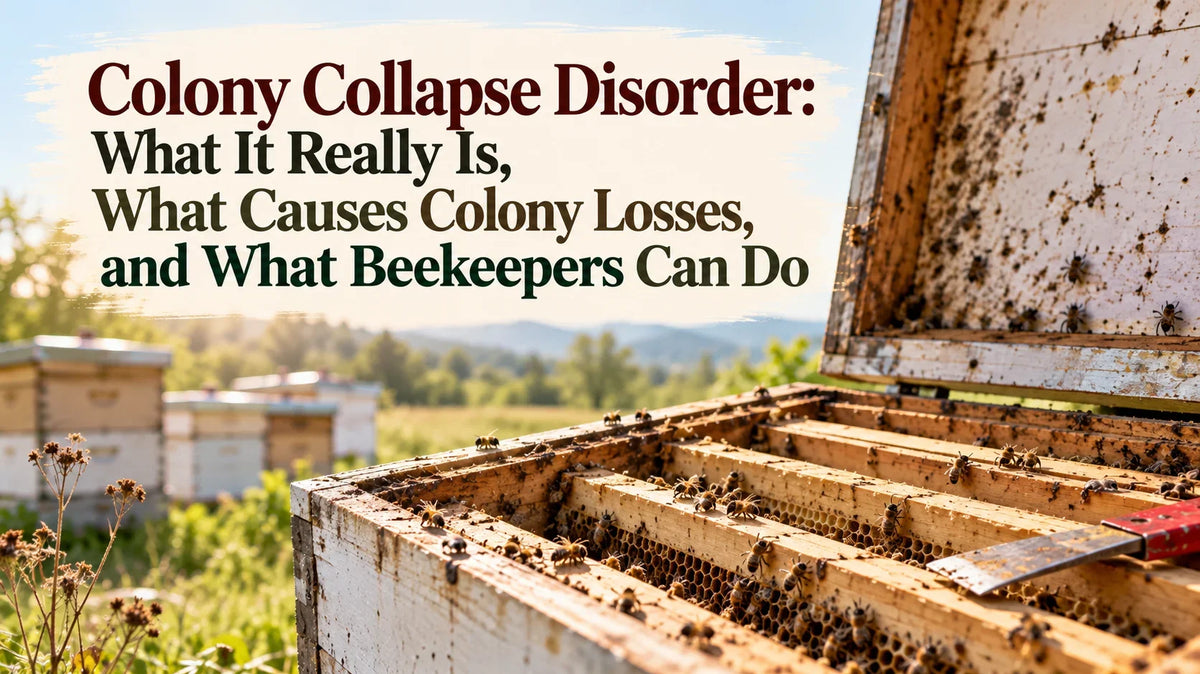
Colony Collapse Disorder: What It Really Is, What Causes Colony Losses, and What Beekeepers Can Do
Colony Collapse Disorder is one of the most talked-about and least understood terms in beekeeping. It has been blamed for everything from declining wild bee populations to rising food prices,...

Fall Feeding With Top Feeders: How to Build Winter Stores Before the Cold
Fall feeding is the most important feeding window of the beekeeping year, and it is the one most beginners miss. The honey supers are off, the nectar flow is over,...
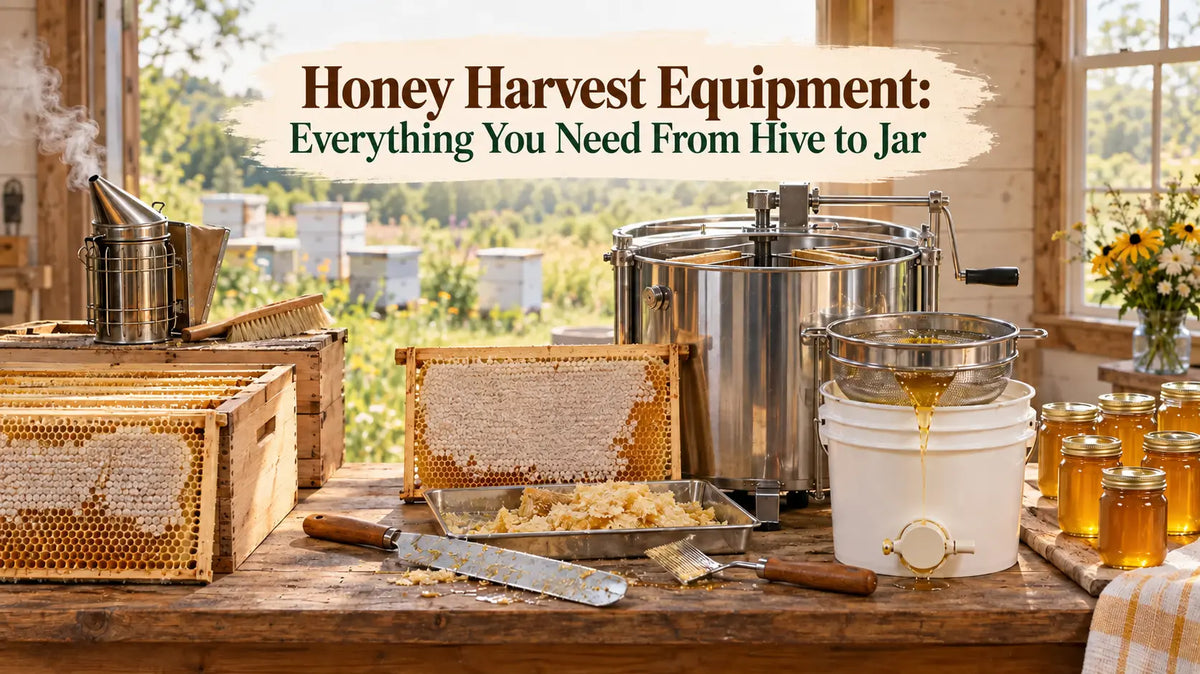
Honey Harvest Equipment: Everything You Need From Hive to Jar
Harvest day is the payoff for a full season of feeding, inspecting, treating, and worrying. It is also the longest, messiest, and most equipment-dependent day in beekeeping. Showing up without...
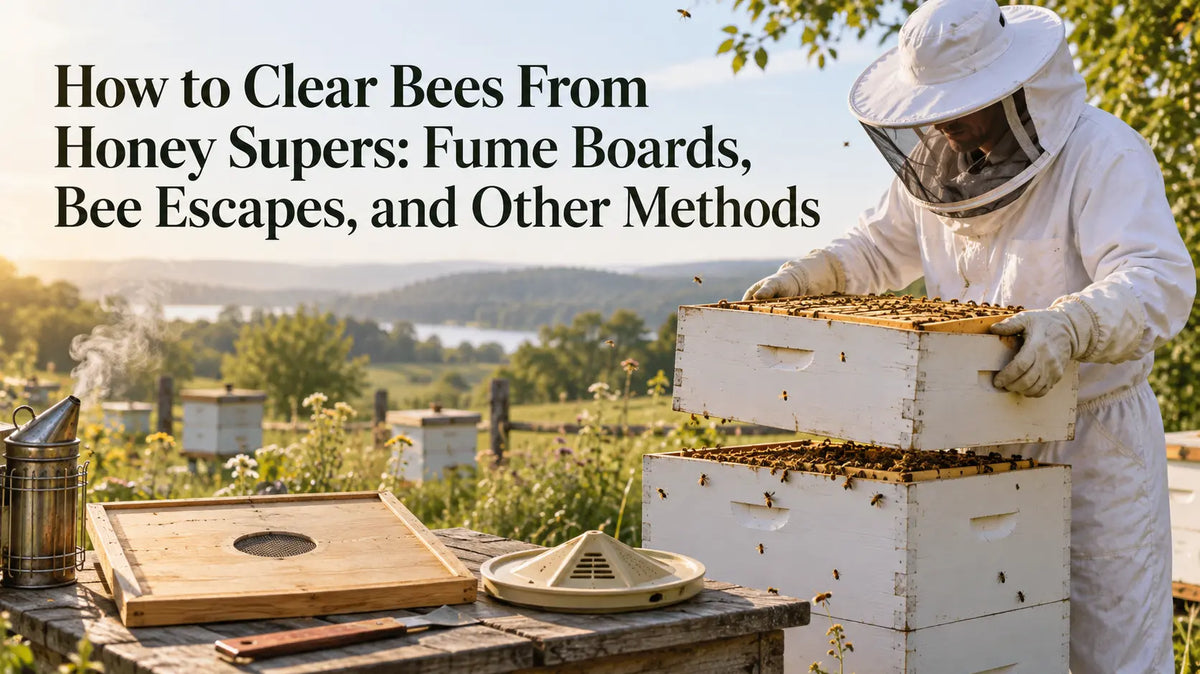
How to Clear Bees From Honey Supers: Fume Boards, Bee Escapes, and Other Methods
Before you can extract a single drop of honey, you have to get the bees off the frames. A full honey super holds 20,000 to 30,000 bees on a busy...
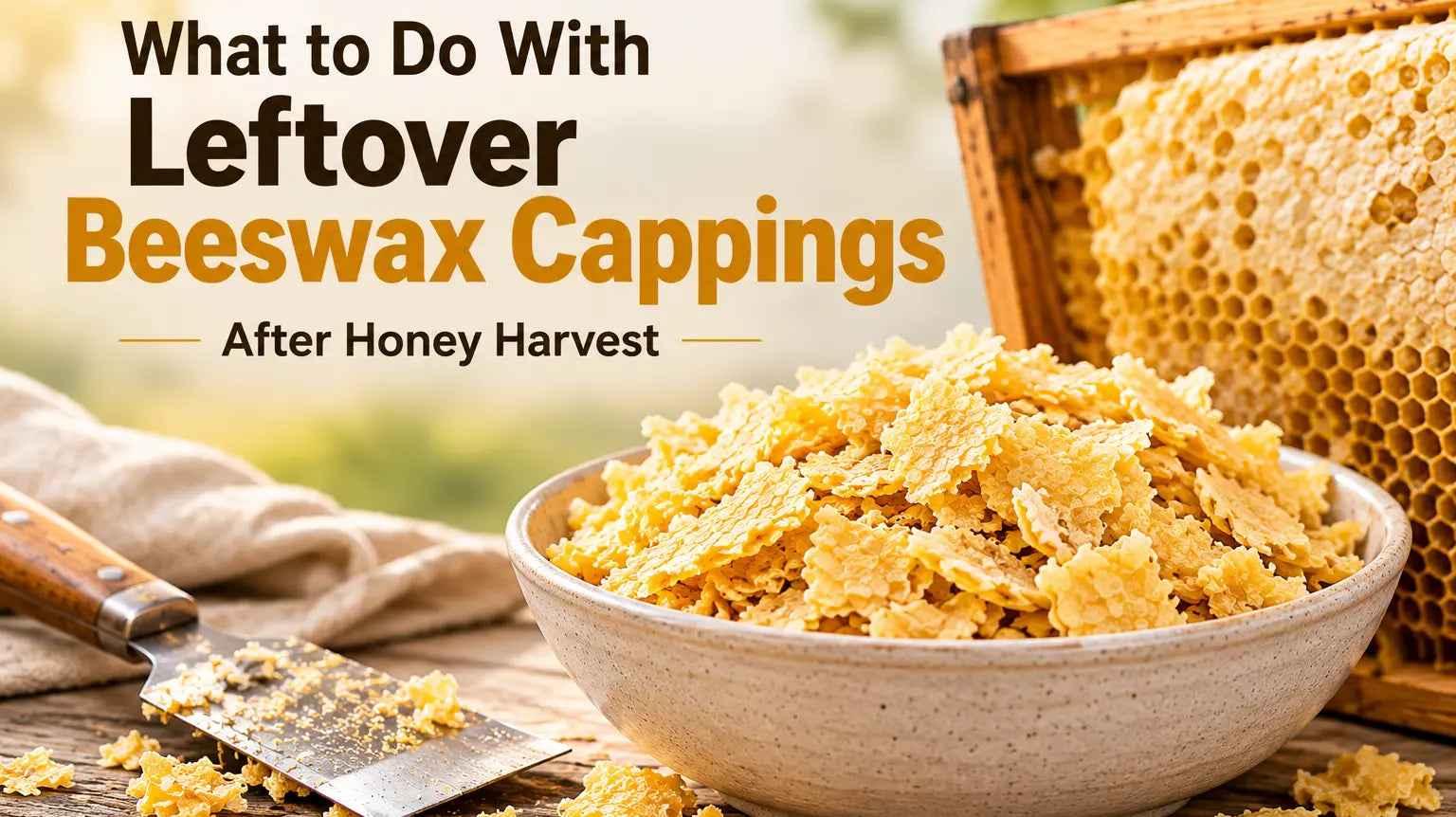
What to Do With Leftover Beeswax Cappings After Honey Harvest
After you pull frames, uncap them, and spin the honey out, you are left with a pile of sticky, honey-soaked wax cappings that most new beekeepers treat as waste. That...
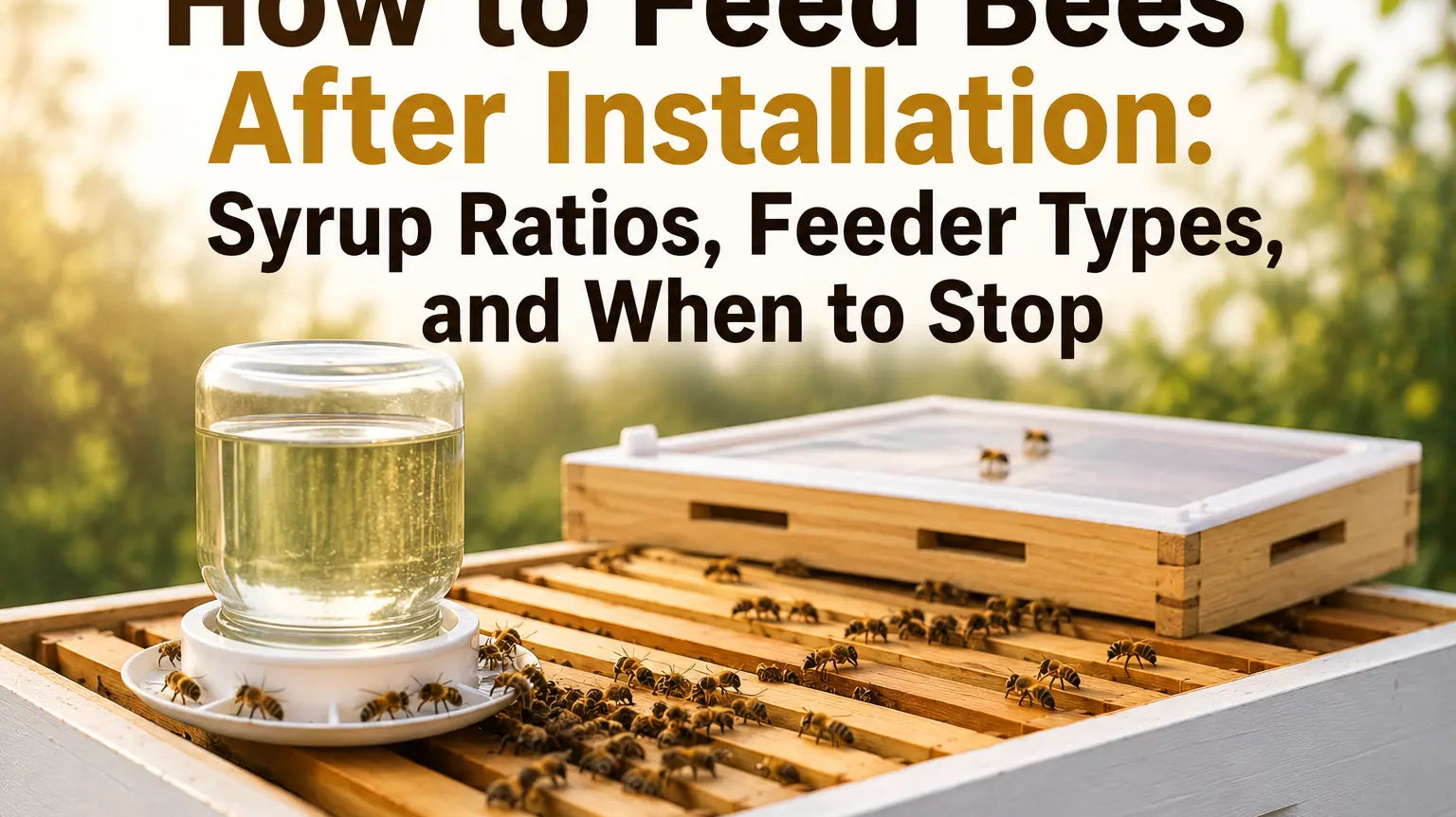
How to Feed Bees After Installation: Syrup Ratios, Feeder Types, and When to Stop
Installing a package or nuc is the exciting part. What happens in the three to six weeks after installation is what determines whether the colony thrives or struggles into summer....
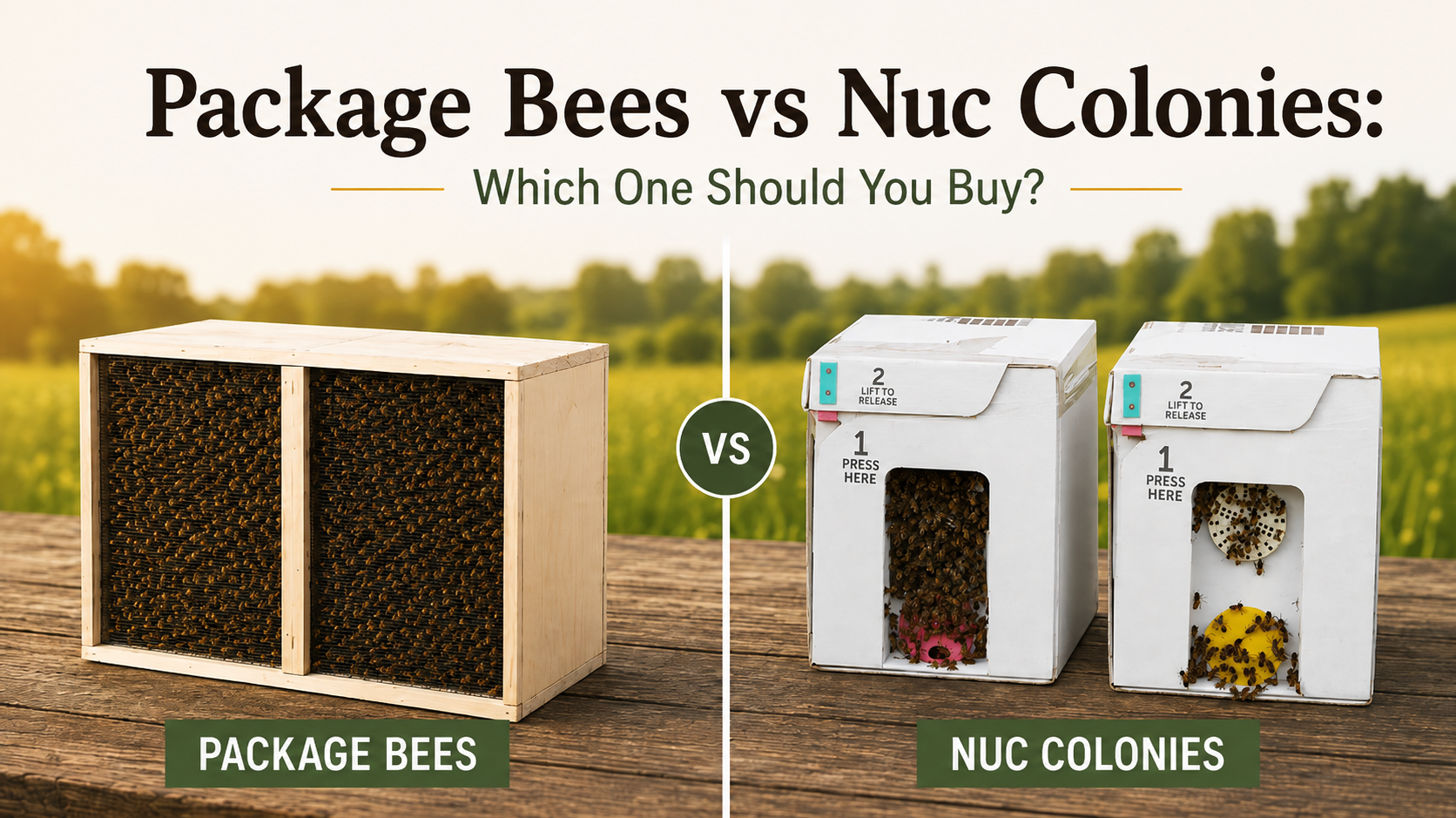
Package Bees vs Nuc Colonies: Which One Should You Buy?
This is the decision that trips up more first-year beekeepers than any other. You know you need bees. You have the hive assembled. But should you buy a package or...
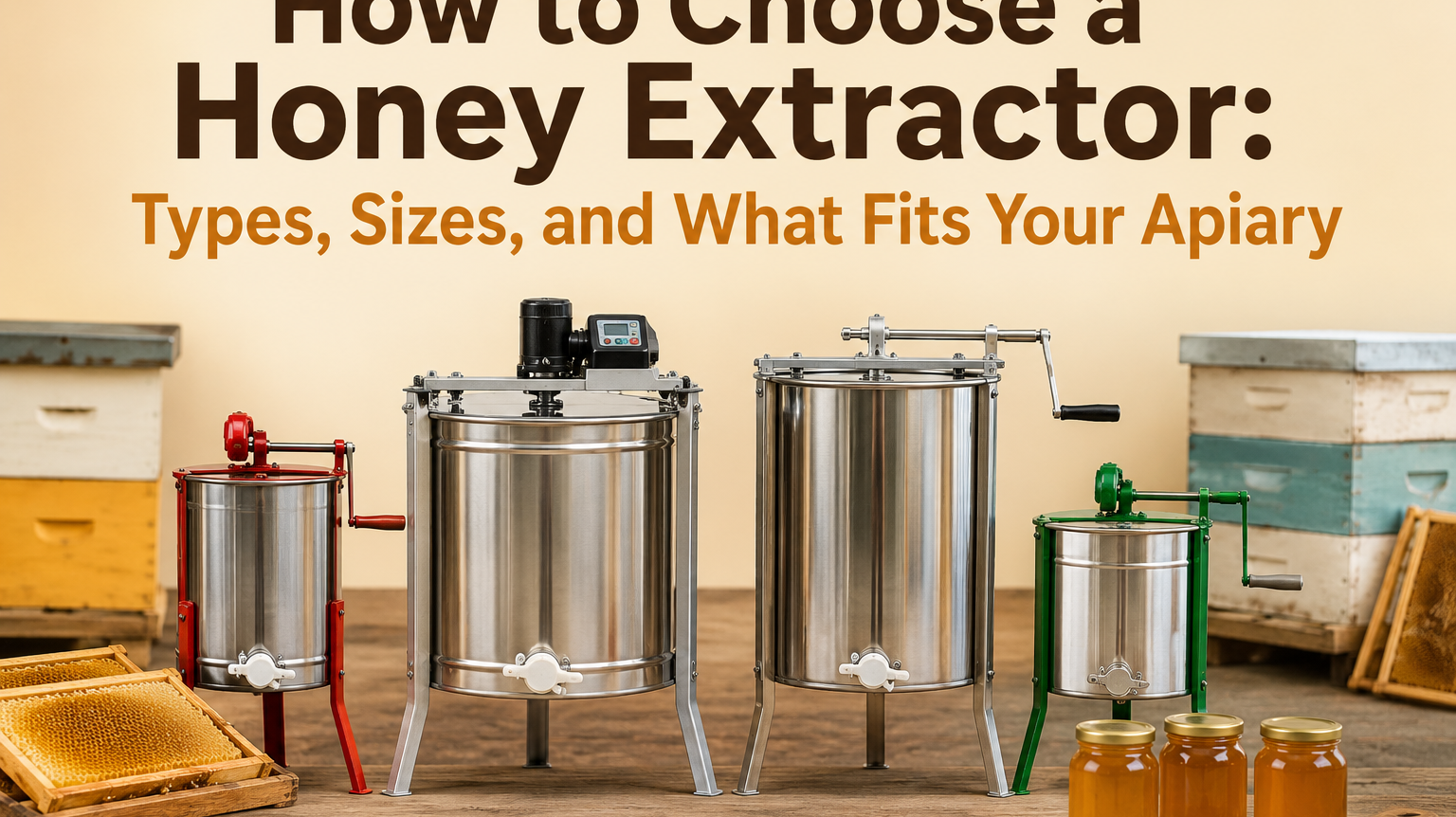
How to Choose a Honey Extractor: Types, Sizes, and What Fits Your Apiary
A honey extractor is the most expensive single tool most beekeepers buy after the hive itself, and it is the one that determines whether harvest day takes two hours or...
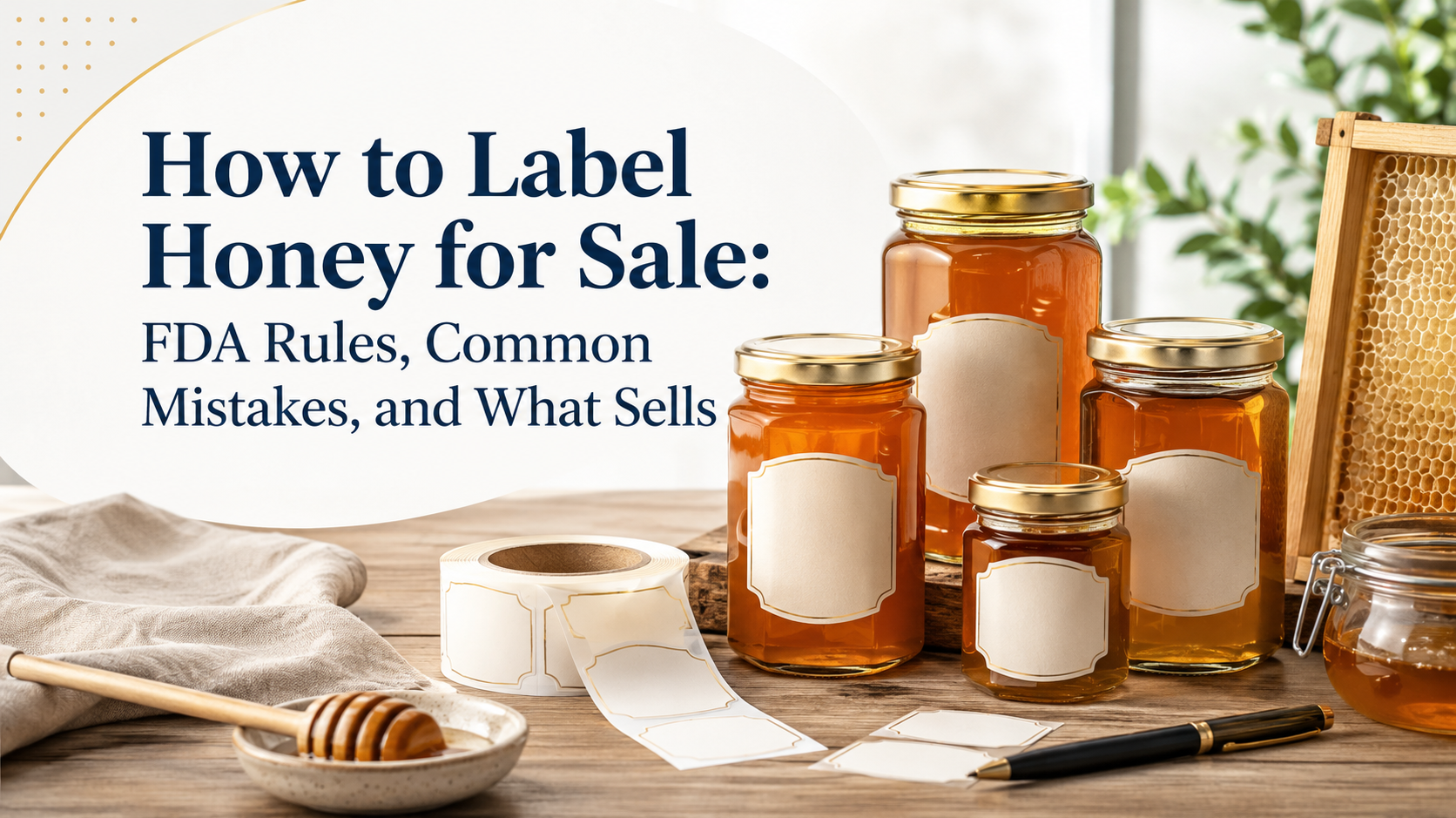
How to Label Honey for Sale: FDA Rules, Common Mistakes, and What Sells
You bottled your first harvest, the jars look beautiful, and you are ready to sell at the farmers' market. Then someone asks: does your label meet FDA requirements? For most...
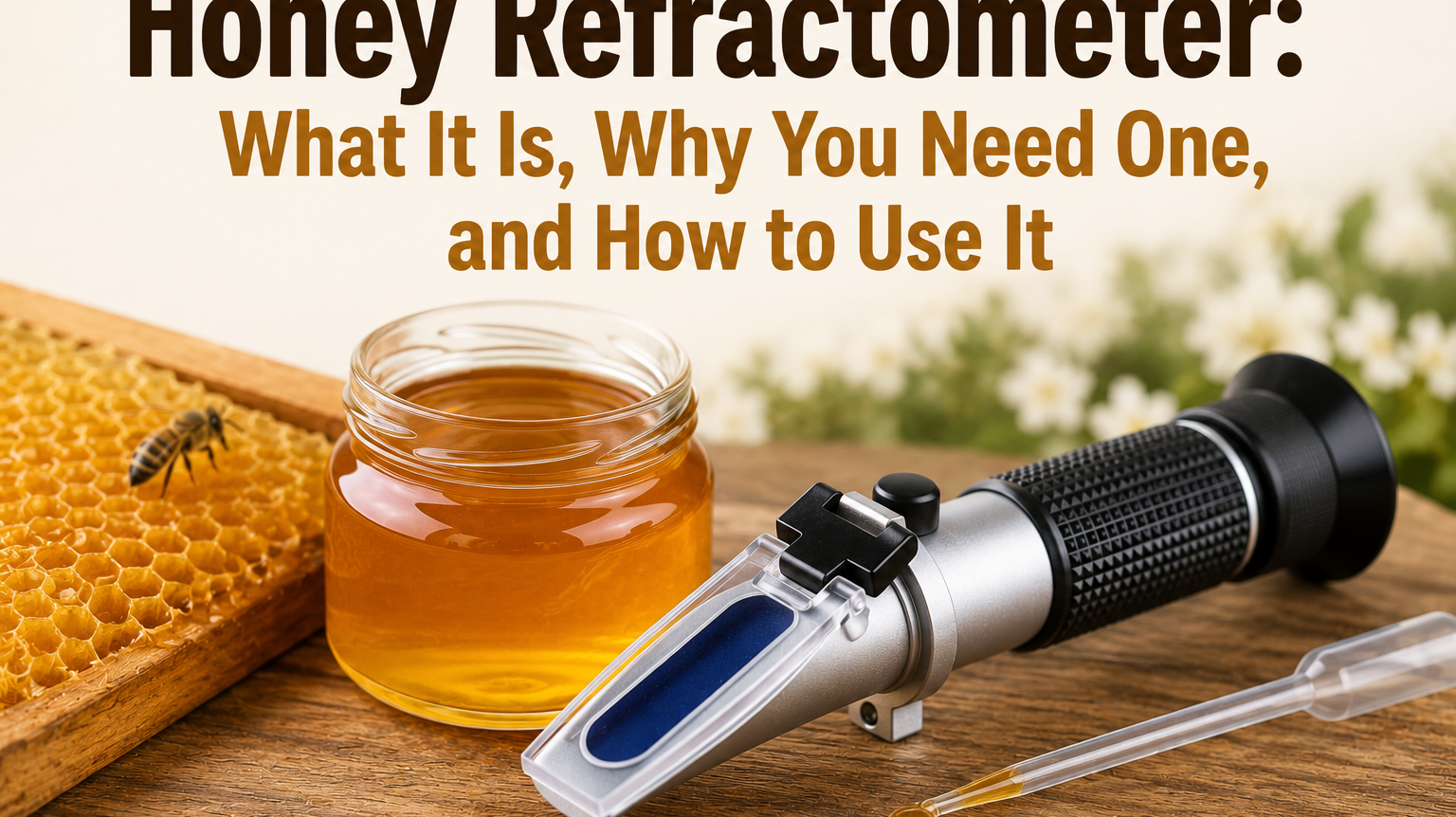
Honey Refractometer: What It Is, Why You Need One, and How to Use It
A refractometer is one of the cheapest and most useful tools a beekeeper can own, and most beekeepers do not have one. It costs $30 to $80, fits in your...
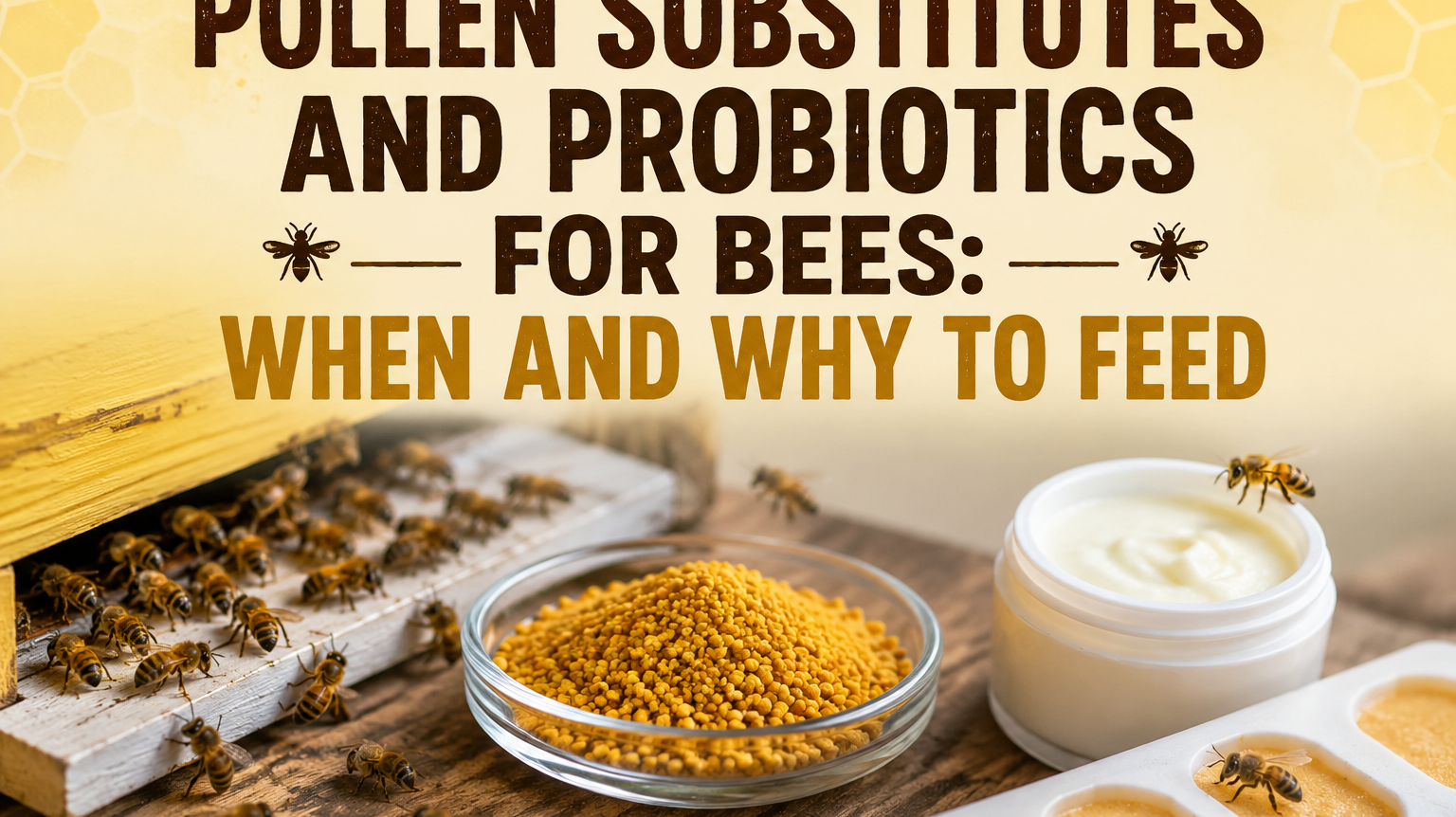
Pollen Substitutes and Probiotics for Bees: When and Why to Feed
Pollen is the only source of protein, essential amino acids, lipids, vitamins, and minerals that honey bees have. Nectar gives them energy (carbohydrates), but pollen gives them everything else: the...
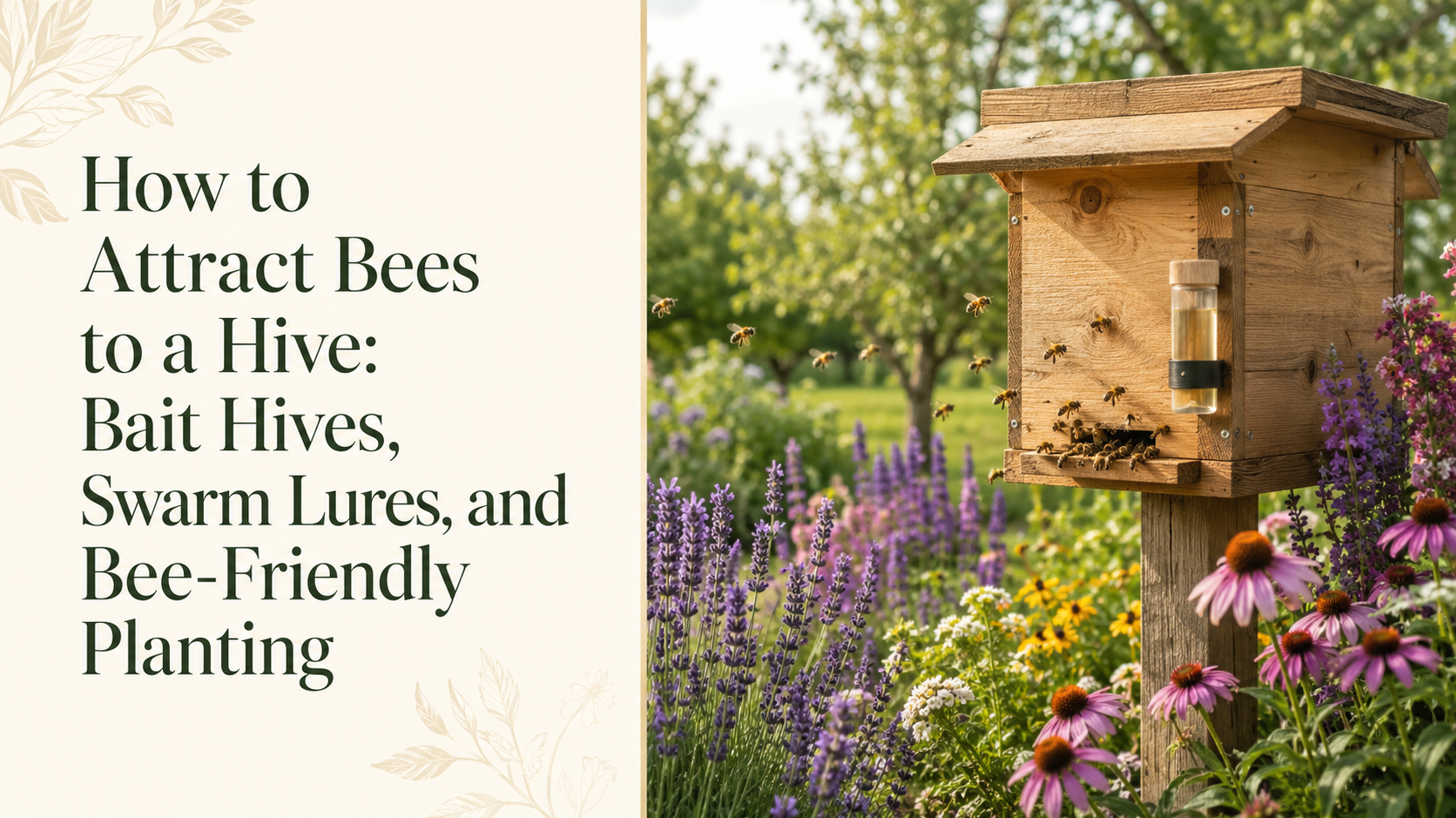
How to Attract Bees to a Hive: Bait Hives, Swarm Lures, and Bee-Friendly Planting
Catching a wild swarm is one of the most satisfying things in beekeeping. Free bees, locally adapted genetics, and the proof that you set up a hive so well that...