
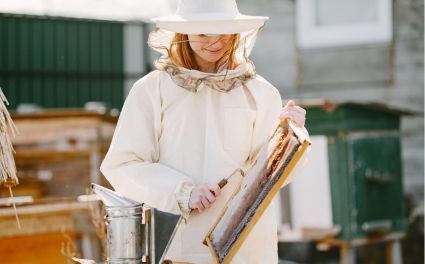
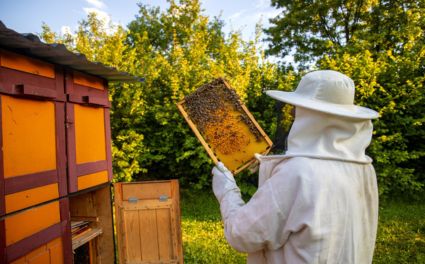
Best Beekeeping Suits
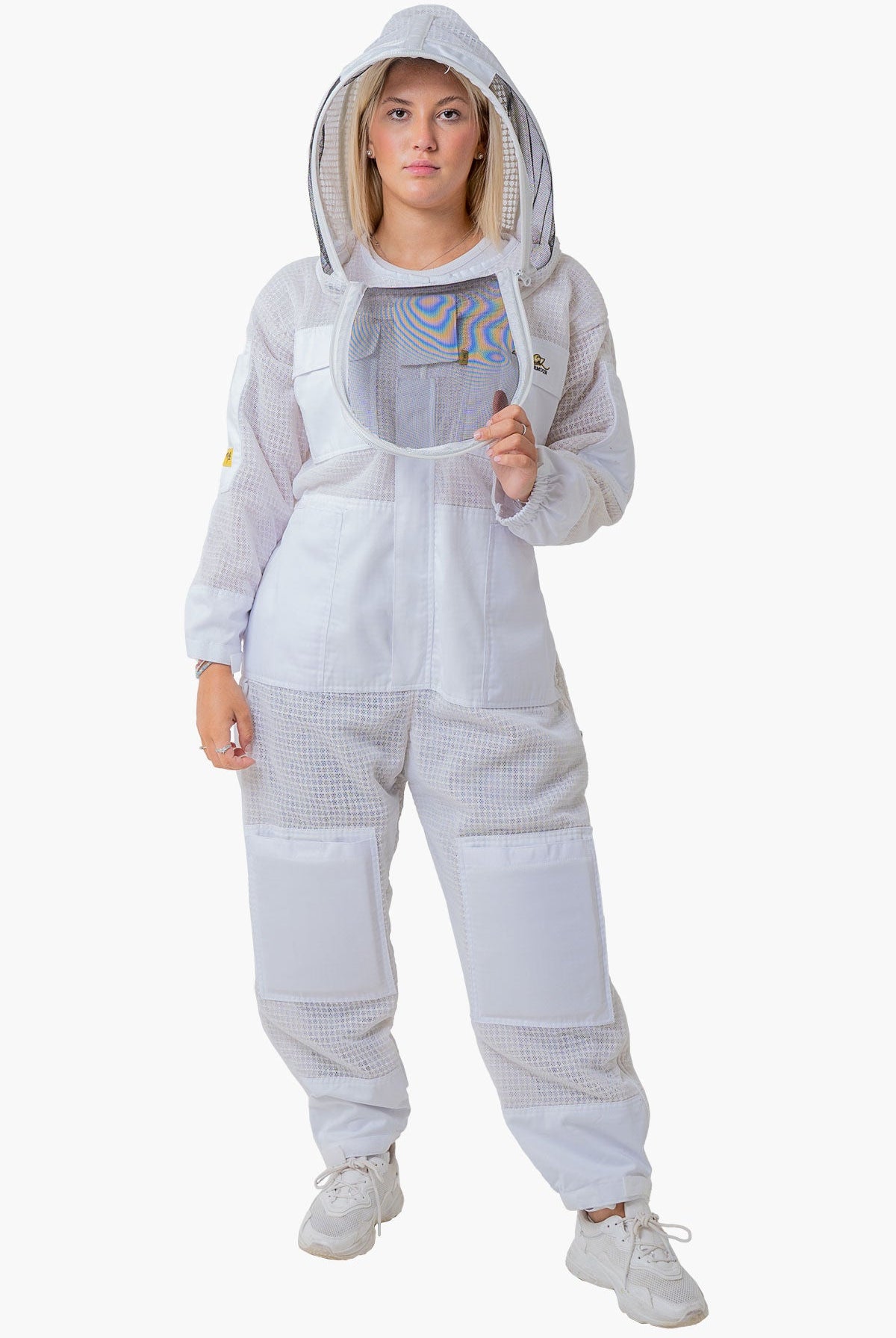
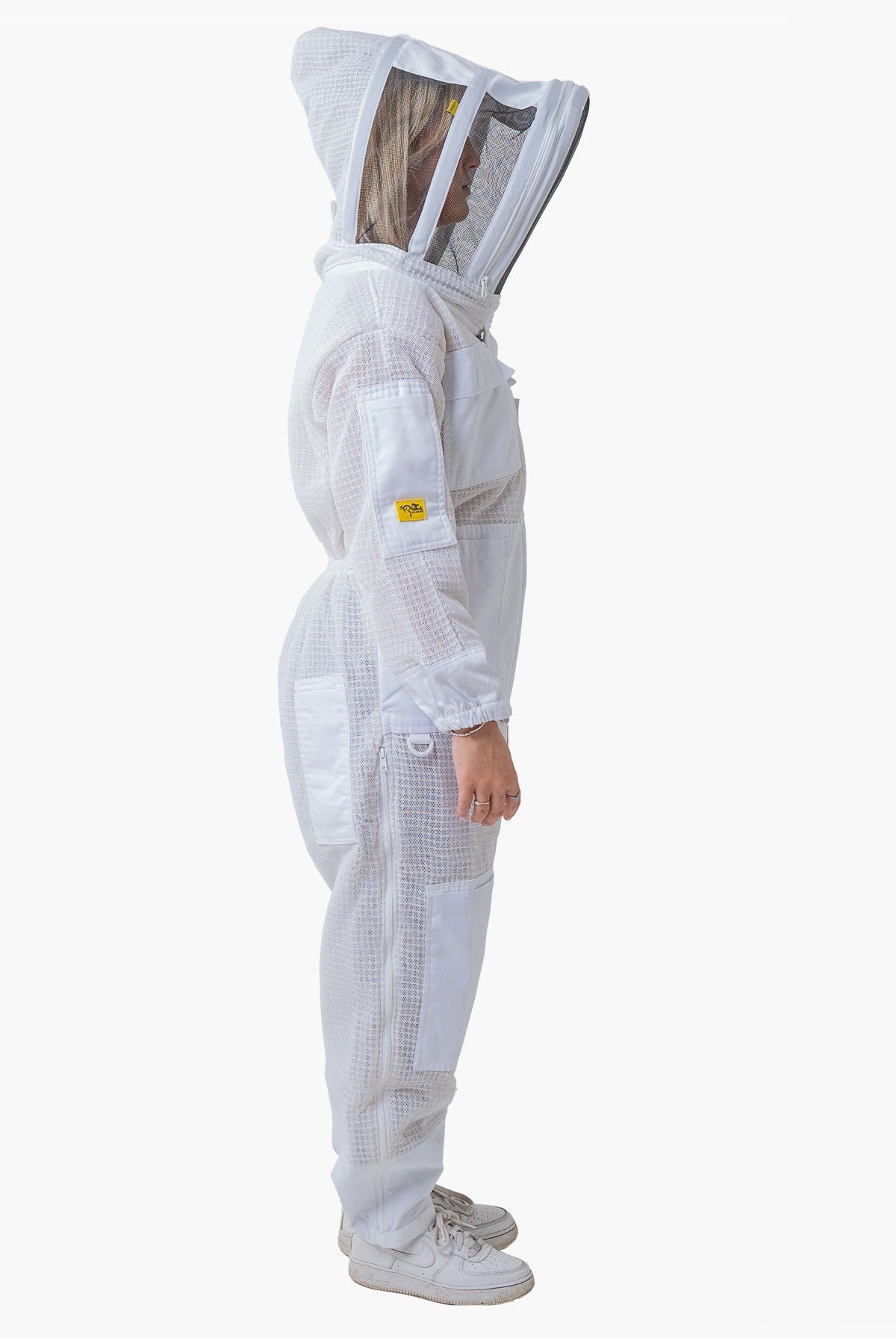
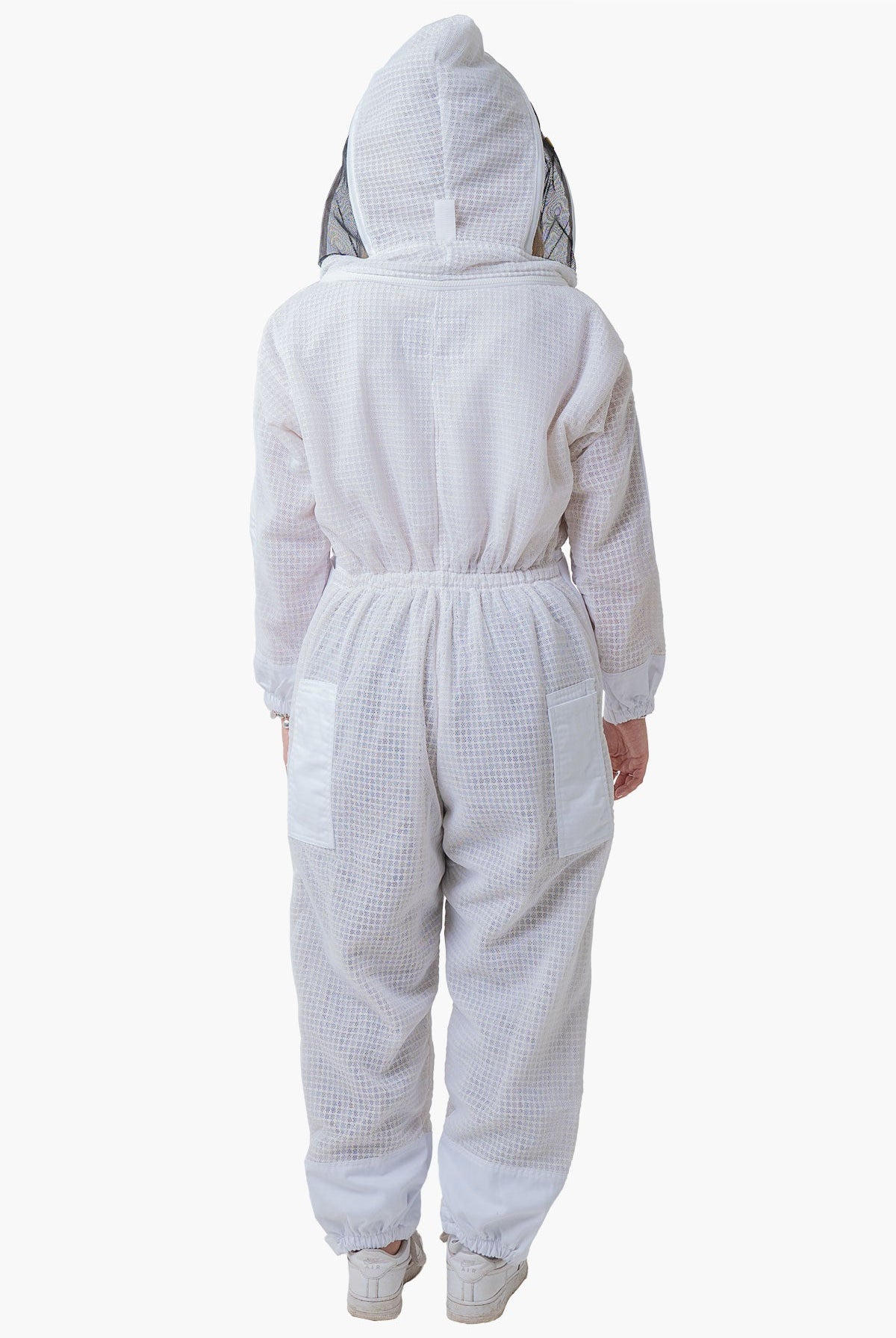
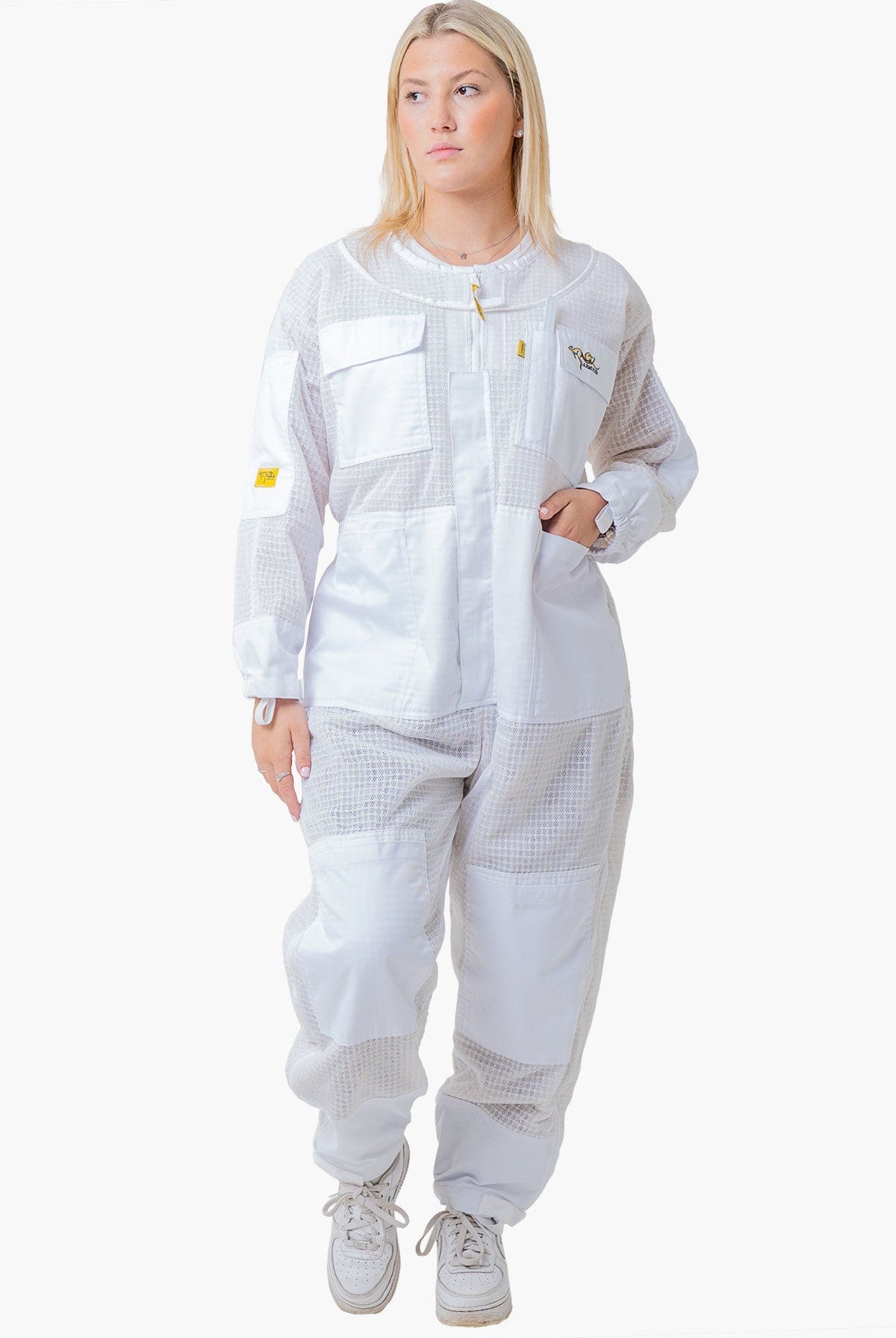
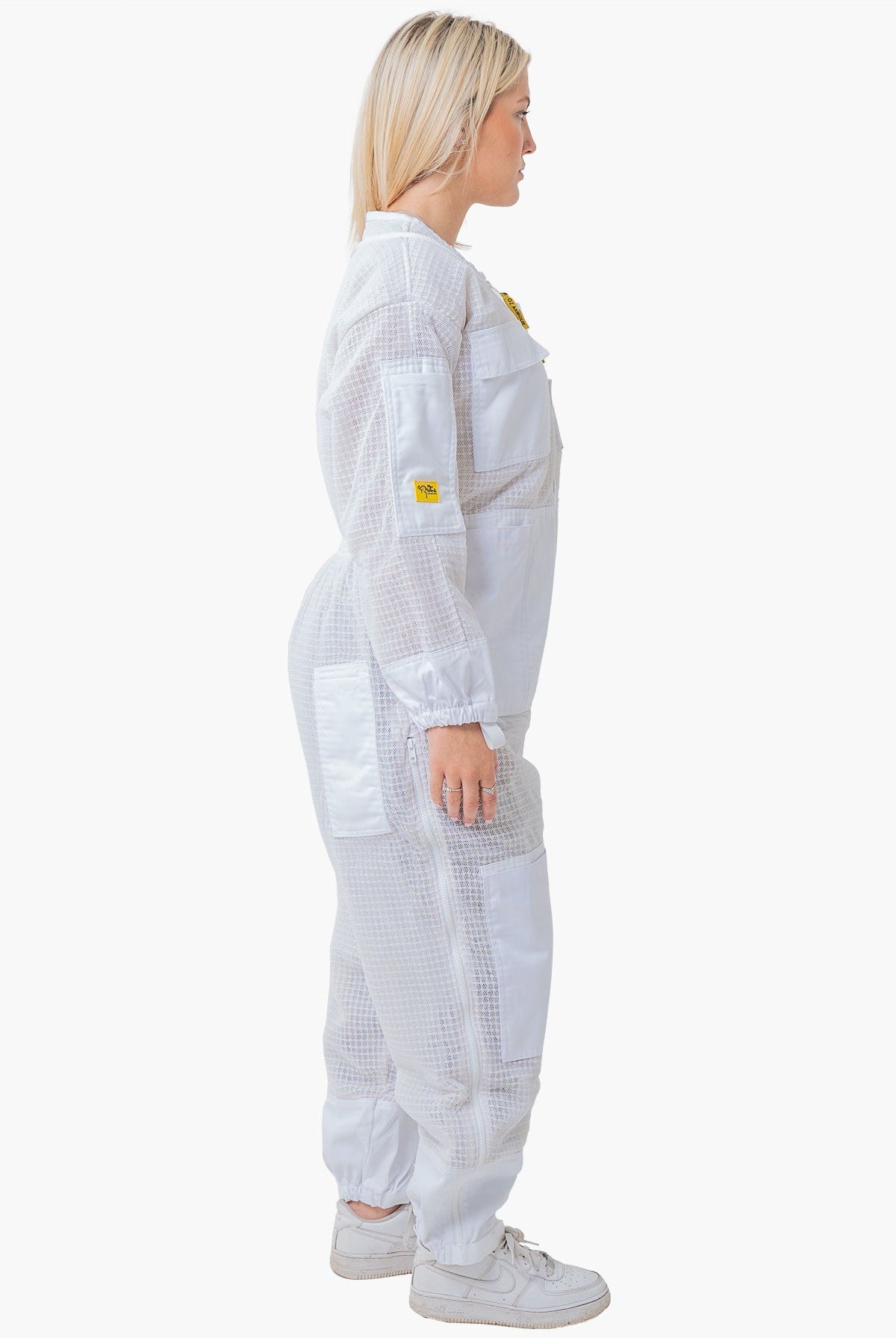
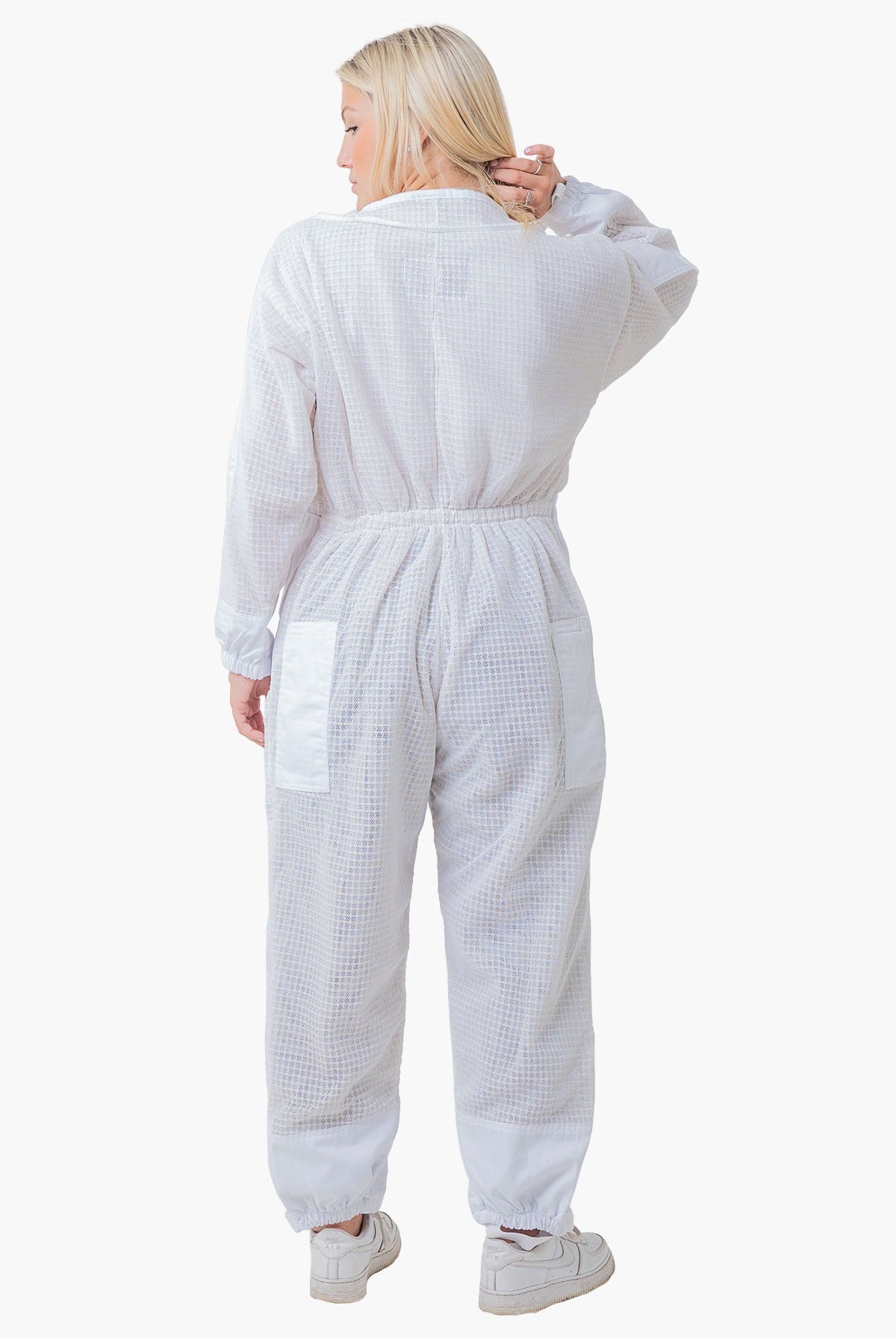
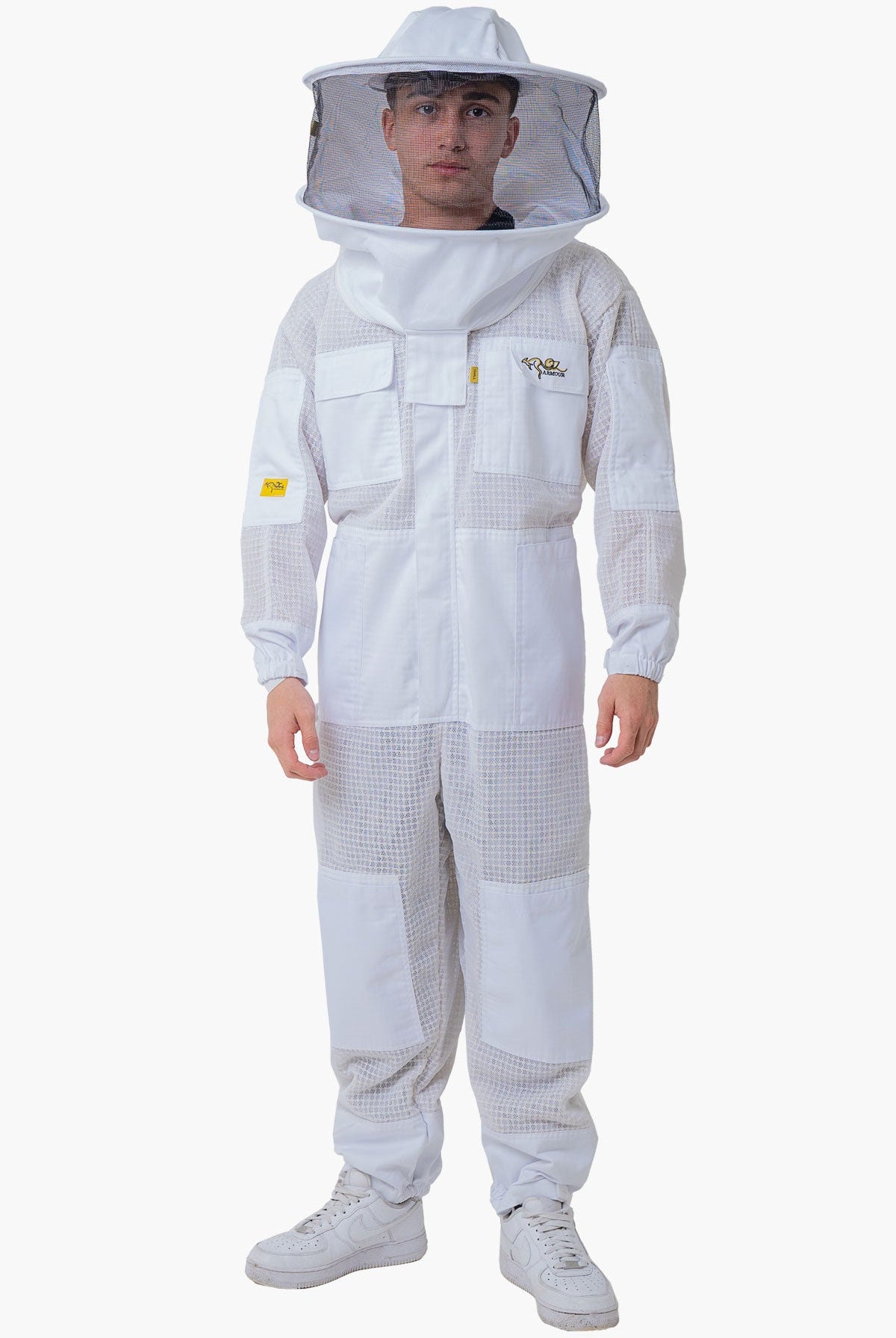
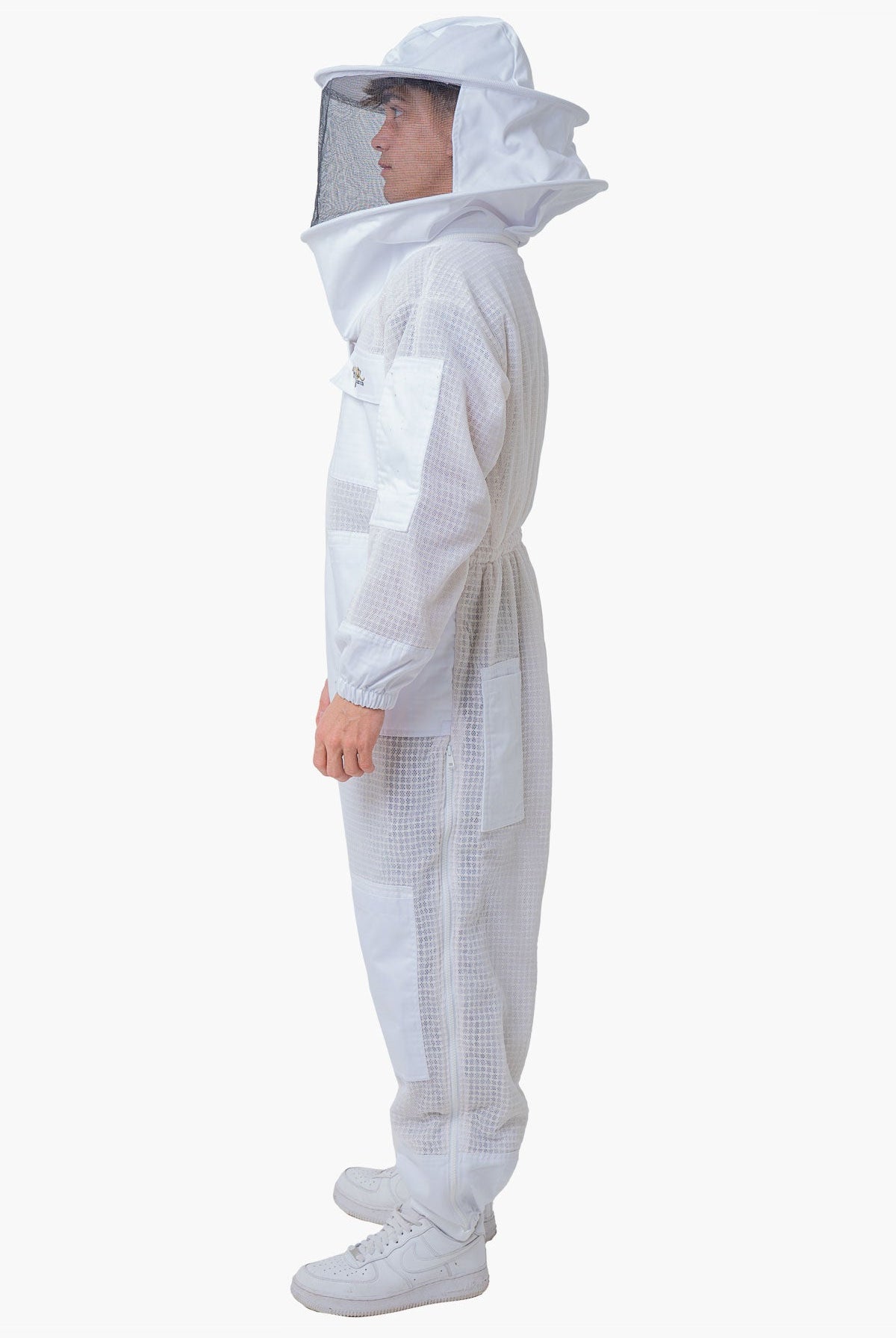
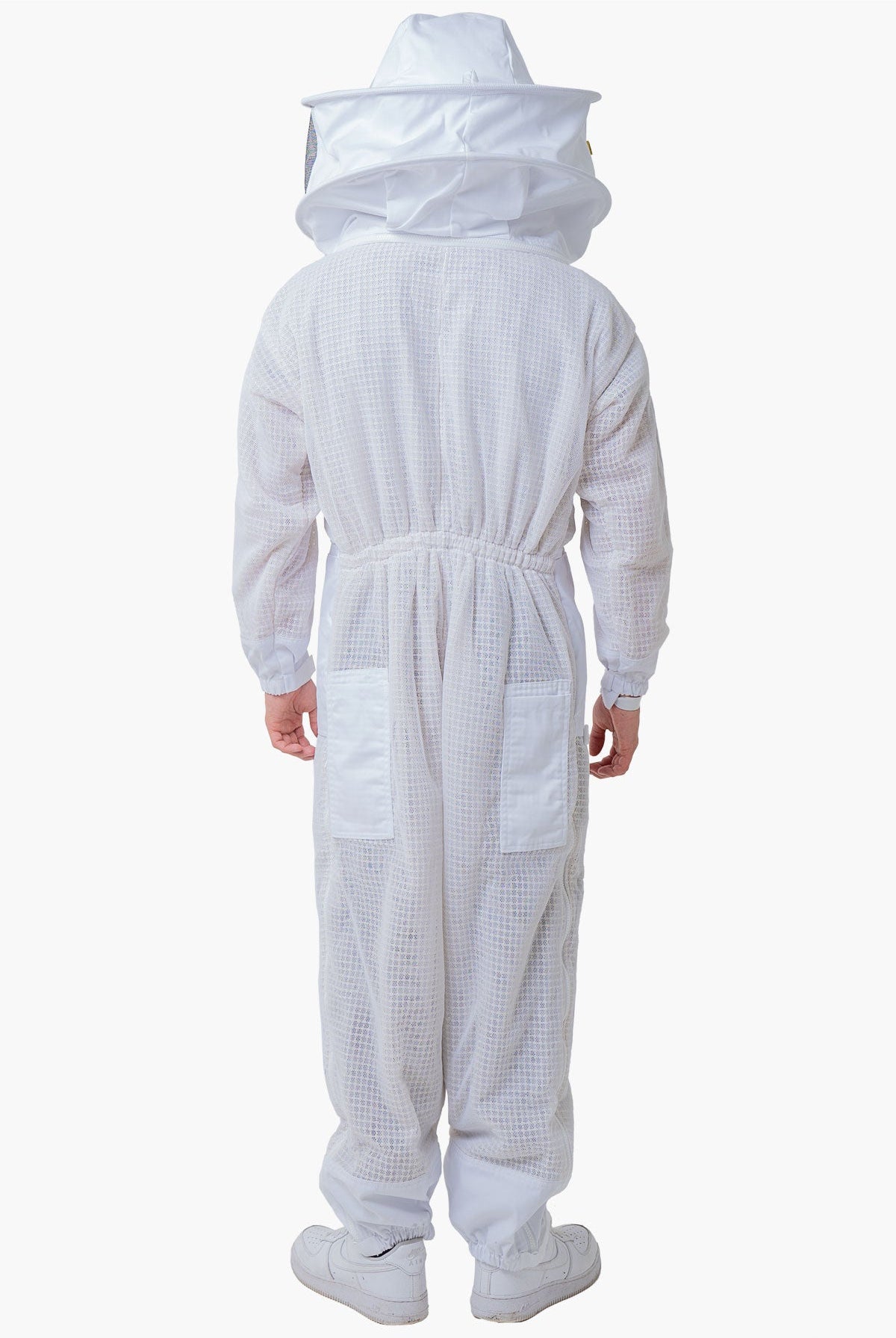
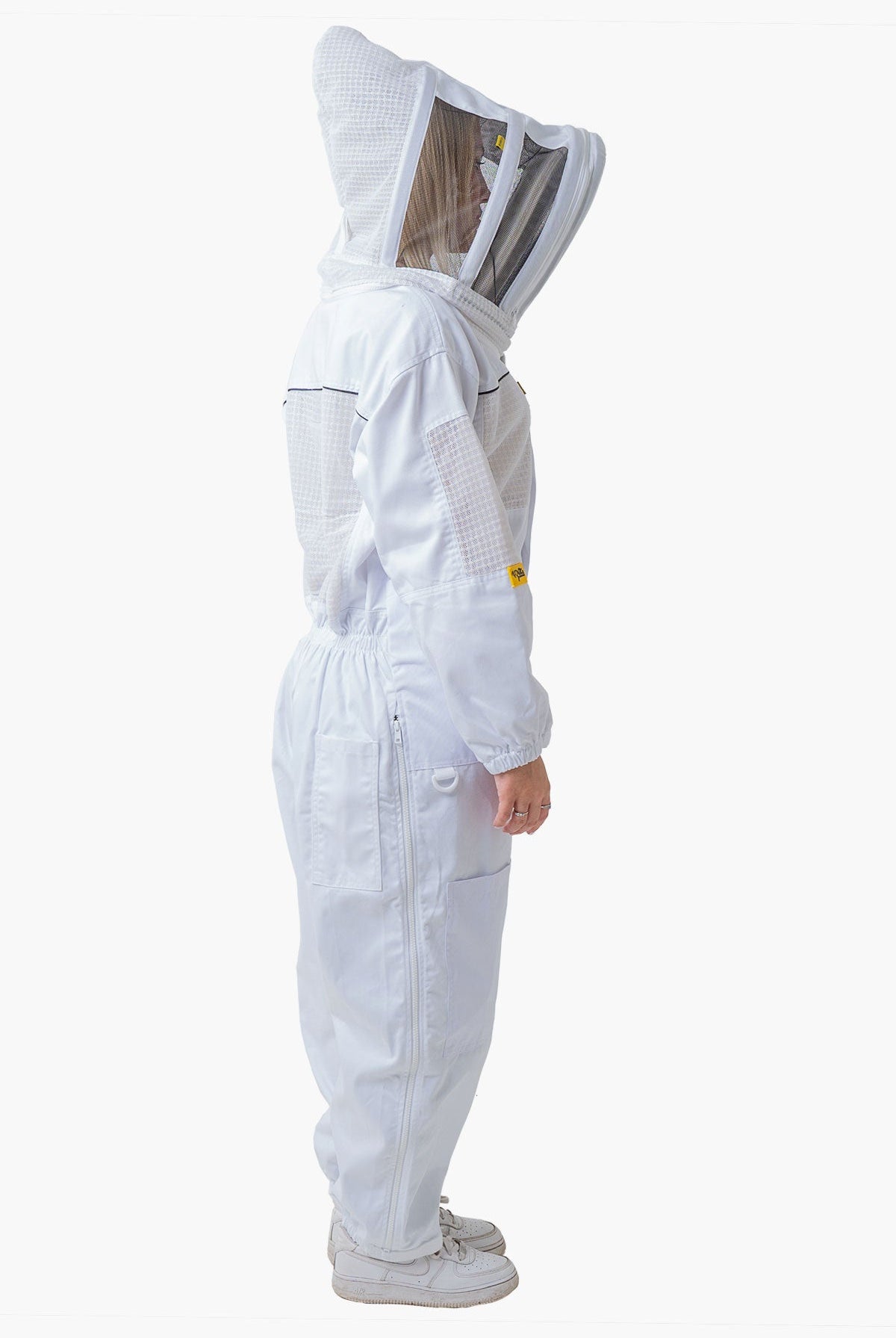
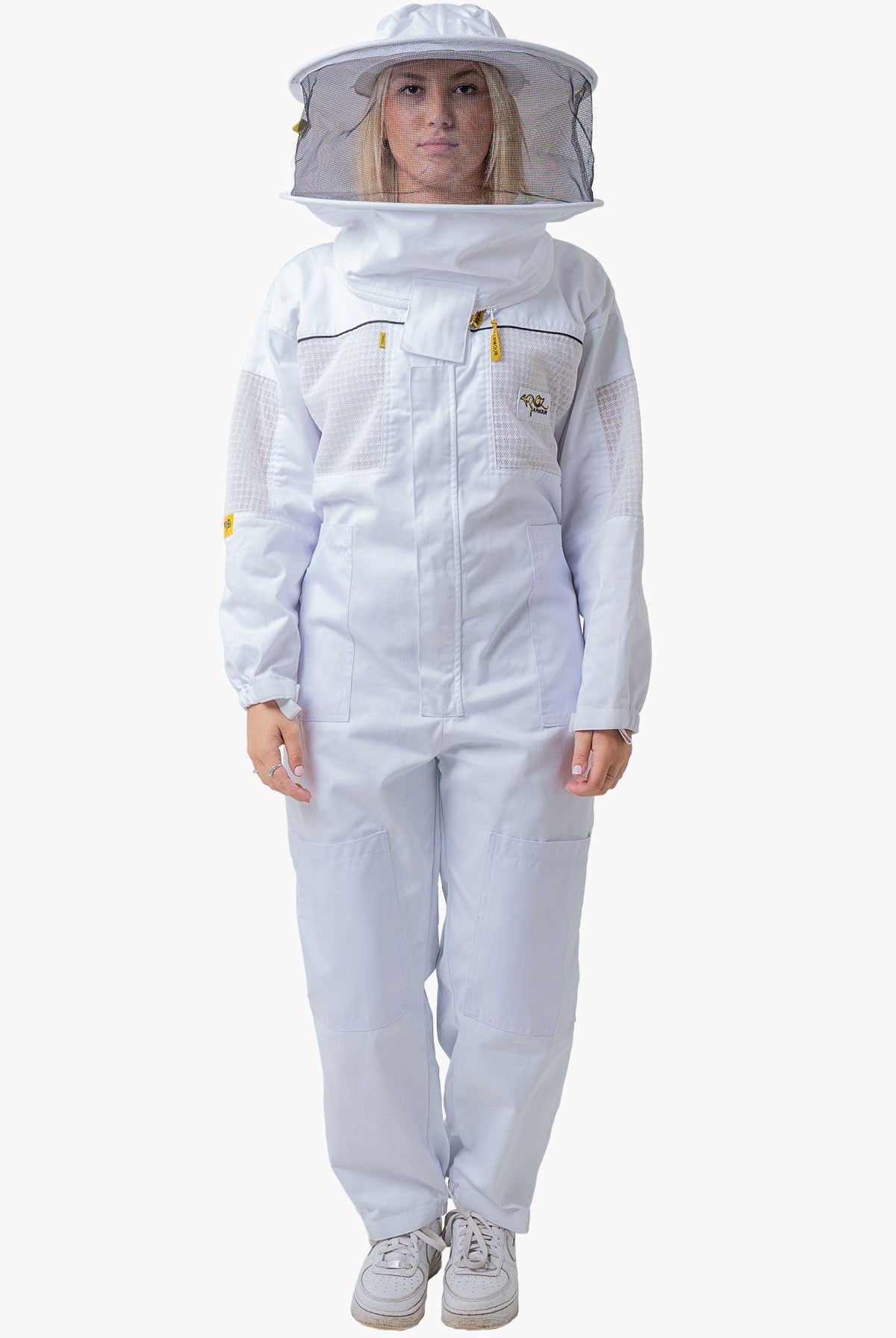
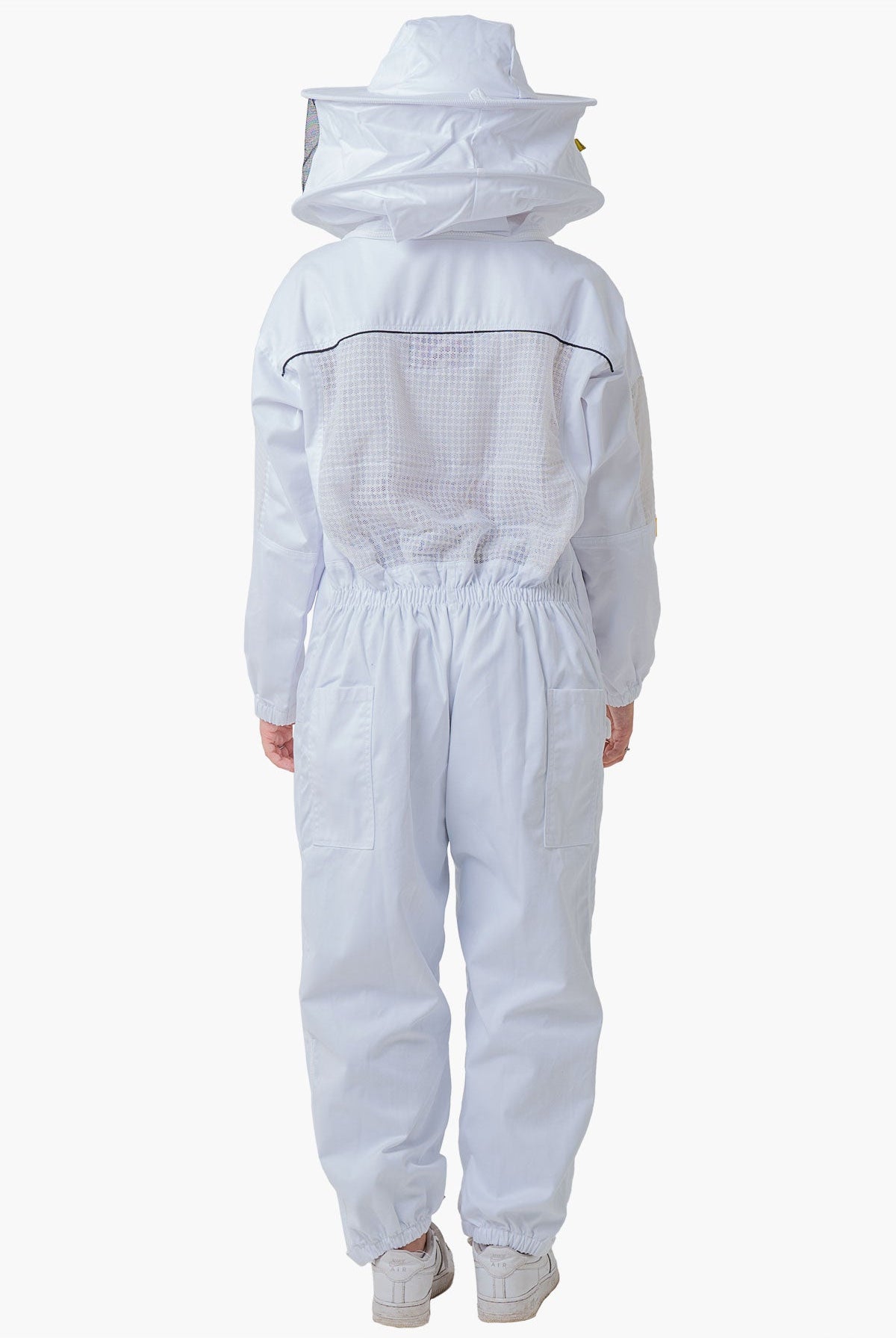
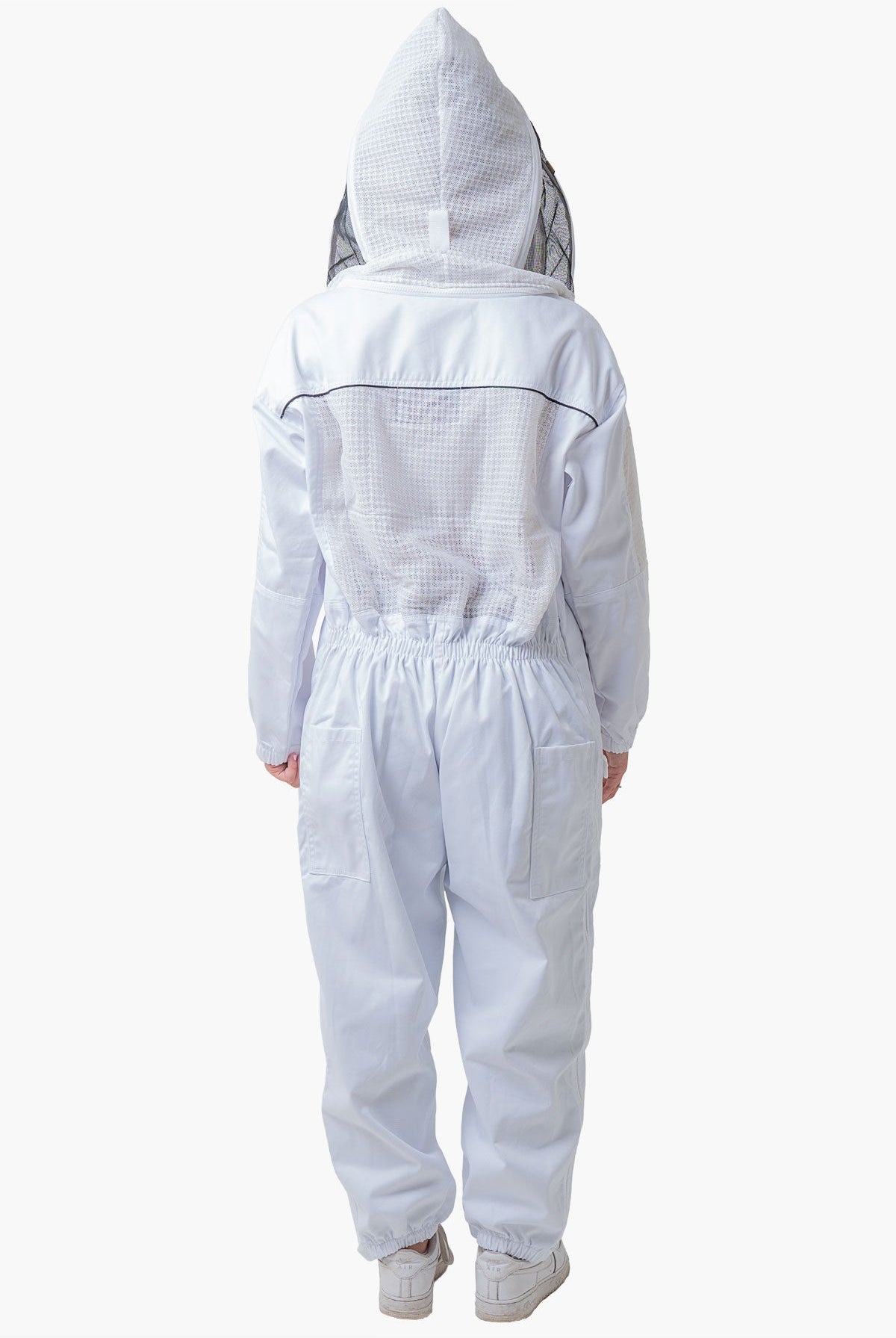
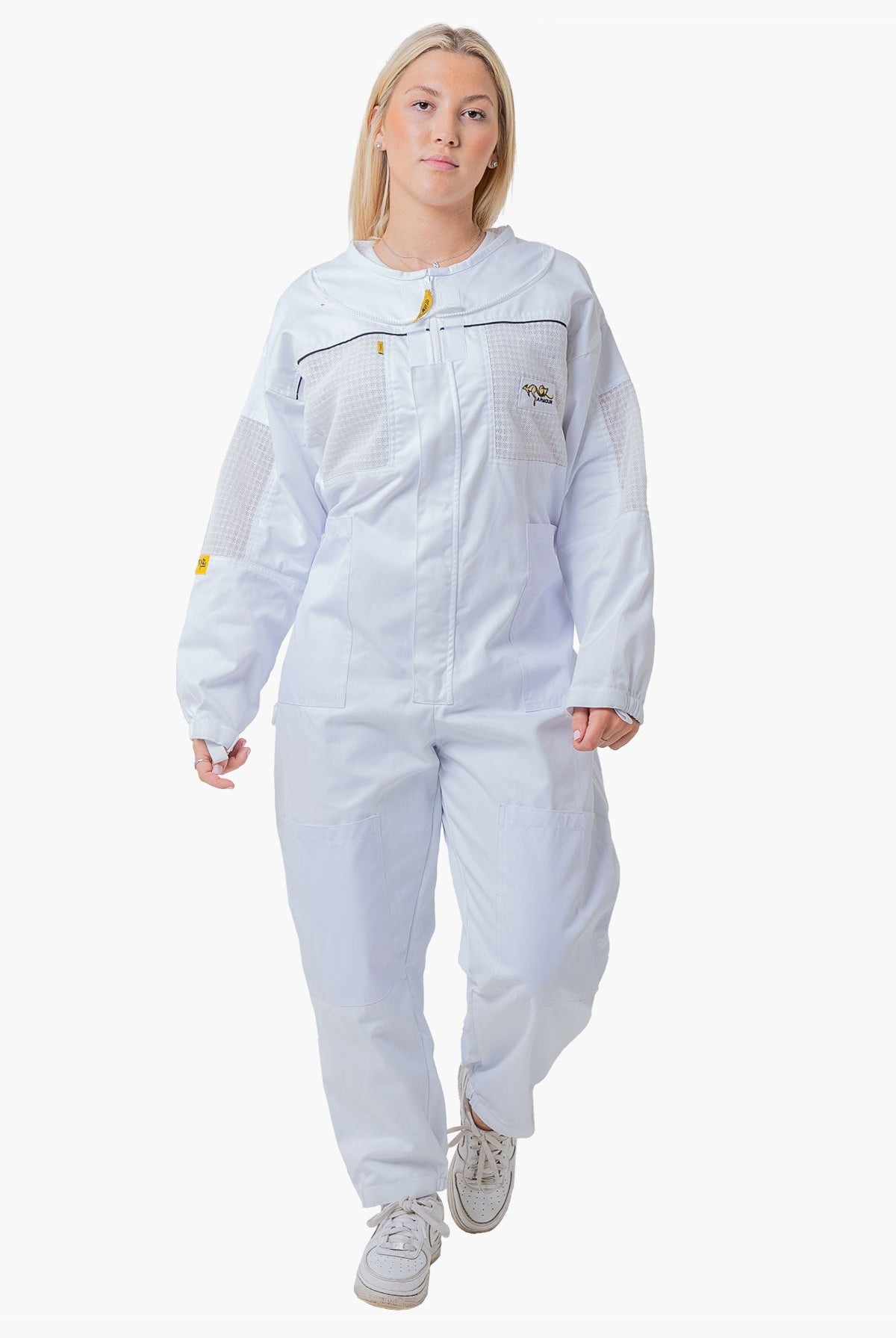
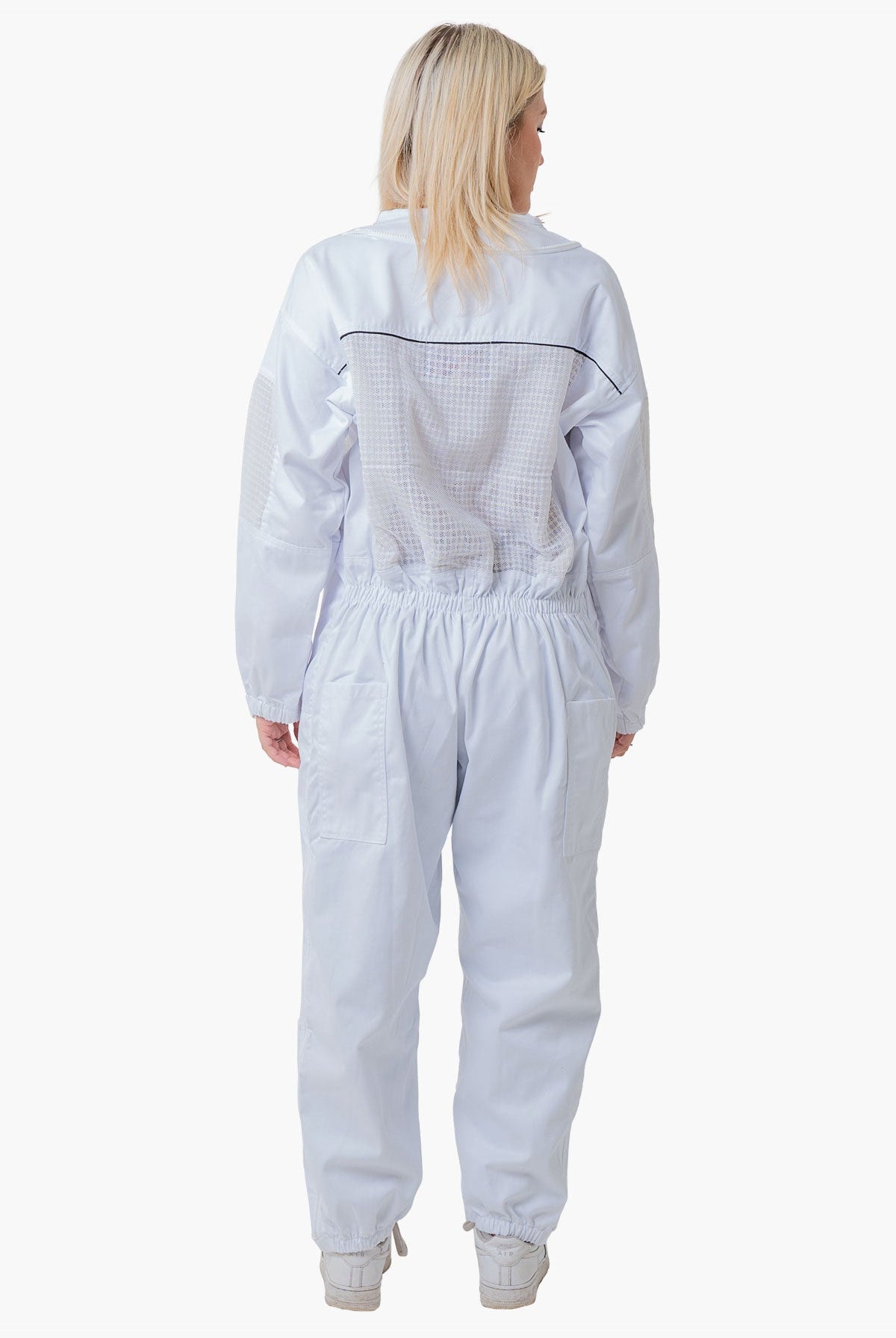
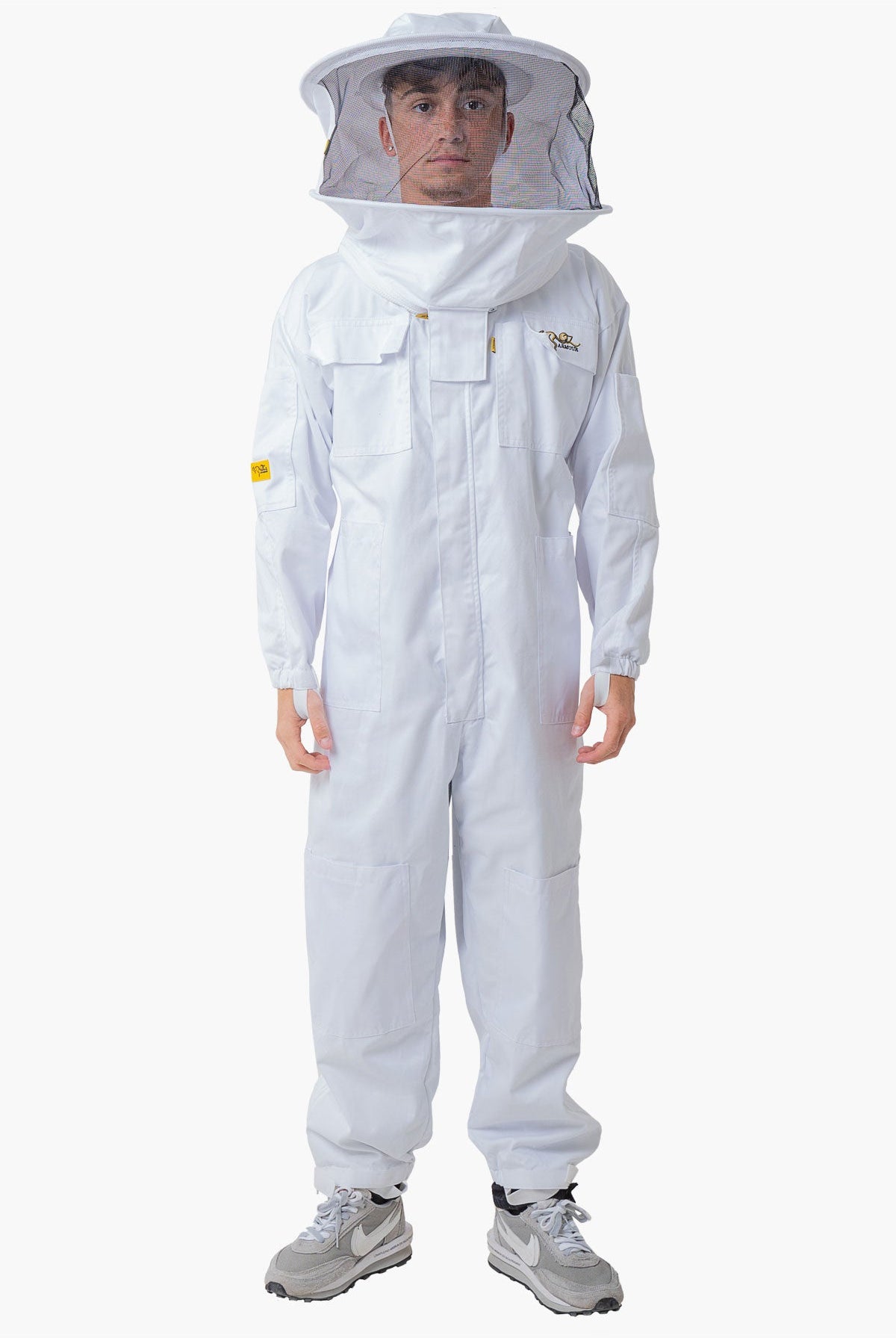
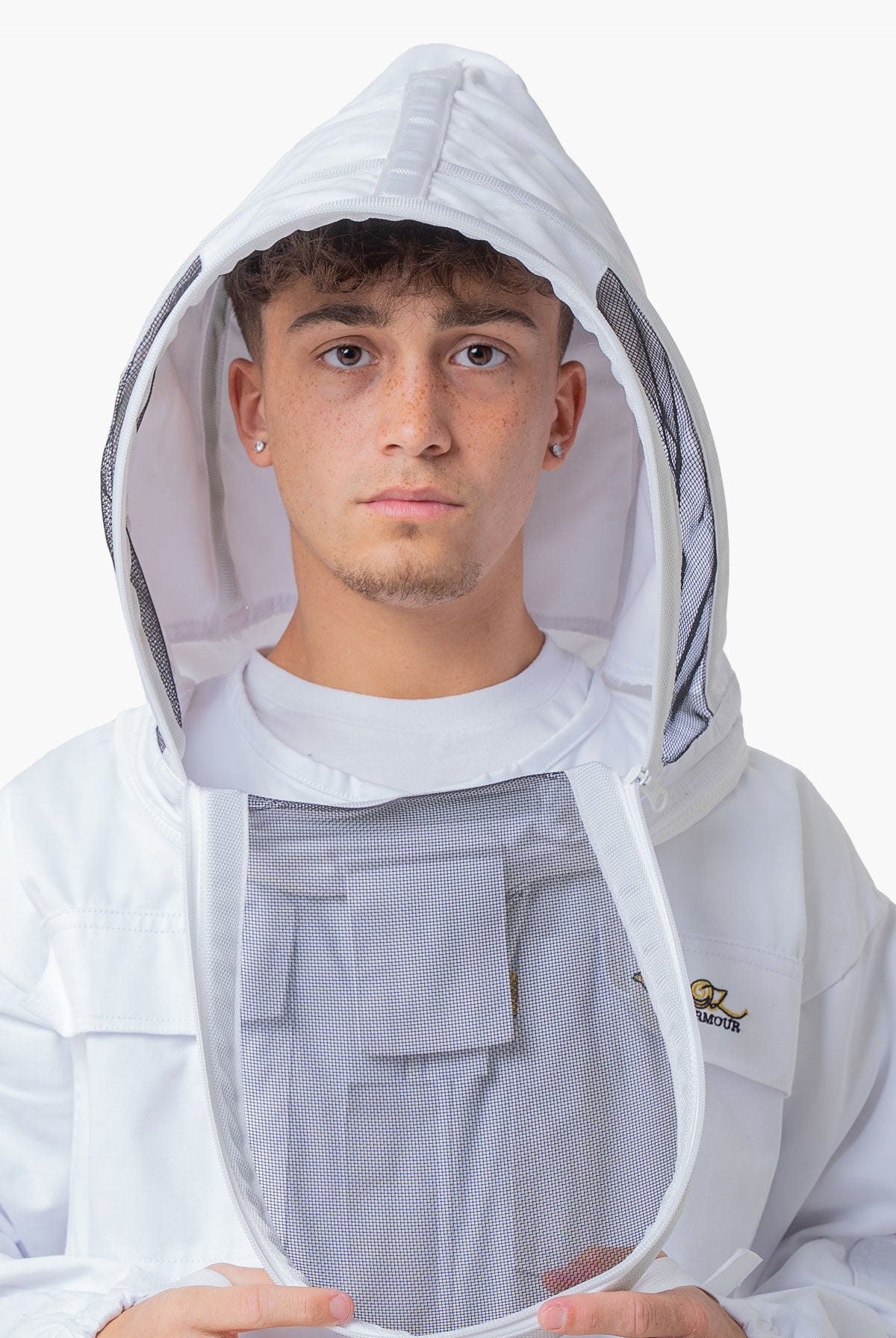
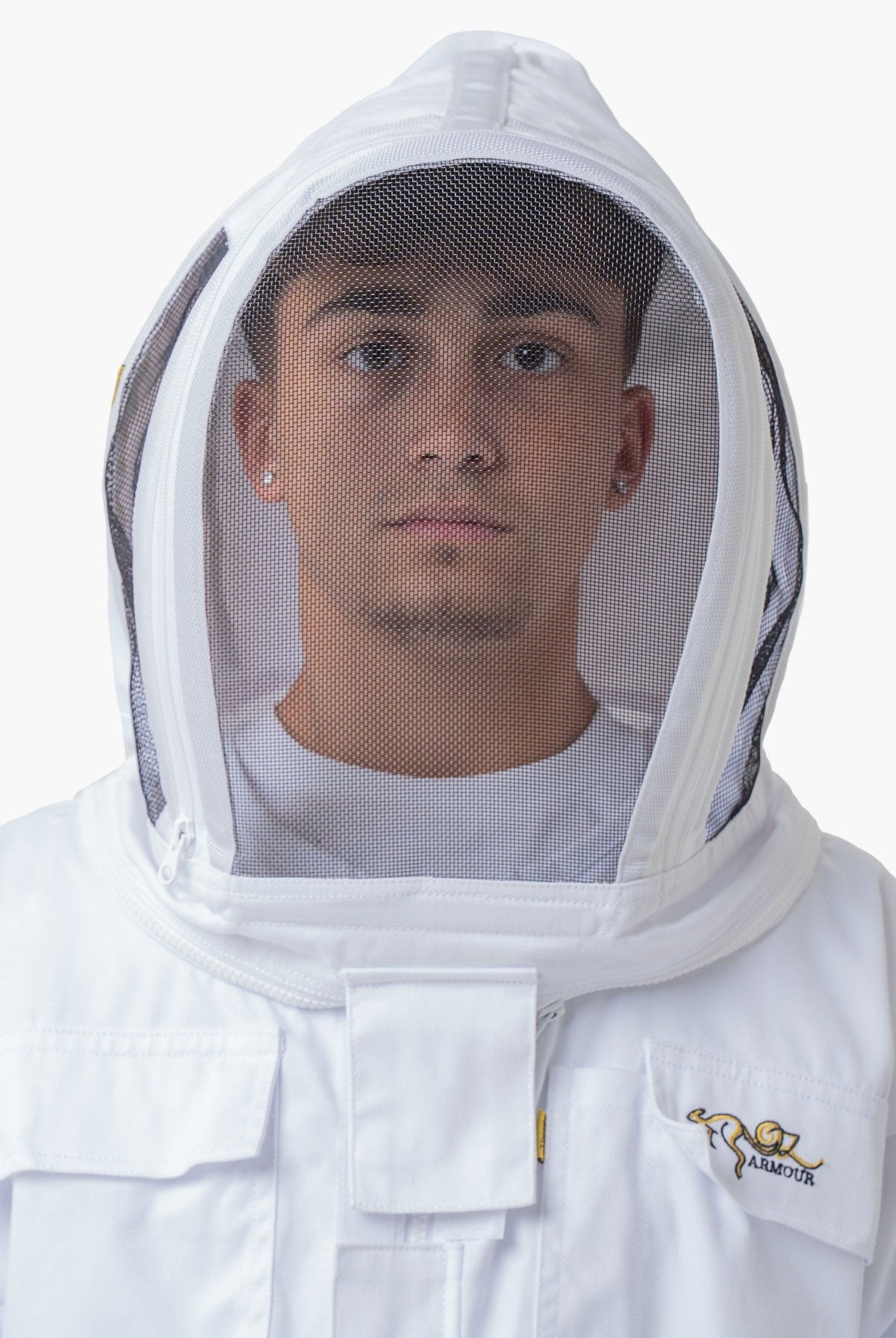
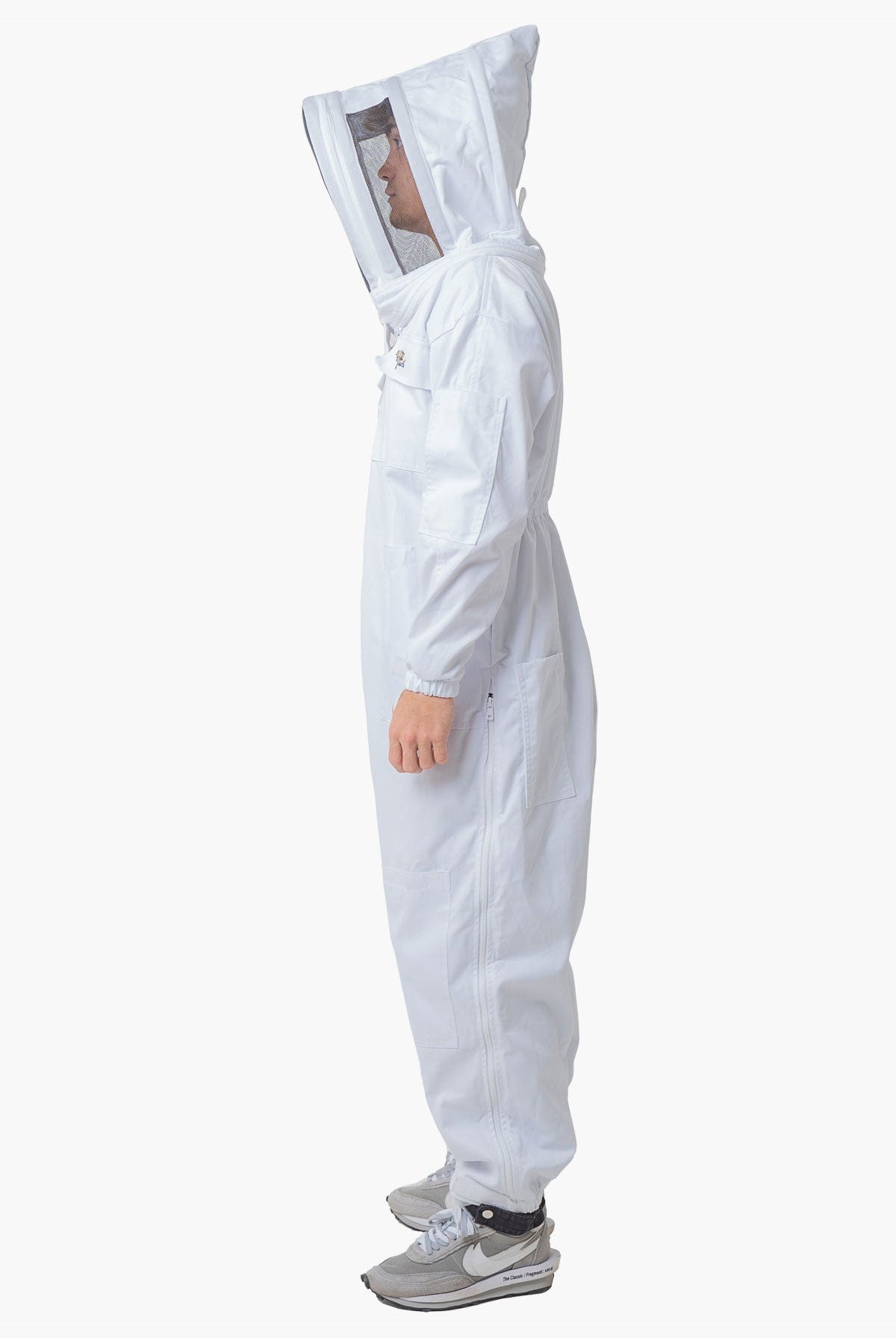
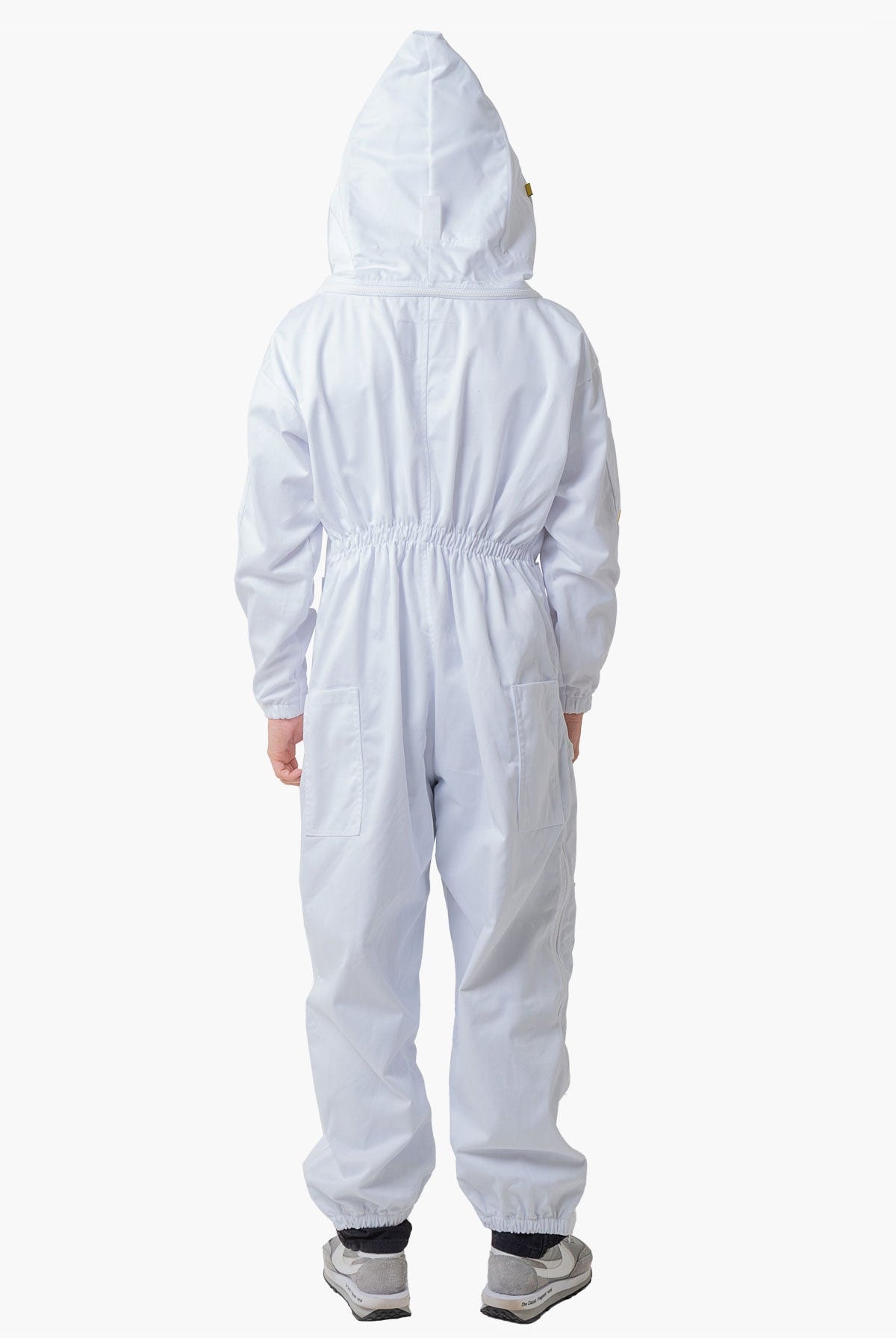
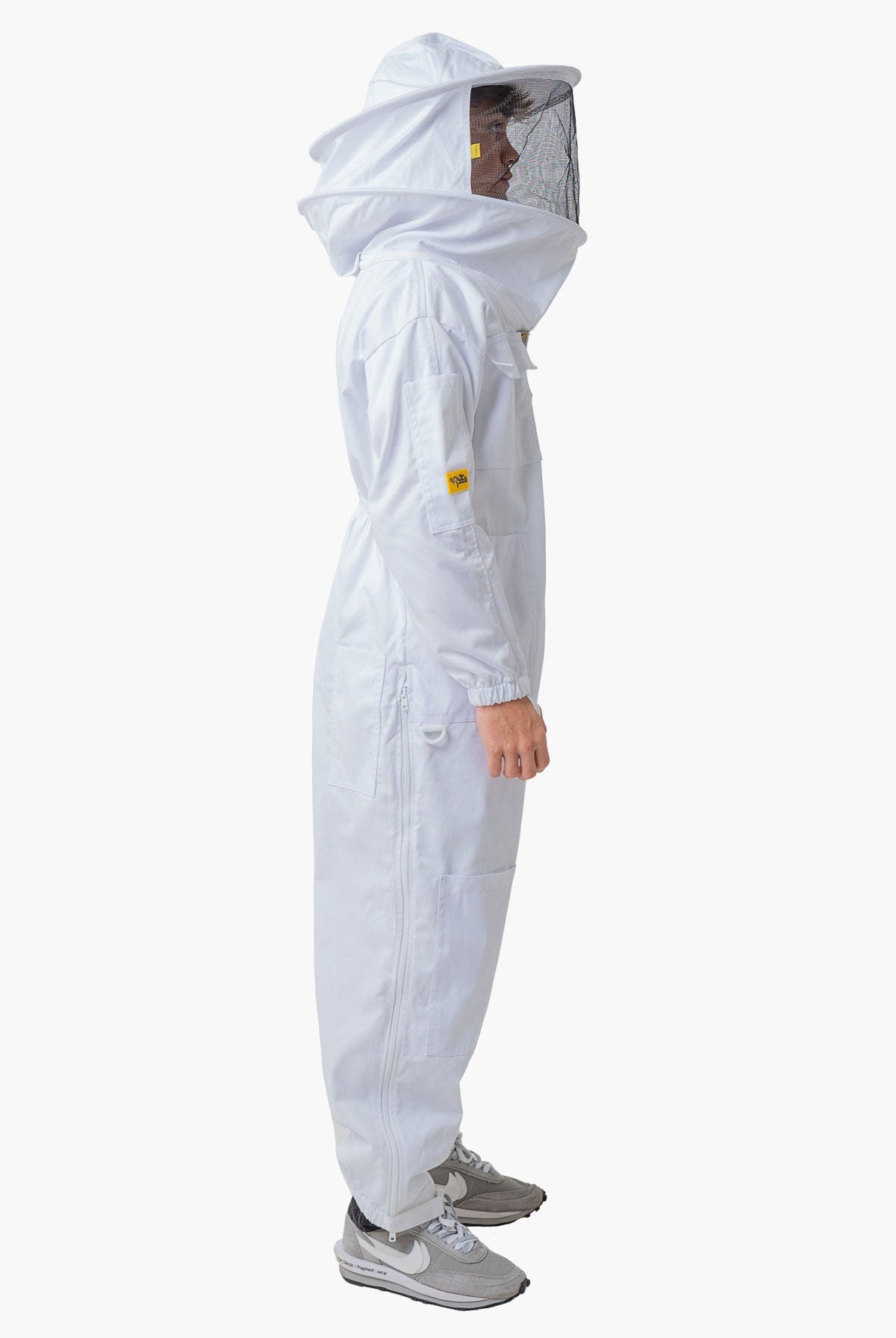
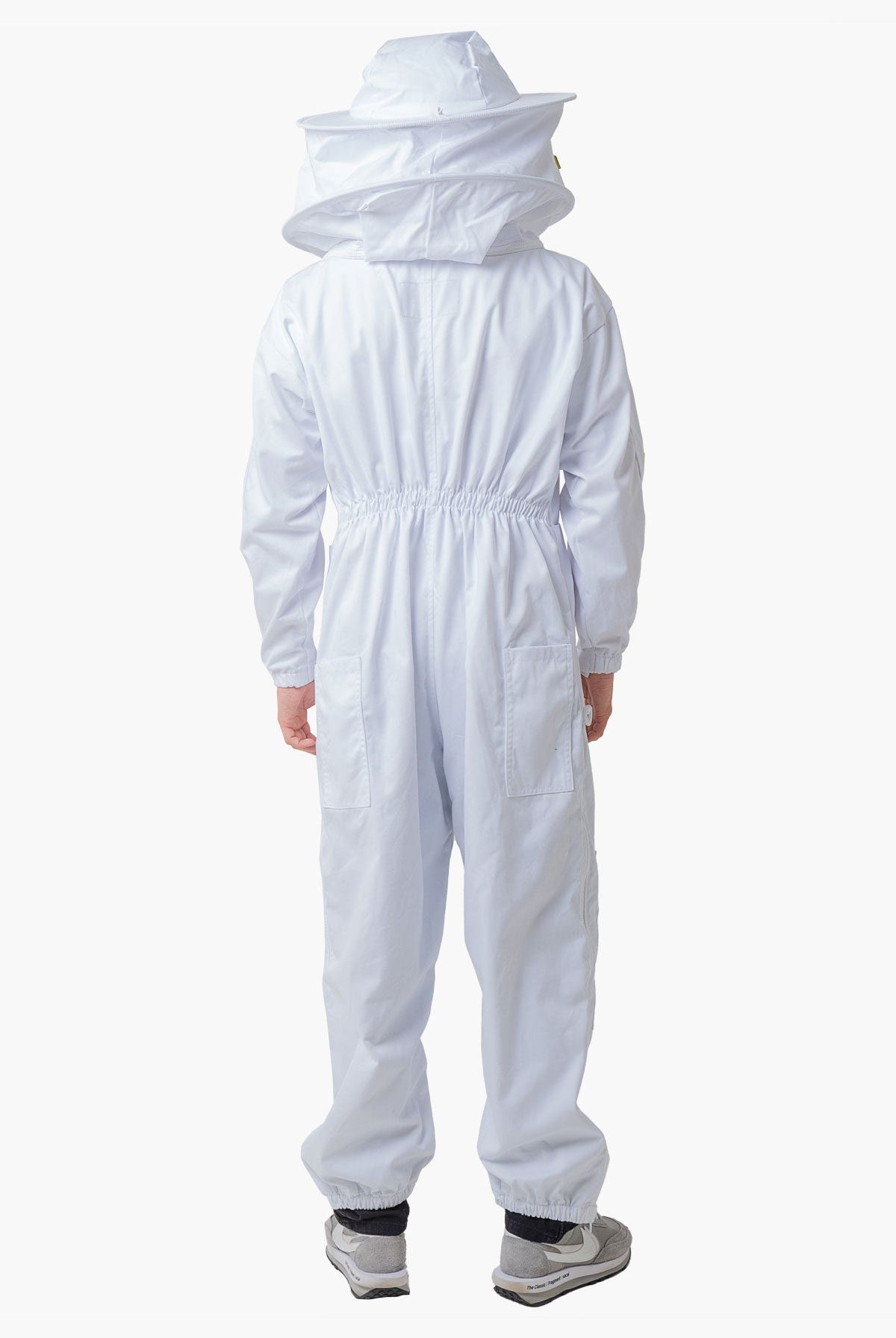
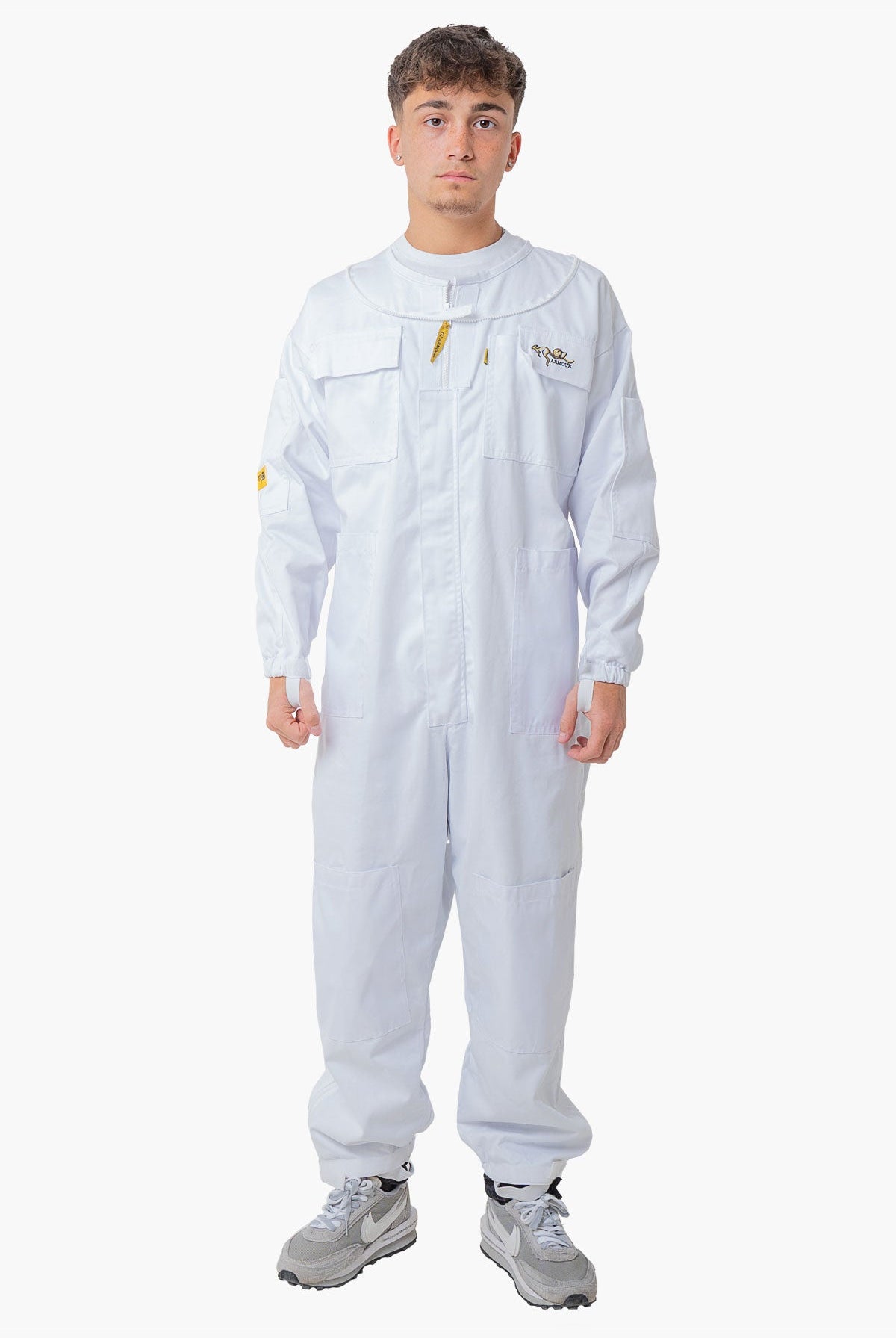
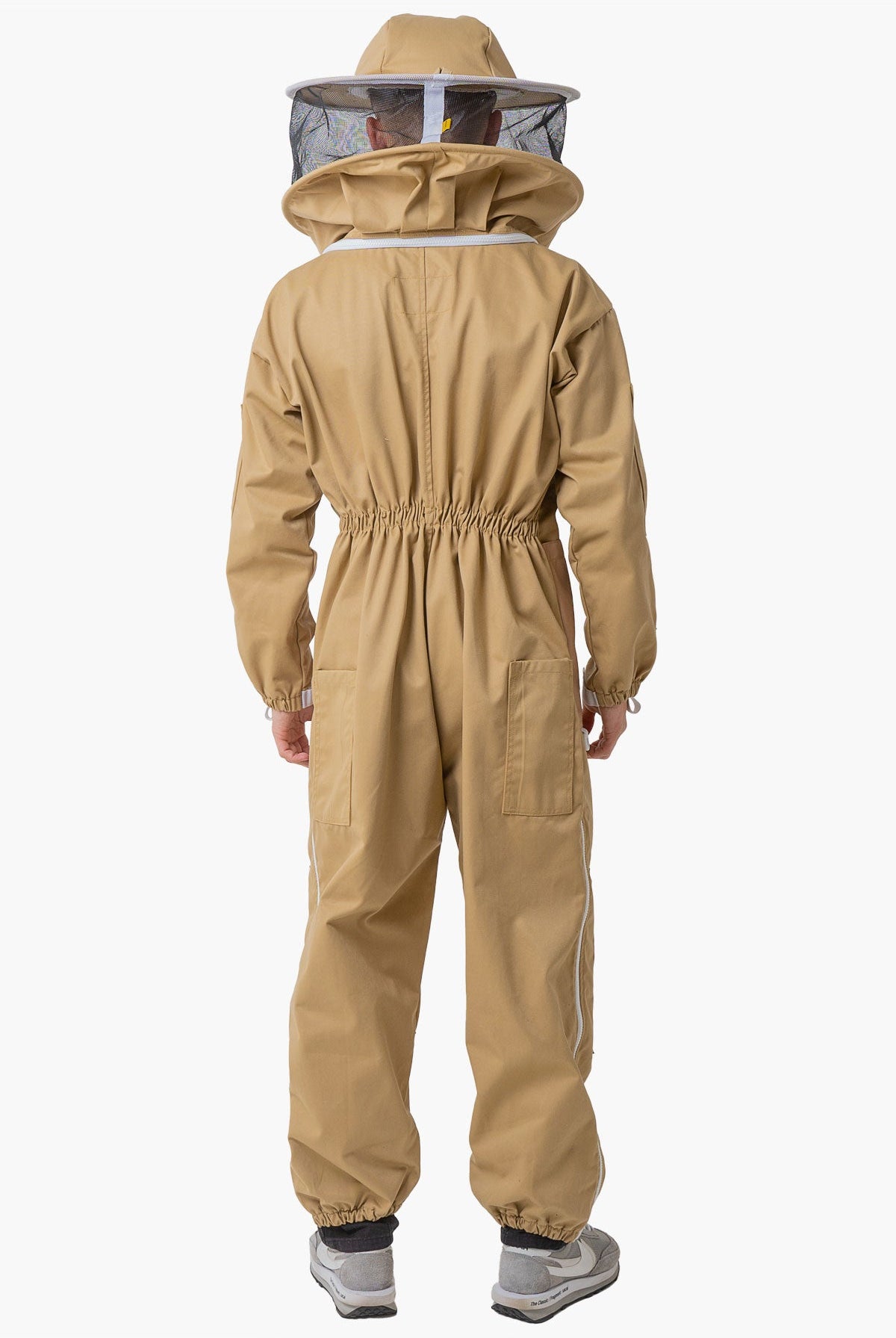
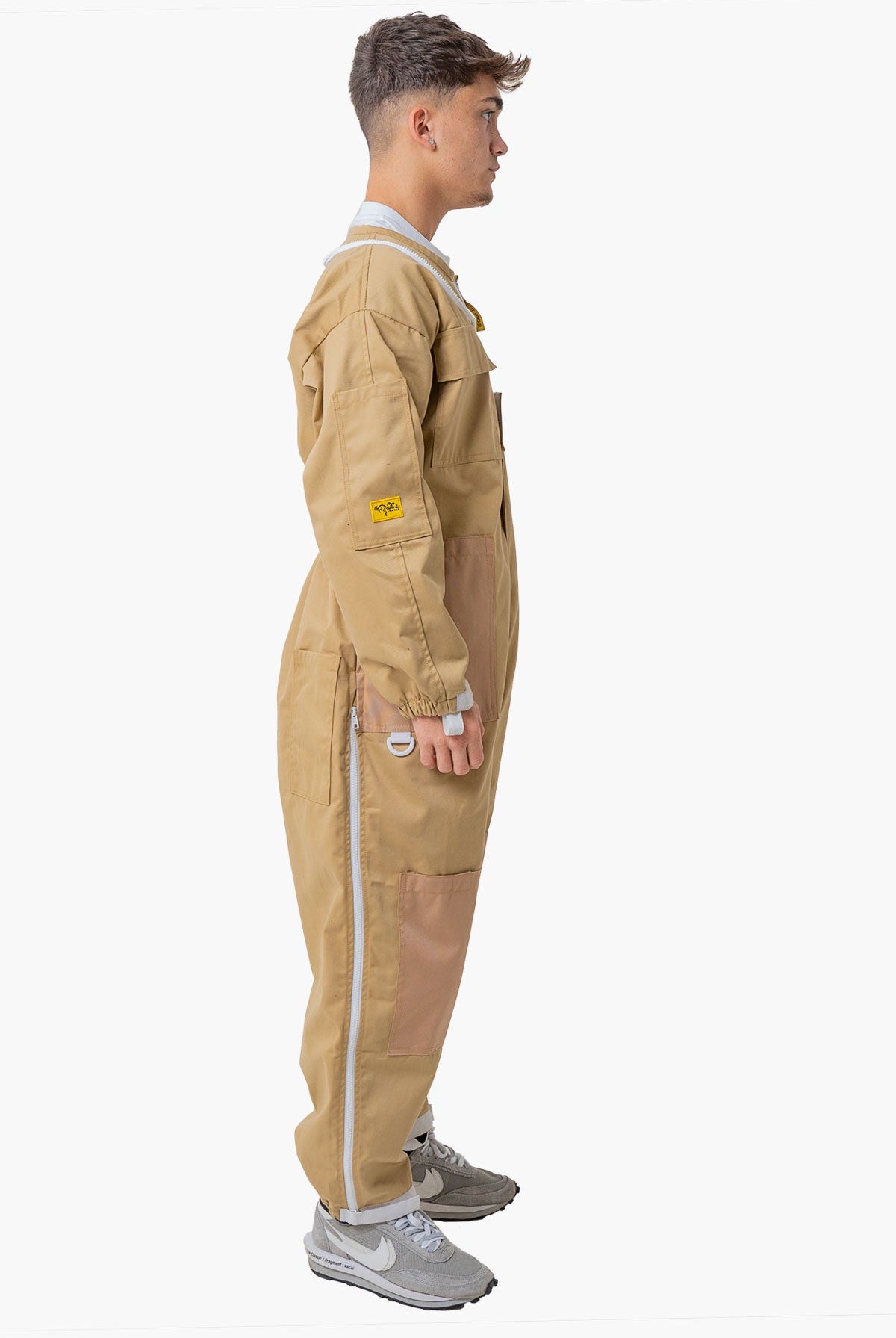
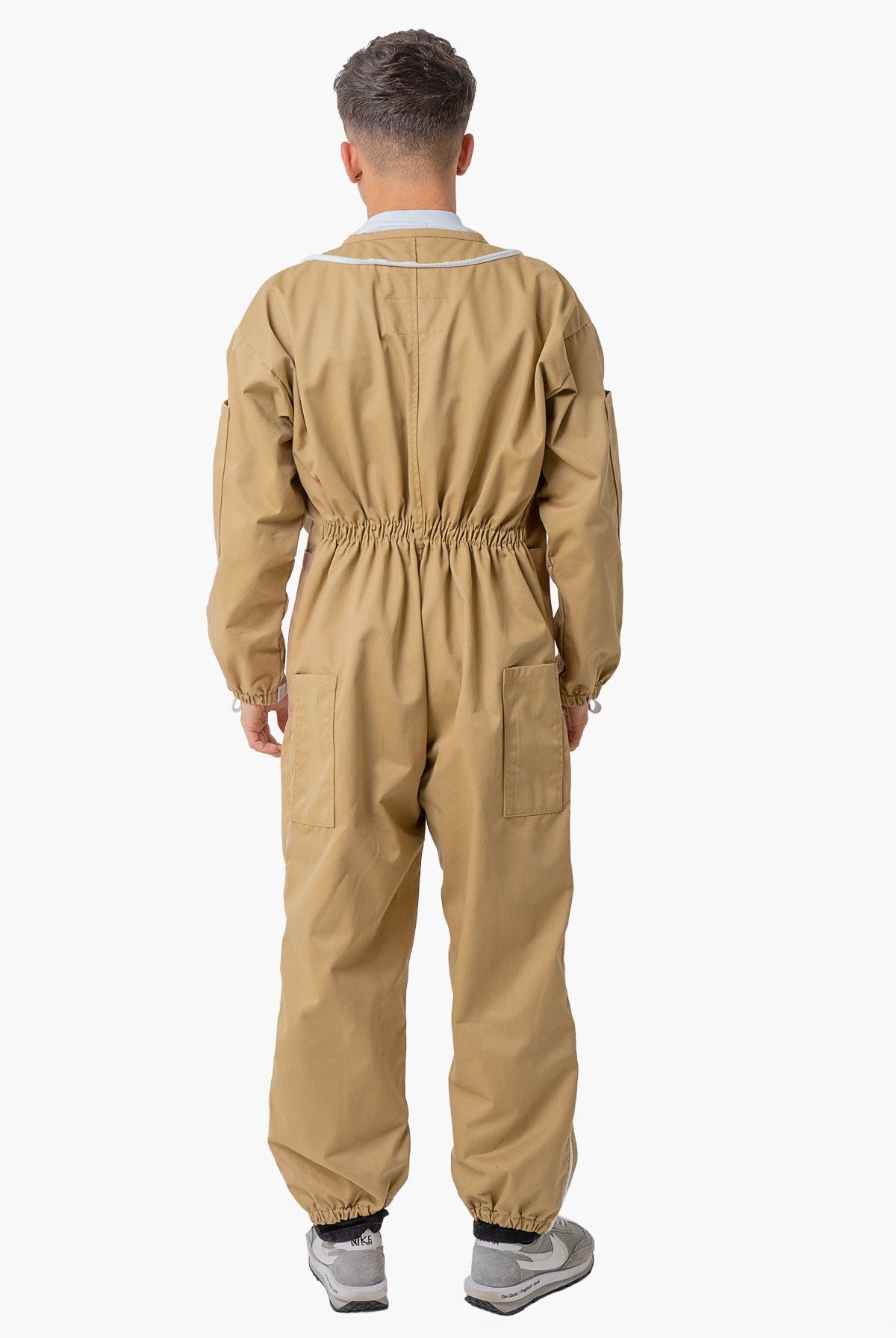
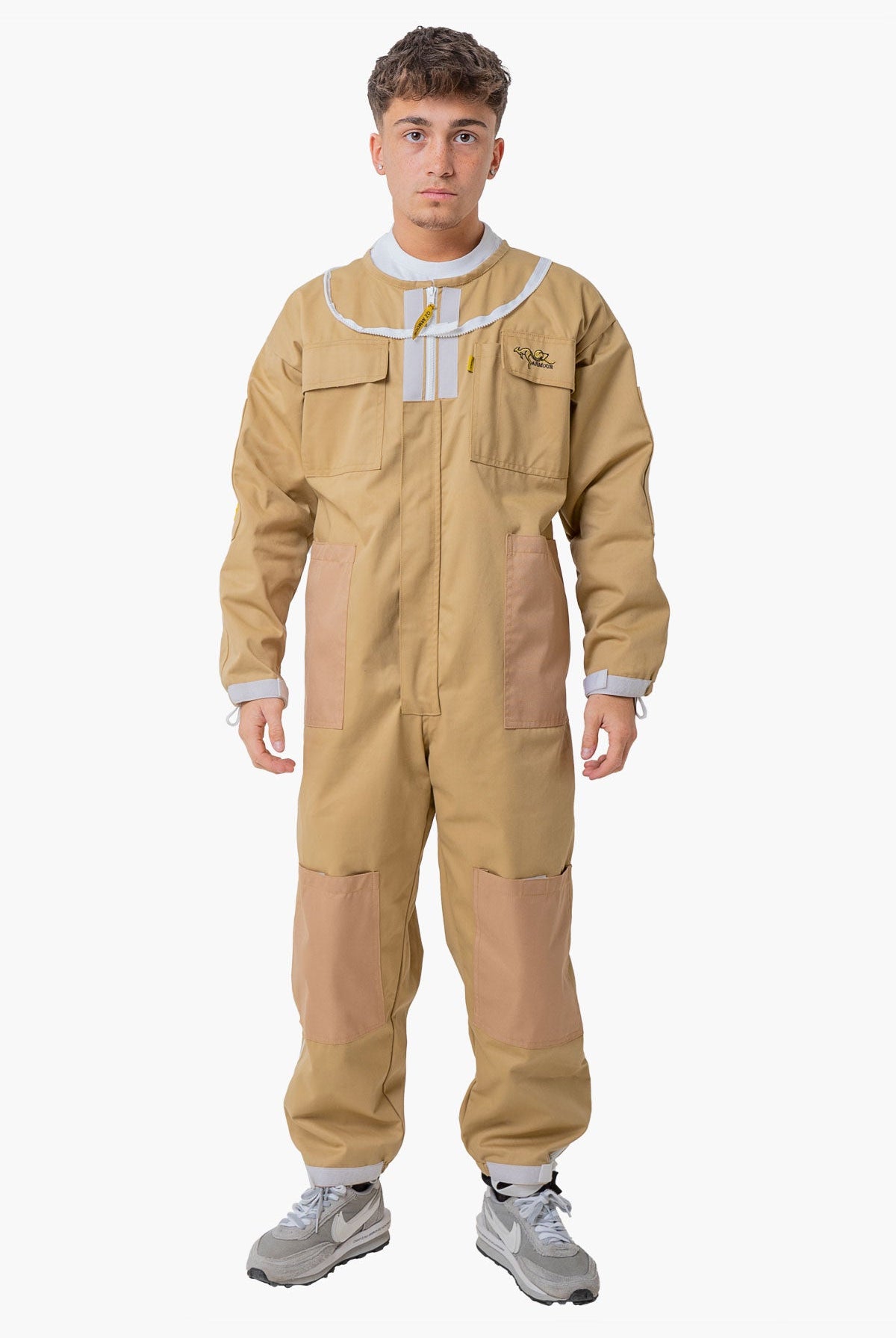
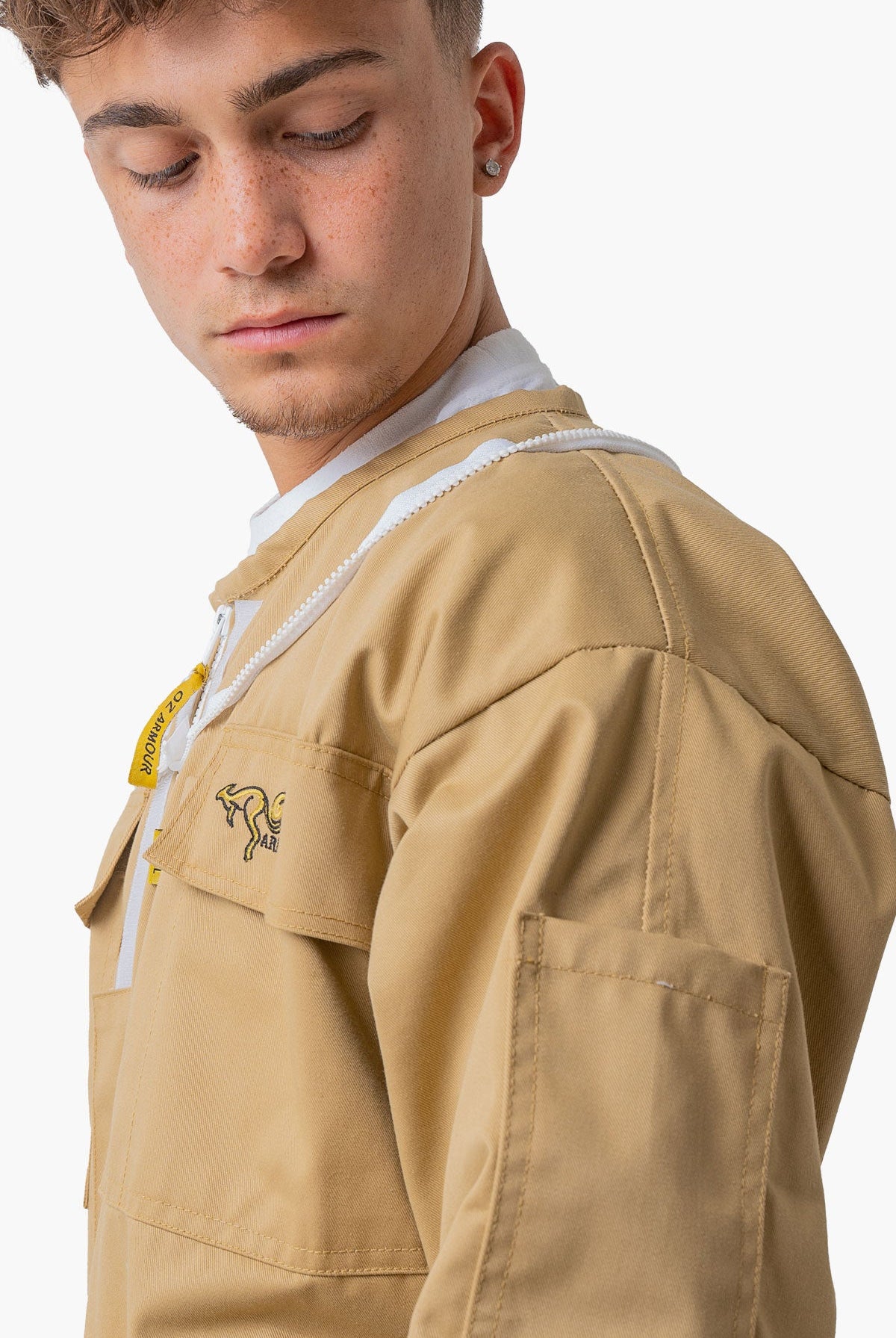
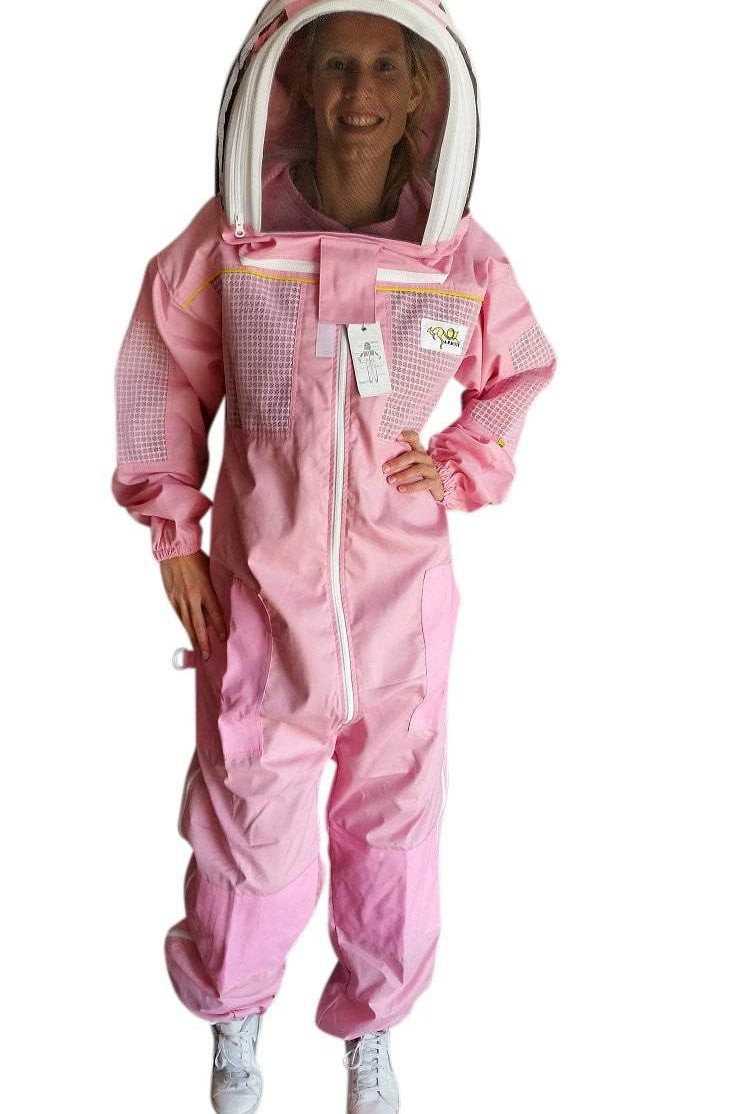
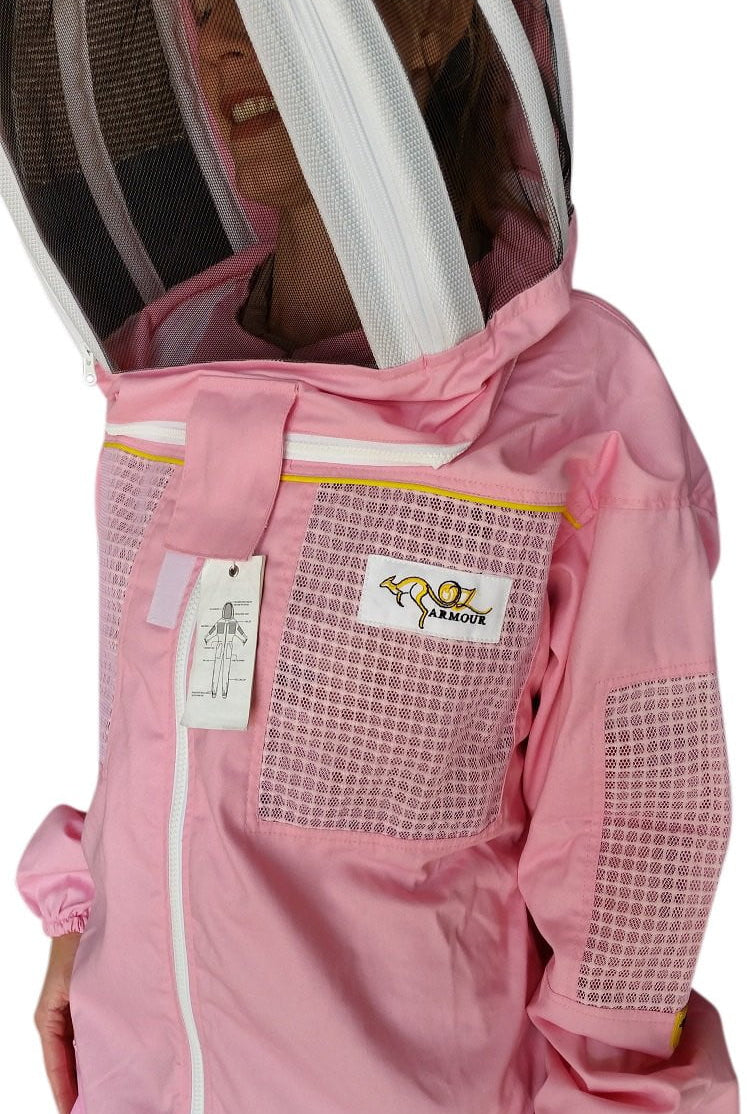
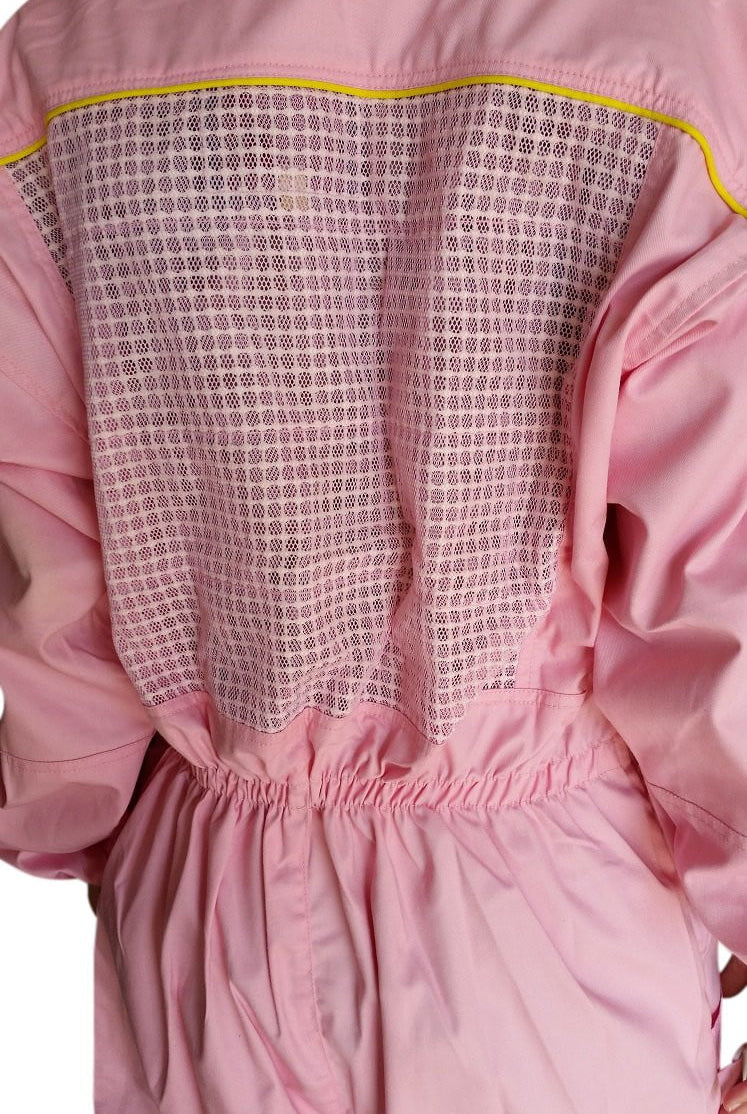
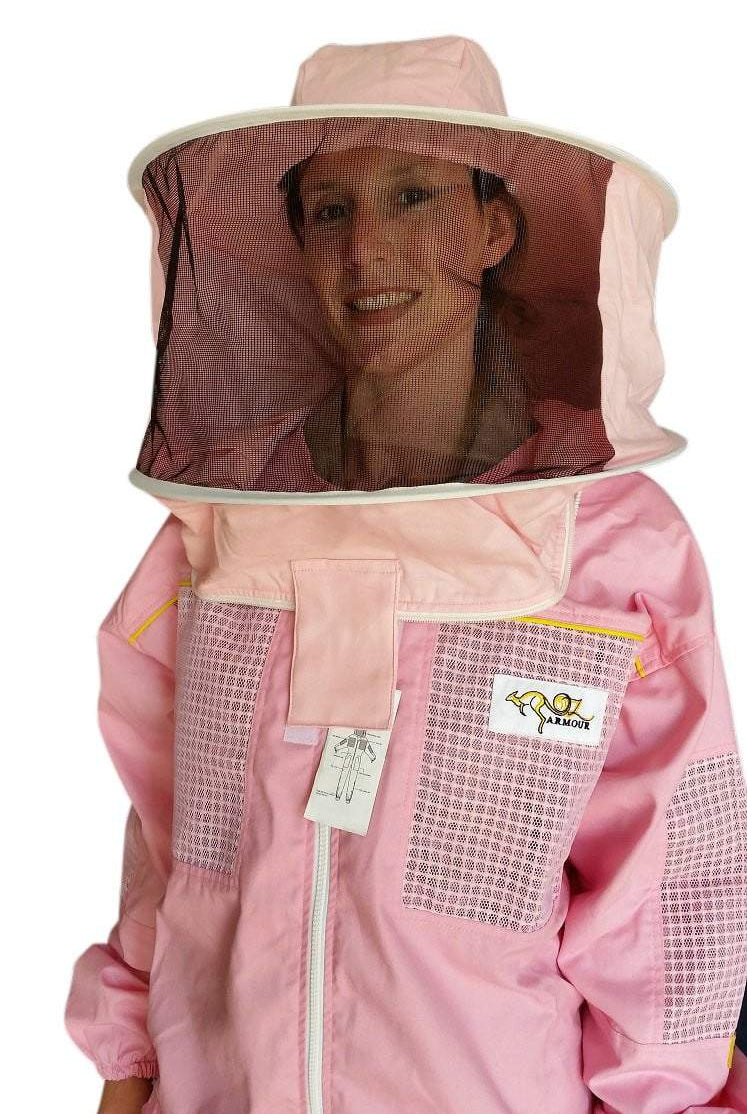
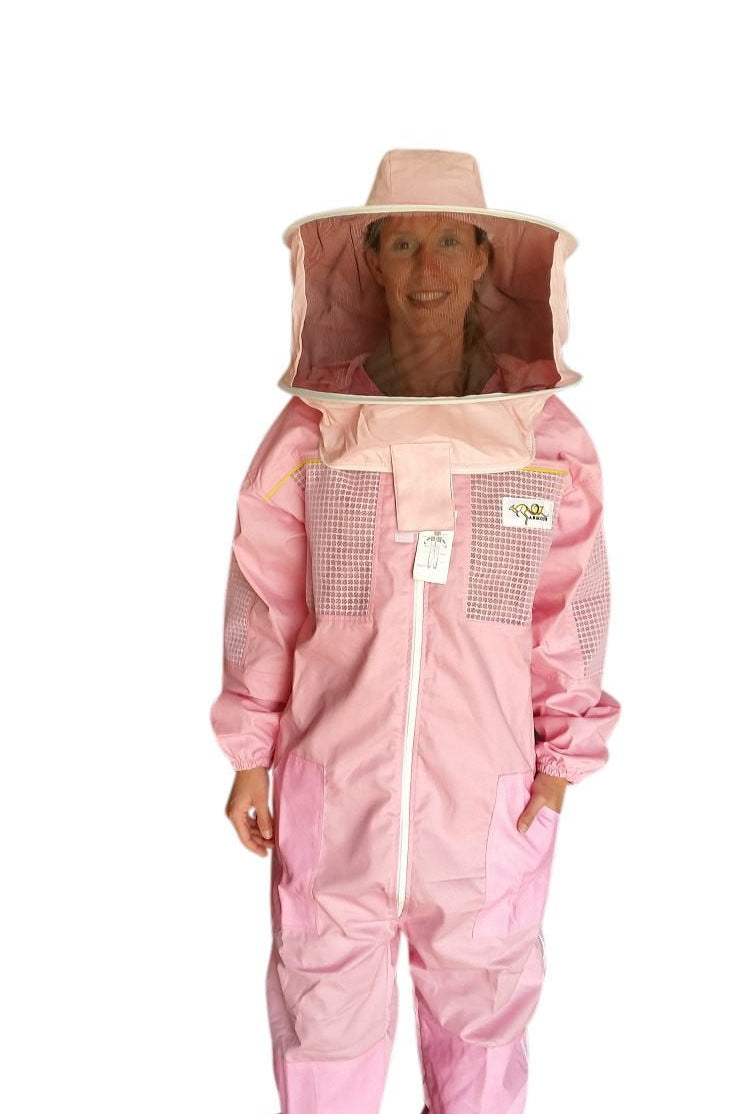
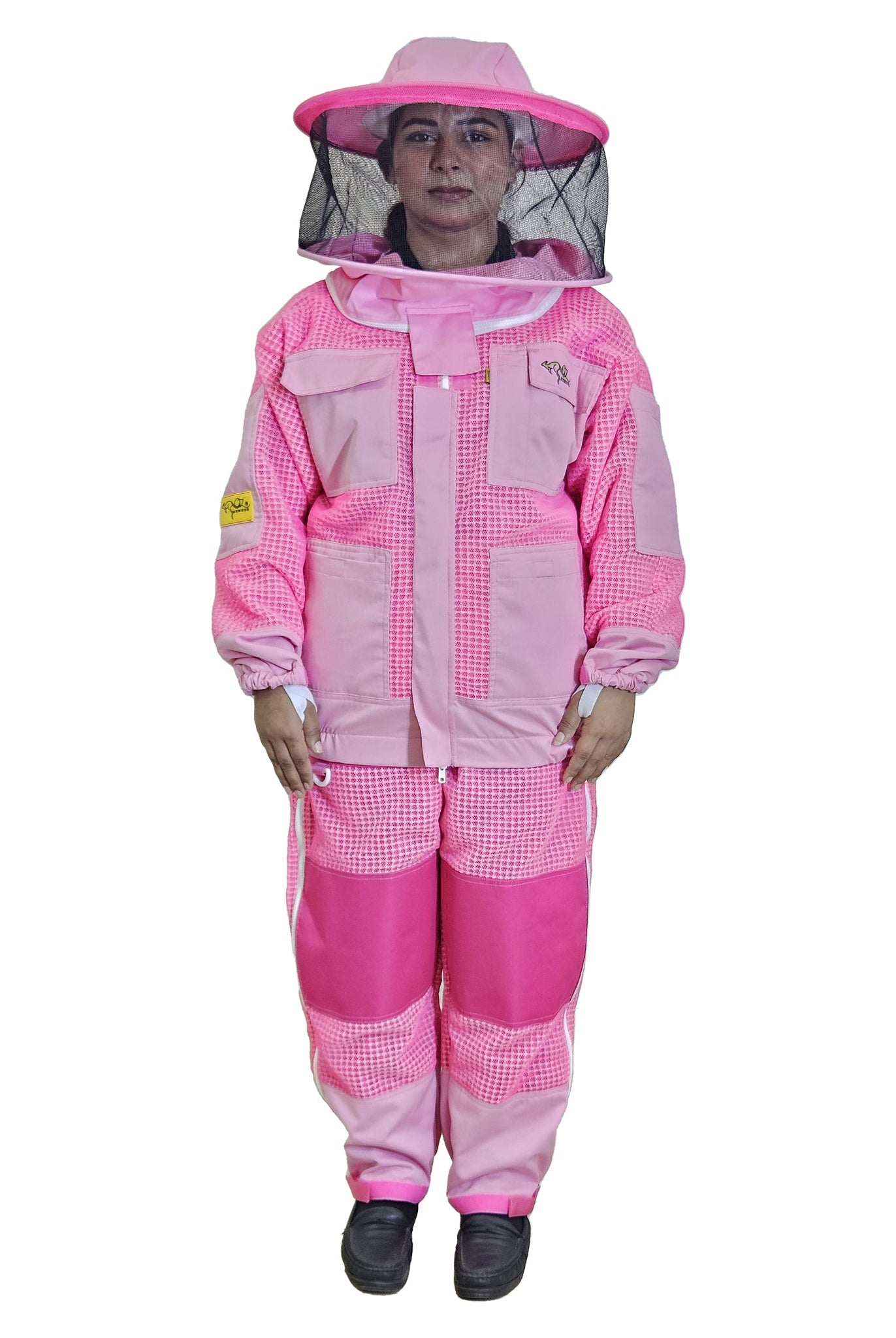
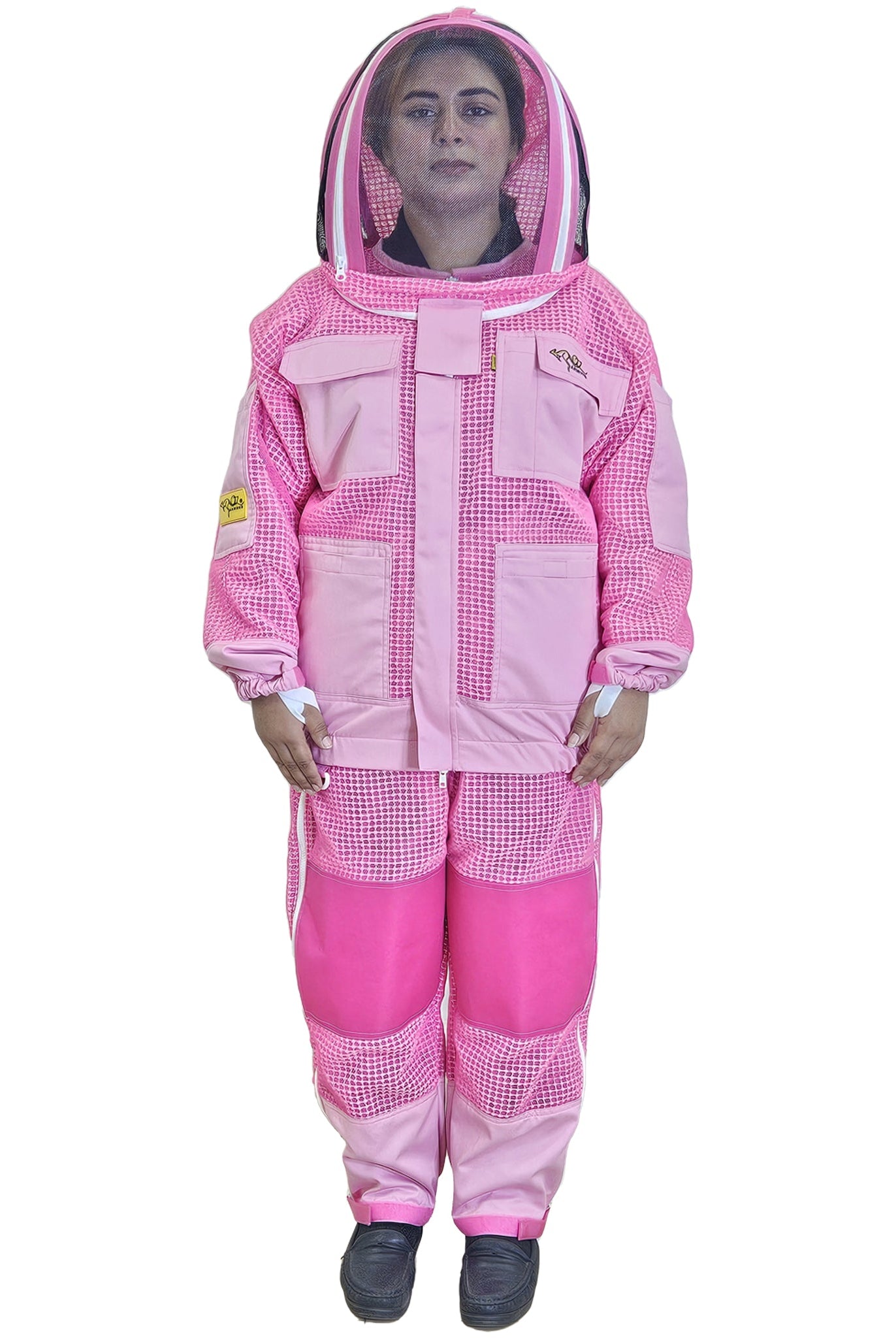
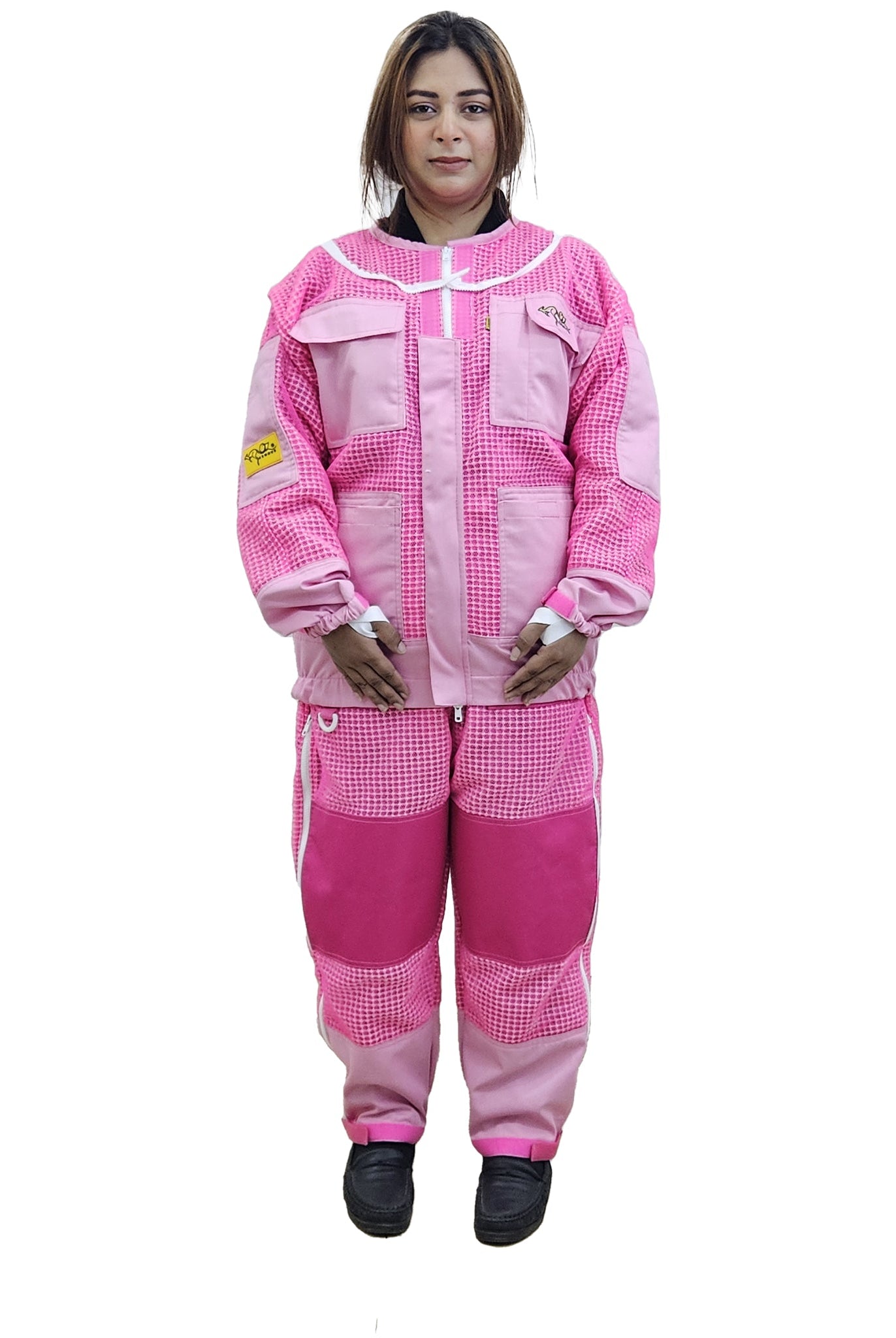
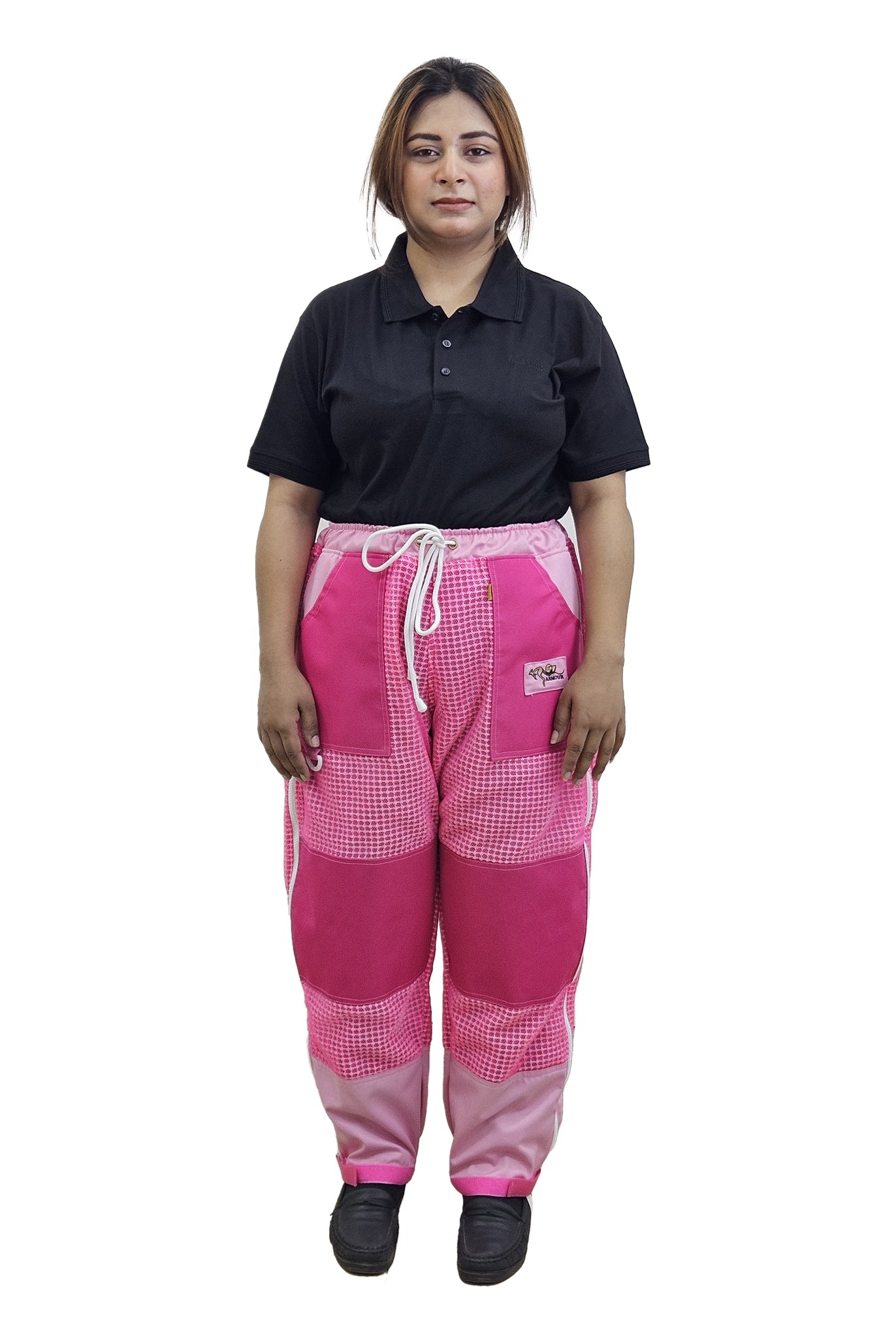
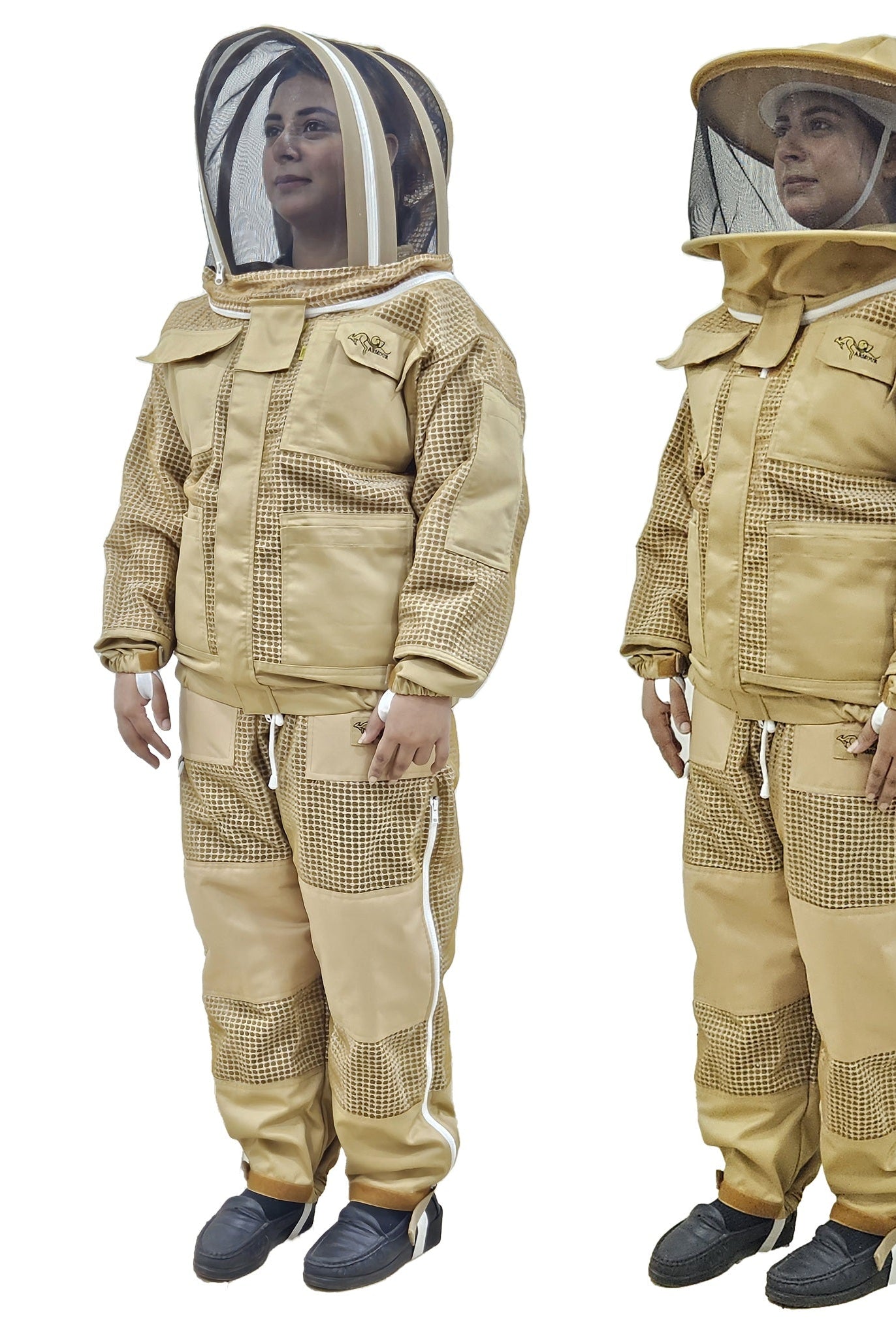
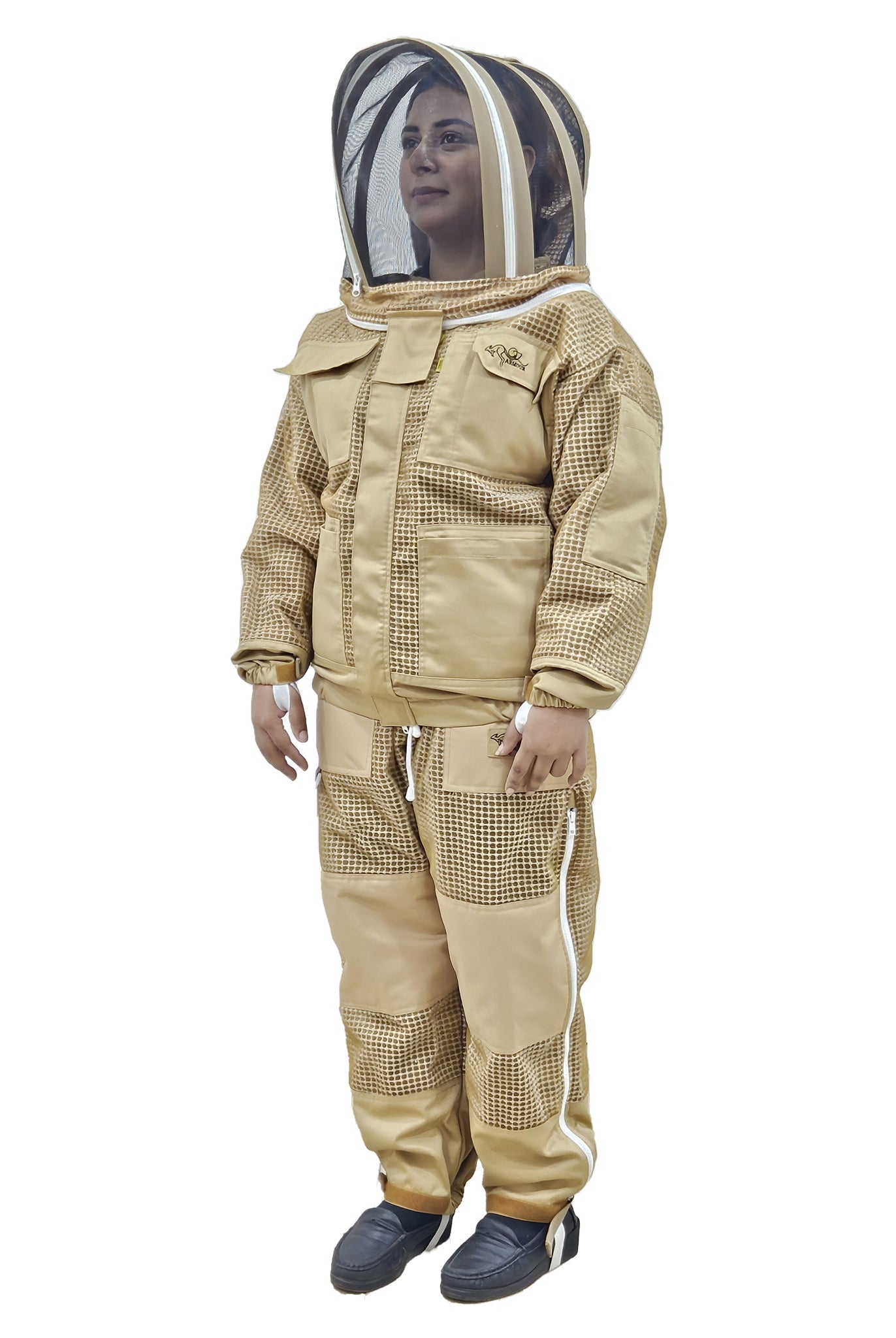
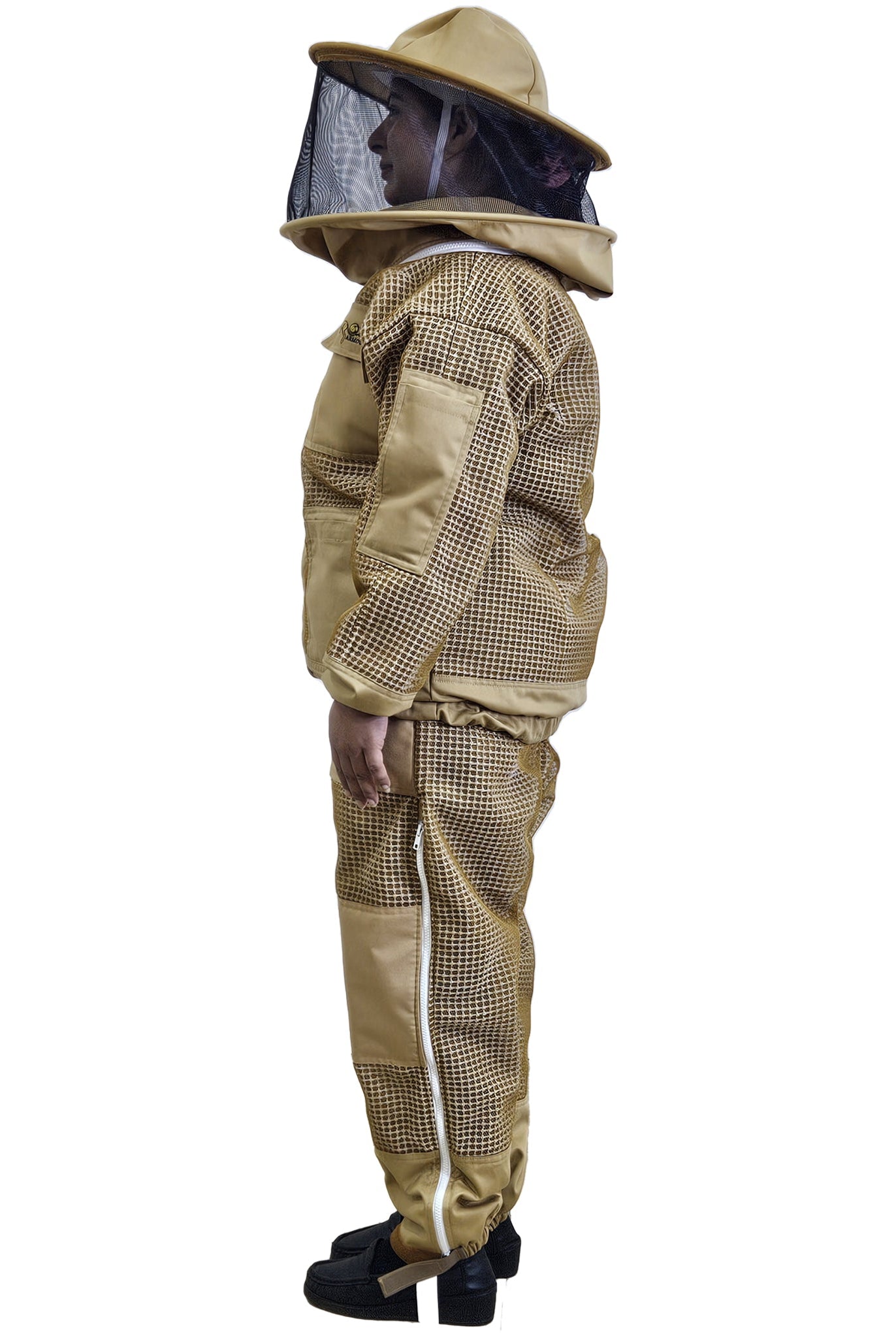
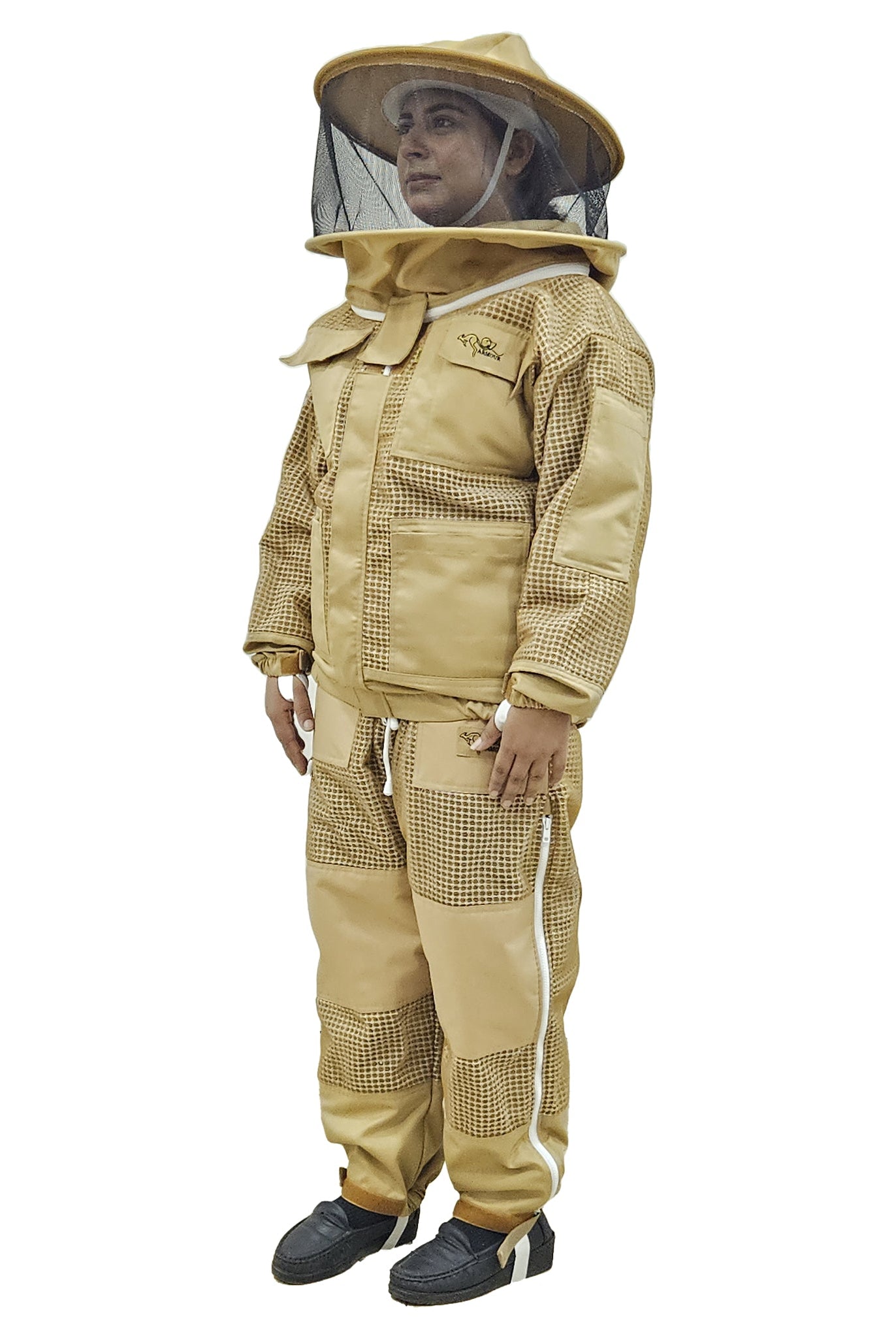
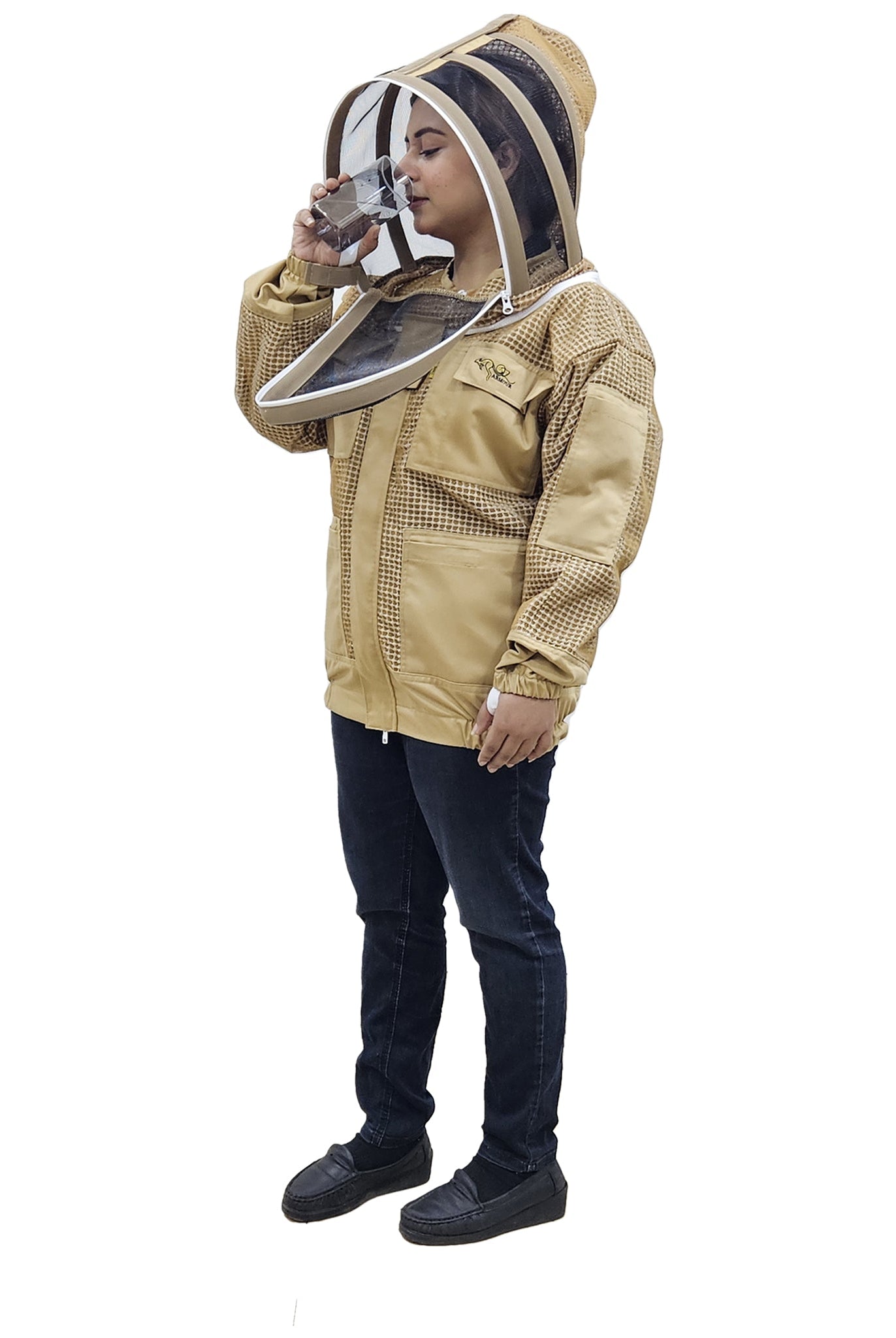
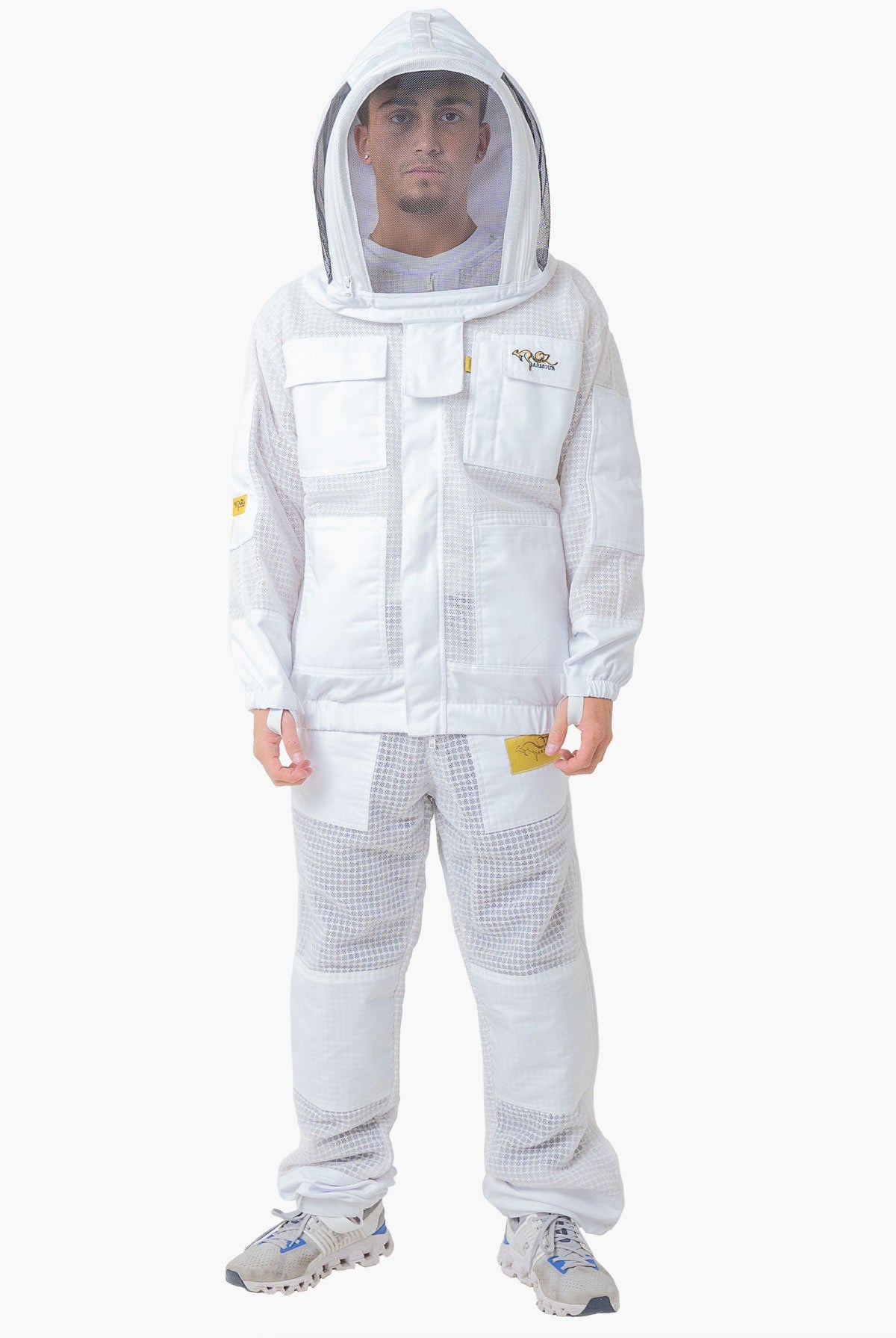
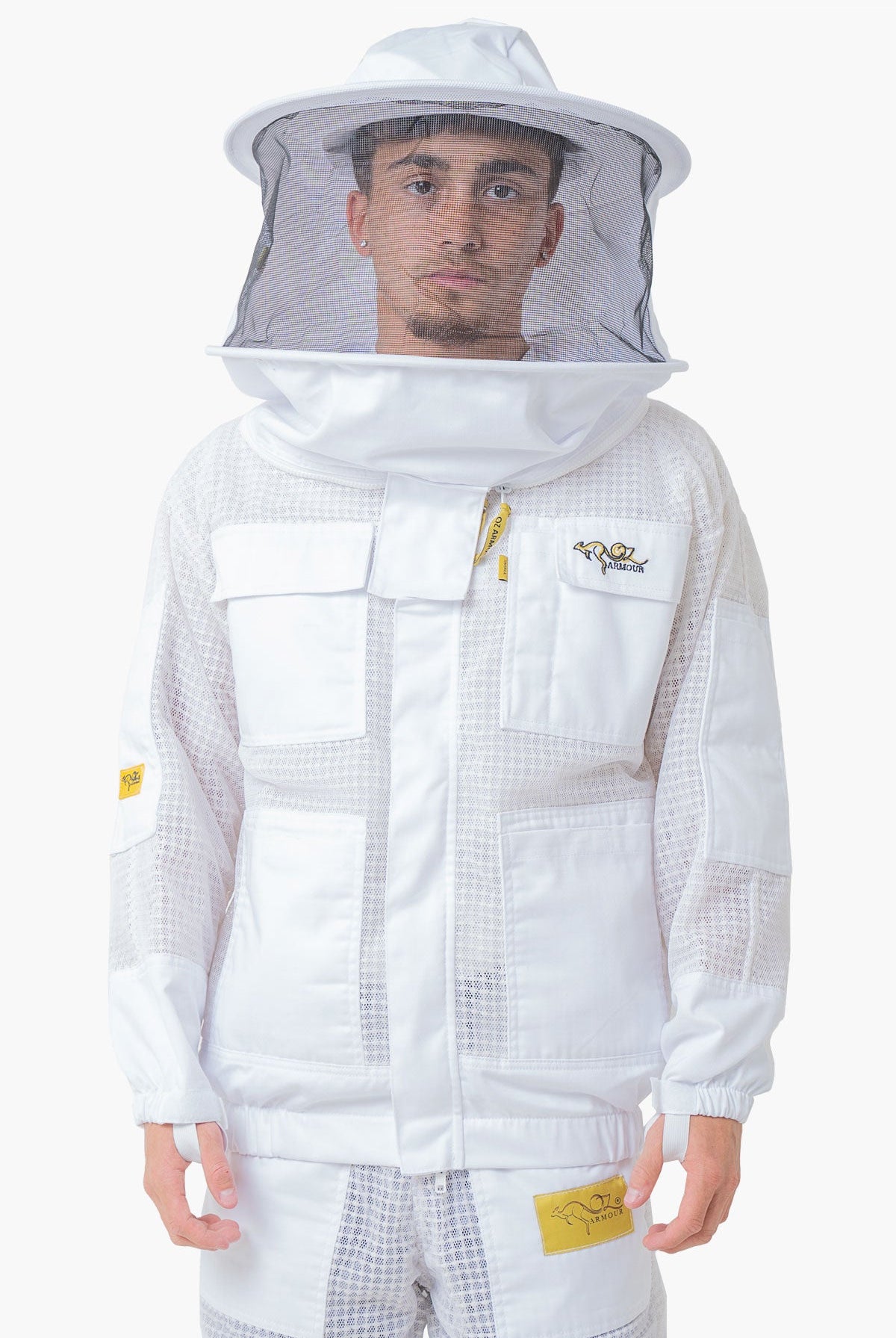
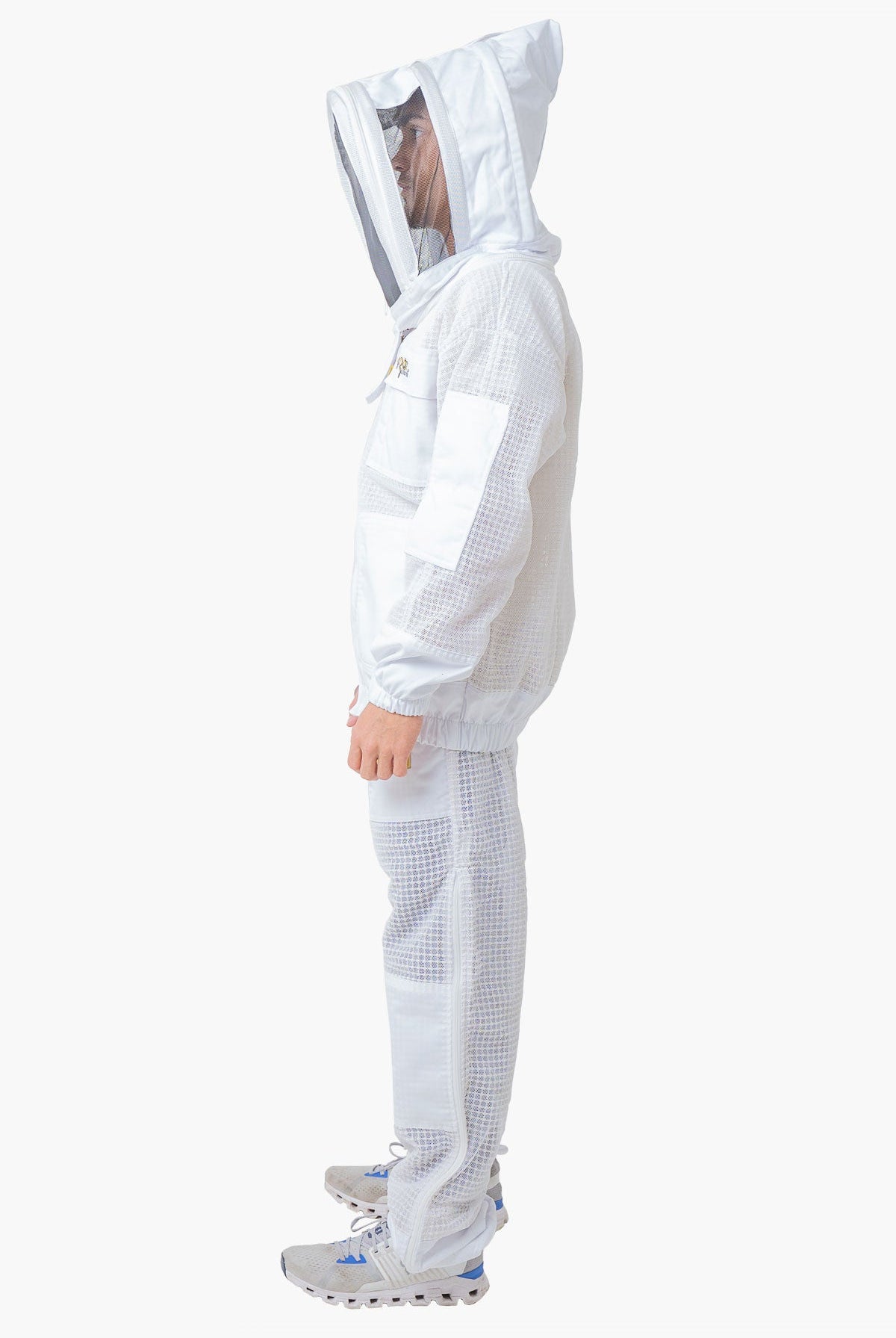
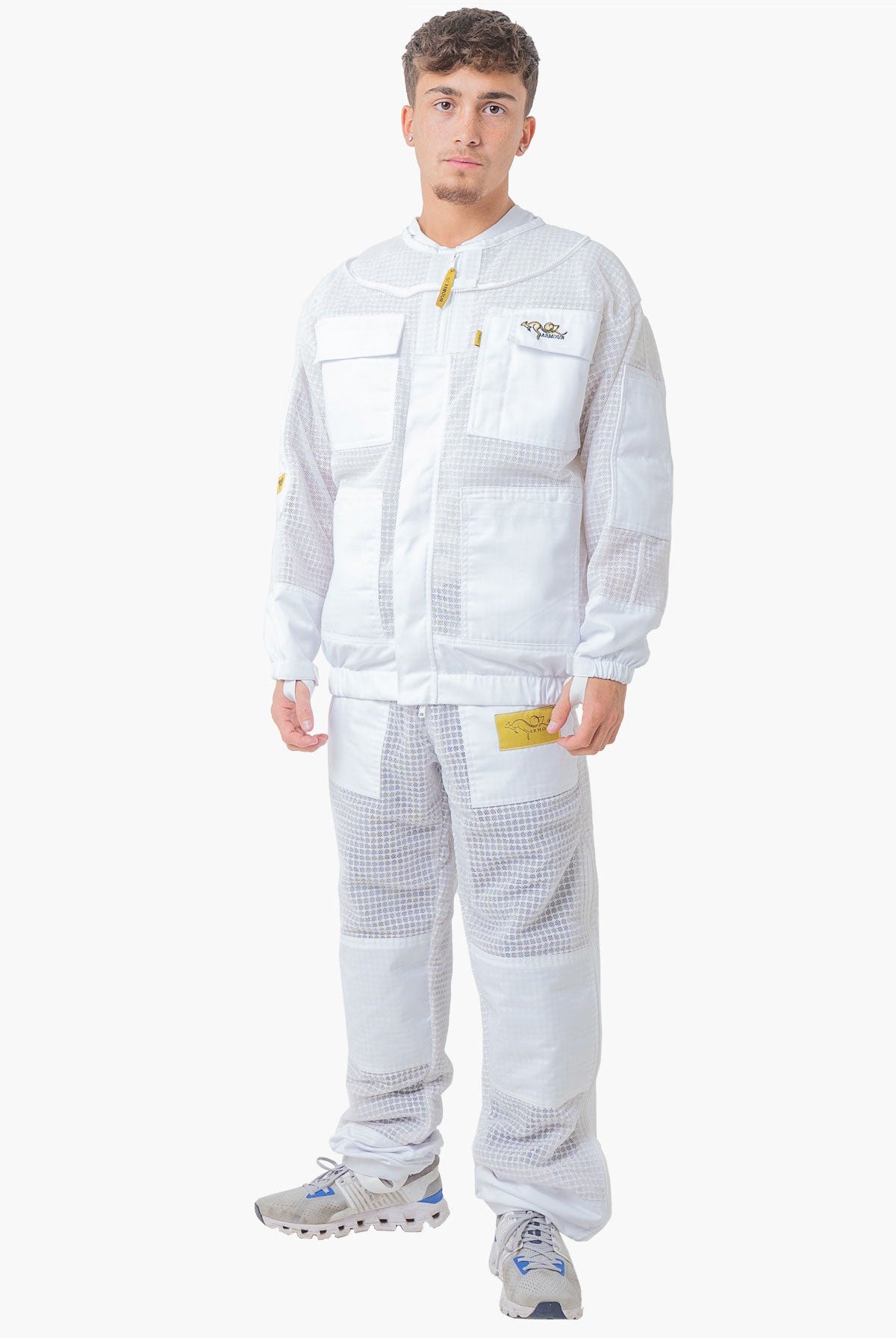
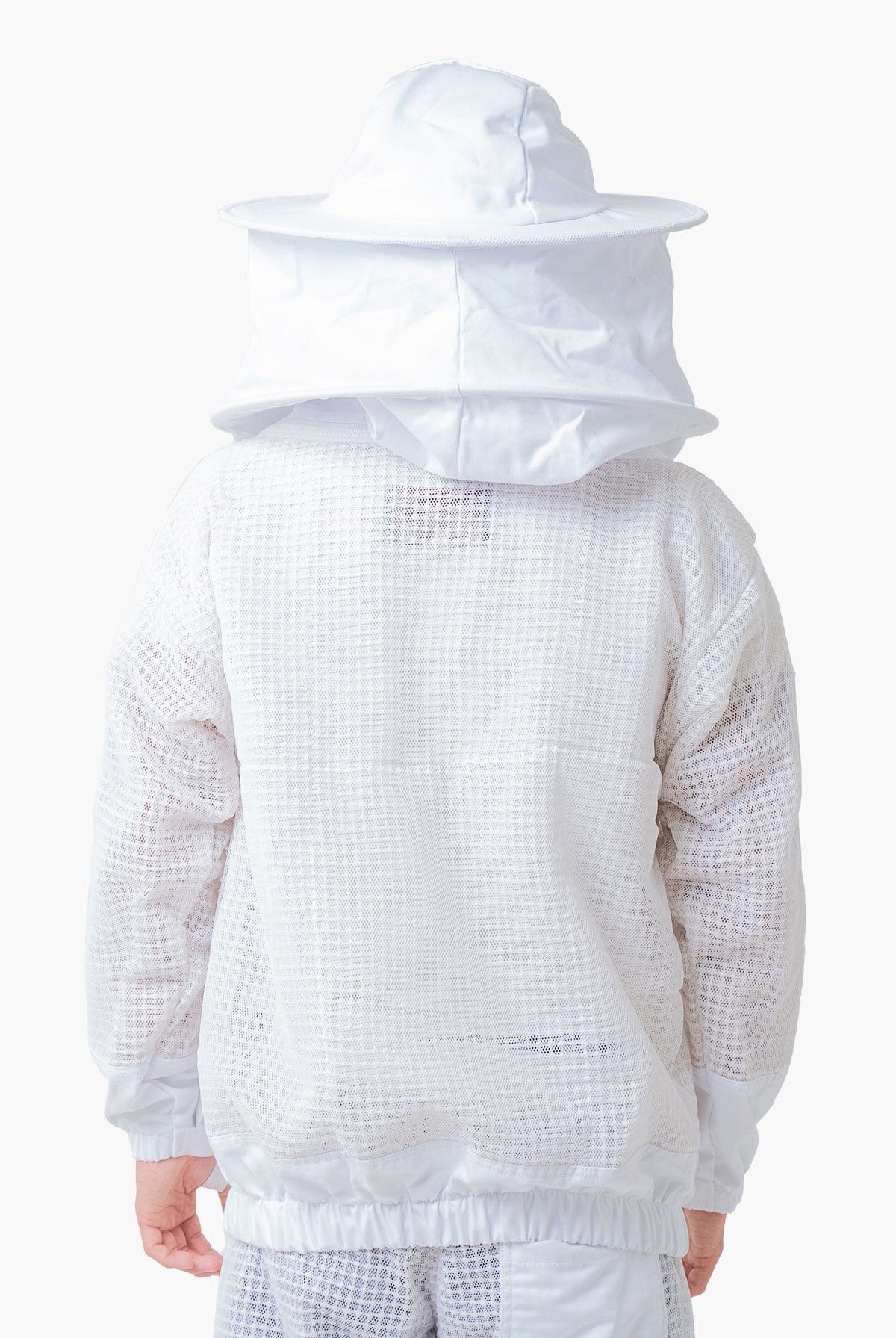
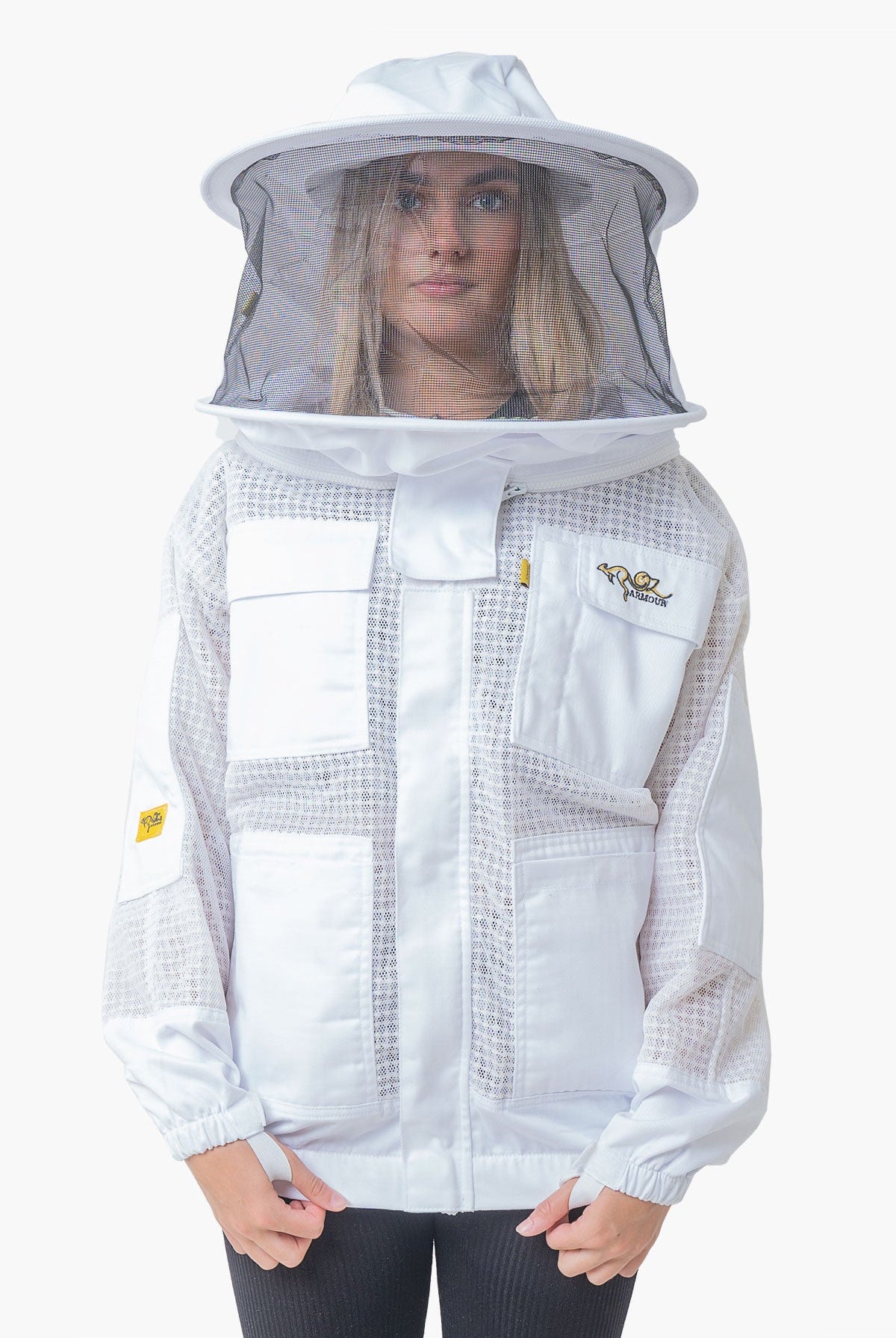
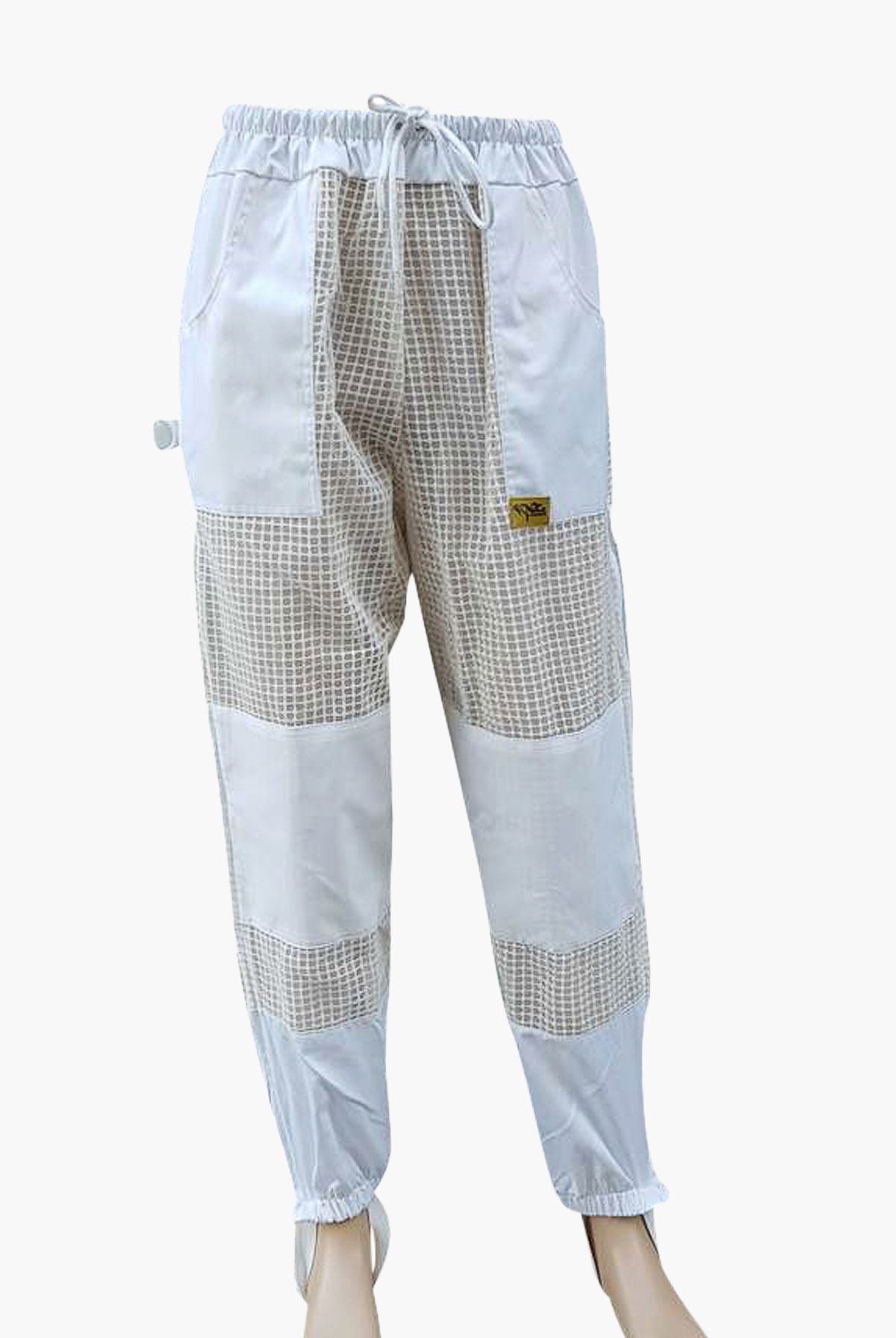
Beekeeping Suits – Protection, Comfort & Confidence for Every Beekeeper
Working with bees is rewarding, but it also brings challenges that every beekeeper eventually faces — sudden colony mood changes, unpredictable weather, overheating during long inspections, and the constant risk of stings. A well-designed beekeeping suit isn’t just gear; it’s the difference between a smooth inspection and a stressful experience.
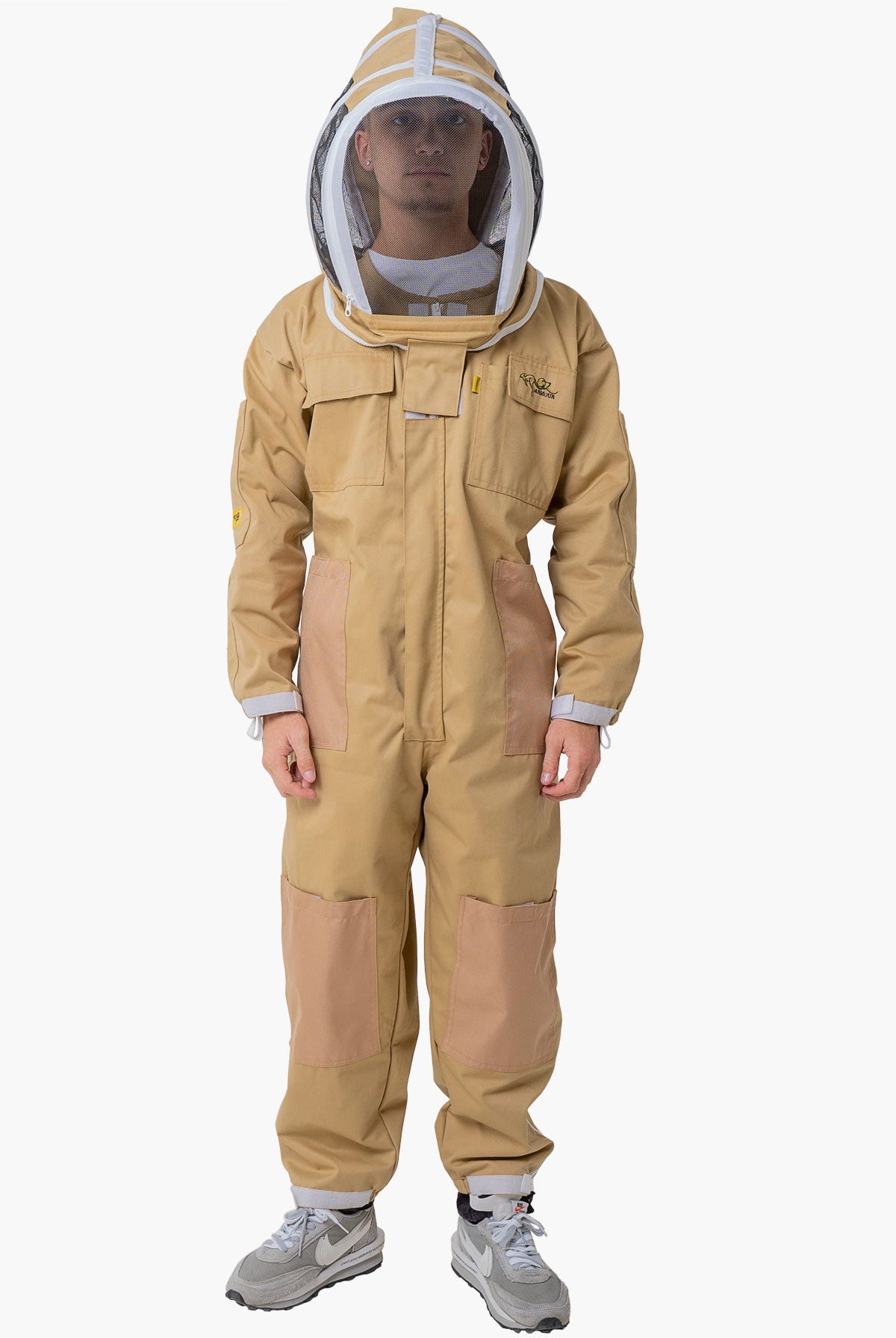
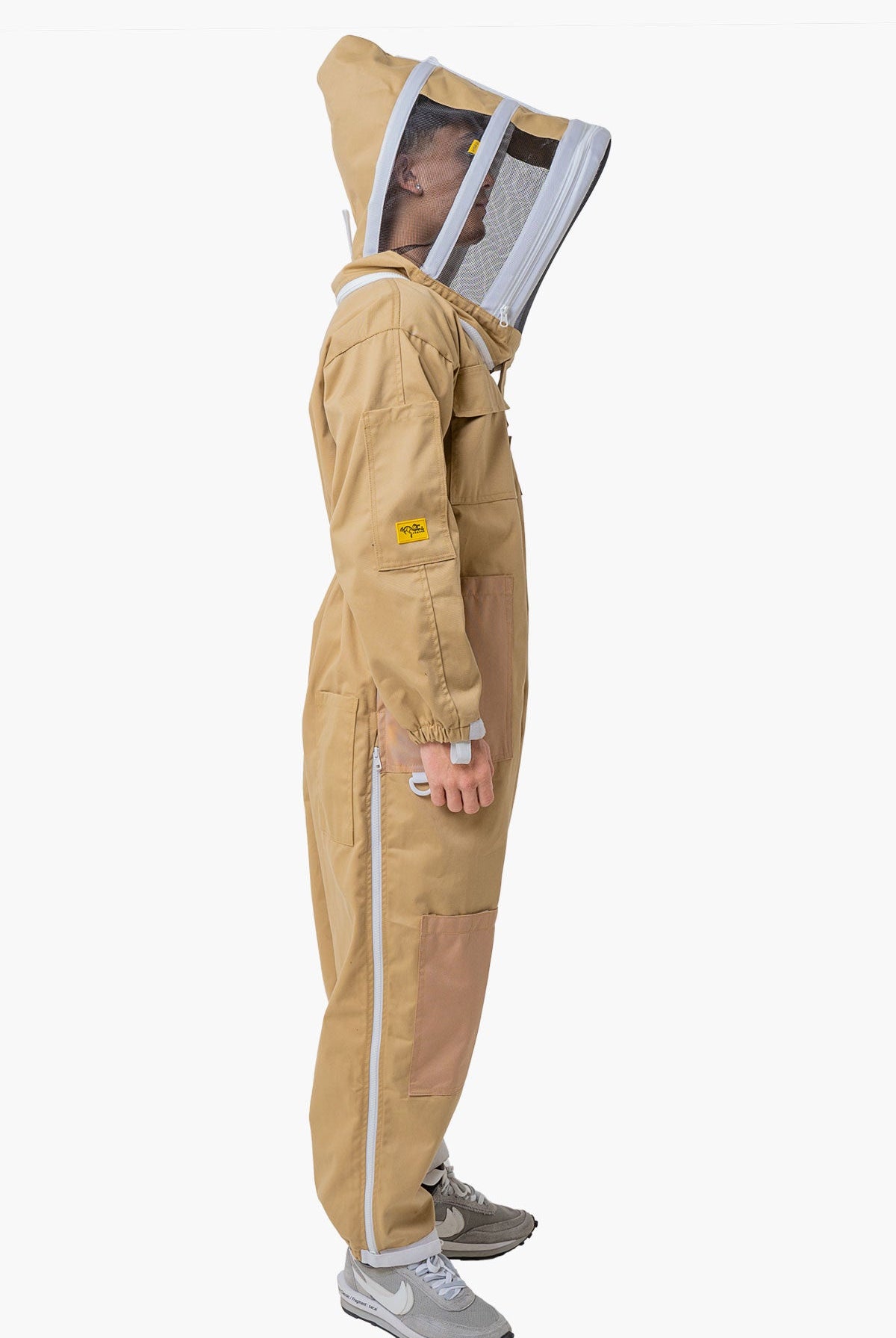
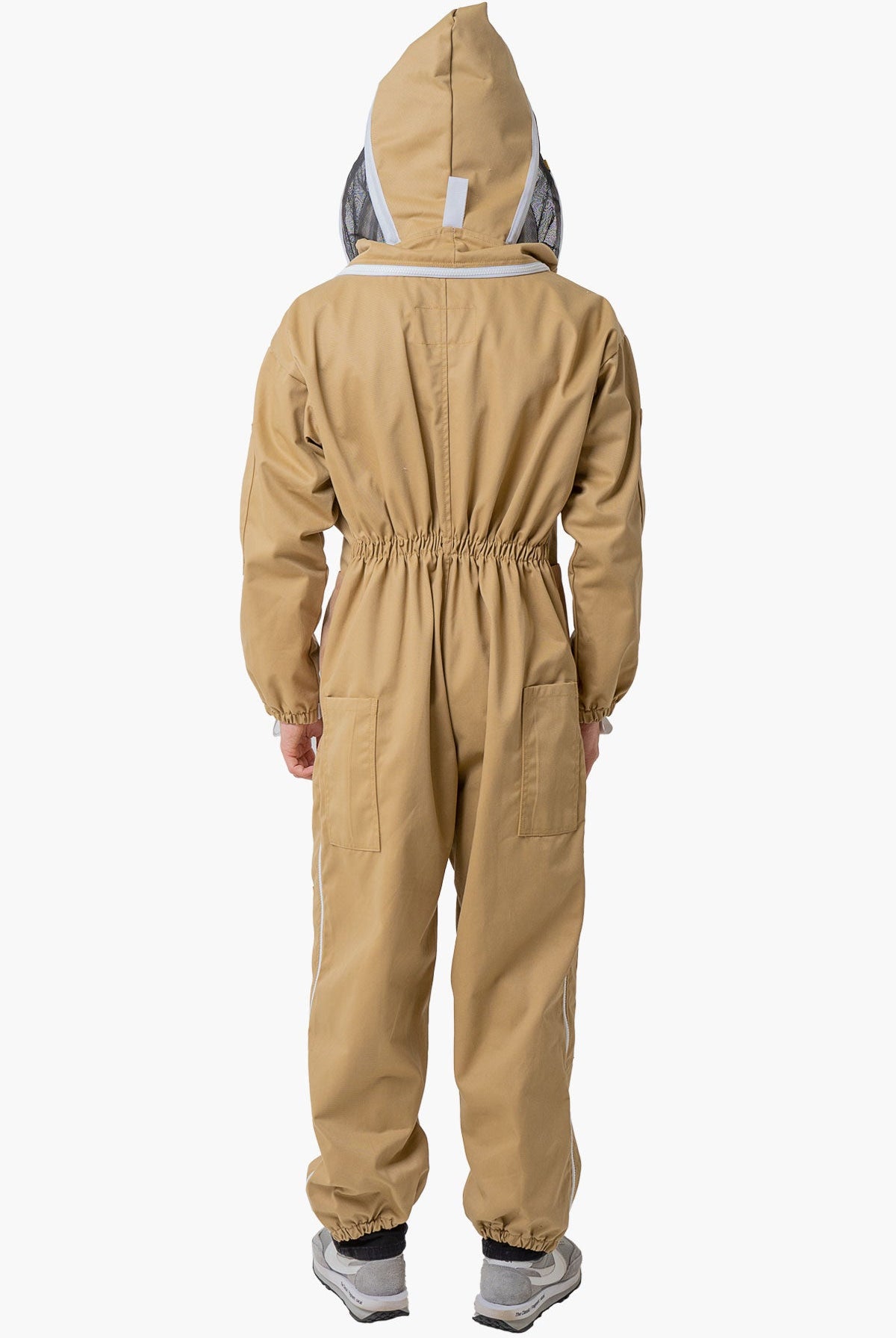
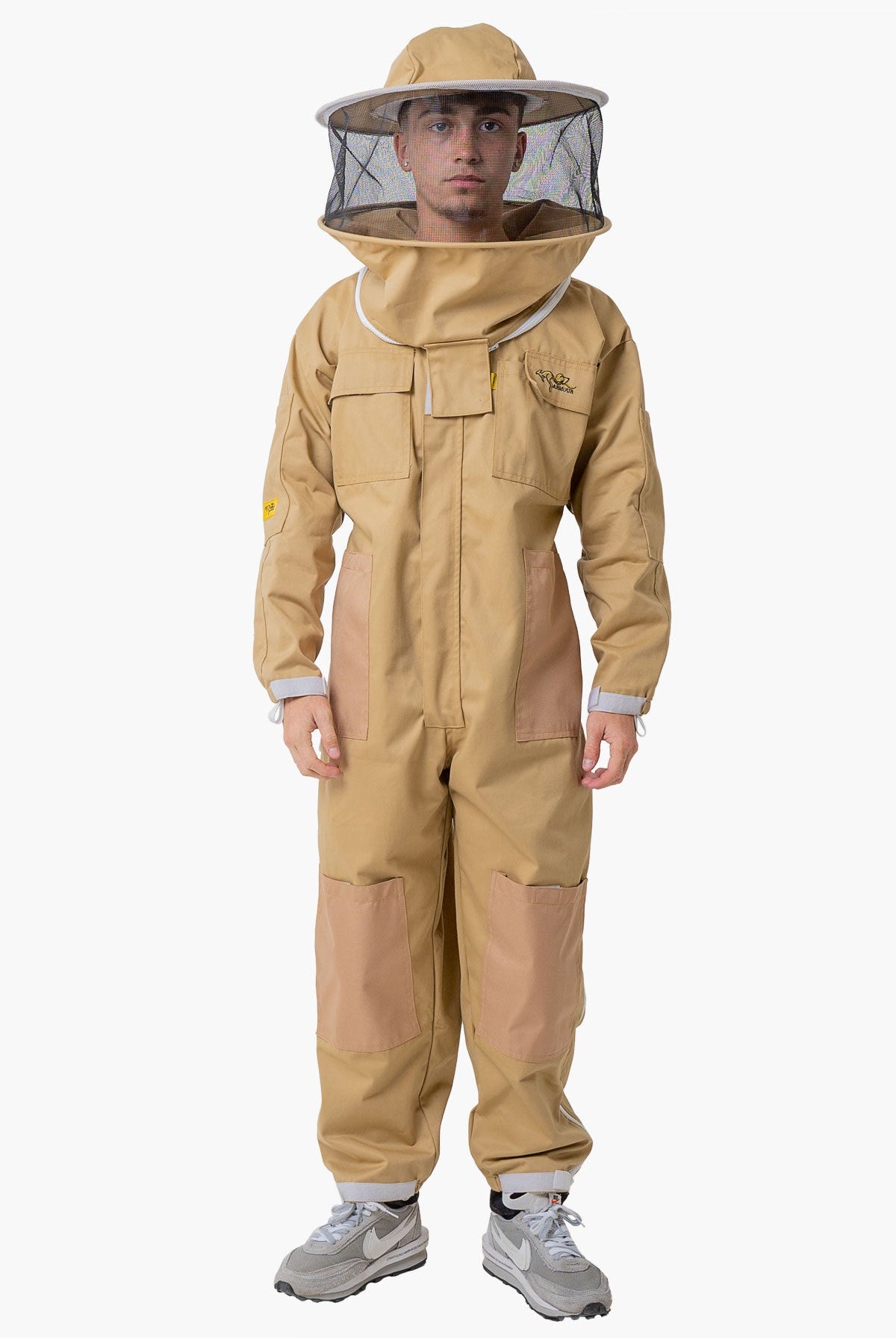
This collection of UK-ready beekeeping suits is designed to solve the most common problems beekeepers experience in the field — from sting protection and breathability to durability and ease of movement. Whether you prefer full suits, beekeeping jackets, beekeeping trousers, or lightweight options, the goal is consistent: safety, comfort, and confidence around your bees.
The Problems Beekeepers Face
🐝 Sting Entry Through Gaps
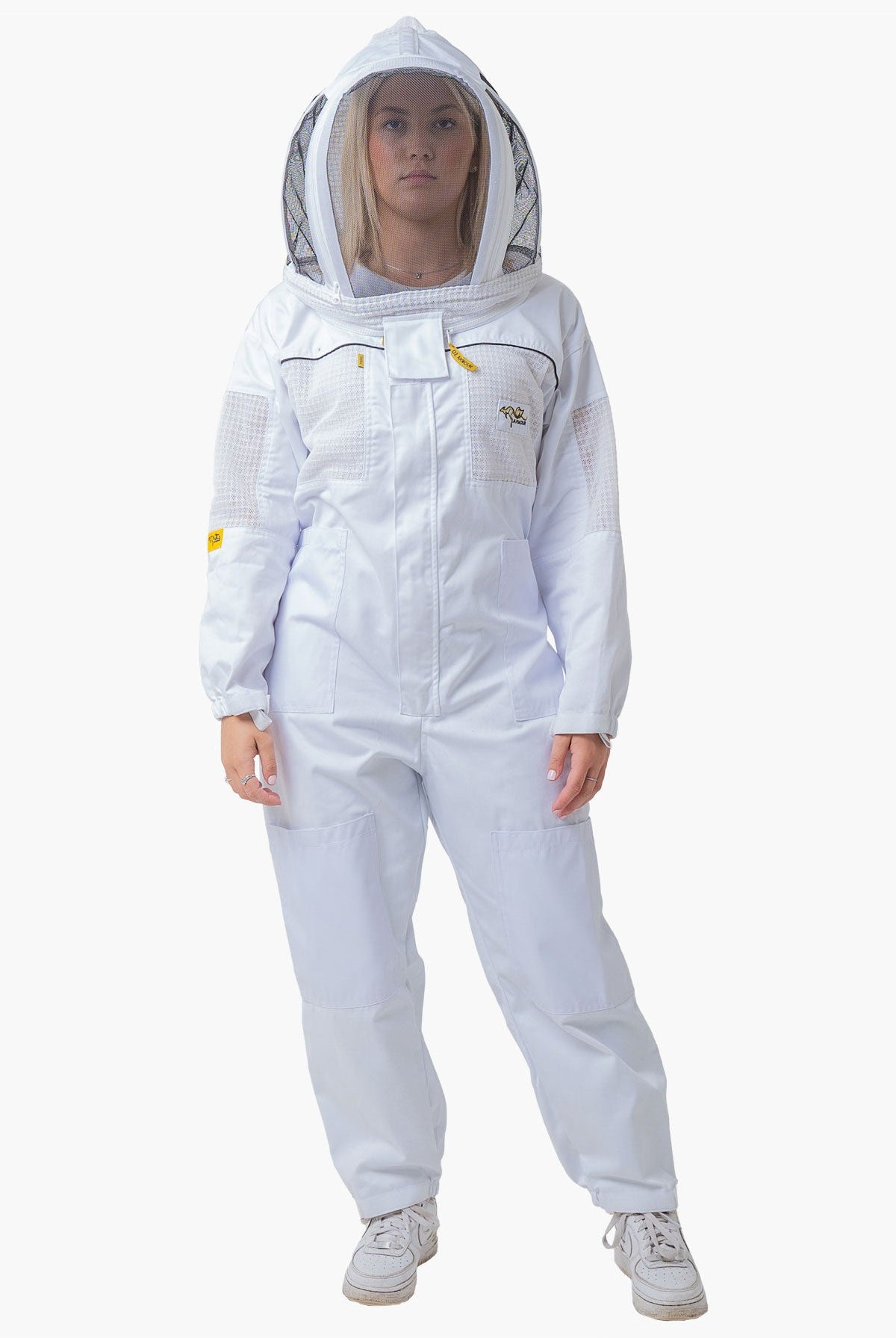
Even experienced beekeepers can face stings if their suit has weak closures, loose cuffs, or a veil that doesn’t seal properly. Bees often find tiny entry points around the neck, wrists, or ankles — especially during high-activity days or when colonies feel defensive. This is where reliable beekeeping veils and beekeeping ankle protection become essential.
🔥 Overheating During Inspections
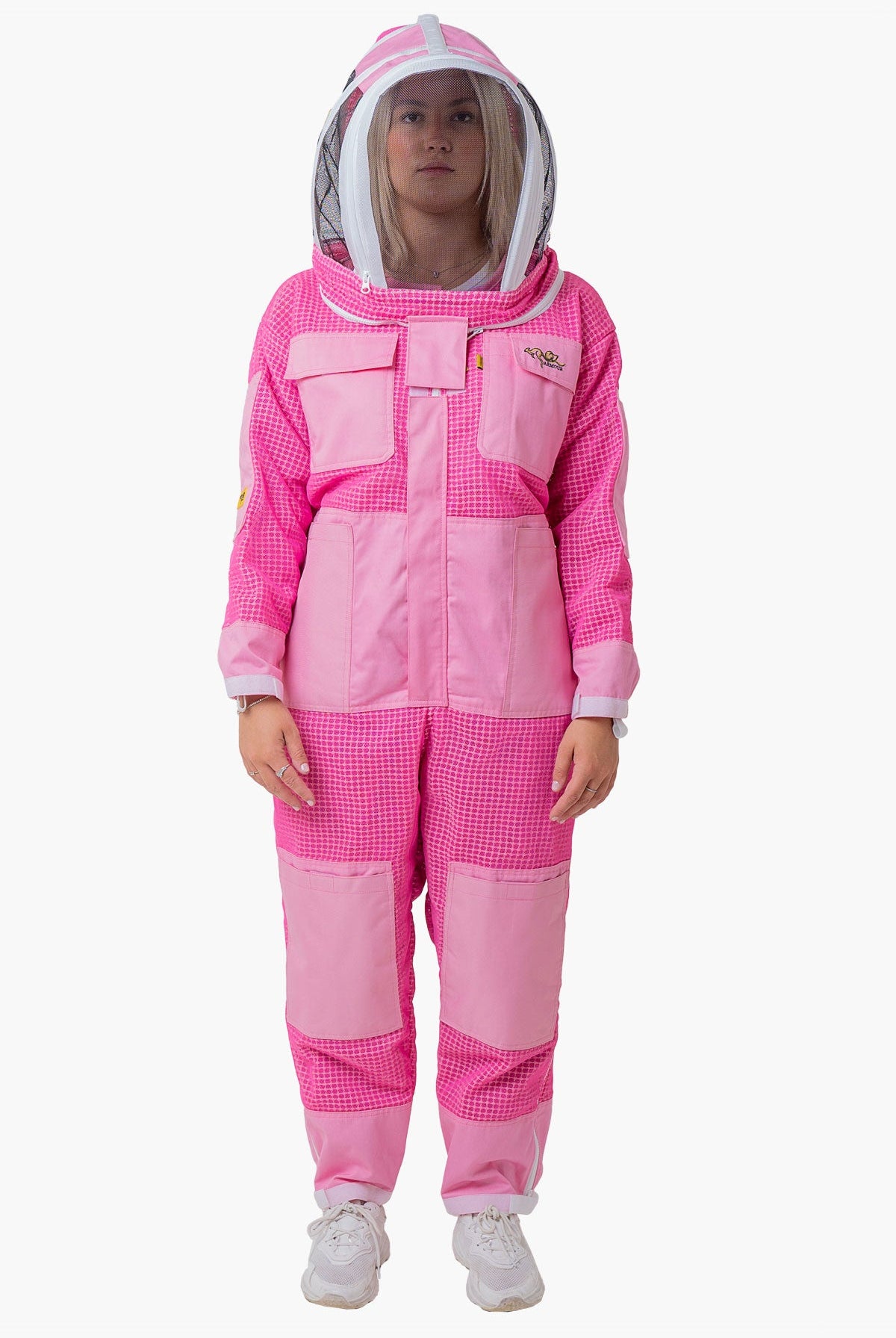
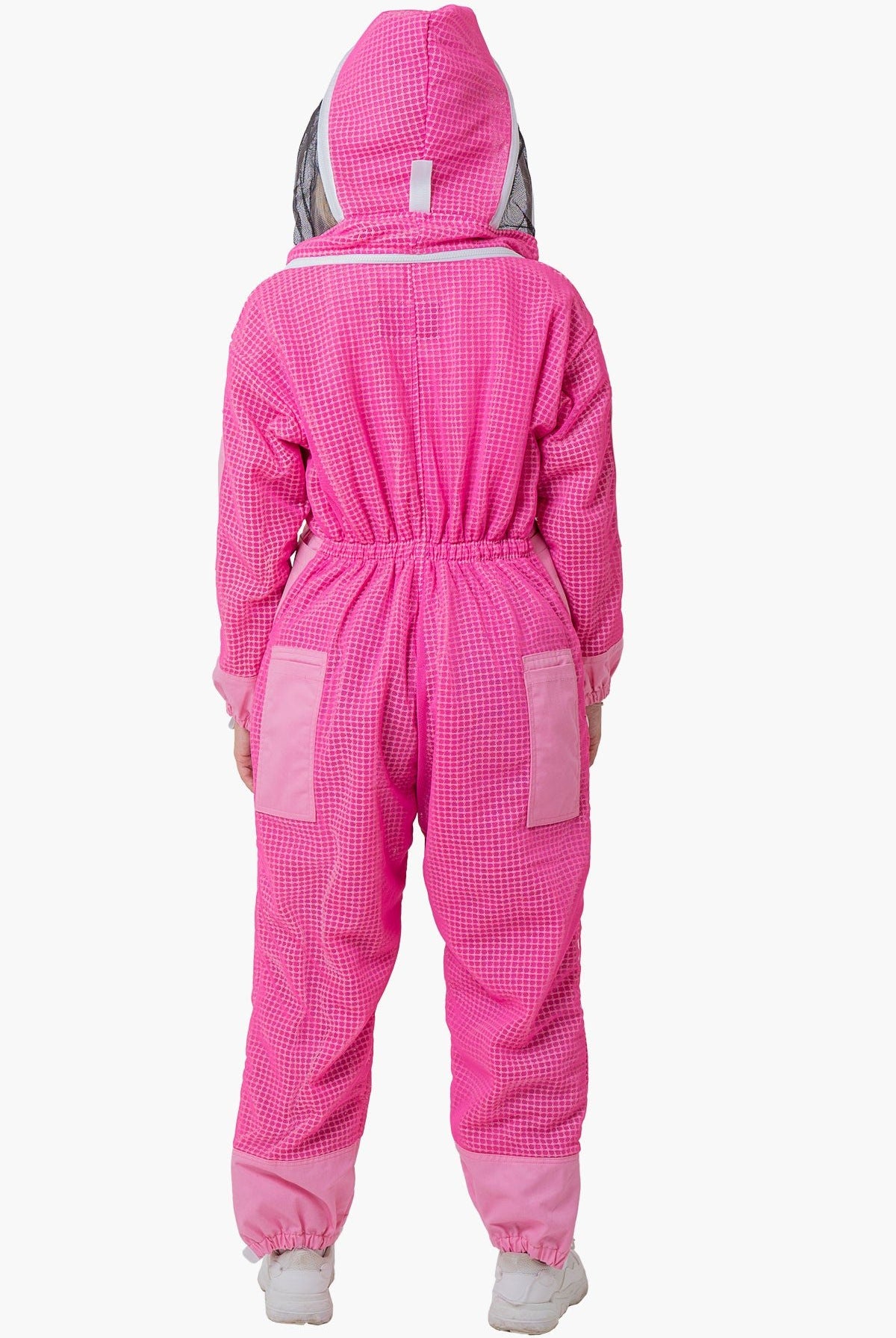
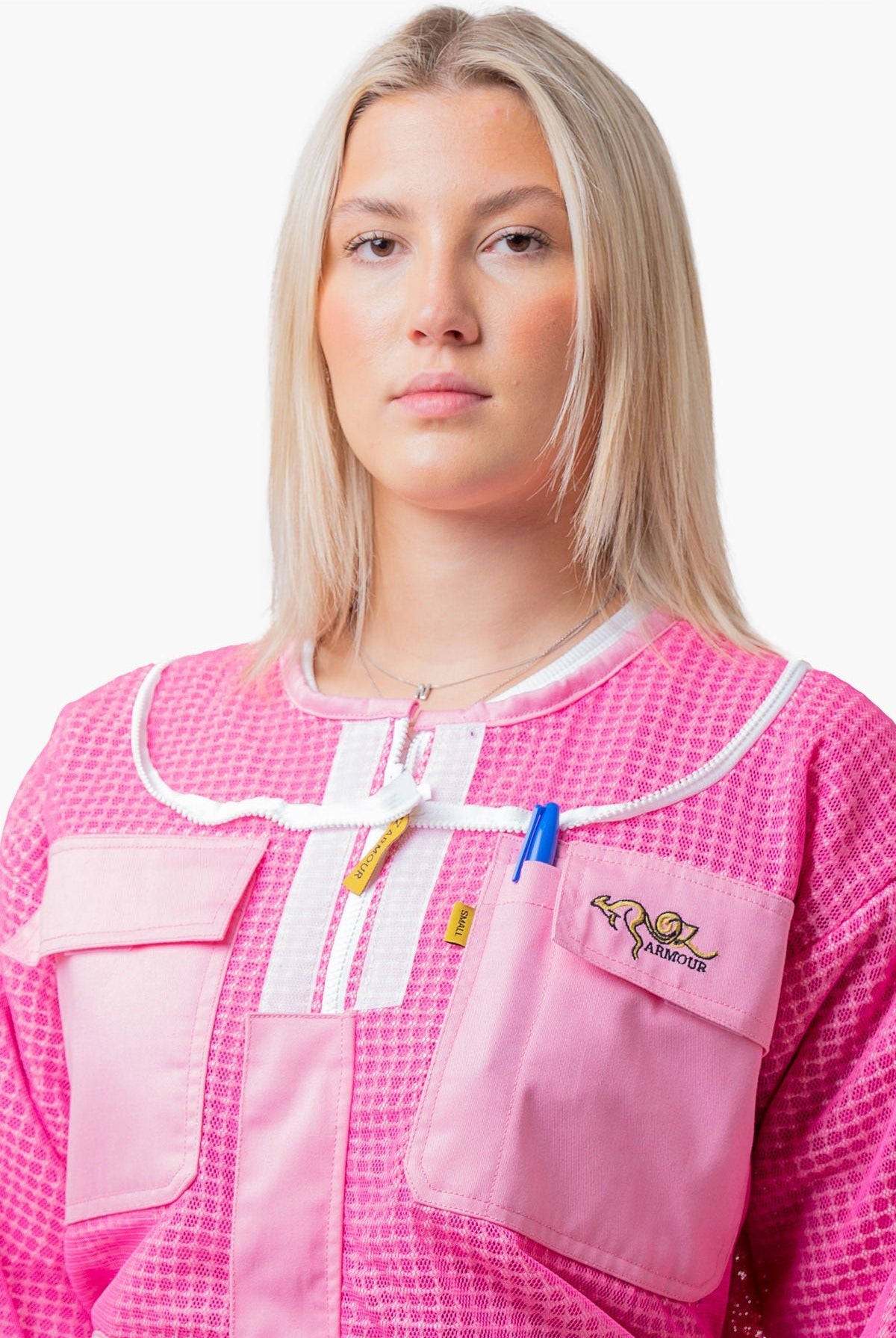
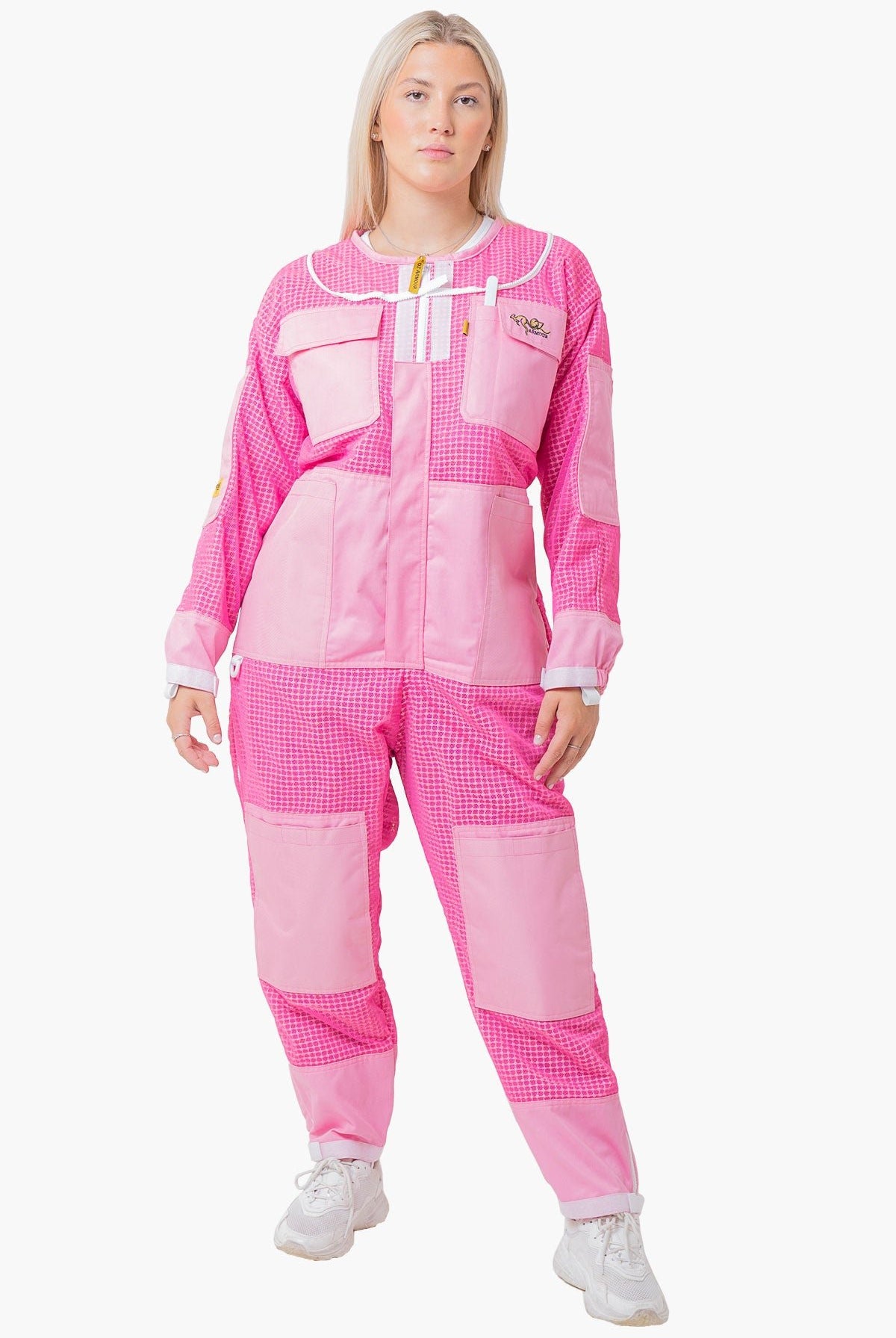
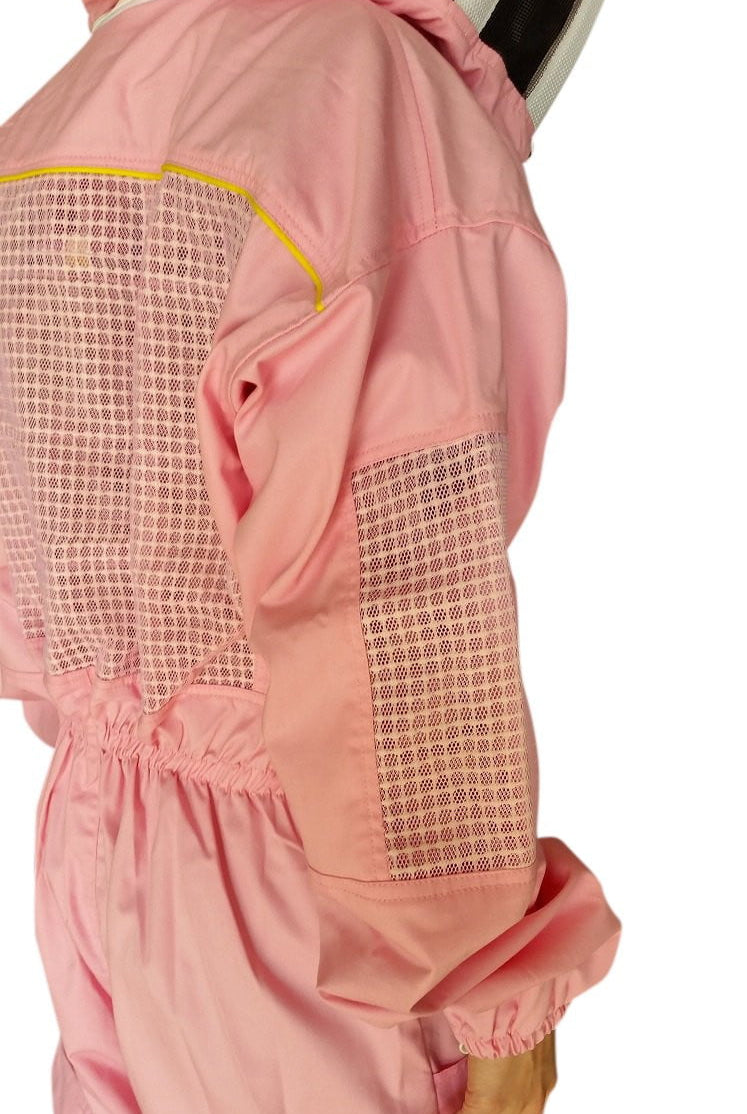
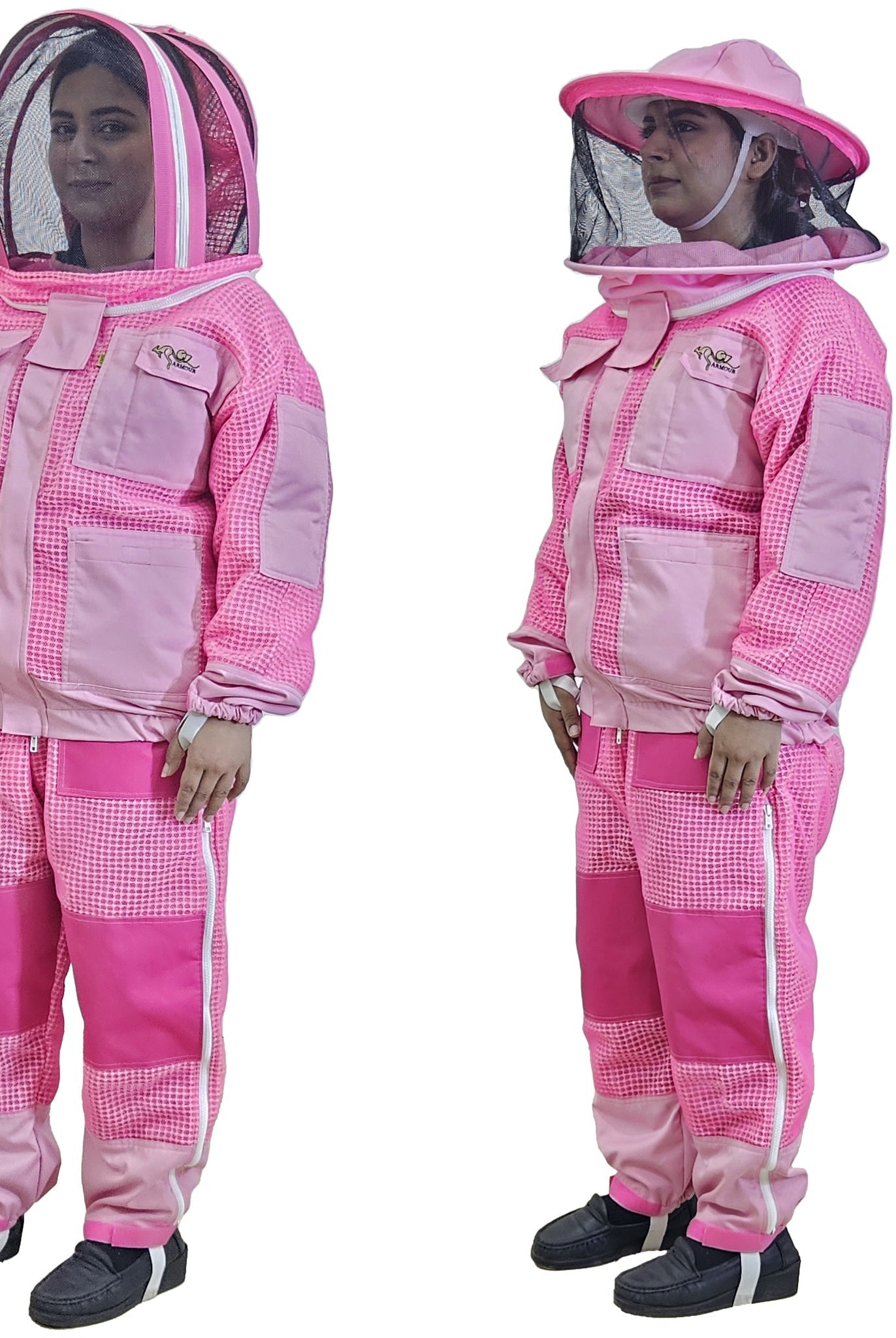
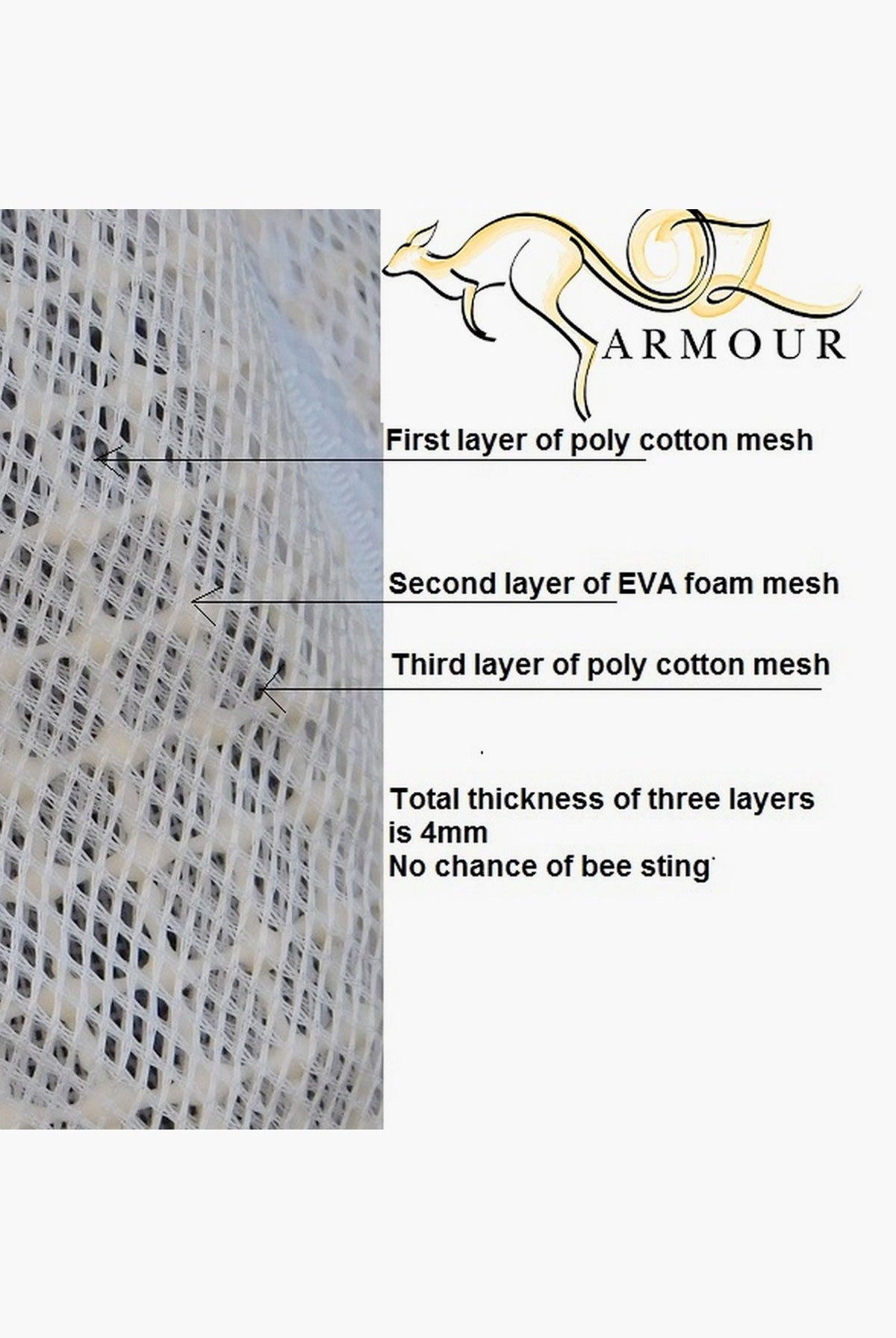
Classic cotton suits protect well, but many beekeepers struggle with heat build-up. Long summer days, active colonies, and regular inspections can quickly turn a simple task into an exhausting experience. Ventilated options such as pink bee suits and three-layer mesh designs help reduce overheating significantly.
🧍♂️ Restricted Movement
Very thick or poorly cut suits can feel heavy and limit mobility. Bending over brood boxes, lifting supers, or reaching deeper frames becomes uncomfortable, affecting both accuracy and hive management. Properly designed suits or beekeeping jackets can make all the difference.
🧵 Wear & Tear Over Time
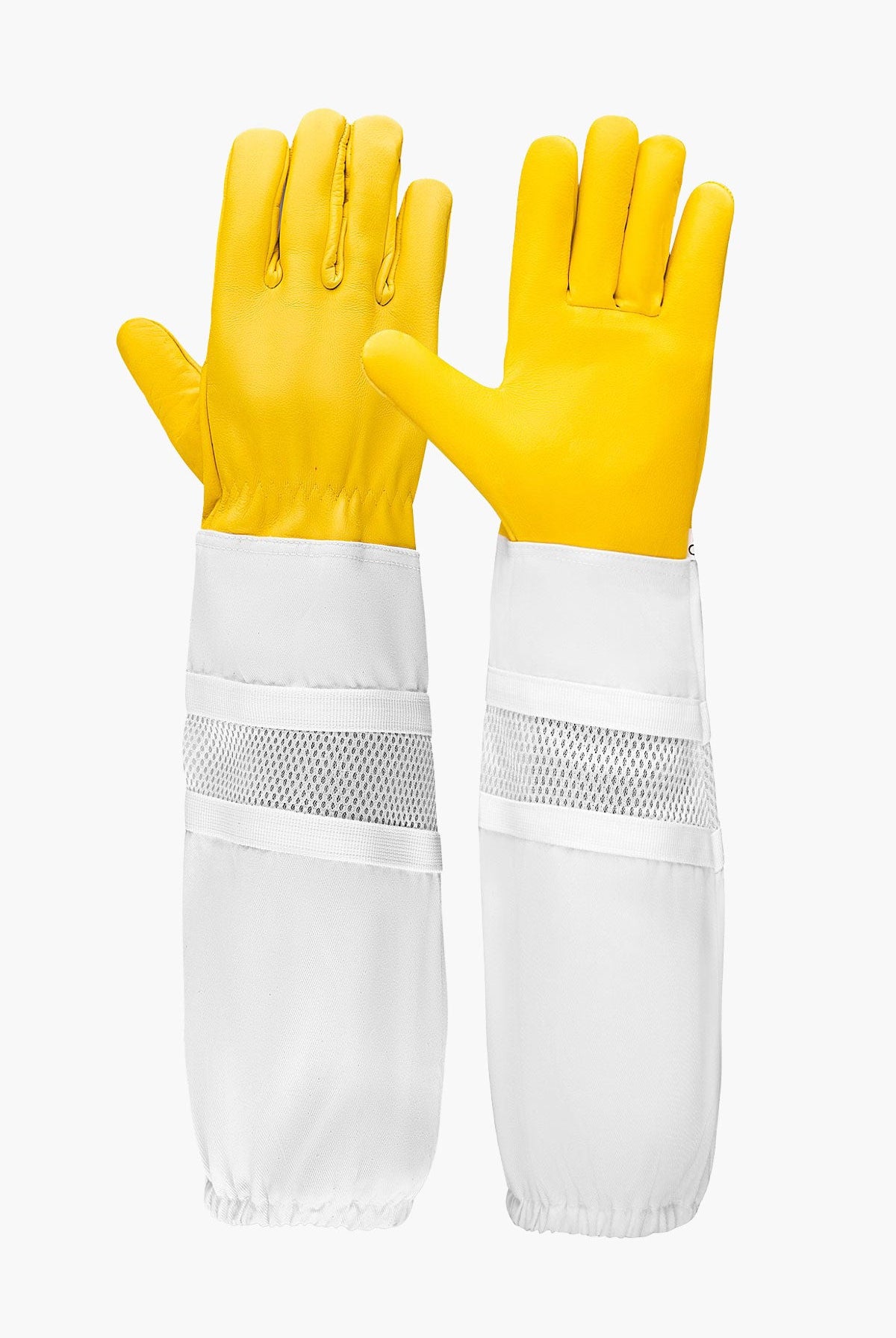
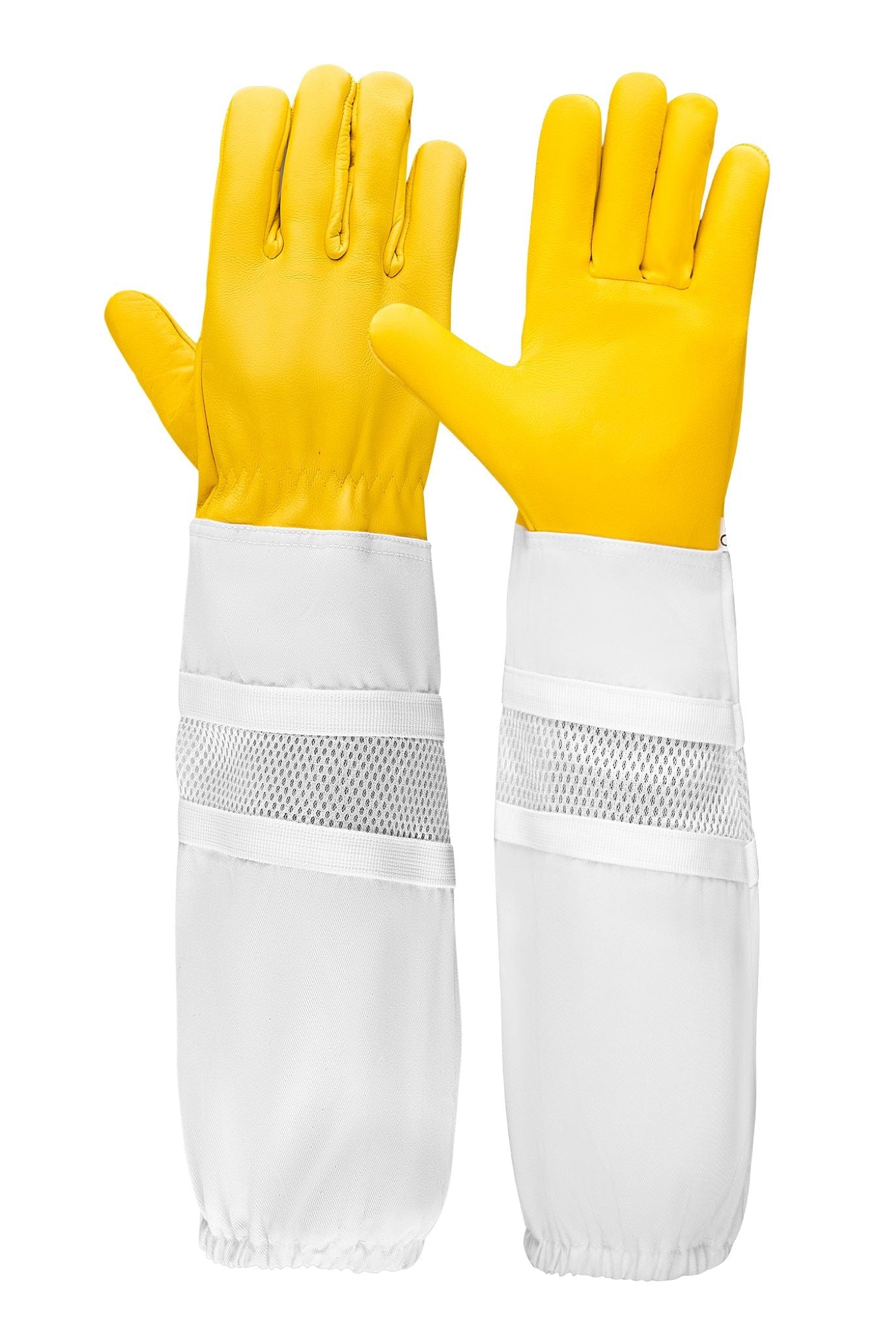
Beekeeping suits go through a lot — washing, propolis, sun exposure, and regular fieldwork. Cheap suits often lose strength in seams, zippers, or mesh areas within a single season. High-quality stitching and reinforced materials, also found in premium beekeeping gloves and trousers, extend the life of your protective gear.
How Modern Beekeeping Suits Solve These Issues
1. Three-Layer Ventilated Mesh for Airflow
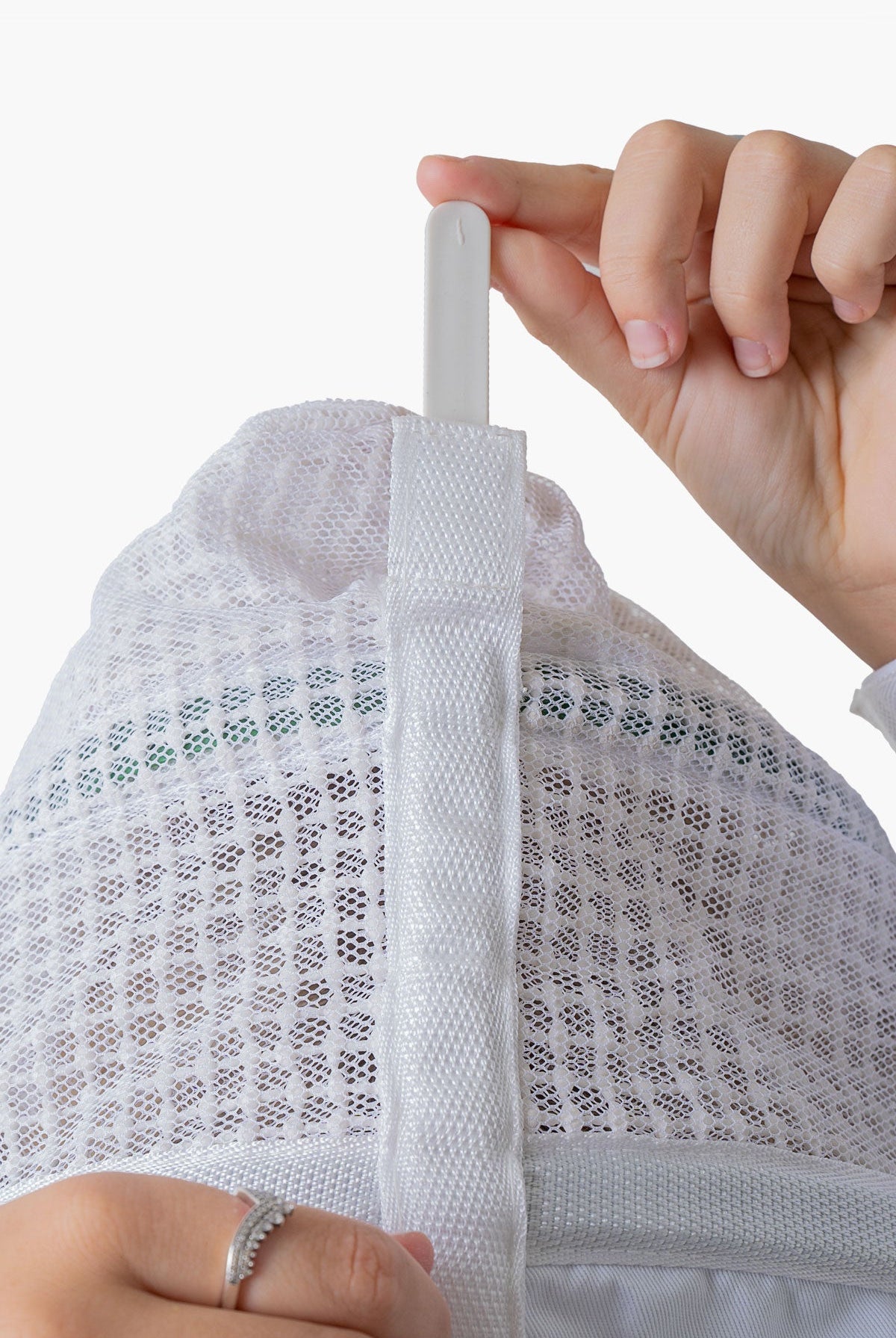
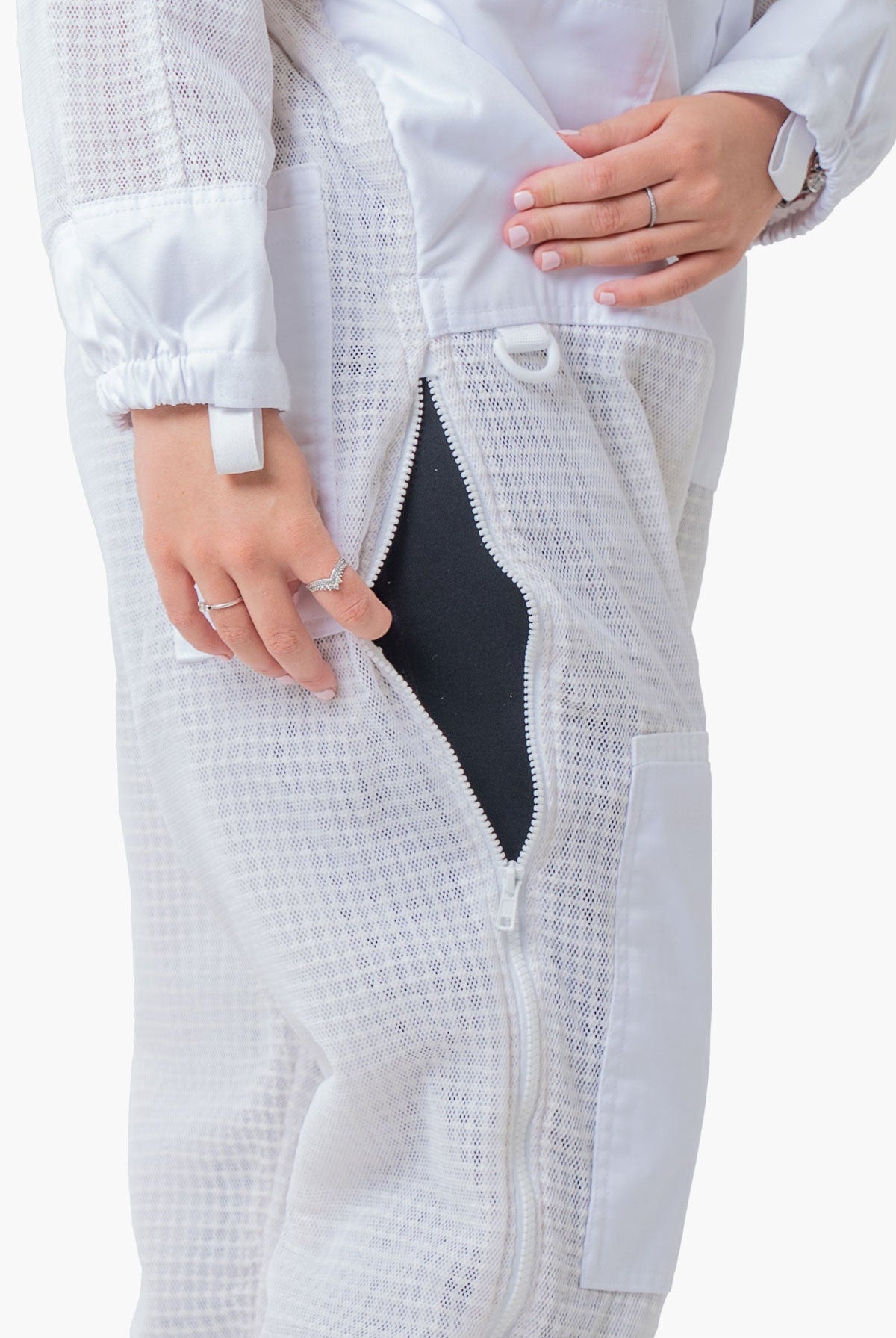
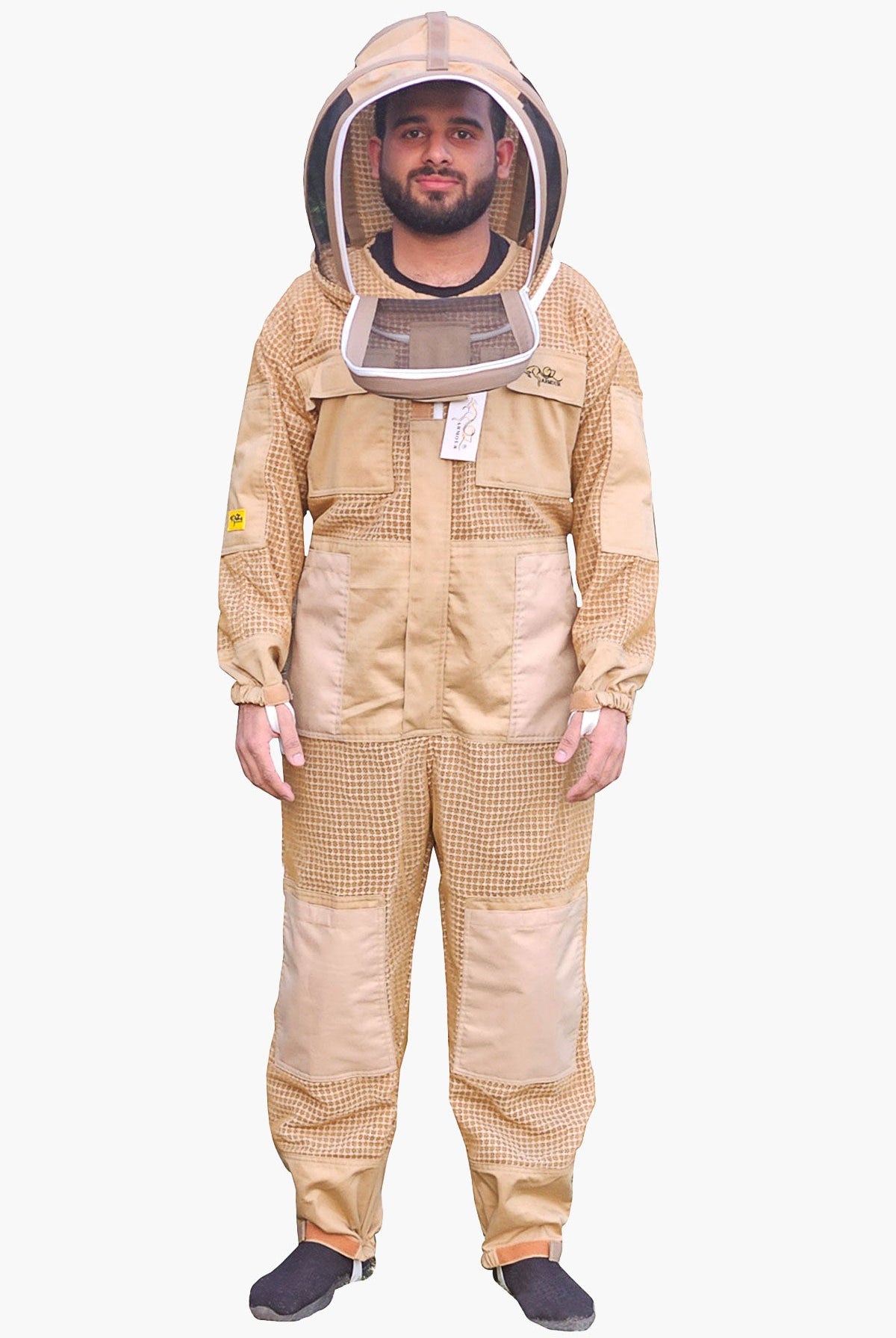
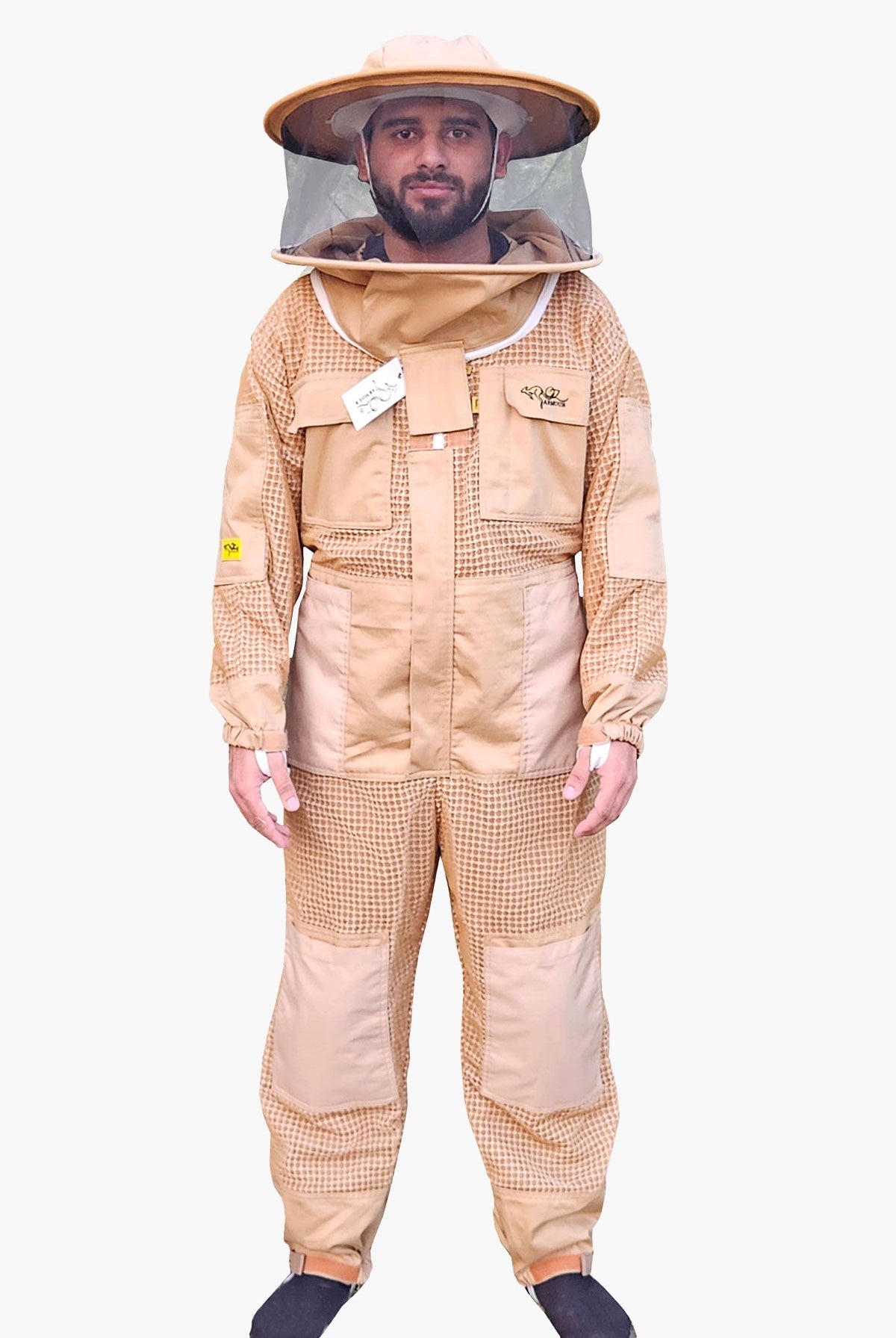
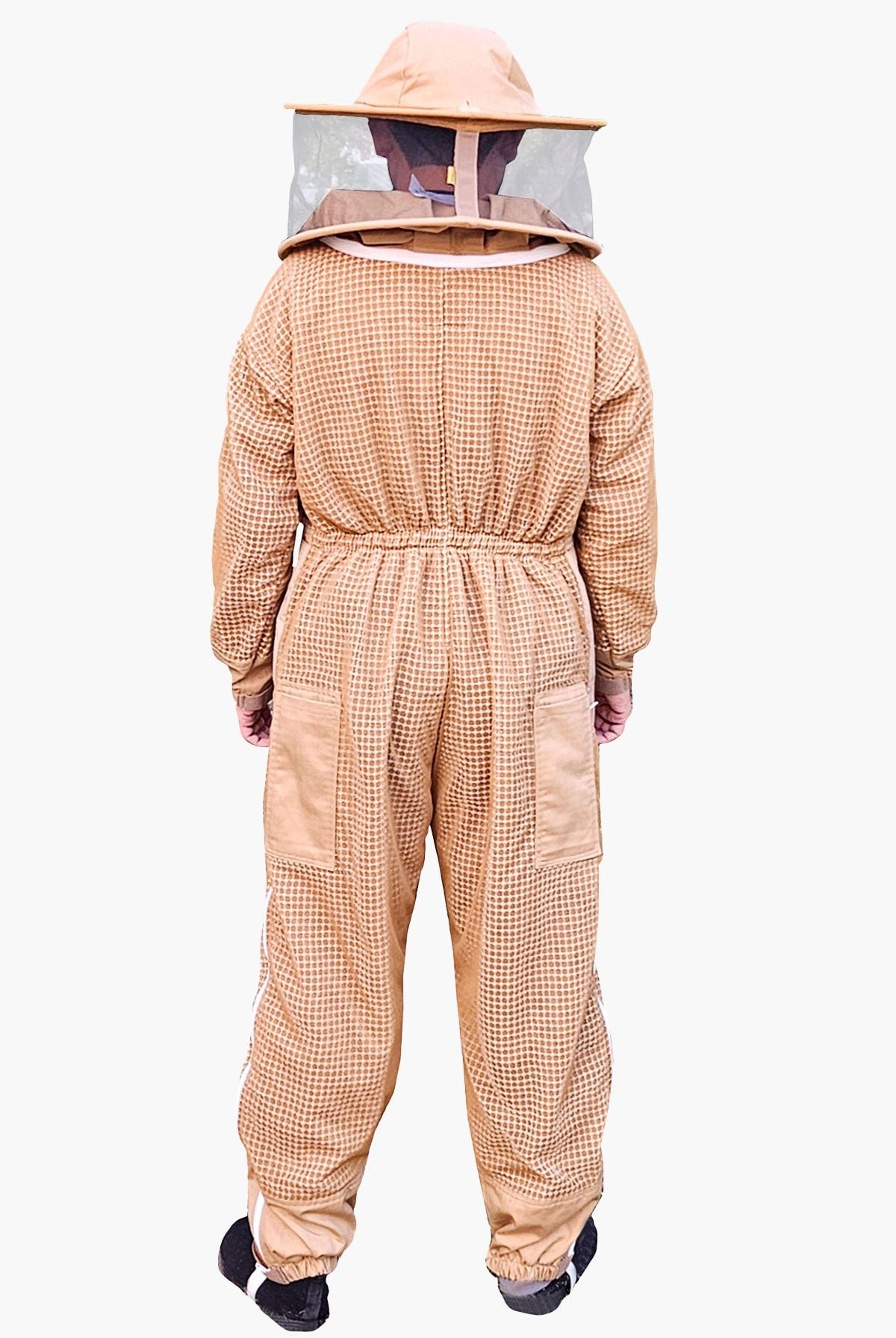
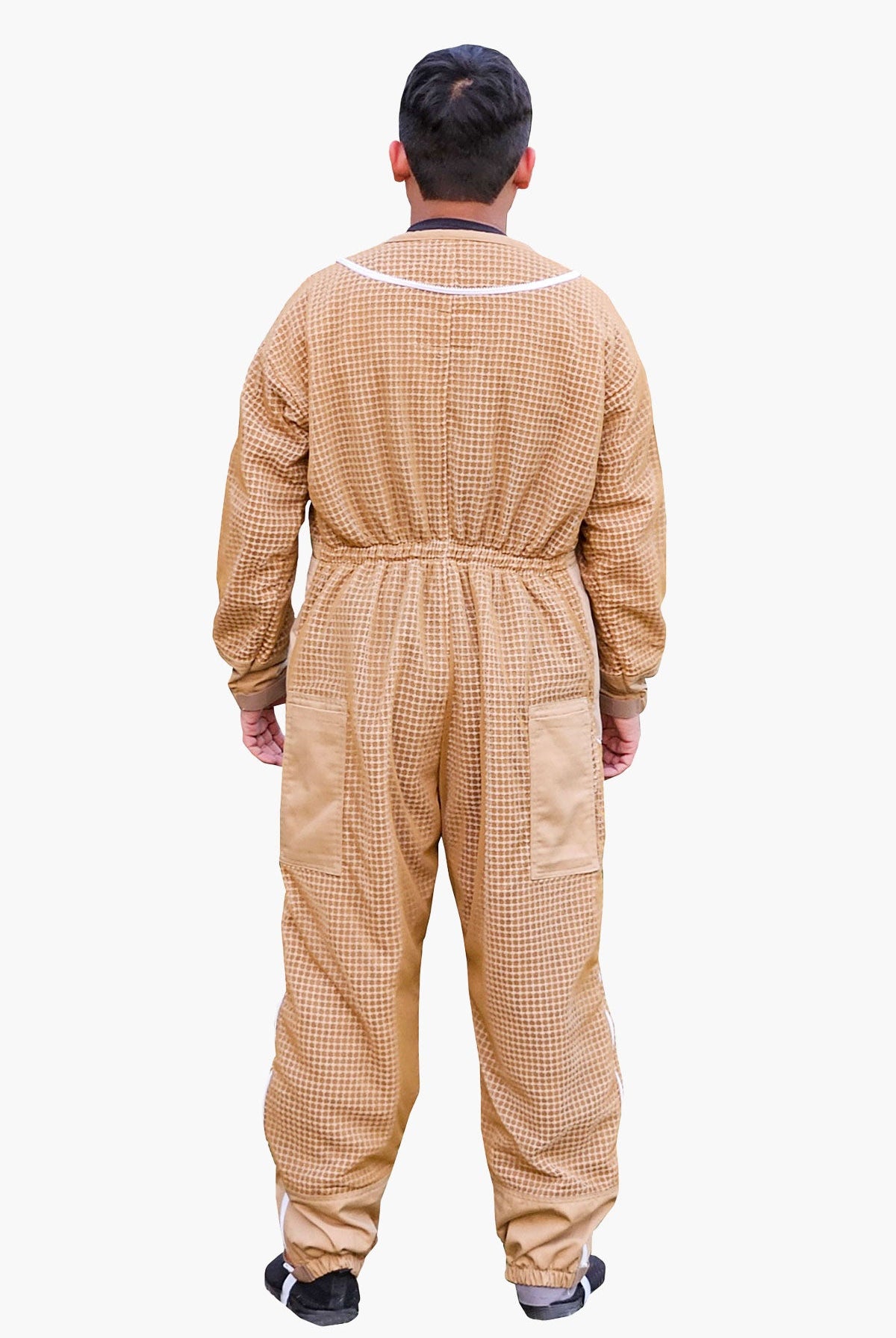
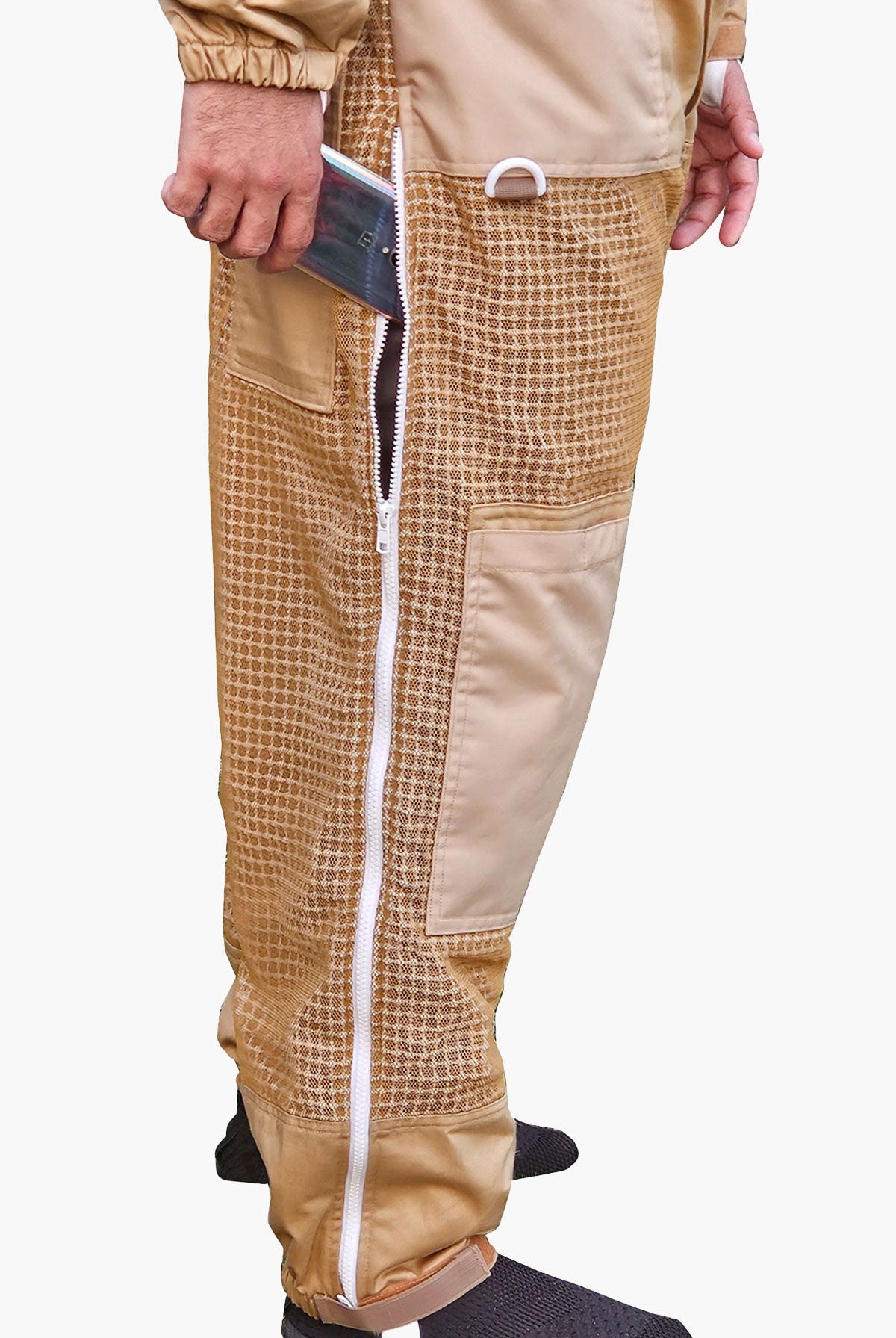
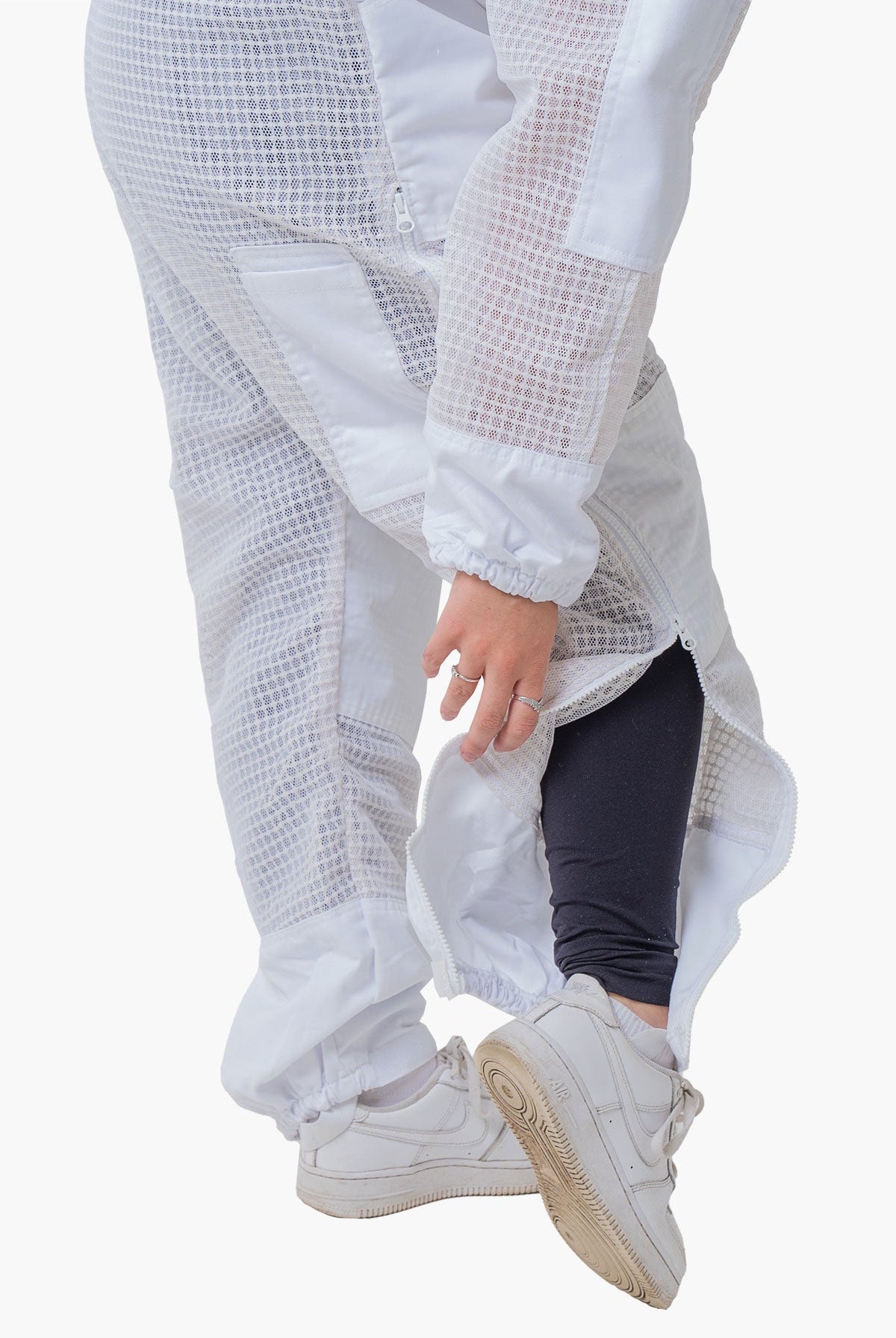
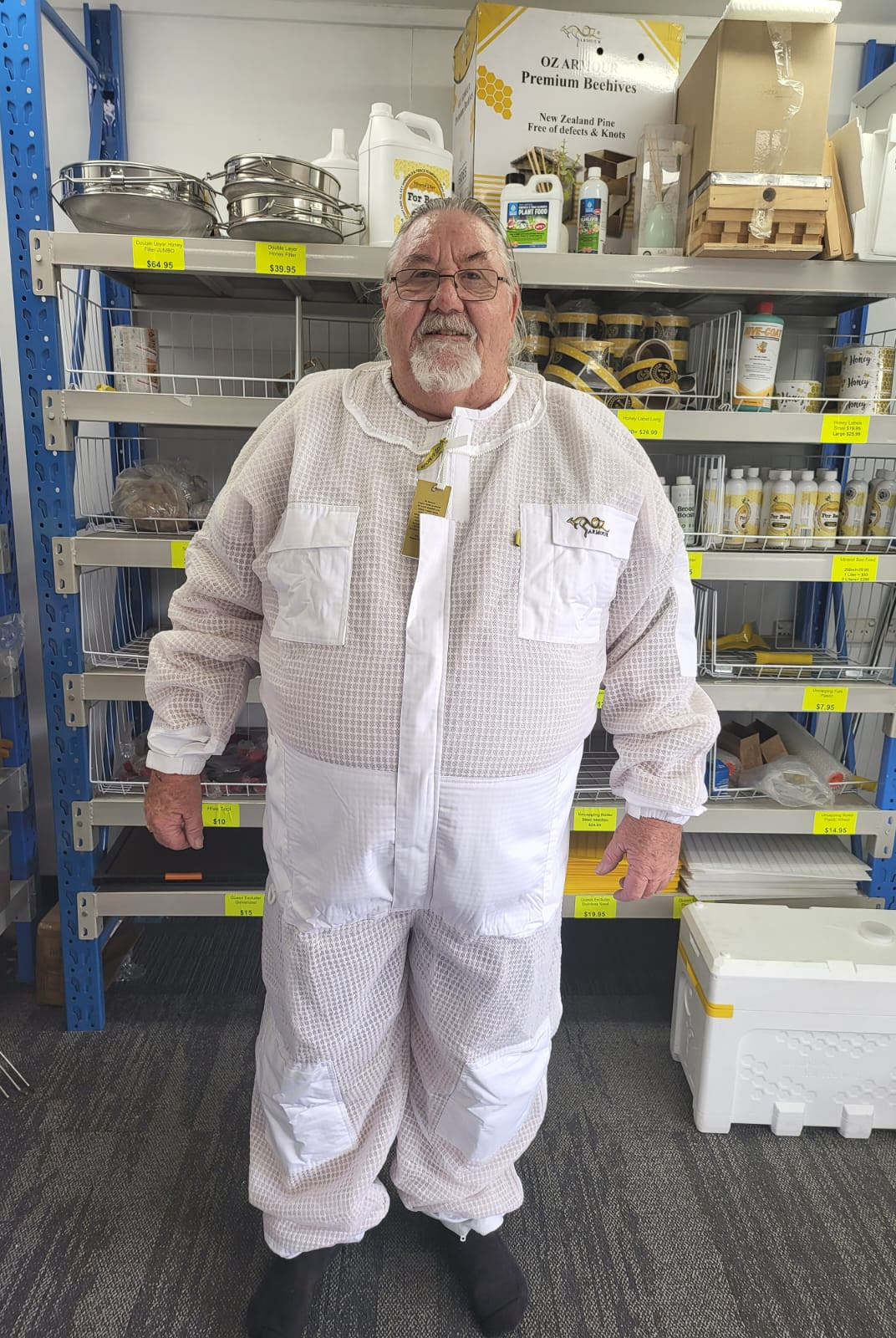
Ventilated suits are becoming the preferred choice for many UK beekeepers because they drastically reduce overheating. The mesh system creates a safe distance between your skin and the bee — meaning the stinger cannot reach you while allowing constant airflow. This makes them excellent for adults and beekeeping kids suits alike.
2. Secure Closures for Full Protection
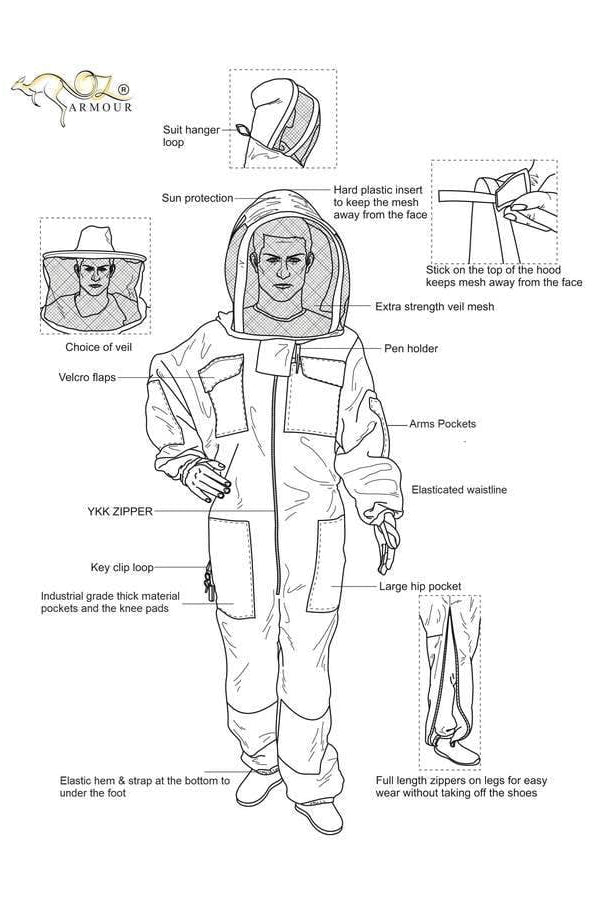
High-quality suits now use:
-
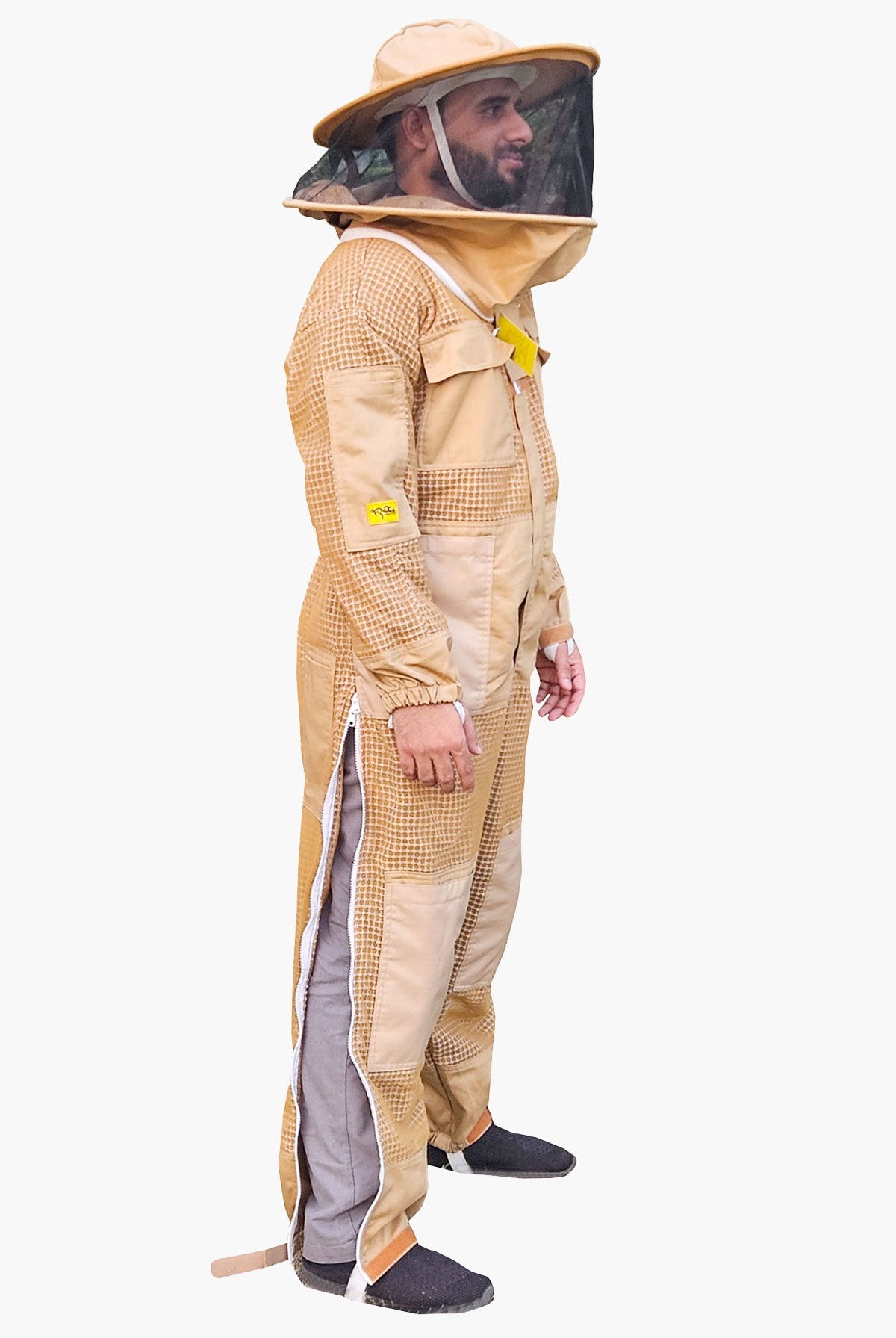
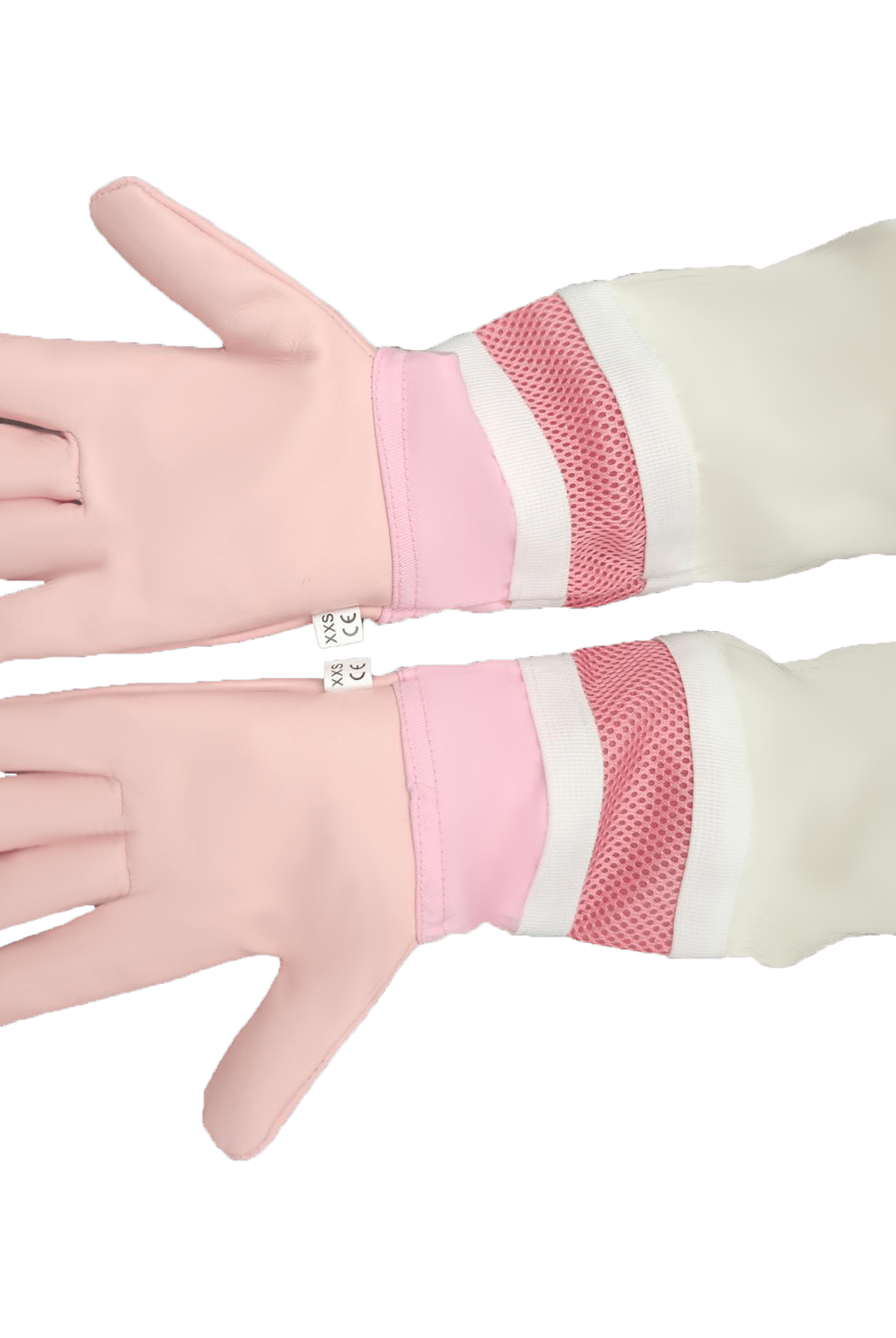
Elasticated wrist & ankle cuffs
-
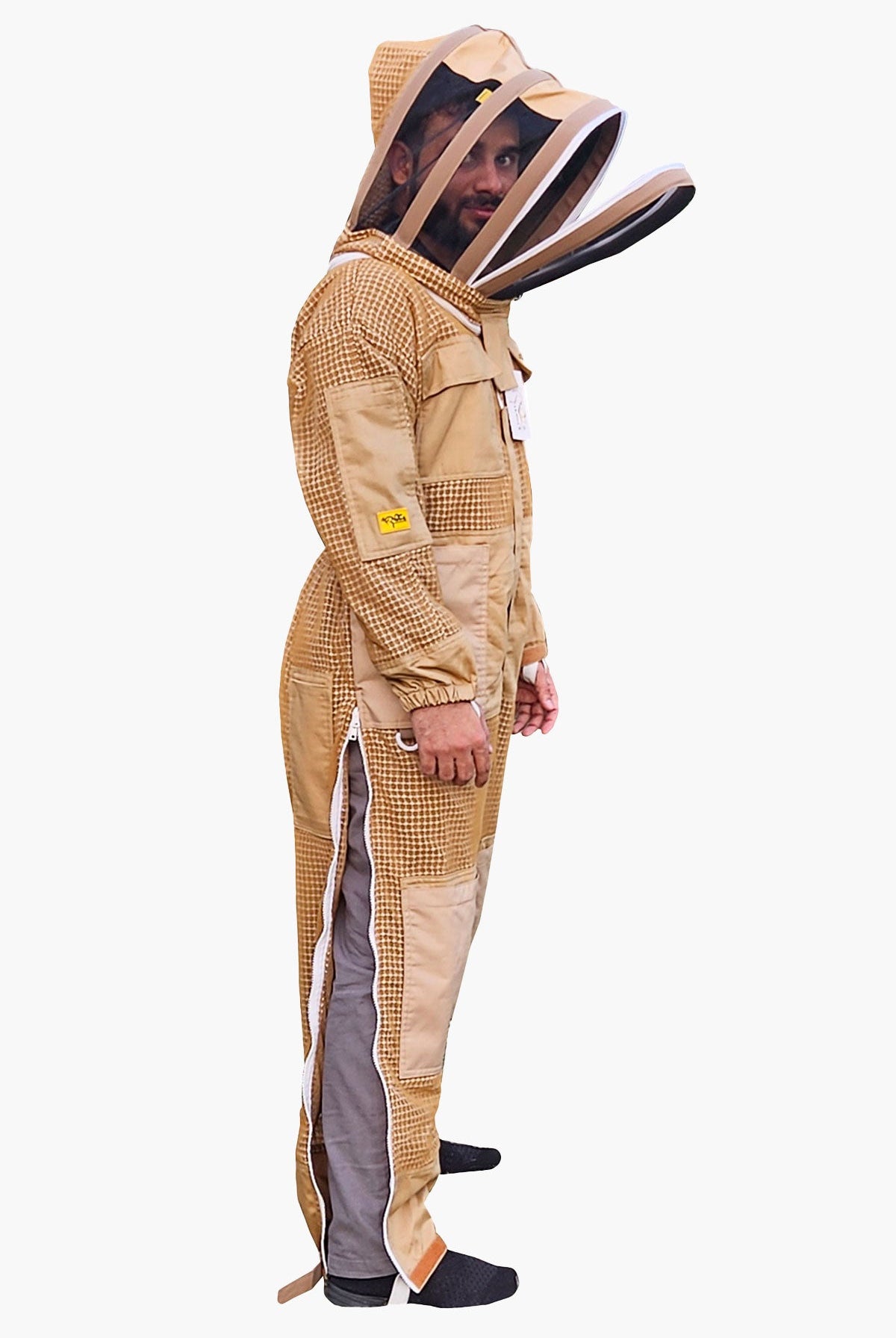
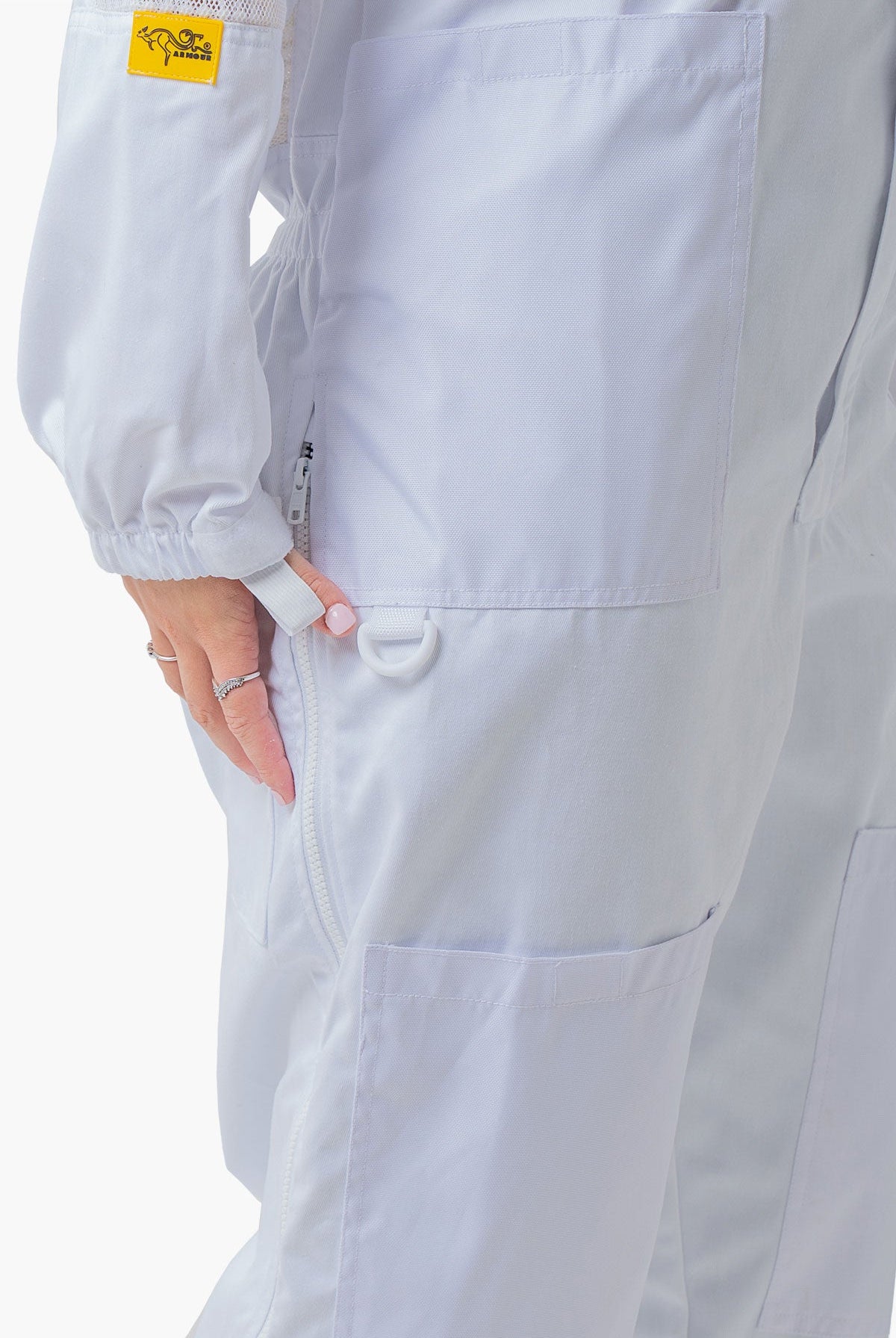
Overlapping zipper flaps
-
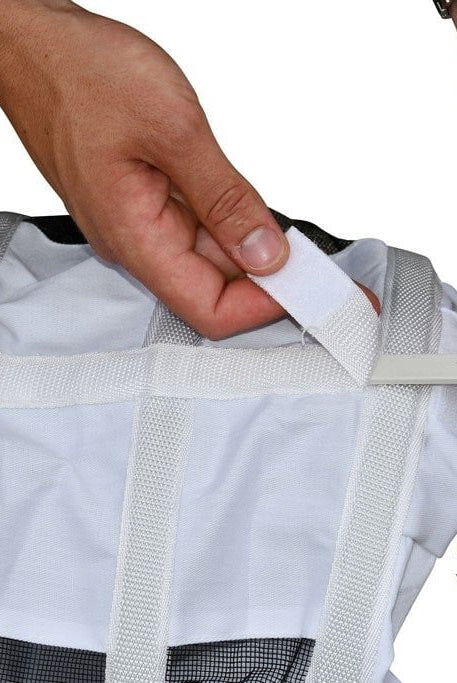
Strong veil-to-suit attachment systems
-
Reinforced seams where pressure is highest
These features prevent bees from slipping into the suit while also improving comfort and confidence during inspections.
3. Ergonomic Cuts for Better Movement
Modern suits and beekeeping jackets are designed with a roomier cut — not oversize, but spacious enough that you can kneel, bend, lift frames, and carry supers easily. This reduces strain and keeps you focused on hive health.
4. Durable Fabrics That Last
Whether ventilated or poly-cotton, the goal is simple: a suit that remains reliable season after season. Thick stitching, strong zippers, and sturdy mesh ensure the suit handles washing, outdoor conditions, and daily hive work. The same durability principles apply to complementary items like beekeeping gloves and trousers.
Why Many Beekeepers Choose OZ Armour
The suits in this category incorporate solutions that UK beekeepers actually need. OZ Armour focuses on combining comfort with real-world functionality — not by over-engineering the suit, but by improving the areas where beekeepers struggle most:
-
Ventilation systems that allow airflow without compromising sting protection
-
Secure veil attachments that reduce the risk of bees entering near the face
-
Multiple pockets to keep tools within reach
-
Reinforced knees & stress points for durability
-
Soft, breathable mesh layers for cooler inspections
-
Smooth, high-quality zippers built to handle repeated use
From premium ventilated suits to stylish pink bee suits, each design aims to feel natural, protective, and easy to work in.
Who These Suits Are Designed For
These beekeeping suits are suitable for:
-
Beginners who want full sting protection and peace of mind
-
Hobbyists working in gardens or small apiaries
-
Experienced beekeepers managing multiple colonies
-
Commercial beekeepers who perform long, frequent inspections
-
Hot-weather beekeepers who need cooling ventilation
-
People with sensitive skin who require extra sting security
With sizes ranging from adults to beekeeping kids suits, families learning together — or those exploring Learn Beekeeping resources — can rely on comfortable, reliable protective wear.
Your Beekeeping, Made Safer and More Comfortable
A beekeeping suit should do more than cover you — it should make every inspection easier, calmer, and safer. The suits in this UK collection offer the balance of protection, airflow, durability, and movement that beekeepers need throughout the season.
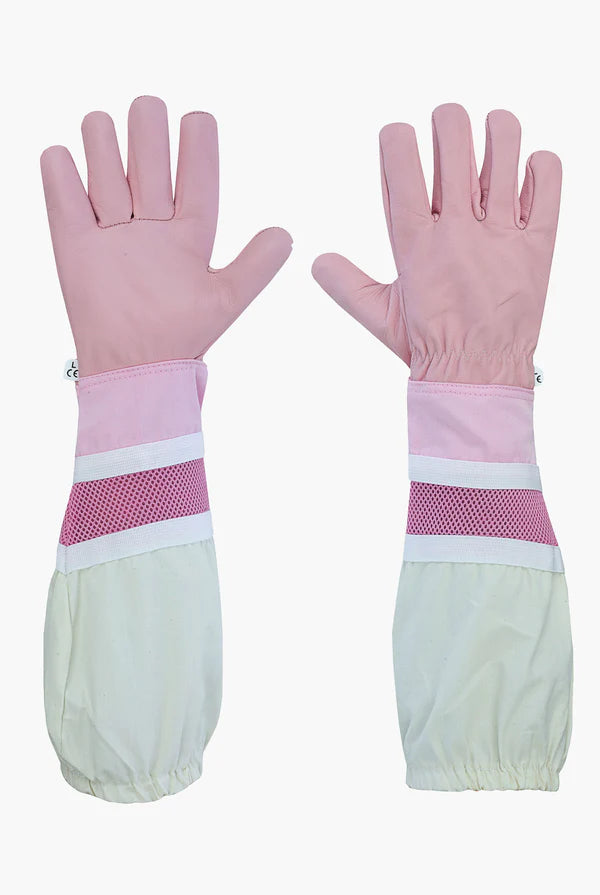
Whether you're checking brood frames, harvesting honey, or teaching beginners, these suits help ensure you stay cool, protected, and confident. Paired with essential Beekeeping Equipment, gloves, veils, and trousers, your hive work becomes smoother and more enjoyable.
If you're new to beekeeping or looking to expand your knowledge, don’t forget to read more blogs about beekeeping and explore our educational resources.
Frequently Asked Question
Logo list