

Beekeeping has always been closely connected to nature. Because honey bees play a vital role in pollination and biodiversity, modern beekeepers are increasingly focusing on sustainable apiary management. This approach focuses on making the most of hive resources while minimizing waste and protecting the health of honey bee colonies.
By following sustainable beekeeping practices, beekeepers can maintain productive colonies while reducing environmental impact. Sustainable methods encourage the careful use of resources such as beeswax, honey, and hive materials. They also promote responsible hive management that protects bees and supports the surrounding ecosystem.
Whether you are a beginner or an experienced beekeeper, adopting eco-friendly beekeeping methods can help create a healthier apiary. From recycling hive materials to choosing natural pest control and planting pollinator-friendly plants, every step toward sustainability strengthens both your hive and the environment. At OZ Armour, we believe that responsible beekeeping begins with proper knowledge, reliable protection, and durable beekeeping gear designed for long-term use.
What Is Sustainable Apiary Management?
Sustainable apiary management refers to maintaining bee colonies in a way that protects both the bees and the environment. Instead of focusing only on honey production, sustainable beekeeping methods prioritize long-term colony health, resource efficiency, and environmental responsibility.
These sustainable beekeeping practices aim to balance productivity with conservation. Beekeepers who practice sustainable hive management work to reduce waste, use durable equipment, and avoid harmful chemicals whenever possible.
Responsible beekeeping also includes supporting natural pollination and maintaining healthy ecosystems. By adopting ethical beekeeping practices, beekeepers ensure their colonies remain strong while helping protect biodiversity and pollinator populations.
If you are new to beekeeping and want to build a strong foundation, you can Learn Beekeeping through practical guides and educational resources designed to help beginners manage their hives responsibly.

Reducing Waste Through Smart Hive Resource Management
One of the most important aspects of sustainable apiary management is learning how to use hive resources efficiently. Bees produce valuable materials such as honey, wax, and propolis, and sustainable beekeeping encourages using these resources wisely rather than letting them go to waste.
Reusing Wet Frames After Honey Extraction
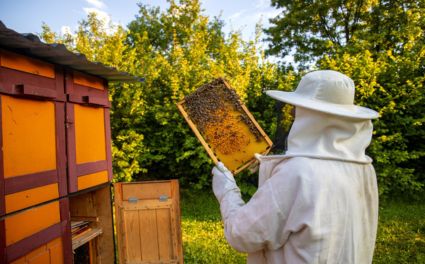
After honey extraction, frames often contain small amounts of leftover honey. Instead of discarding them, beekeepers can return these “wet” frames to the hive. Bees quickly clean and reuse them, reducing waste while saving energy for the colony.
Beeswax Recycling and Resource Utilization
Beeswax recycling is another essential part of reducing waste in beekeeping. Wax cappings and old comb can be melted down and repurposed into new foundation sheets, candles, cosmetics, or other beeswax products.
Using these hive materials efficiently allows beekeepers to practice hive resource utilization, making the apiary more sustainable and potentially creating additional sources of income.
Choosing Durable and Eco-Friendly Beekeeping Equipment
High-quality equipment plays a major role in sustainable beekeeping methods. Investing in durable tools and hive components helps reduce waste and ensures that equipment lasts for many seasons.
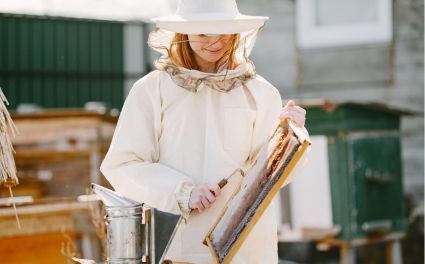
Beekeepers also rely on protective clothing that allows them to inspect hives safely and comfortably. We provide a range of durable protective gear including beekeeping Jackets that offer ventilation and sting protection while allowing flexibility during hive inspections.
For full-body protection during hive work, many professionals prefer reliable beekeeping Suits designed to balance safety, airflow, and comfort during long hours in the apiary.
Hand protection is equally important during hive inspections and honey harvesting. Our beekeeping gloves are designed to provide strong sting protection while maintaining the dexterity needed for delicate hive handling.
Face and head safety is another key part of sustainable hive management. Many beekeepers use breathable beekeeping veils to protect sensitive areas of the face while maintaining clear visibility around active hives.
For added protection and flexibility, experienced beekeepers often combine suits with beekeeping trousers that allow easier movement during hive maintenance and colony inspections.
Beekeeping is also a wonderful learning activity for families and young learners. We provide specially designed beekeeping kids suits so younger beekeepers can safely explore the fascinating world of honey bees.
To improve protection around areas where bees sometimes enter clothing, many beekeepers also use beekeeping ankle protection which adds an extra layer of safety during hive work.
Natural Pest Control in Sustainable Apiary Management
Pests and diseases can threaten the health of honey bee colonies, but excessive chemical treatments can harm bees and contaminate hive products. For this reason, many beekeepers use natural pest control for beehives as part of their sustainable management strategy.
Varroa Mite Management Naturally
The Varroa mite is one of the most common threats to honey bees. Instead of relying solely on synthetic chemicals, many beekeepers practice Varroa mite management naturally using organic treatments.
Organic Beekeeping Treatments
Two commonly used treatments include:
-
Formic acid treatments, which can control mites without leaving harmful residues in honey or wax
-
Oxalic acid treatments, which are effective when applied properly during specific times of the year
Using these organic beekeeping treatments allows beekeepers to manage pests while protecting hive health and maintaining chemical-free hive products.
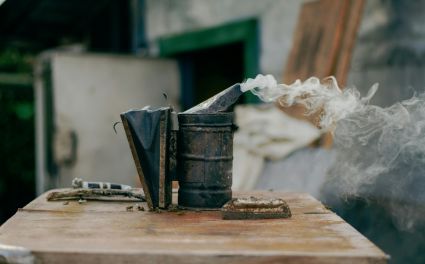
To manage hives efficiently, beekeepers also rely on practical Beekeeping Equipments such as hive tools, smokers, and inspection accessories that support responsible hive care.
Responsible Honey Harvesting for Bee Colony Health
A key principle of responsible honey harvesting is ensuring that bees always have enough food for their own survival. Honey is the primary energy source for bees, especially during colder months when nectar sources are limited.
Harvesting too much honey can weaken the colony and increase the risk of winter losses. Sustainable beekeepers focus on harvesting only the surplus honey that the colony can safely spare.
Prioritizing honey bee colony health ensures that bees remain strong and productive throughout the year. These ethical beekeeping practices benefit both the beekeeper and the long-term survival of the colony.
Choosing Locally Adapted Bees for Sustainable Beekeeping
Another important aspect of sustainable beekeeping practices is selecting bee strains that are well adapted to the local climate and environment.
Locally Adapted Honey Bees
Locally adapted honey bees are better suited to regional weather conditions, forage availability, and seasonal patterns. Because they are naturally adapted to their environment, they often require less intervention from beekeepers.
Some bee strains also demonstrate improved resistance to pests and diseases. Stronger, more resilient colonies support sustainable beekeeping methods by reducing the need for frequent treatments or intensive management.
Supporting Biodiversity Around Your Apiary
Healthy ecosystems play a critical role in apiary sustainability. Bees rely on diverse nectar and pollen sources throughout the year, and the surrounding environment greatly affects colony health.
Planting Pollinator-Friendly Plants
Creating habitats with pollinator-friendly plants provides bees with consistent food sources. Native flowers, herbs, and flowering trees offer valuable nectar while supporting other beneficial insects.
Protecting Biodiversity and Pollinators
Encouraging biodiversity and pollinators also involves avoiding harmful pesticides and herbicides in gardens or fields near the apiary. Organic gardening techniques such as natural pest predators and mechanical weed control can help maintain healthy ecosystems without harming bees.
A thriving environment benefits both honey bees and the broader ecosystem that depends on pollination.

Creating a Long-Term Sustainable Apiary
Building a truly sustainable apiary requires ongoing learning and observation. Beekeepers who practice apiary sustainability continually monitor their hives and adapt their methods to changing conditions.
Maintaining strong colonies, reducing waste, and using responsible hive management techniques all contribute to long-term success.
If you want to explore more practical tips and insights, you can read more blogs about beekeeping where we regularly share guides, equipment tips, and hive management advice.
Building a Future with Sustainable Apiary Management
Sustainable apiary management is more than just a trend—it is a responsible approach to caring for bees and protecting the natural world. By adopting eco-friendly beekeeping practices, beekeepers can reduce waste, protect colony health, and support biodiversity.
From recycling beeswax and choosing durable equipment to planting pollinator-friendly gardens, every small step contributes to a healthier environment for bees.
We also believe beekeeping can reflect individuality and comfort. Many modern beekeepers enjoy using specialized protective gear such as pink bee Suits that combine reliable protection with a unique and stylish design.
As more beekeepers embrace sustainable beekeeping practices, they help ensure that honey bees continue to thrive and pollinate ecosystems for generations to come.