
Honey Decrystallizesrs
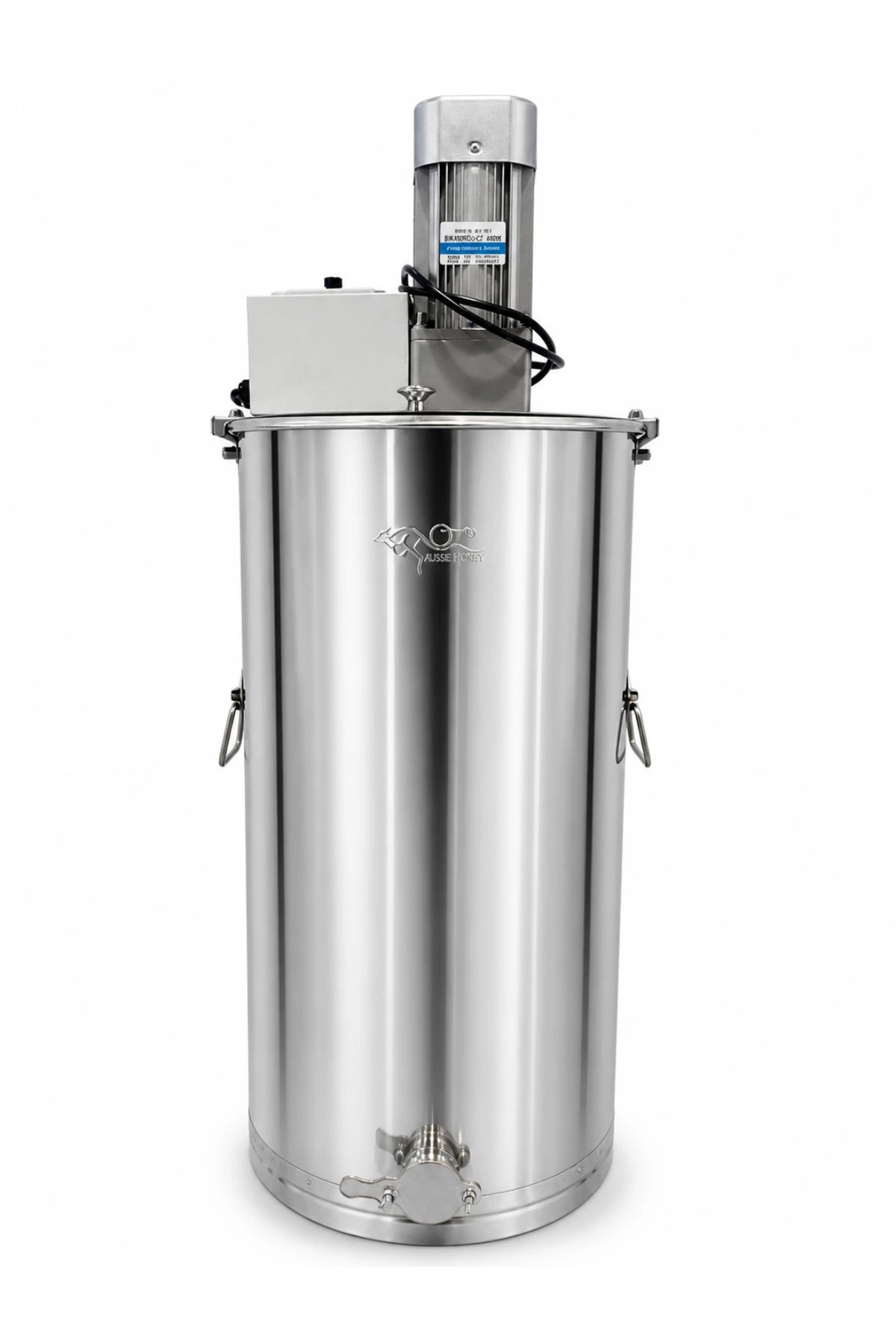
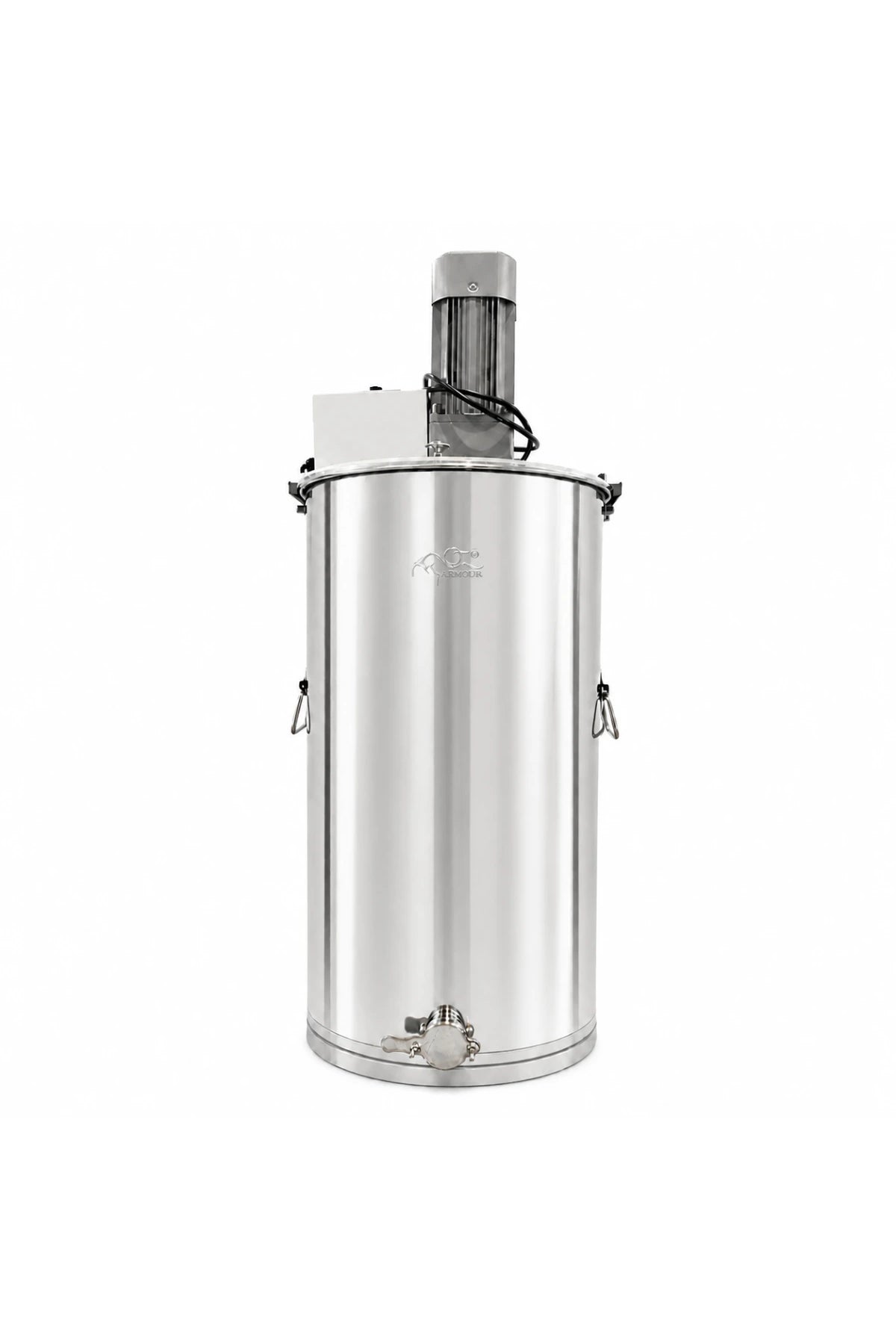
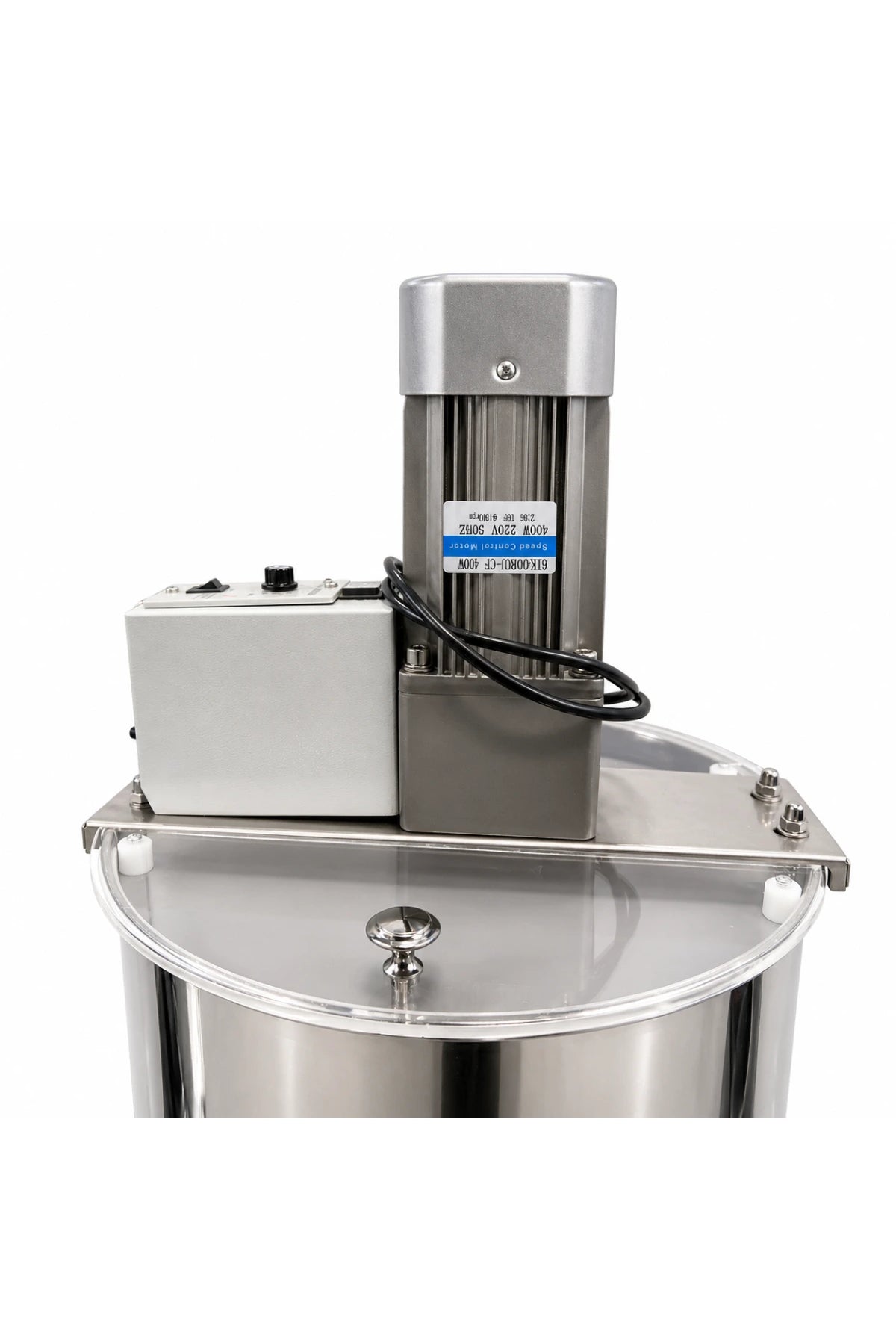
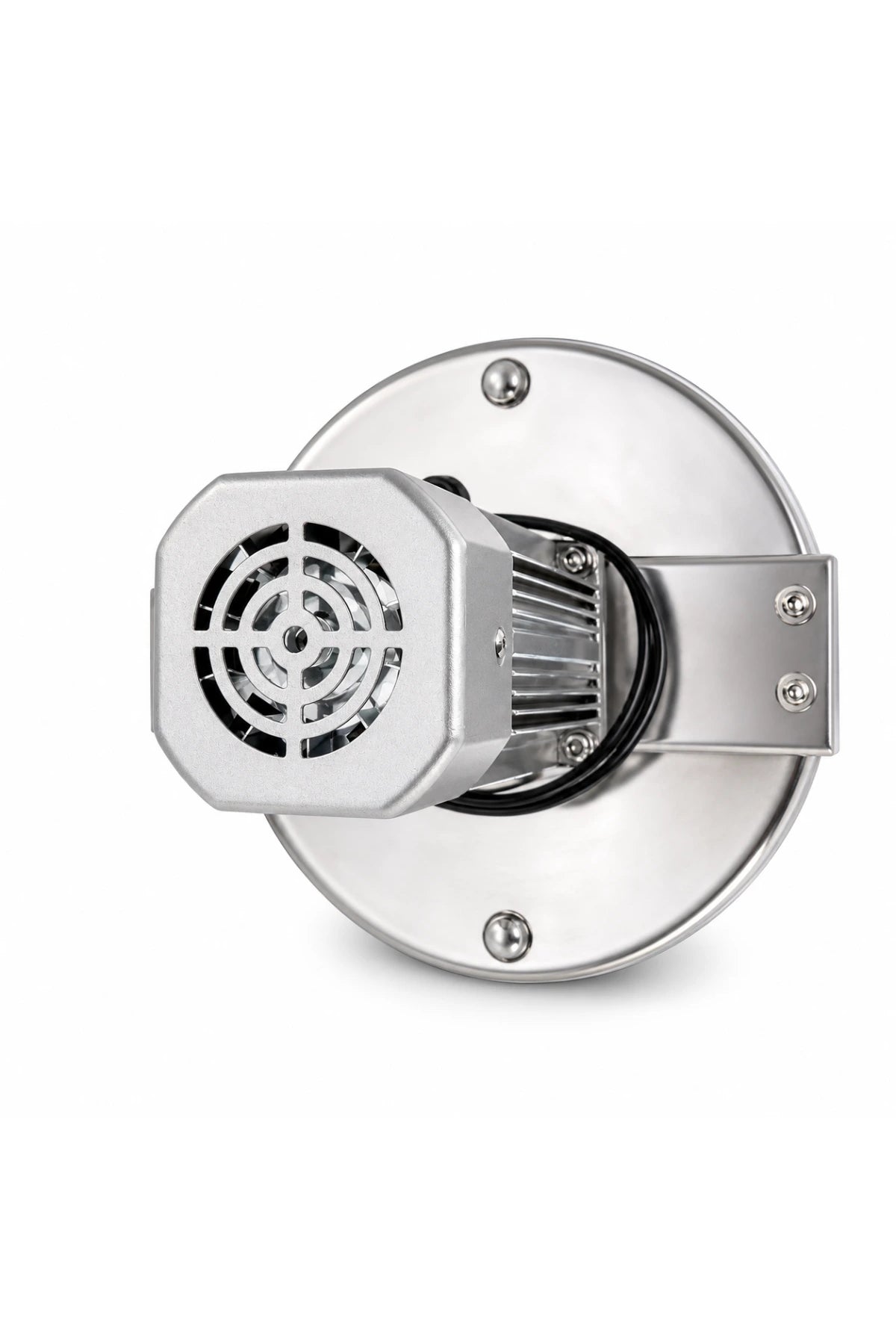
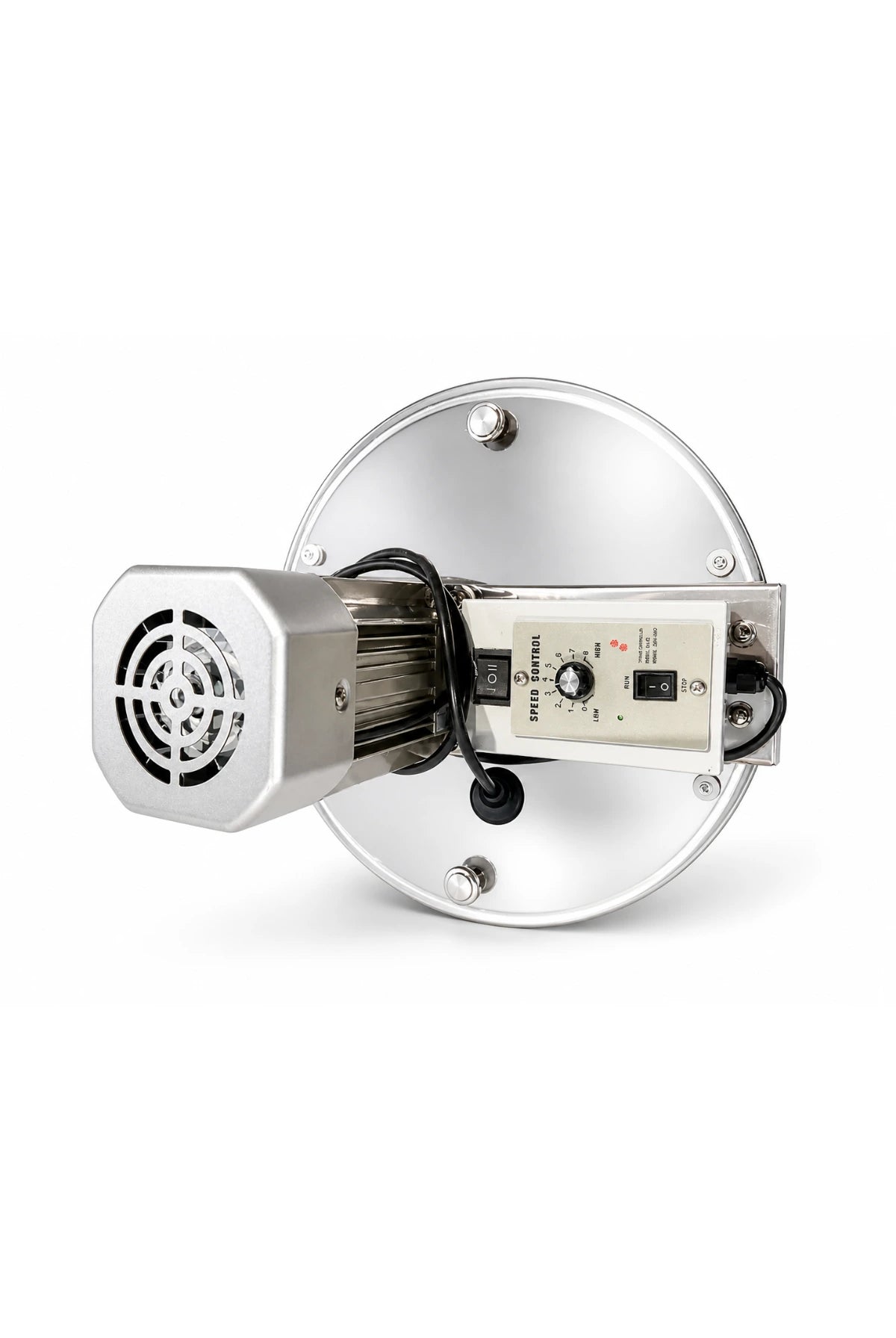
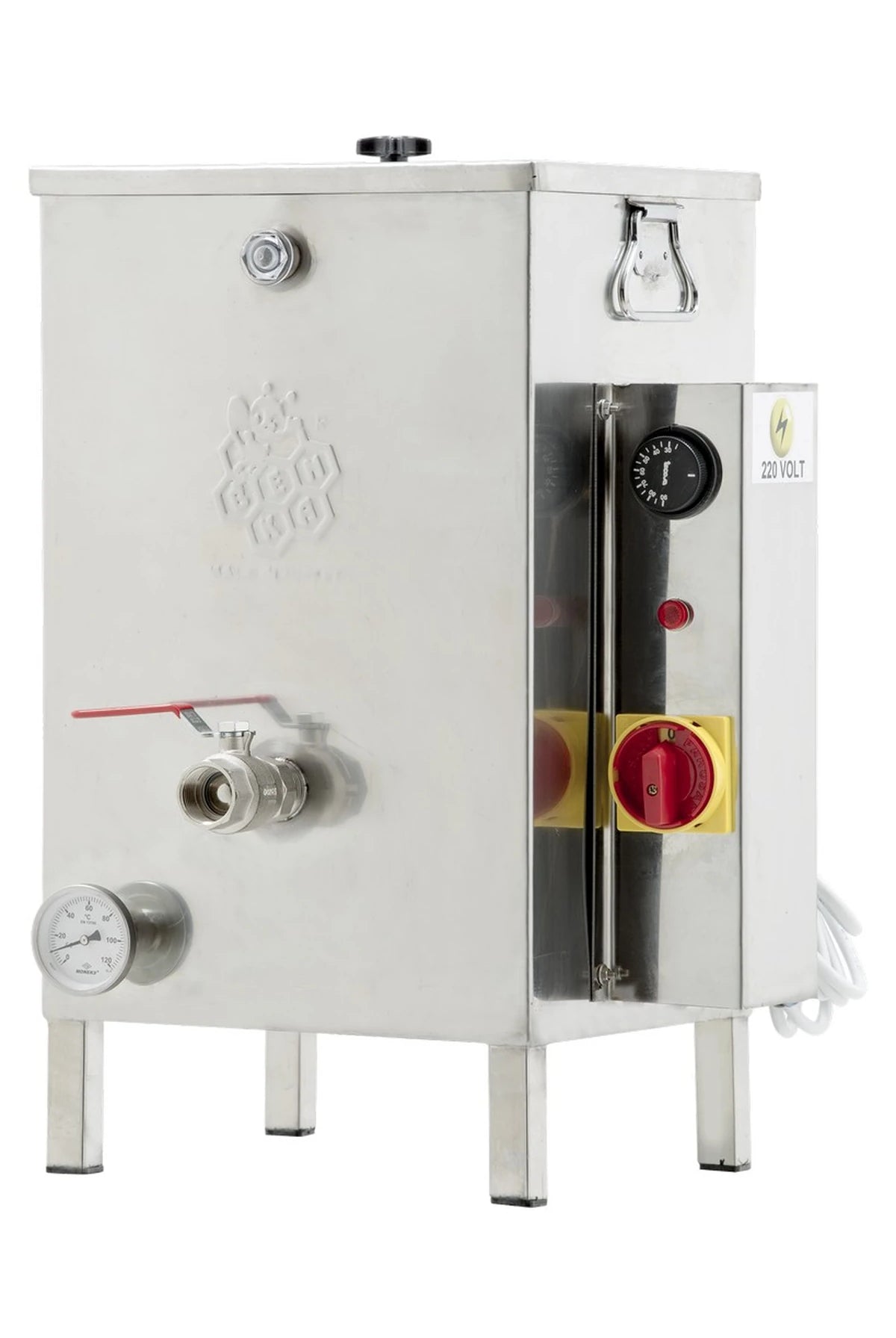
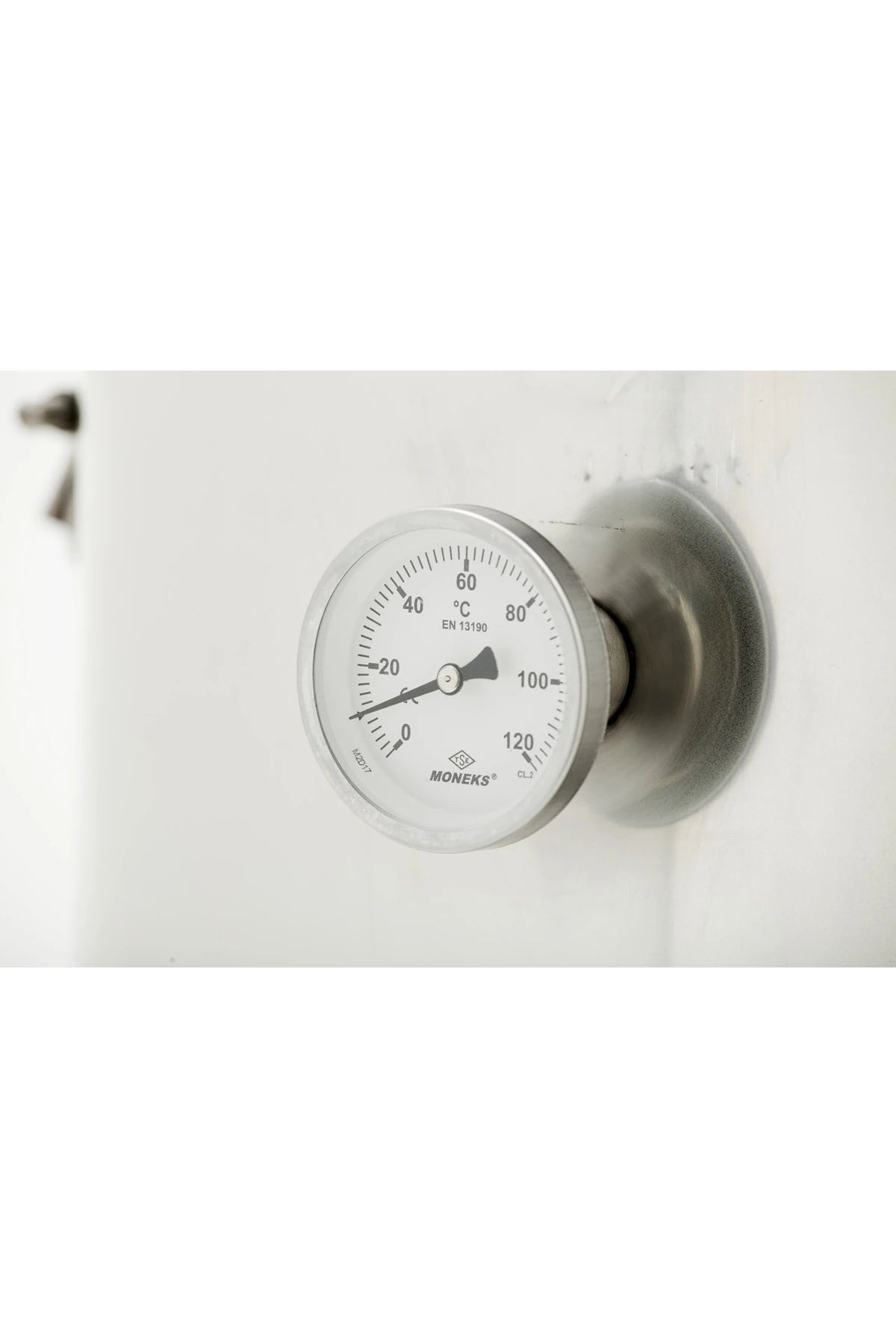
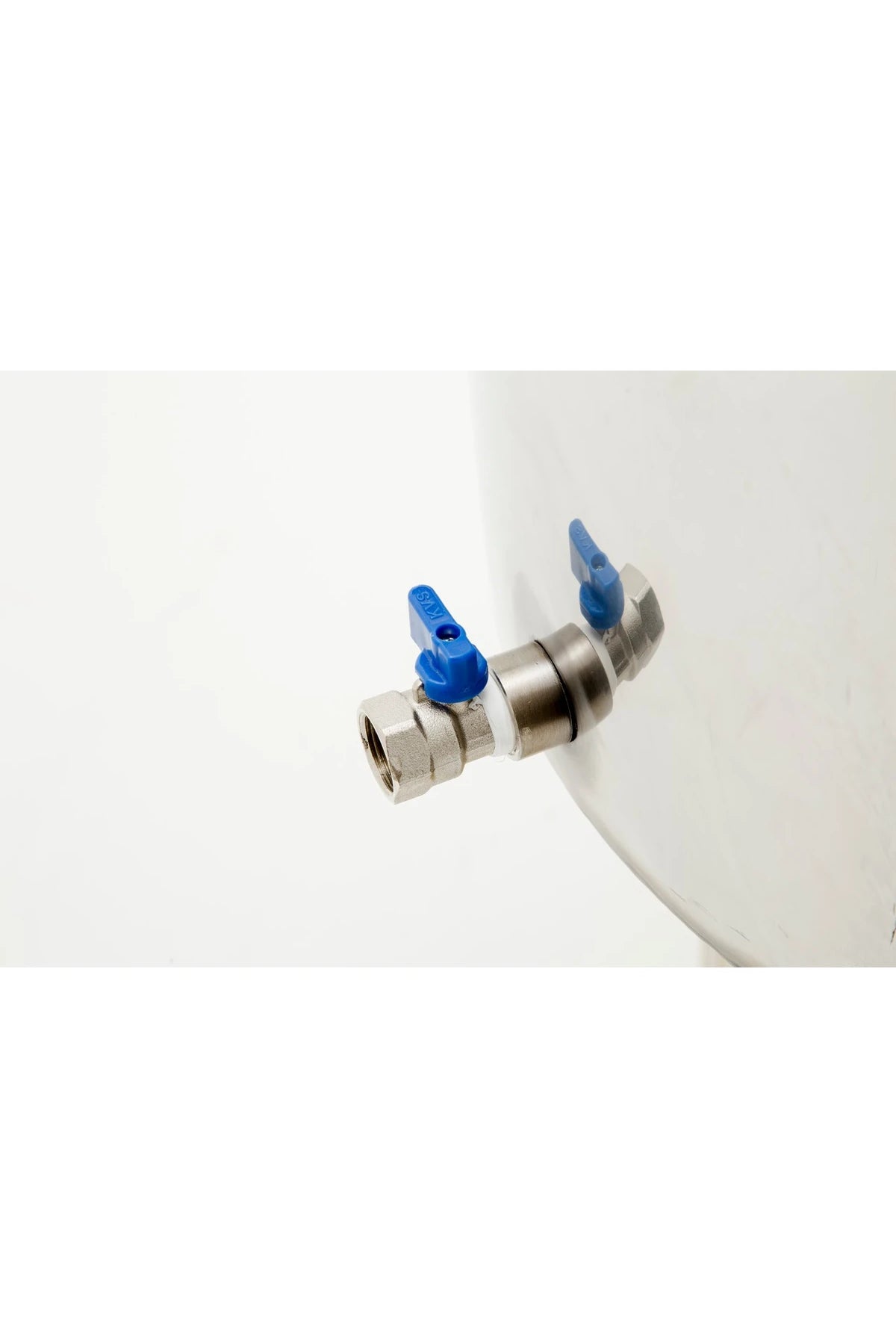
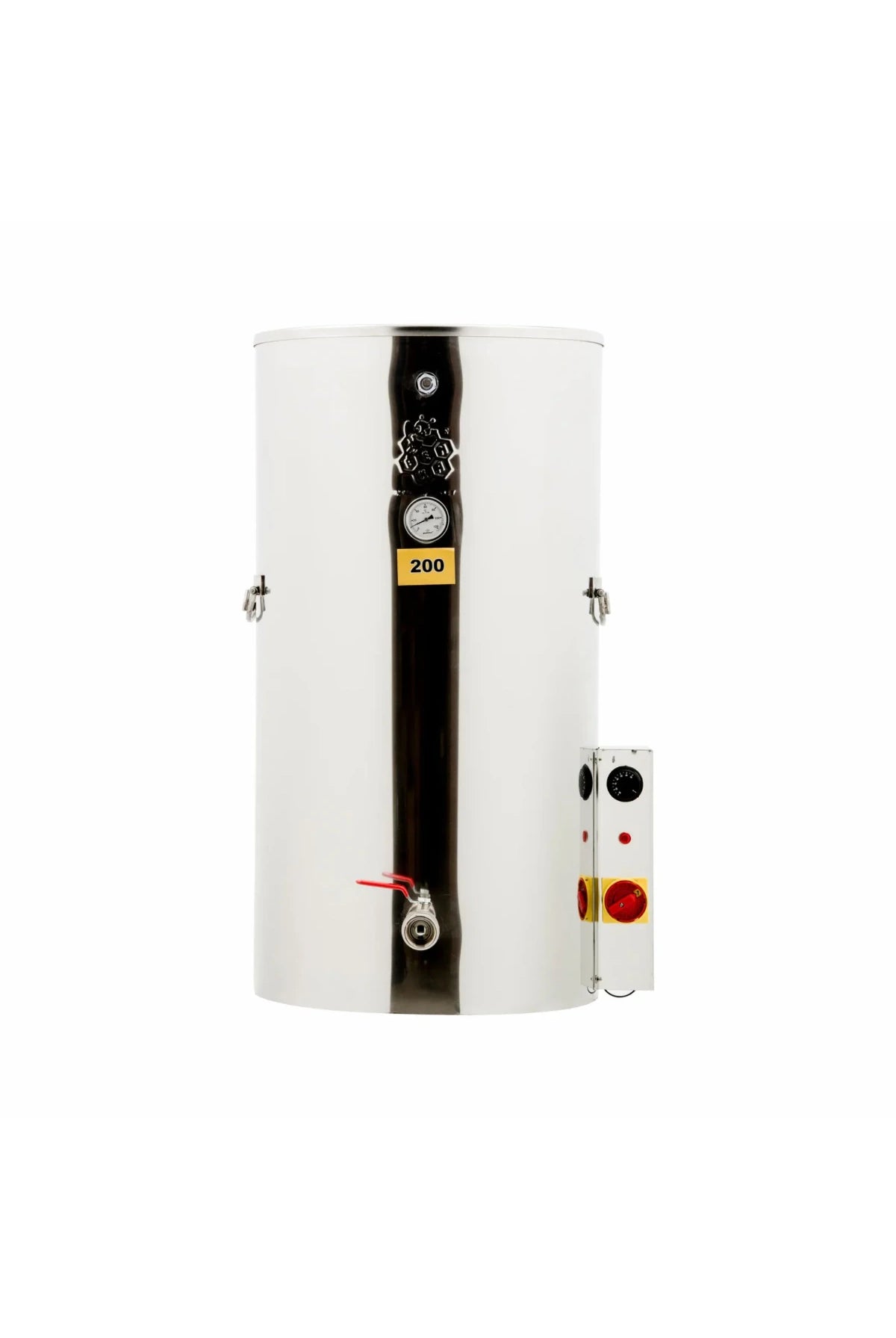
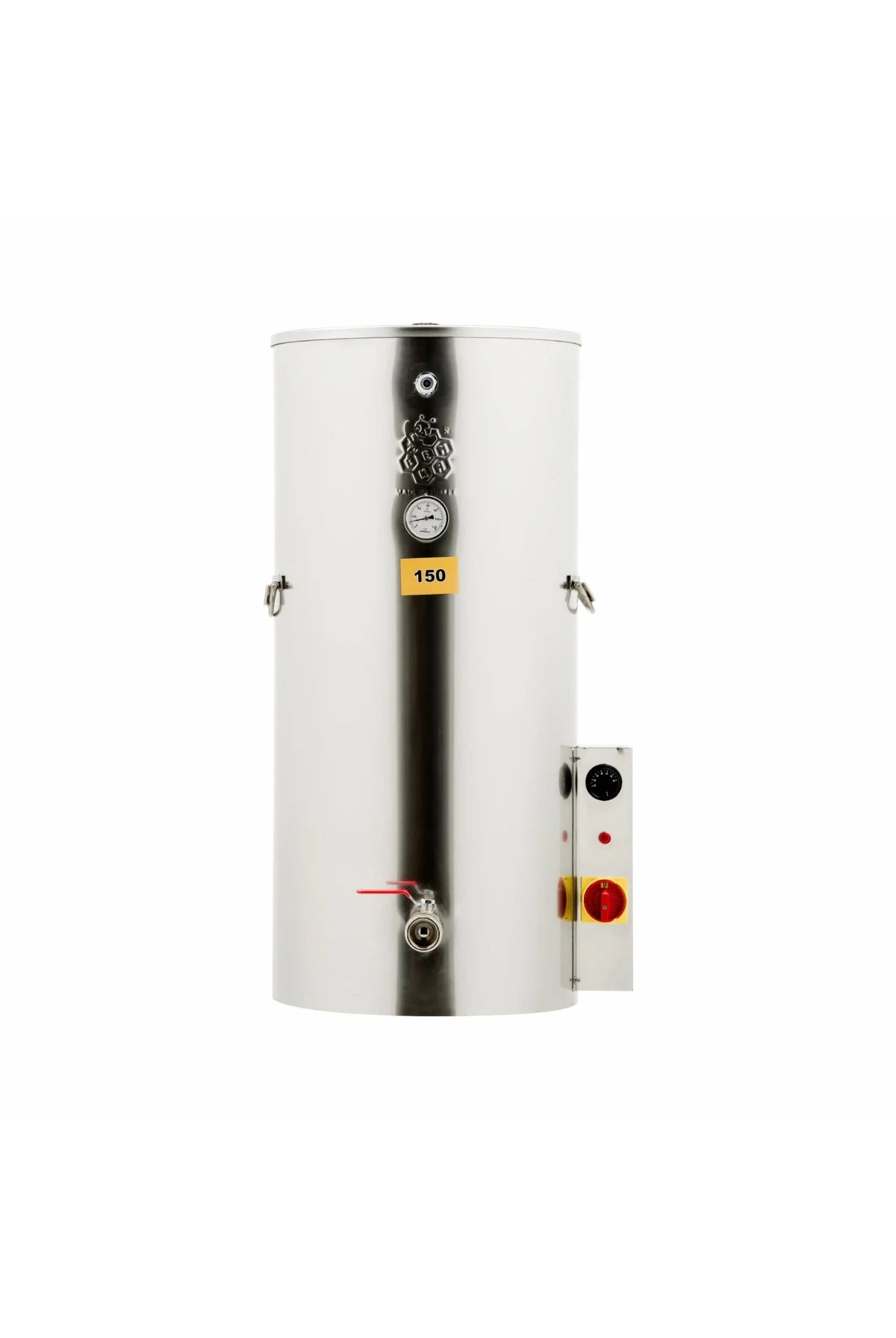
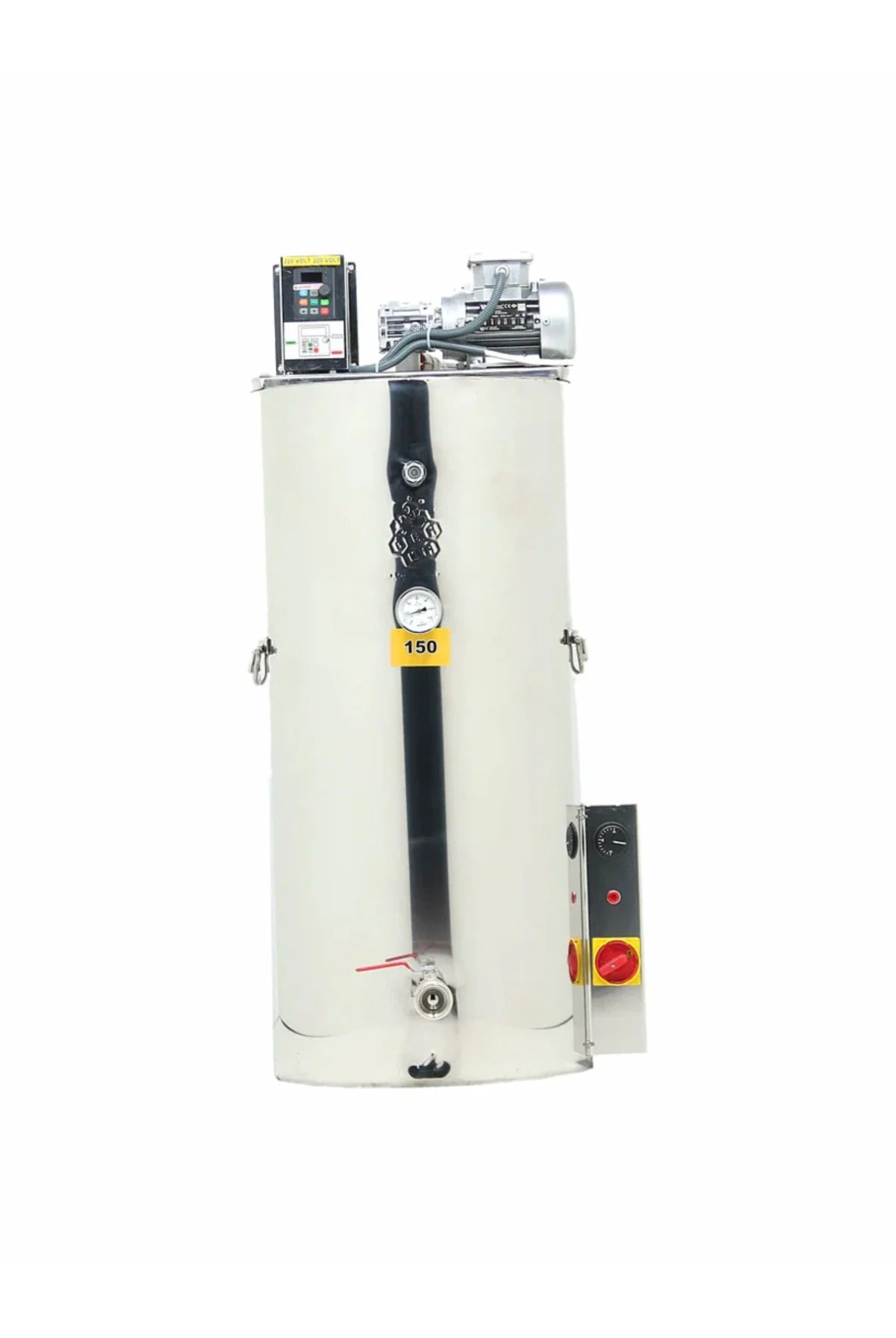
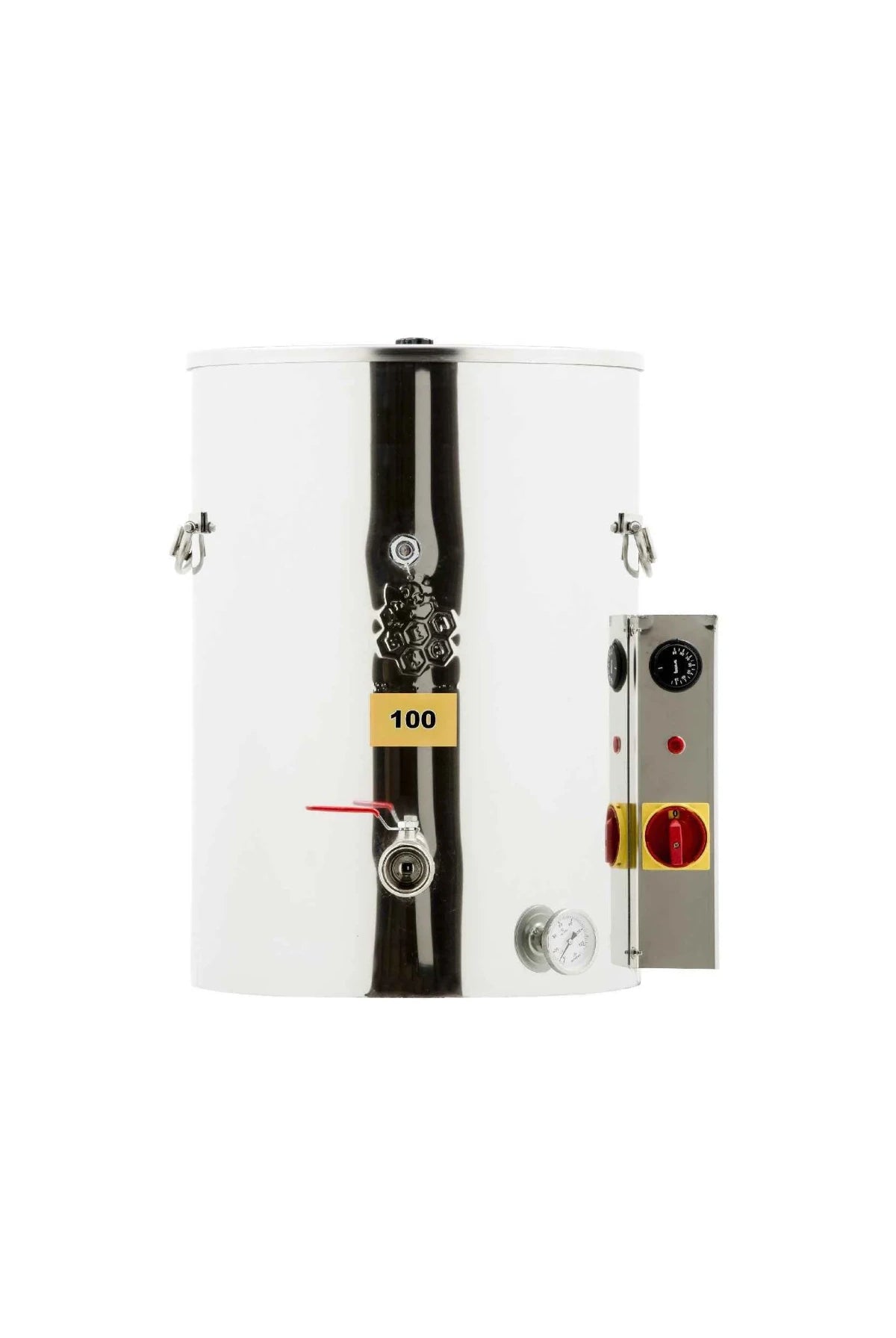
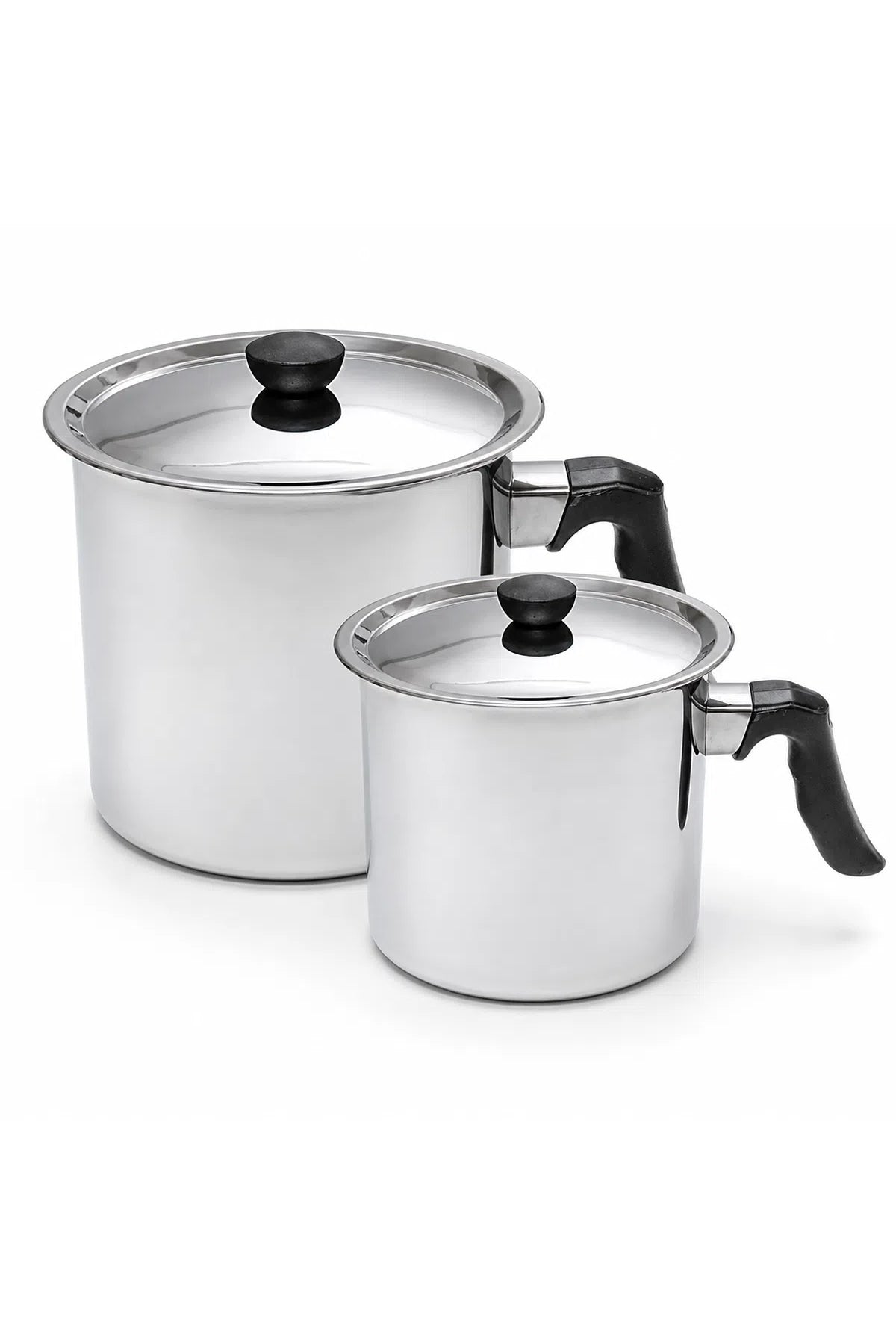
🍯 Honey Decrystallizers – Precision Control for Smooth, High-Quality Honey
Crystallisation is a natural process in raw honey and often a sign of purity. However, it can make handling, bottling, and selling more difficult. That’s where high-quality honey decrystallizing equipment becomes essential. At OZ Armour, we provide advanced solutions designed to gently restore honey to its natural liquid state without compromising its enzymes, flavour, or nutritional value.
Whether you’re managing a small apiary or operating at a commercial scale, maintaining honey consistency is critical for both quality and efficiency. Our range of warming and liquefying systems ensures controlled heat application, helping you achieve smooth flow while preserving the integrity of your product.
🔧 Smart Solutions for Every Scale
From large-capacity systems to flexible heating tools, every solution is engineered for precision and ease of use:
-
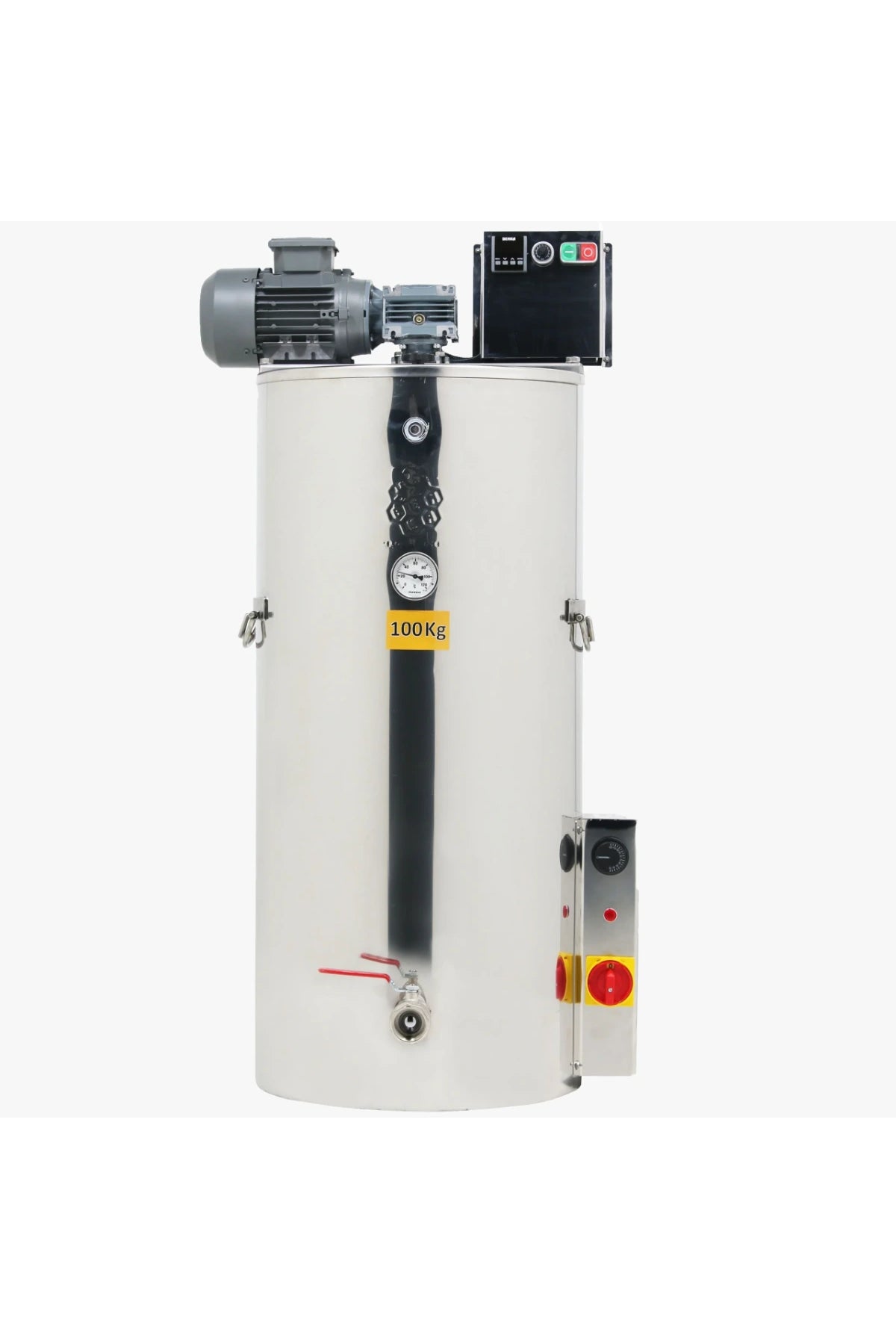
Tank Heating Systems for Bulk Processing
Ideal for processing large volumes, these systems deliver even heat distribution across honey tanks. This prevents overheating while ensuring uniform liquefaction, making them perfect for consistent, large-batch operations. -
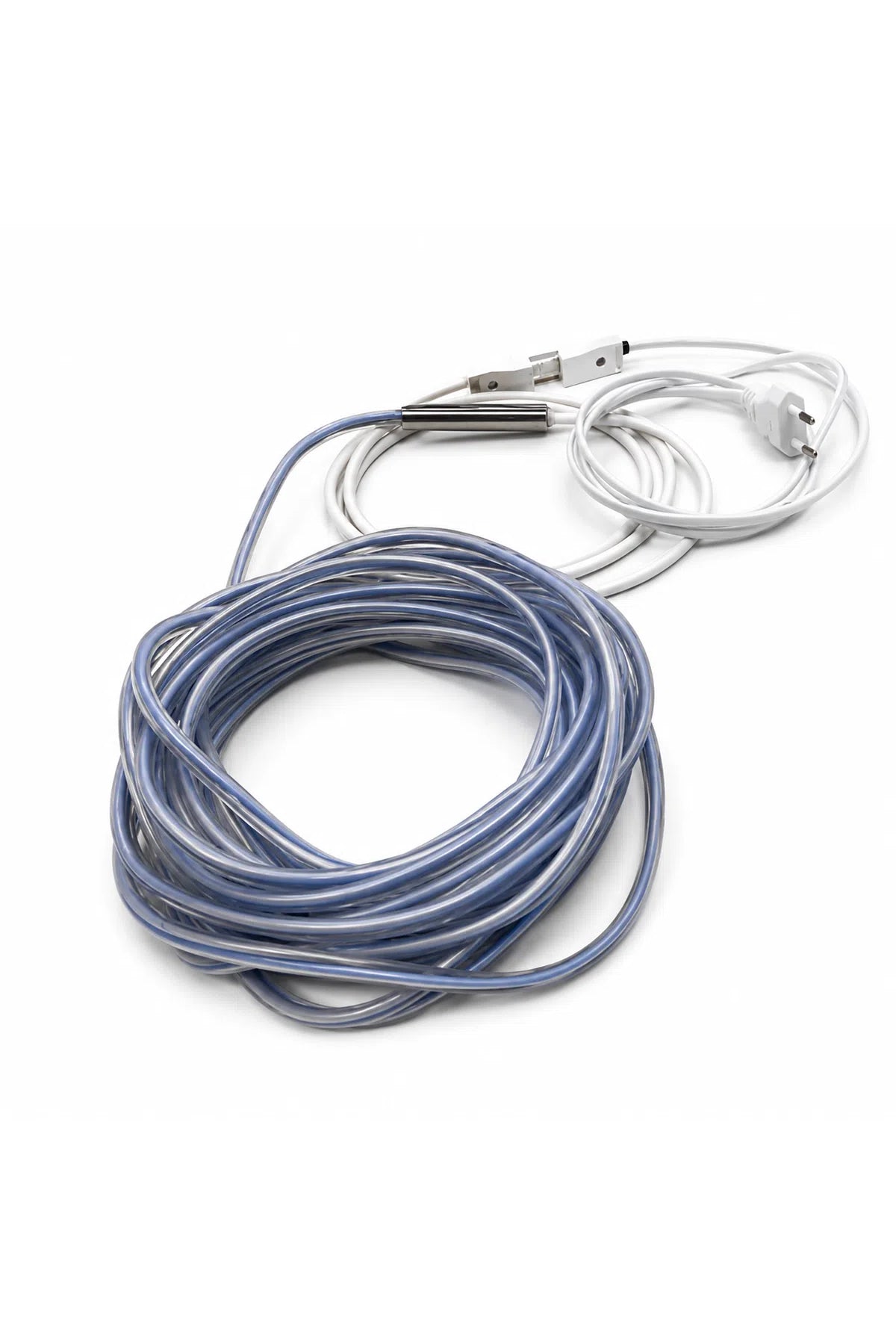
Heating Wraps for Targeted Warming
Flexible warming blankets allow you to heat honey directly within containers. These are highly efficient for small batches or partially crystallised honey, eliminating the need for transfer between vessels. -
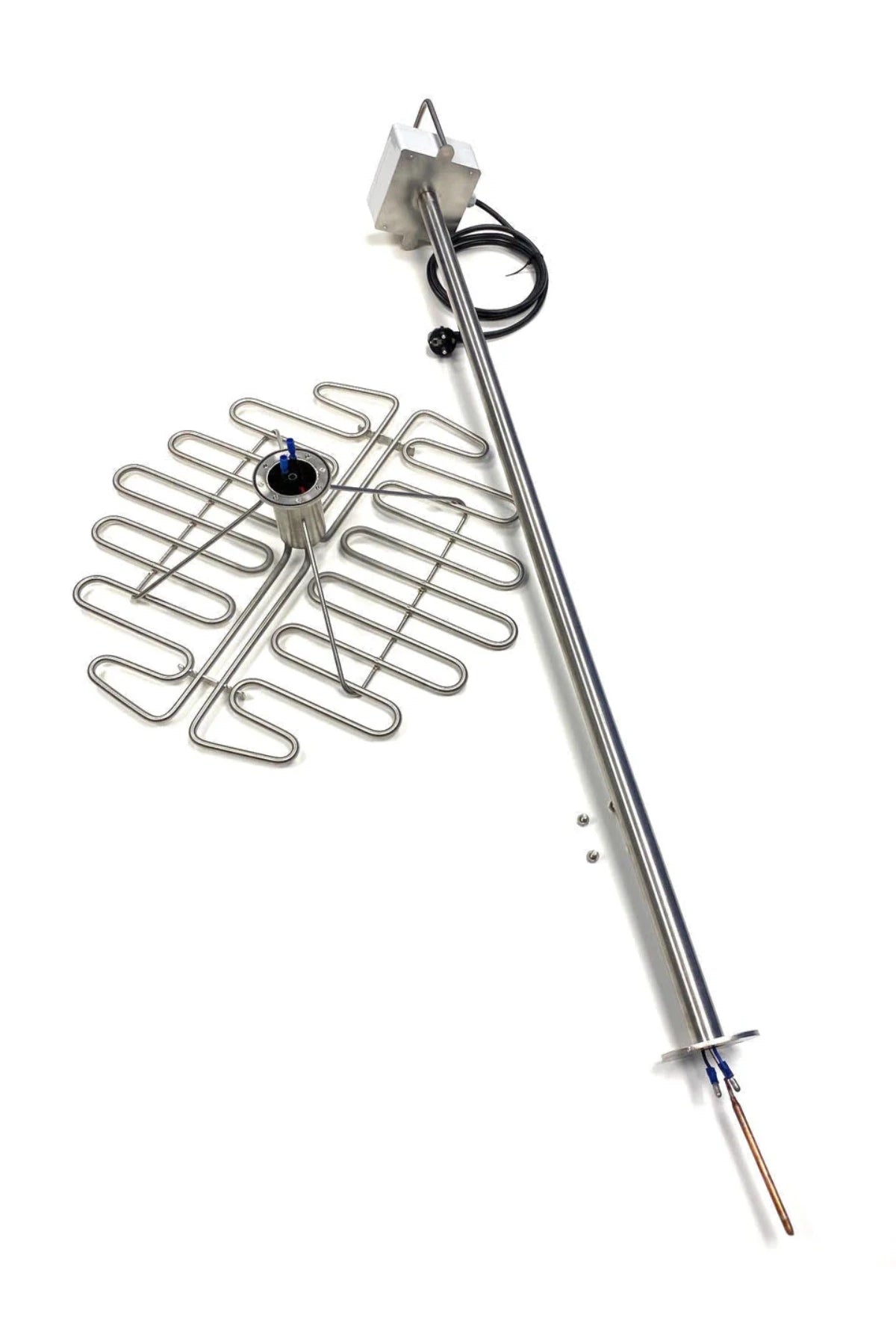
Immersion Heating Technology
Direct-contact heaters offer fast and controlled warming inside tanks. Built with food-safe materials, they ensure safe operation while maintaining precise temperature levels for optimal results. -
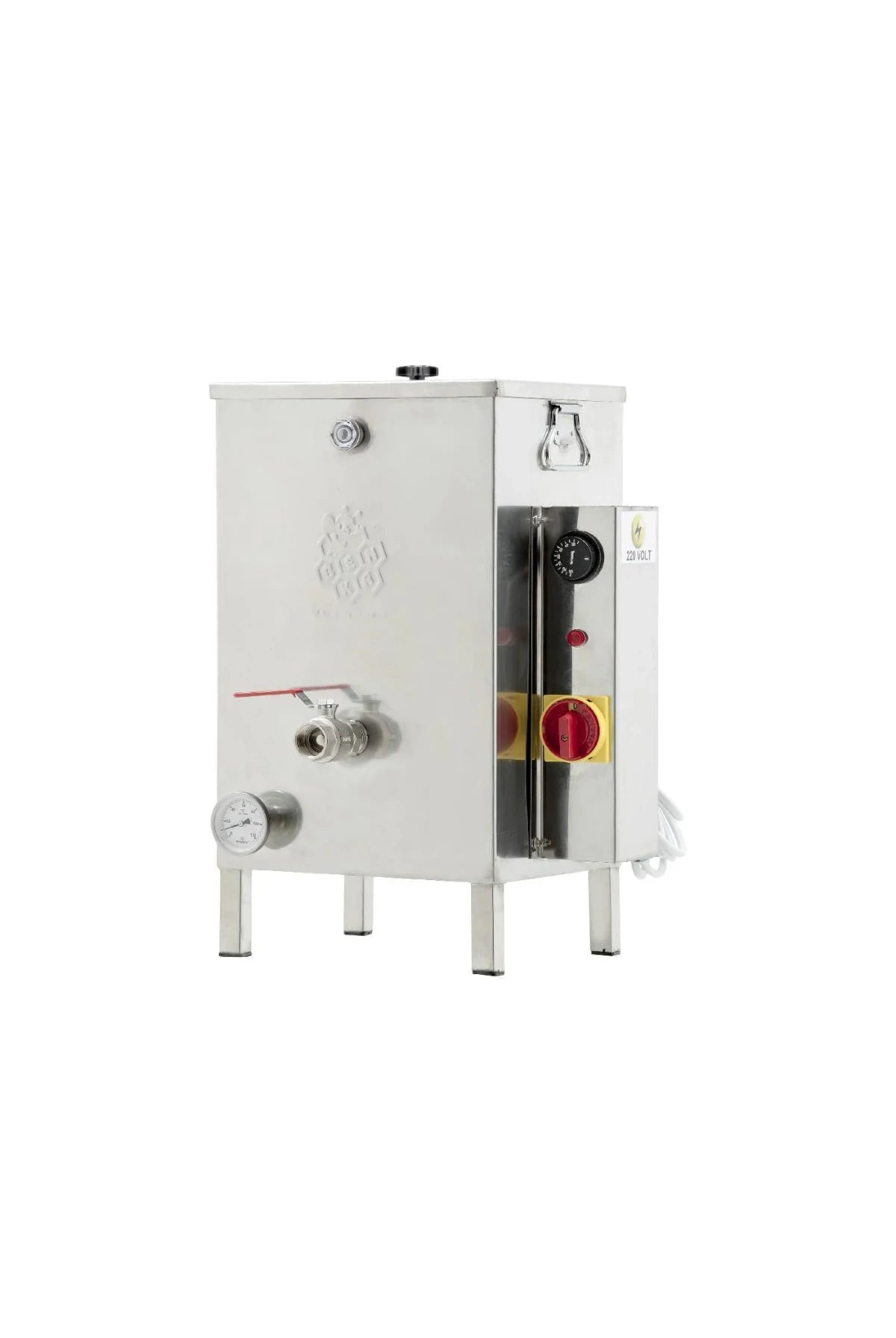
Multi-Functional Melting Units
Compact melters designed for both honey and wax processing provide versatility during harvest periods, helping streamline operations with a single piece of equipment. -
Advanced Processing Systems
High-capacity units offer enhanced control for professional use, allowing simultaneous liquefaction and texture management—ideal for preparing honey for market-ready consistency.
✅ Why Choose OZ Armour Processing Equipment?
- Designed for controlled, even heat distribution
- Helps preserve natural enzymes and flavour profile
- Built with food-grade, durable materials
- Suitable for both small-scale and commercial operations
- Improves workflow efficiency and product consistency
🍯 Maintain Quality, Improve Efficiency
Using the right warming tools not only restores honey’s smooth texture but also ensures it remains visually appealing and easy to handle. With OZ Armour, you can confidently process your honey while protecting its natural properties and market value.
For safe handling during processing, many professionals rely on ventilated bee jackets, reinforced hand safety gear such as premium apiary gloves, and clear-vision face shields like protective mesh veils.
For full coverage, options such as full protective suits and durable lower-body wear provide additional safety. Entry-level options like youth-friendly protective suits and accessories like boot-seal guards further enhance protection.
To support your workflow, explore the complete apiary equipment collection. You can also expand your knowledge through Learn Beekeeping or read more blogs about beekeeping for expert insights.
For those who prefer a distinctive look without compromising safety, explore pink bee Suits designed for both comfort and visibility.
Upgrade your honey processing setup today and ensure every batch stays pure, smooth, and ready for sale.
❓ Frequently Asked Questions (Honey Decrystallization)