
Live Bees for Sale – Healthy, Productive Colonies for Your Apiary
🐝 Live Bees – Strong, Healthy Colonies for Reliable Hive Growth
Building a productive apiary starts with the quality of your bees. At OZ Armour, our live bee options are carefully selected to support strong colony development, consistent honey production, and long-term hive stability.
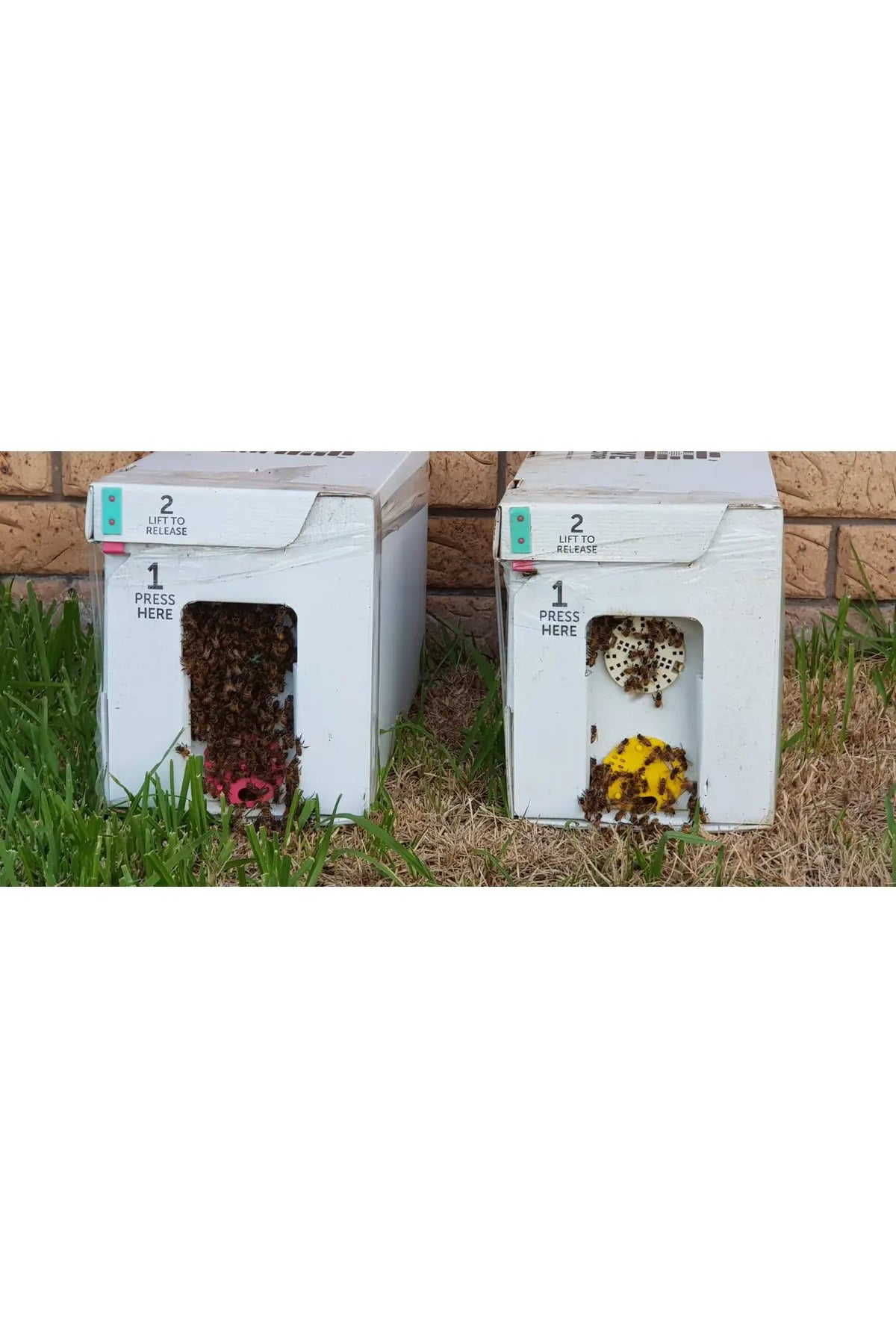
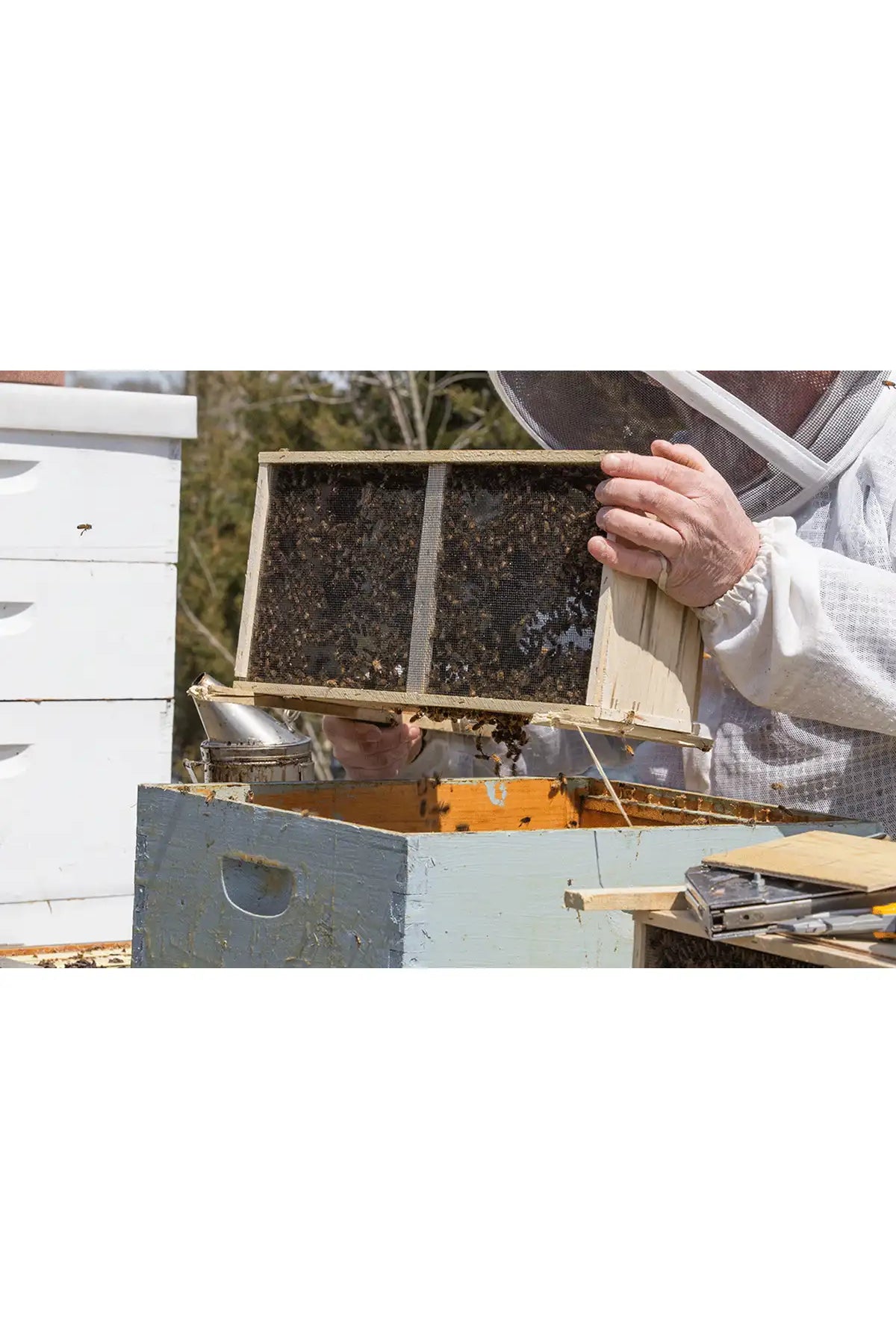
Whether you're starting your first hive or expanding an existing setup, choosing well-managed, healthy bees is essential. Our range includes mated queens, nucleus colonies (NUCs), and live bee packages — all prepared to help you establish or strengthen your apiary with confidence. For safe hive handling, many beekeepers rely on gear like ventilated hive jackets, precision grip gloves for apiary work, and protective mesh veils.
⚙️ What Makes Our Live Bees Reliable
Every colony and queen is sourced with a focus on health, adaptability, and performance in real beekeeping conditions:
-
Healthy & Active Colonies
Raised in well-maintained environments to ensure strong brood patterns and active foraging behaviour -
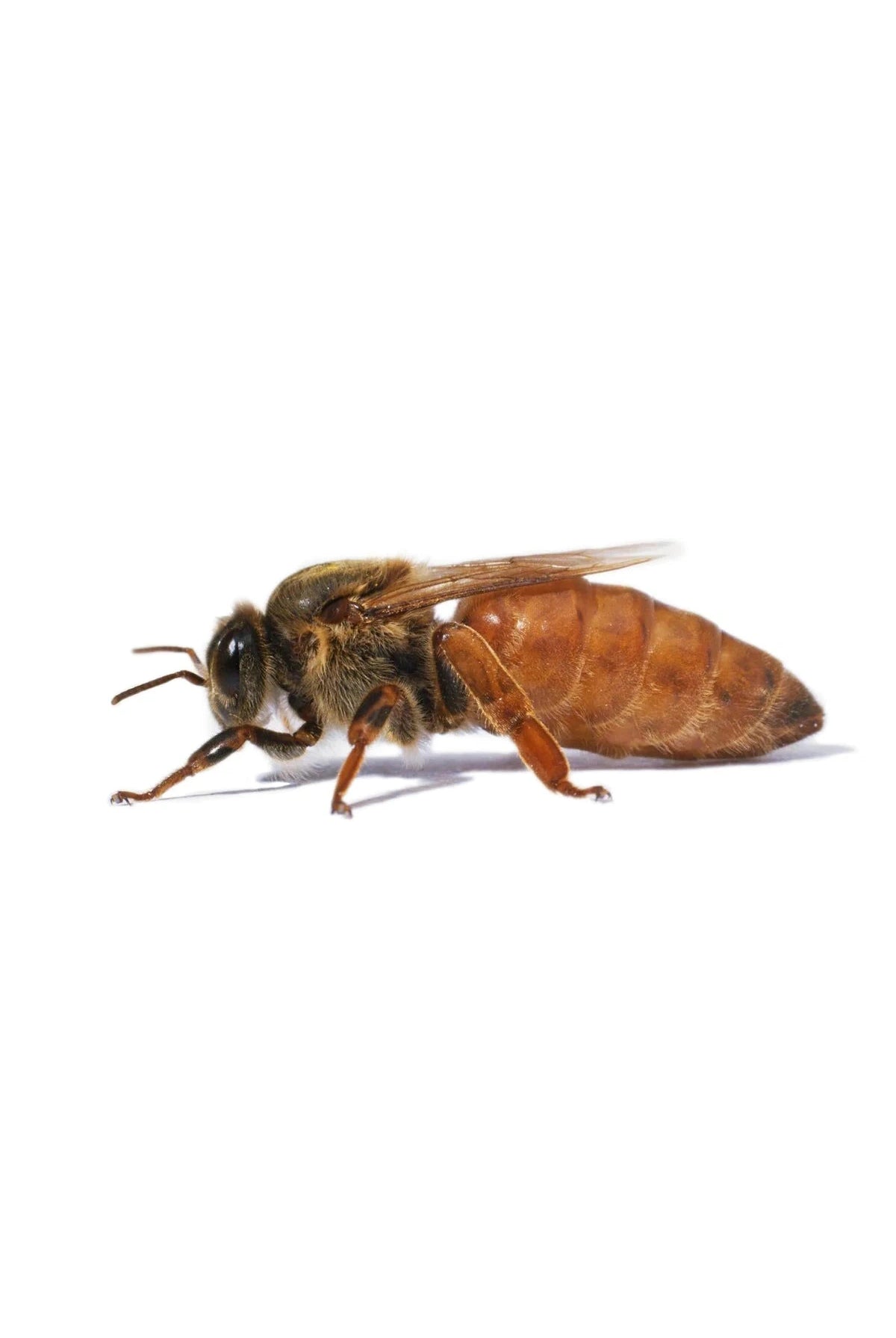
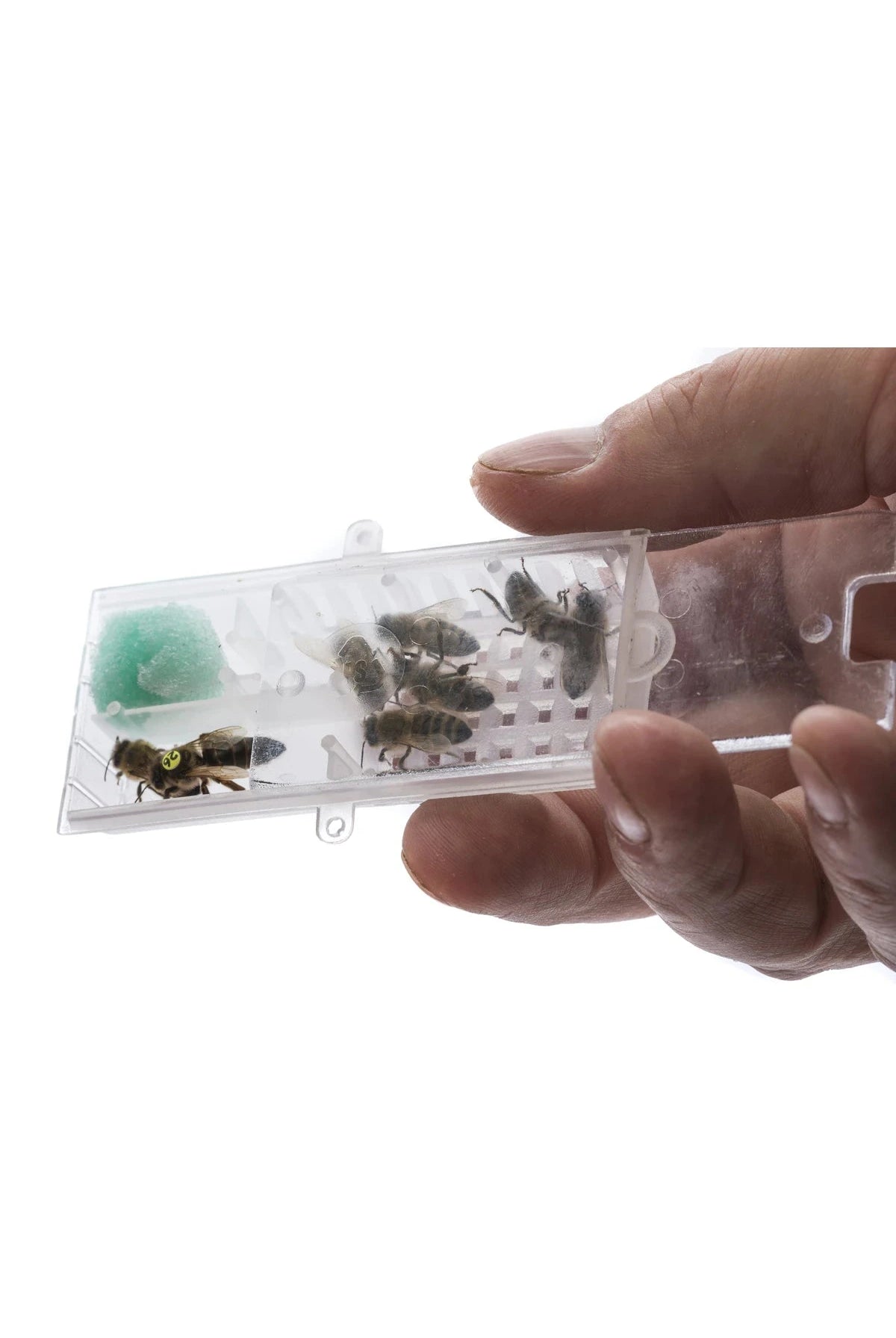
Mated Queen Bees
Carefully selected queens ready to establish stable and productive colonies -
Balanced Temperament
Suitable for both beginners and experienced beekeepers, with manageable and consistent behaviour -
Adapted to Local Conditions
Selected to perform well in regional climates for better survival and productivity -
Careful Handling & Preparation
Bees are prepared to minimize stress and support successful introduction into new hives
For added protection during hive inspections, experienced beekeepers often use full coverage protective suits, durable lower-body protection, and ankle safety guards.
🔍 Options Available for Different Beekeeping Needs
Our category includes a variety of choices depending on your goals:
- Mated Queen Bees – Ideal for replacing or upgrading your colony genetics
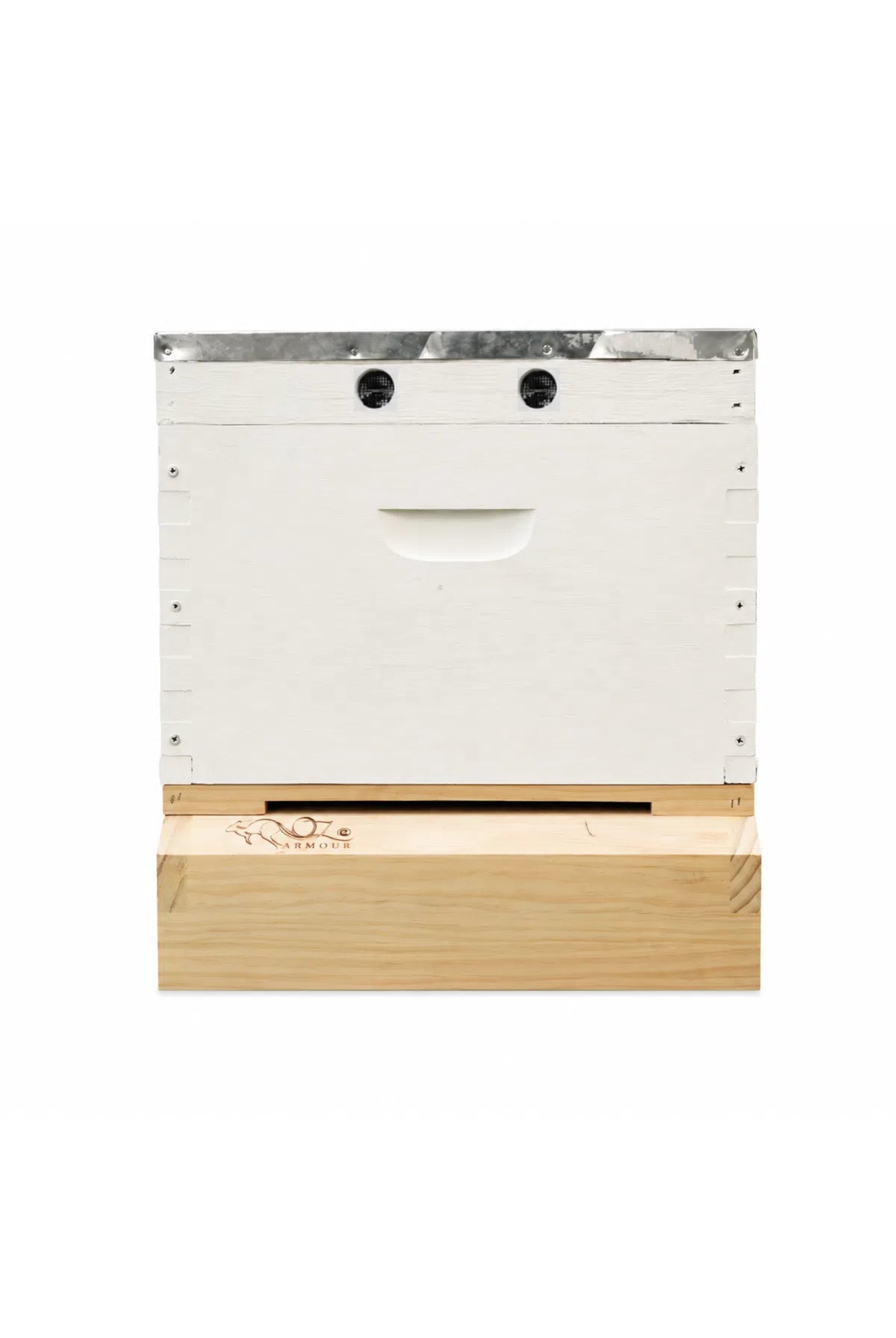
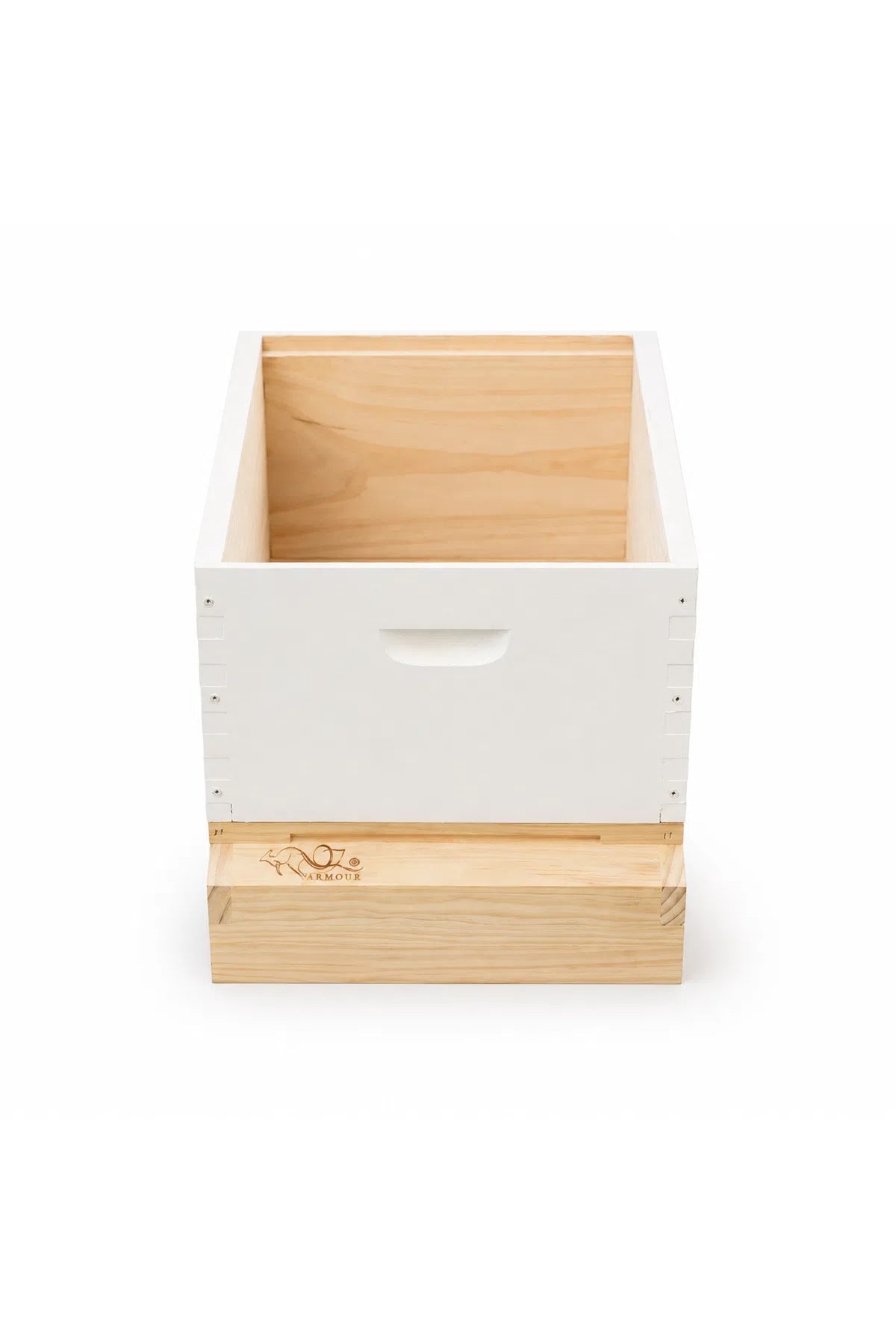
- NUC Colonies (With Frames) – A ready-to-grow hive setup with brood, workers, and a queen
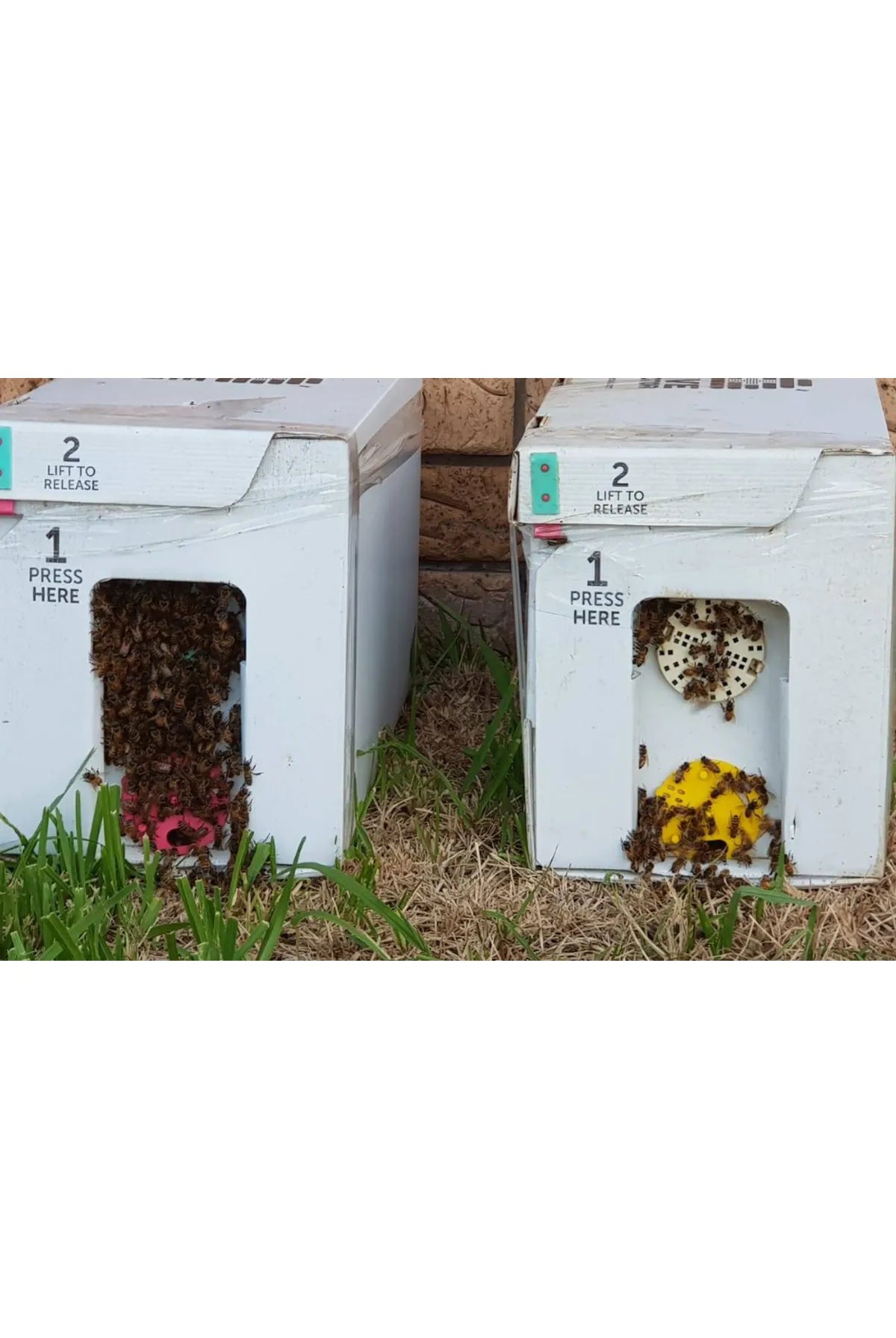
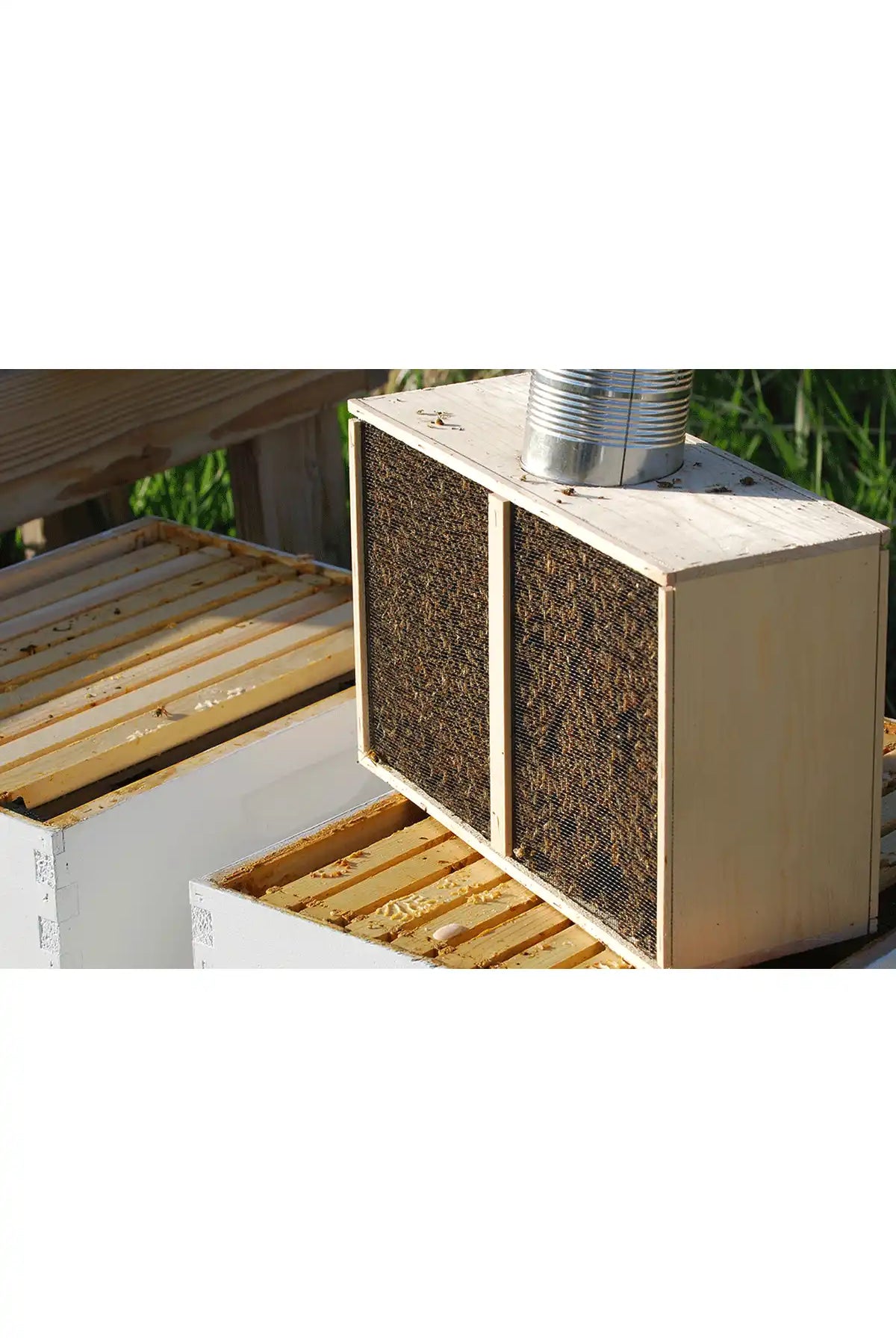
- Live Bee Packages – Suitable for starting new colonies from scratch
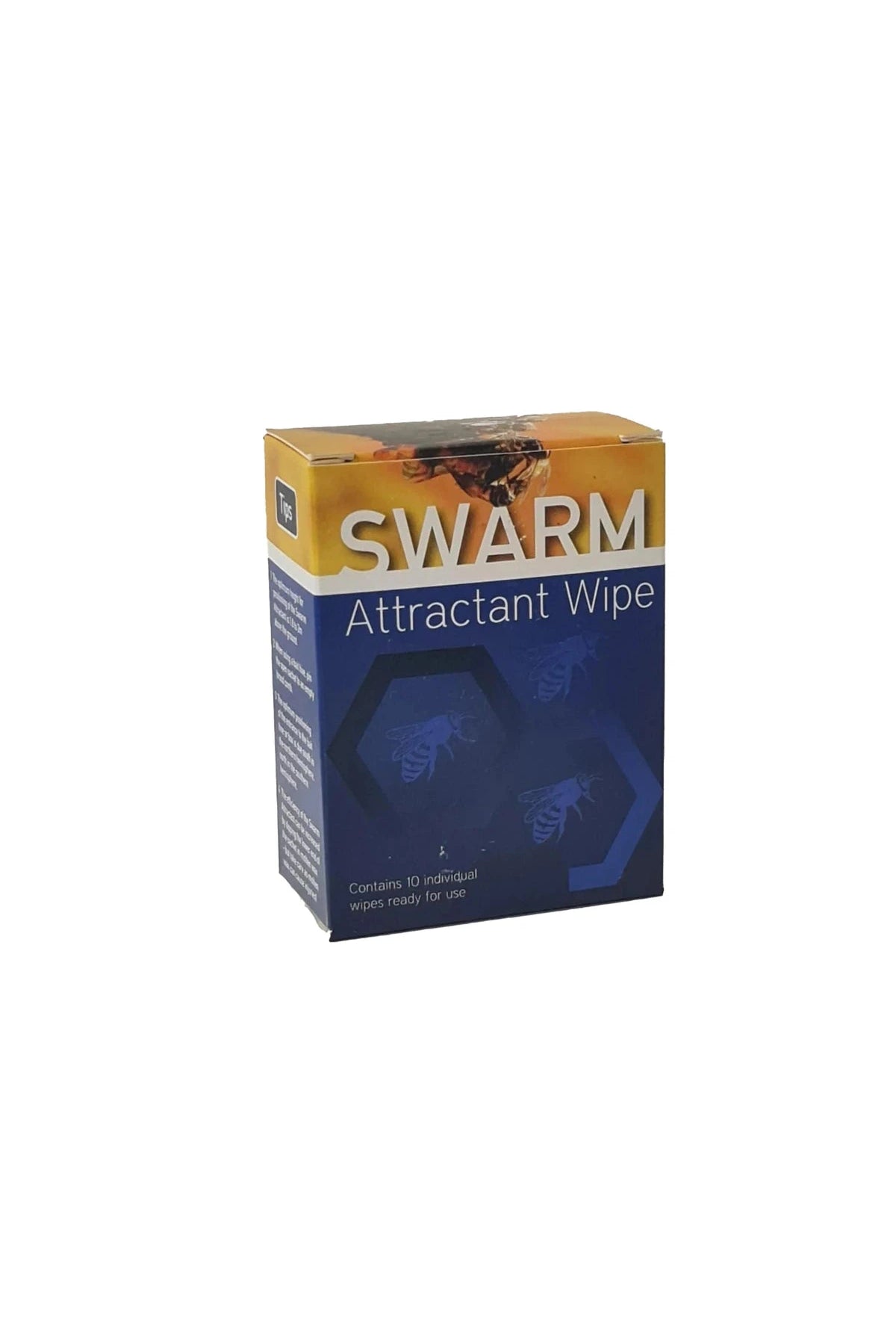
- Swarm Attractants & Support Products – Help naturally establish colonies in prepared hives
Each option is designed to integrate smoothly into your hive setup, allowing you to focus on growth and management. Supporting tools can also be found under Beekeeping Equipments for a complete setup.
🧩 Designed for Successful Colony Establishment
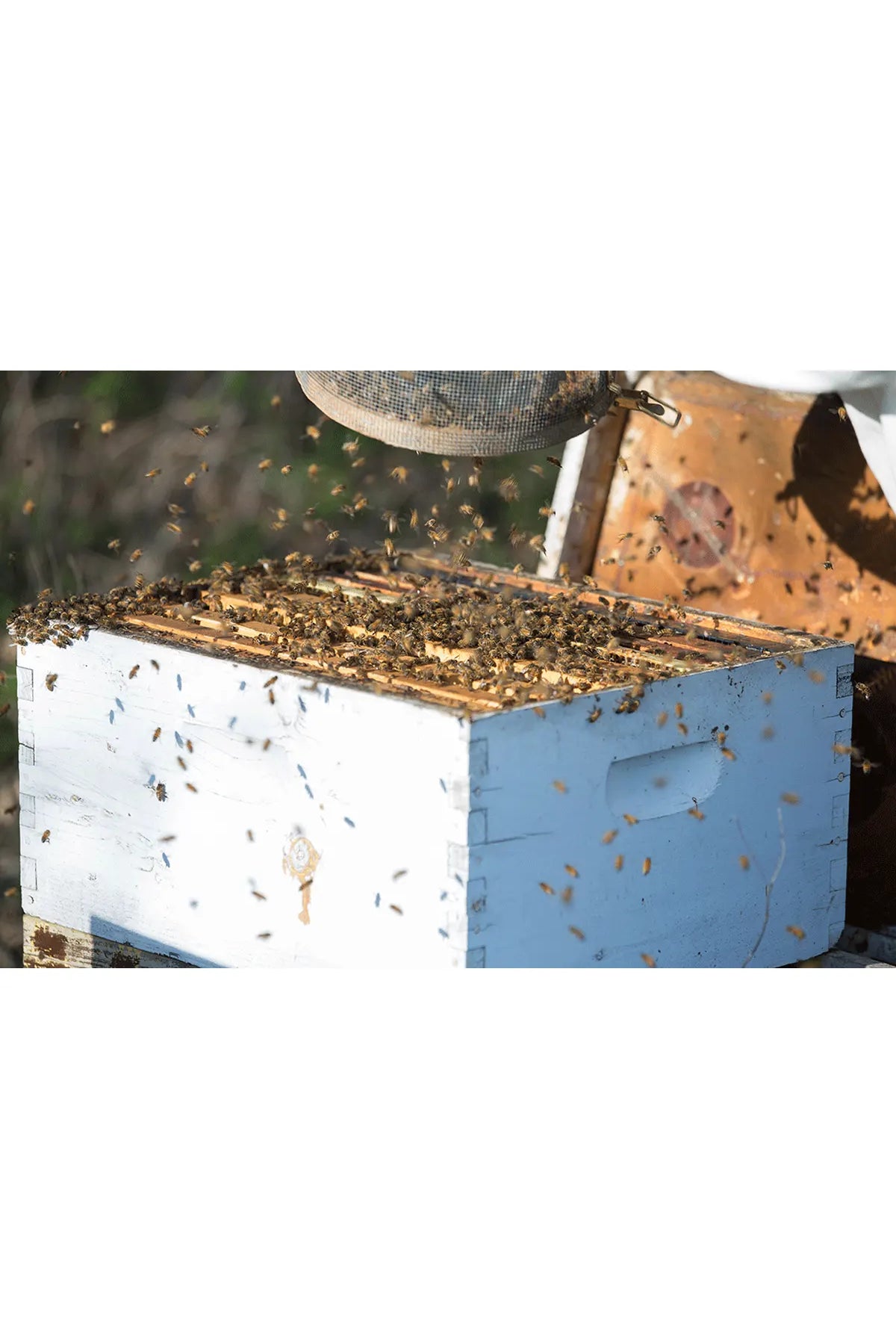
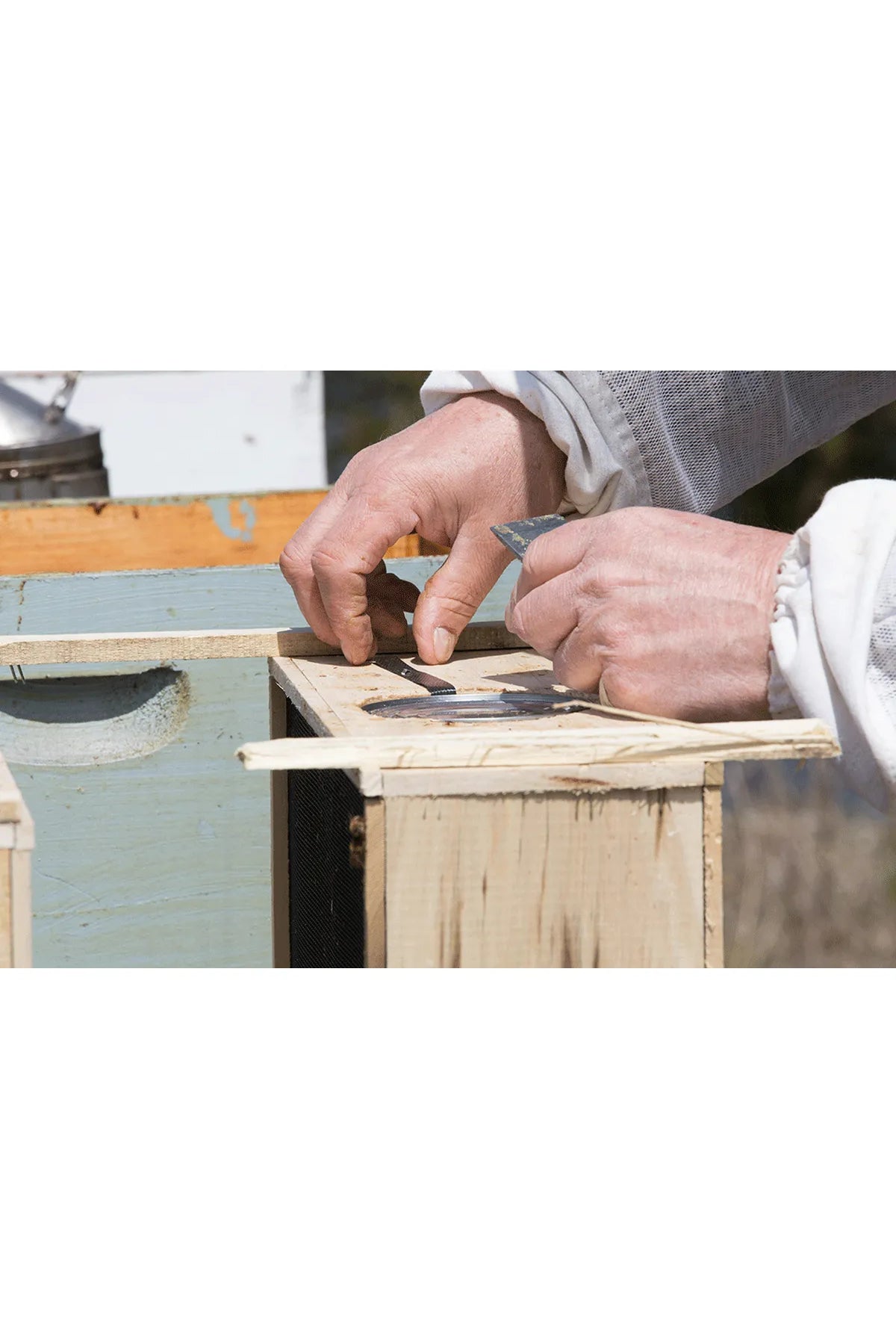
Introducing new bees requires the right approach. Proper hive preparation, calm handling, and gradual introduction of the queen all contribute to higher acceptance rates and healthier colony development.
Using well-prepared bees also reduces the risks associated with weak or unstable colonies, giving you a stronger foundation for long-term success.
🚀 Start or Expand Your Apiary with Confidence
At OZ Armour, we prioritize quality, reliability, and real beekeeping results. Our live bees are selected to help you build resilient colonies that thrive, produce, and grow over time.
To improve your beekeeping knowledge and handling techniques, visit Learn Beekeeping or read more blogs about beekeeping. For beginners and families, options like Kids-friendly protective suits and pink bee suits provide comfort and accessibility.
❓ Frequently Asked Questions (FAQs)
Worker bees: typically live 4–6 weeks during active seasons
Queen bees: can live 2–5 years
Drones: usually live a few weeks