
Thermal Beehives
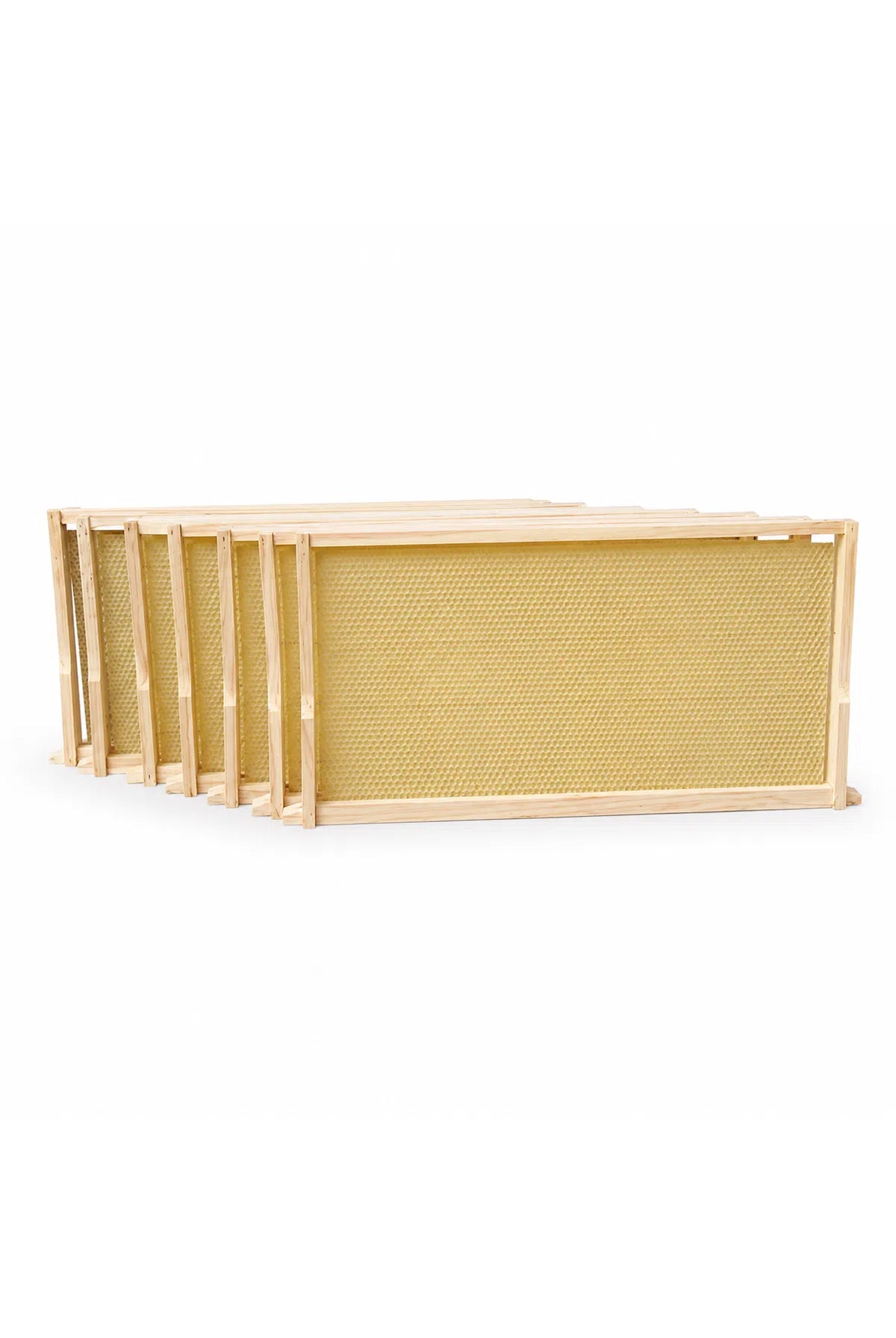
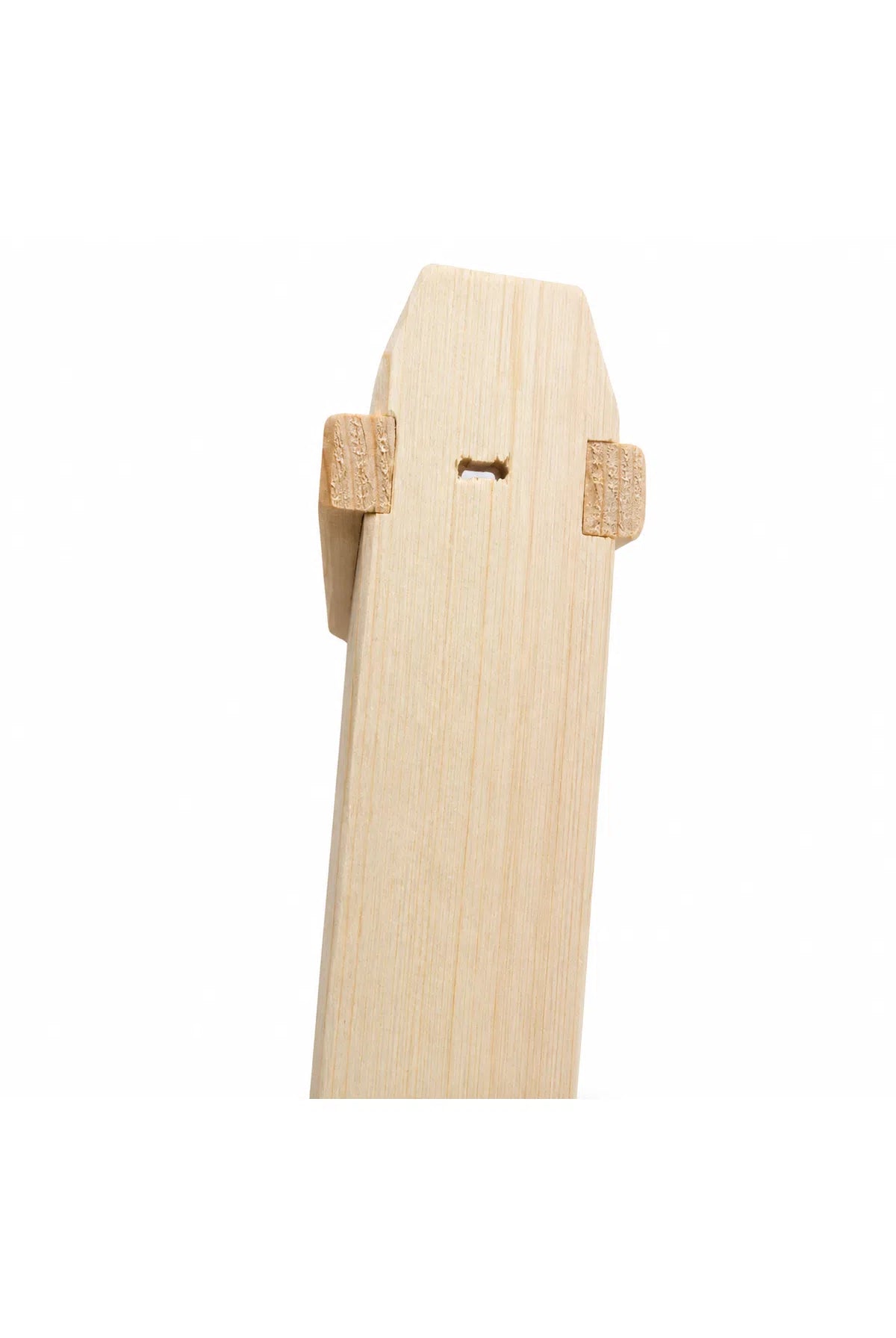
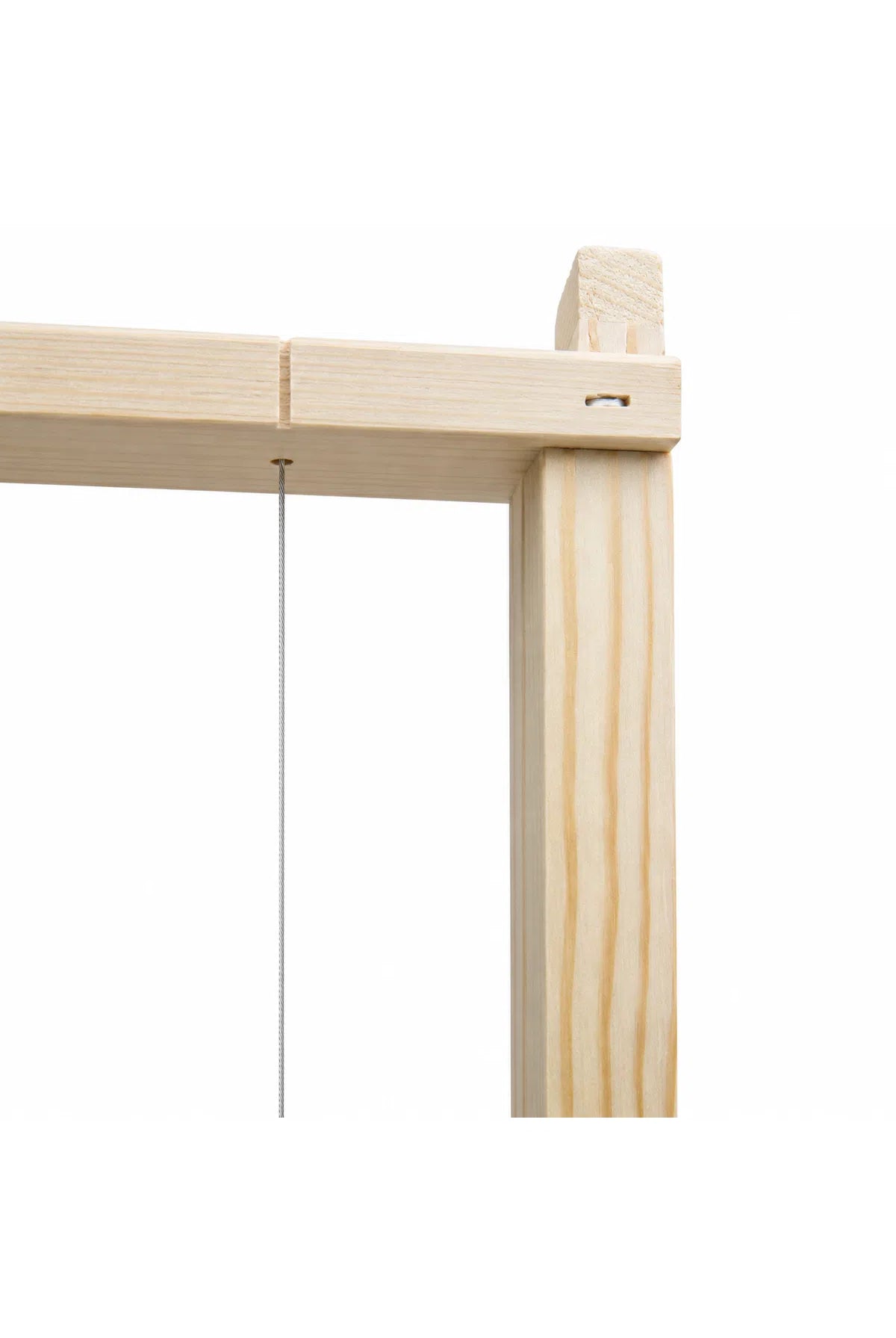
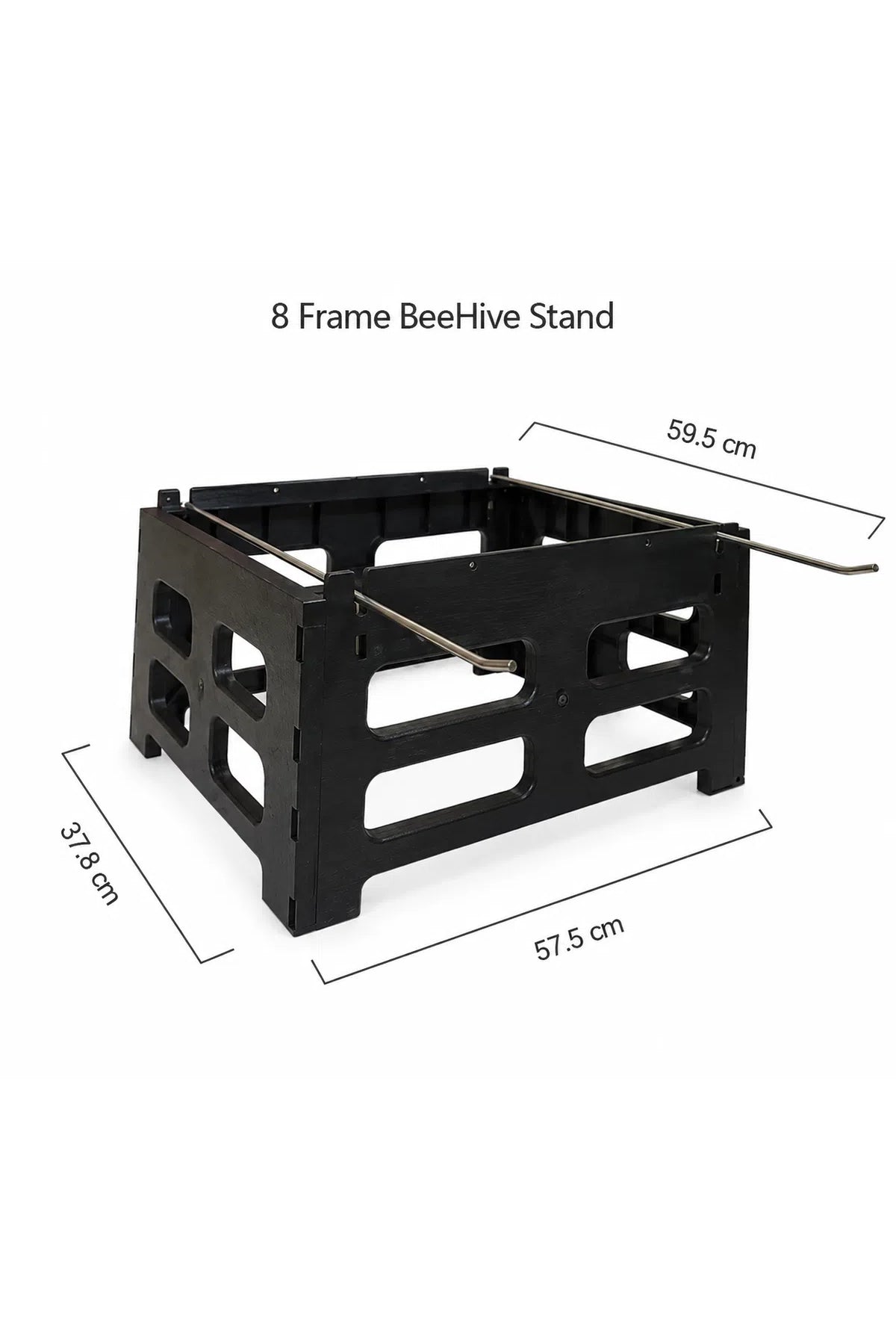
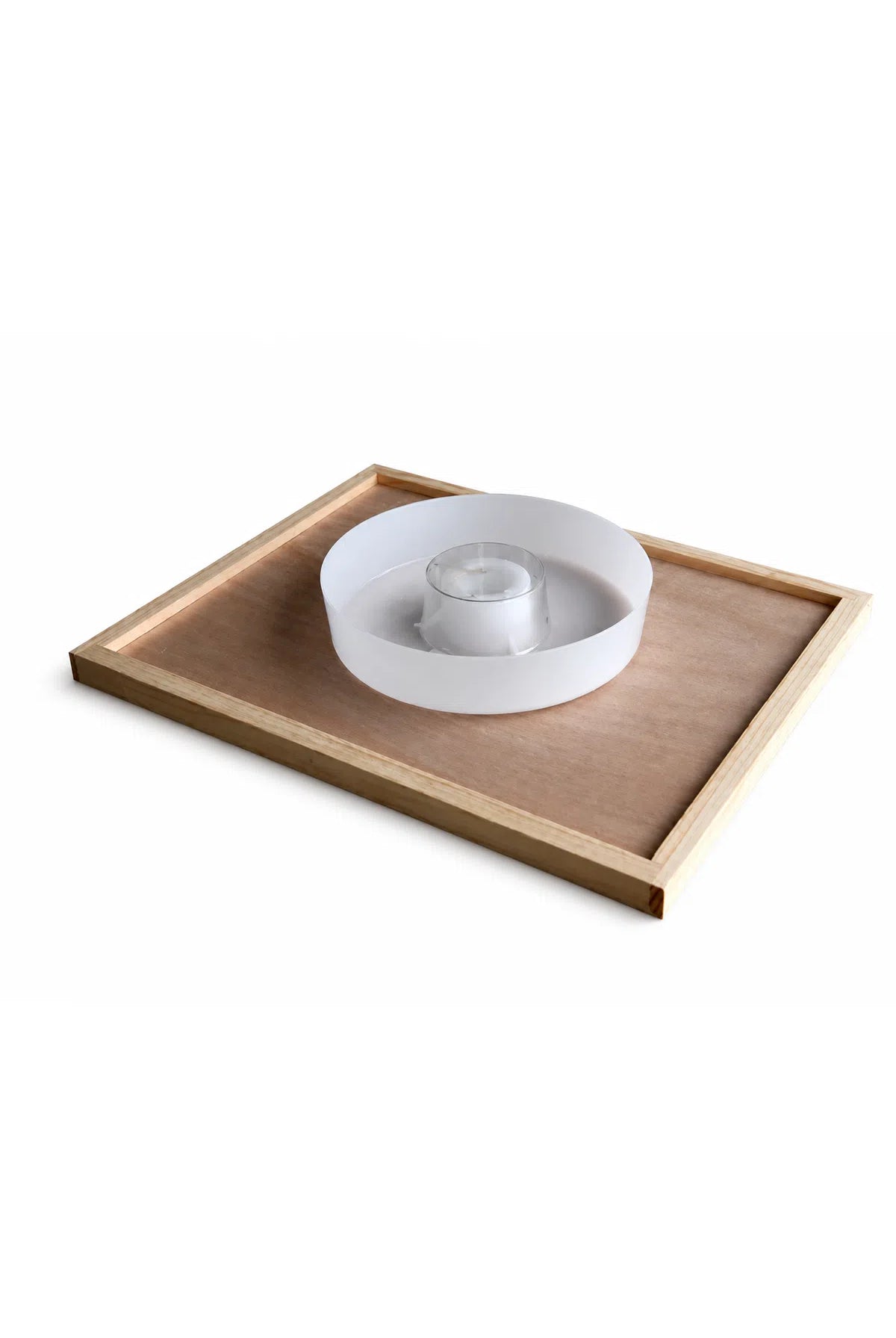
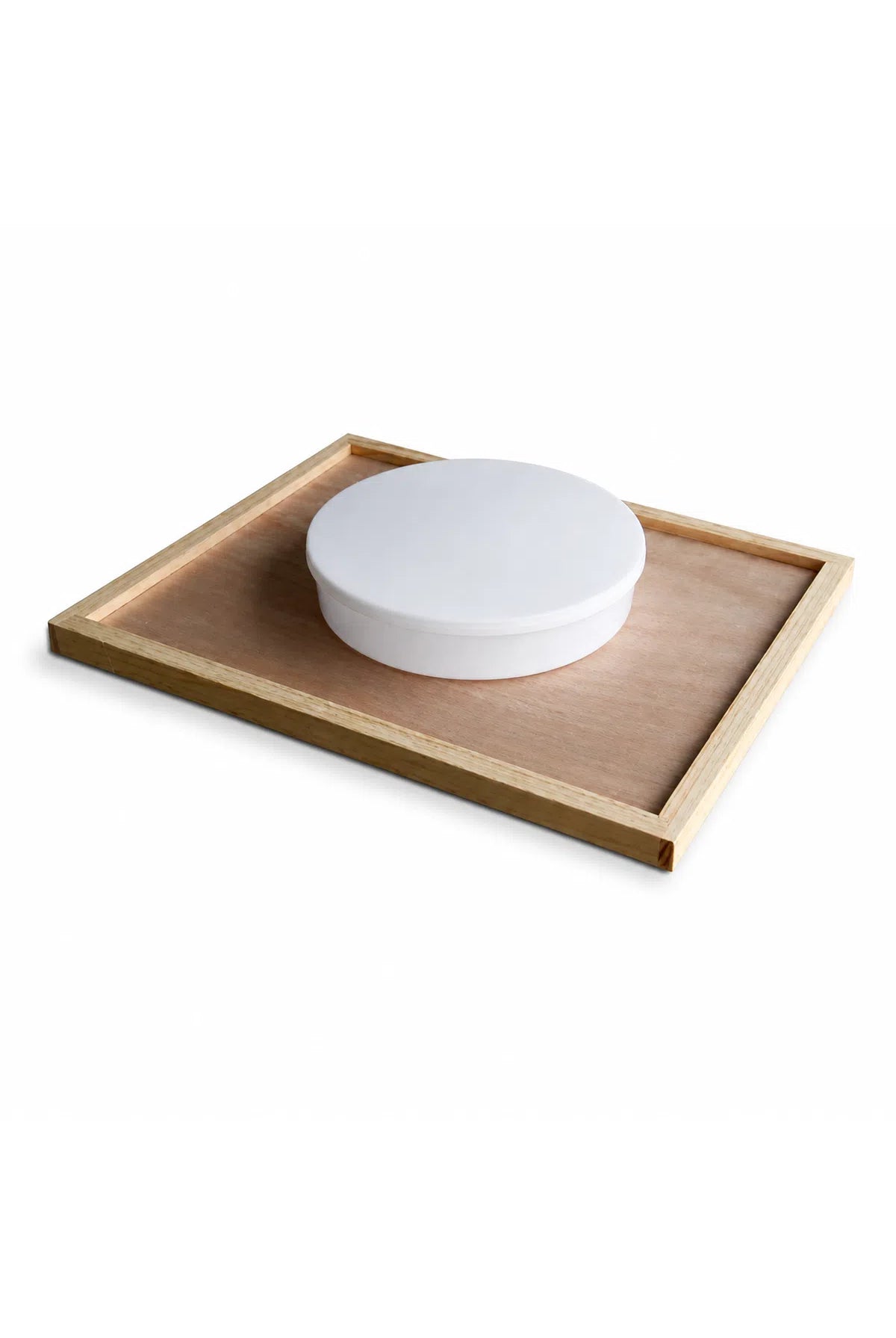
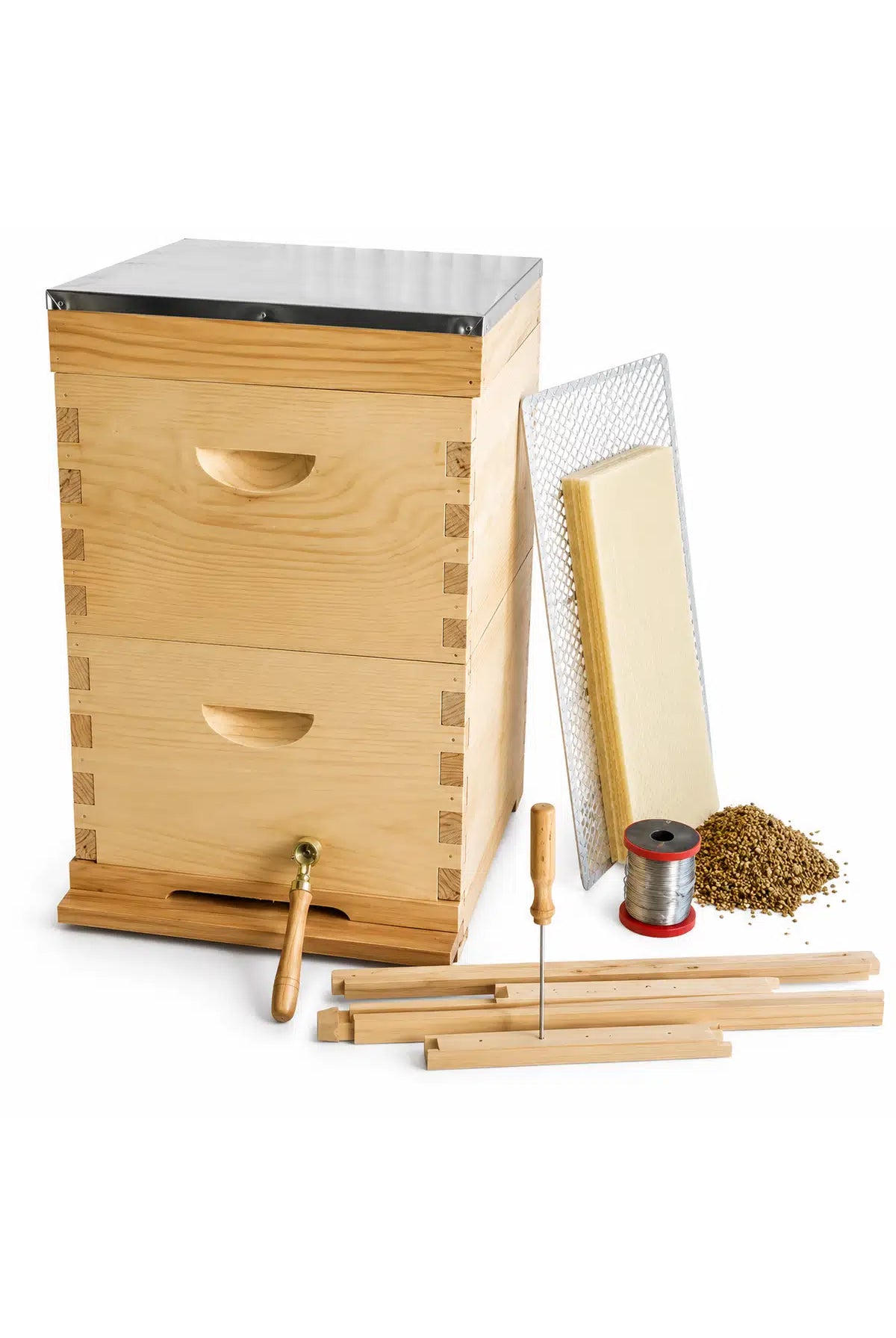
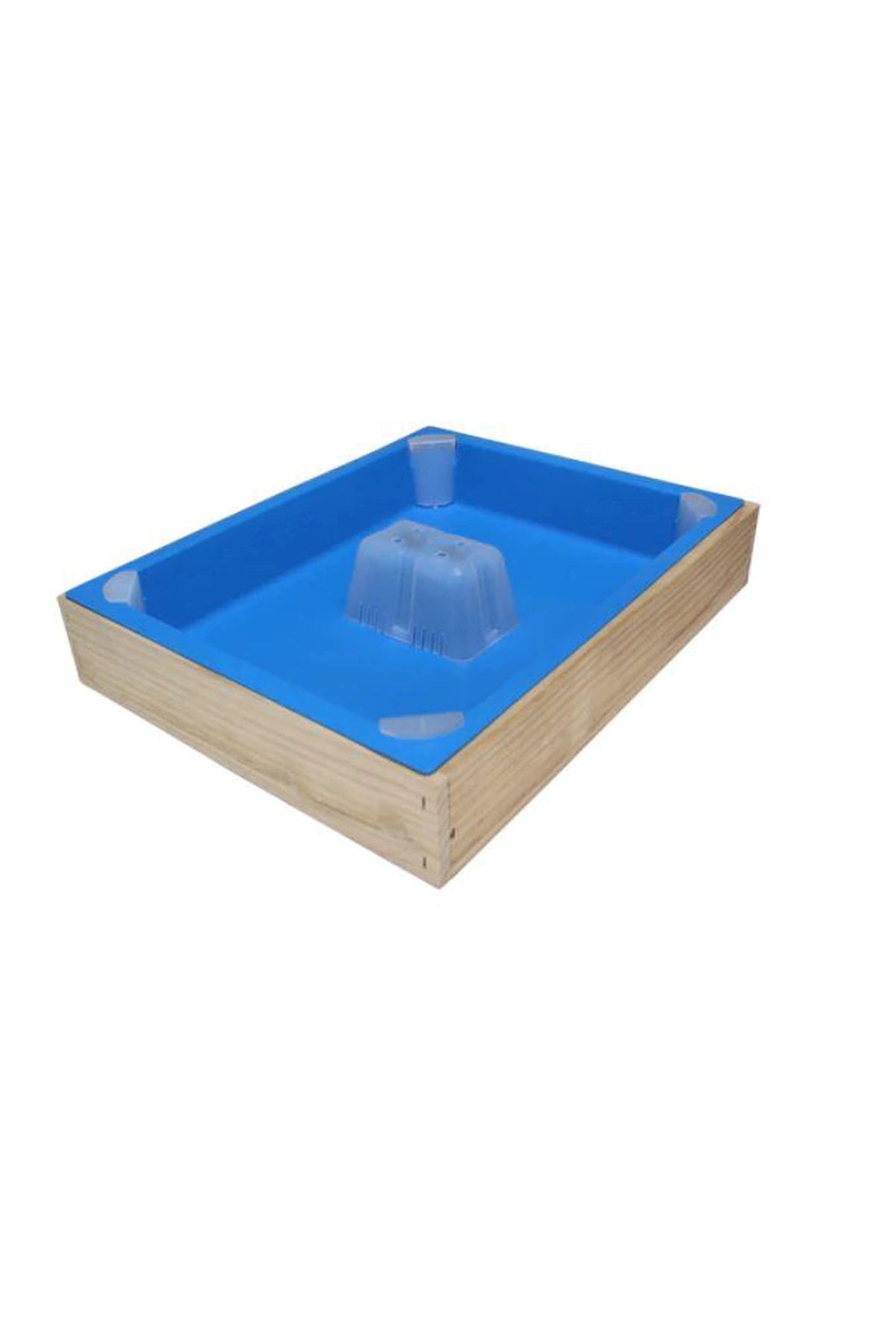
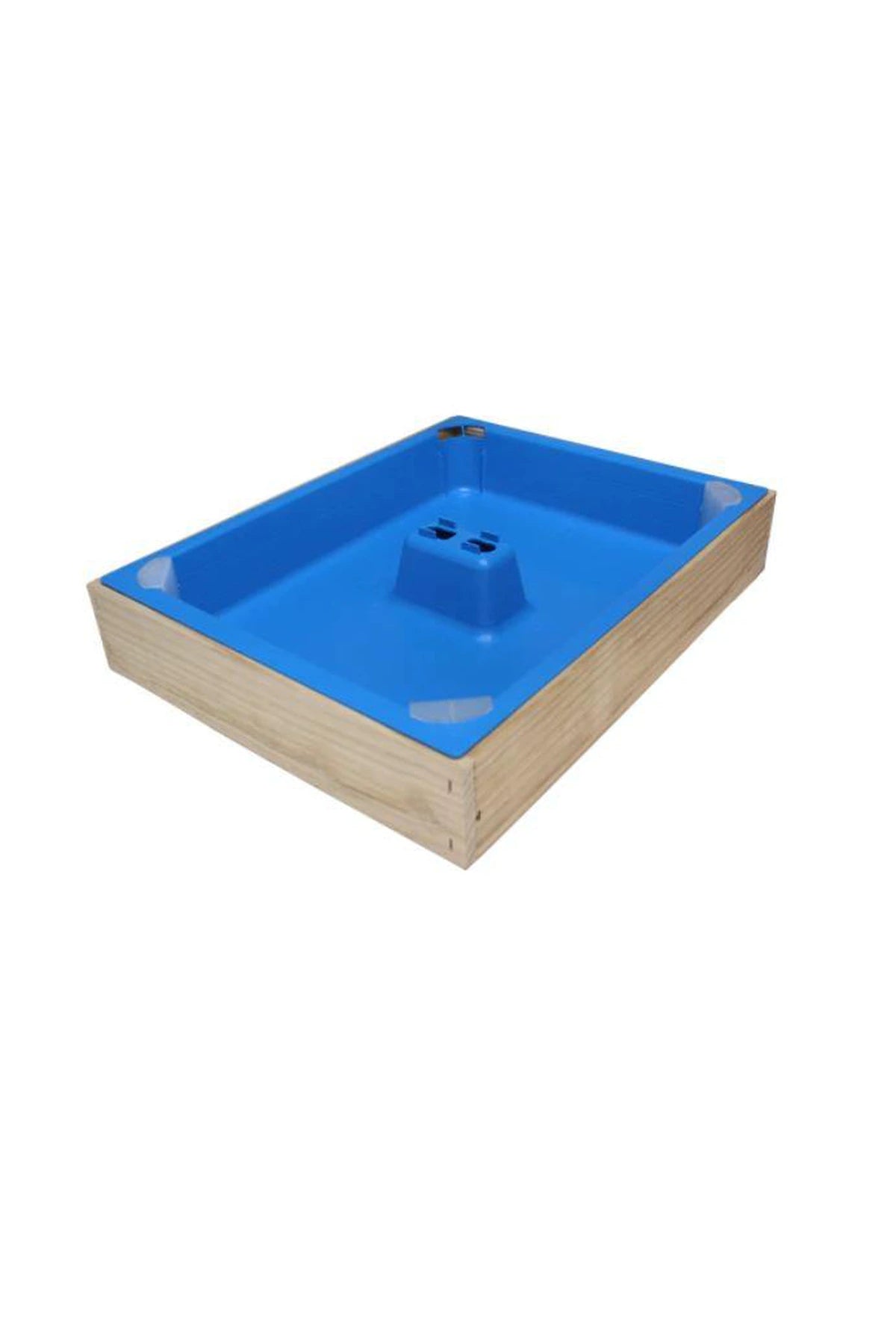
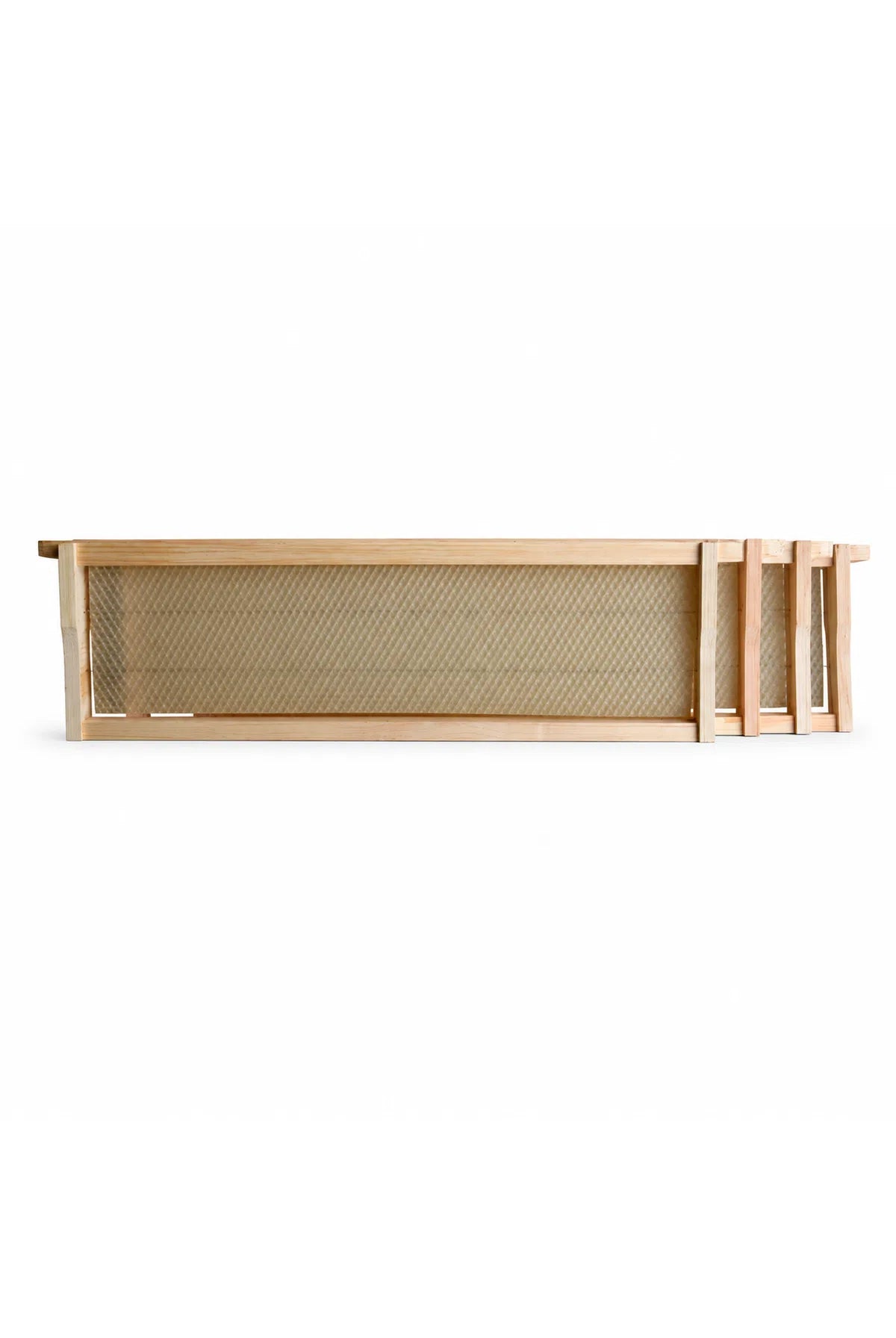
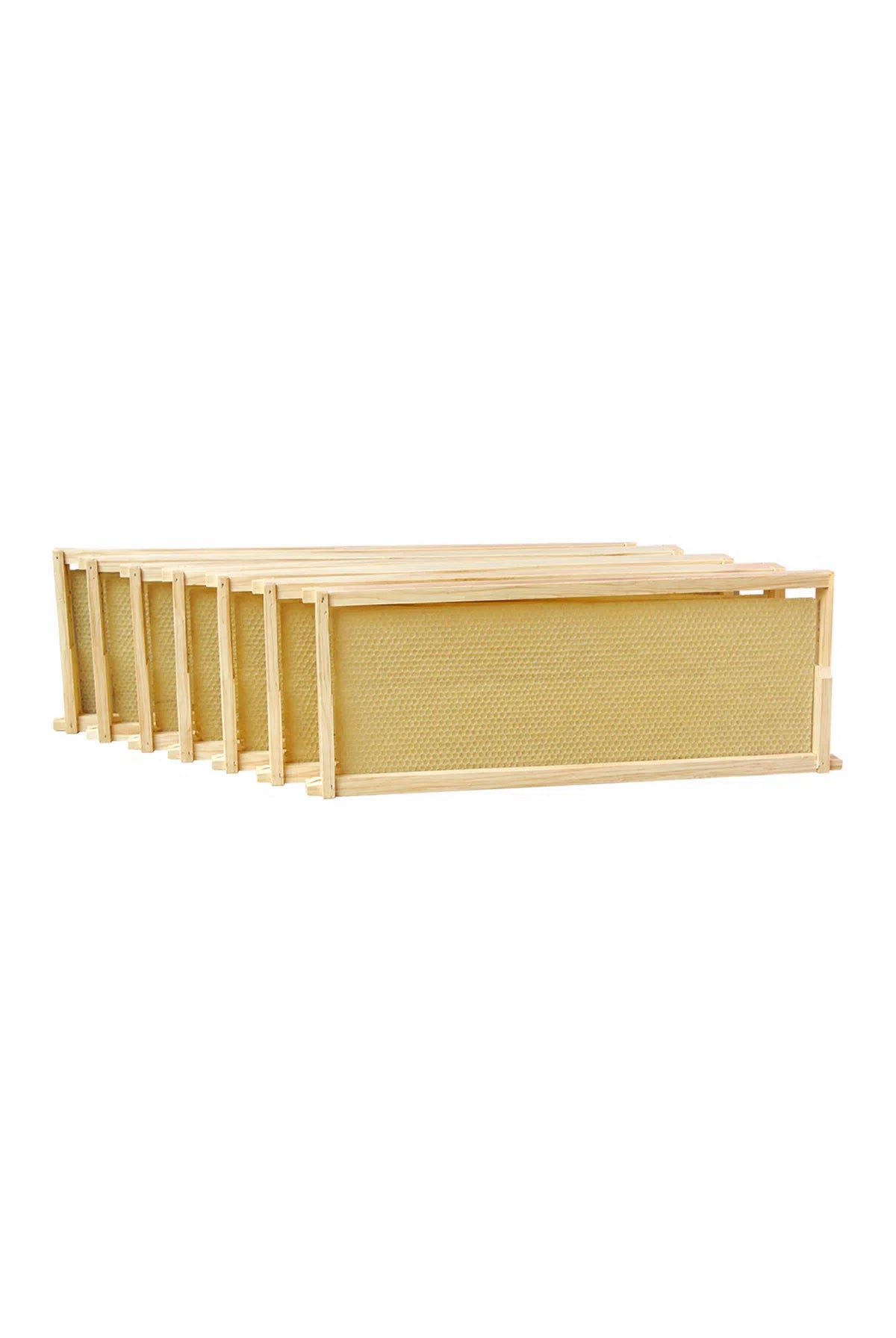
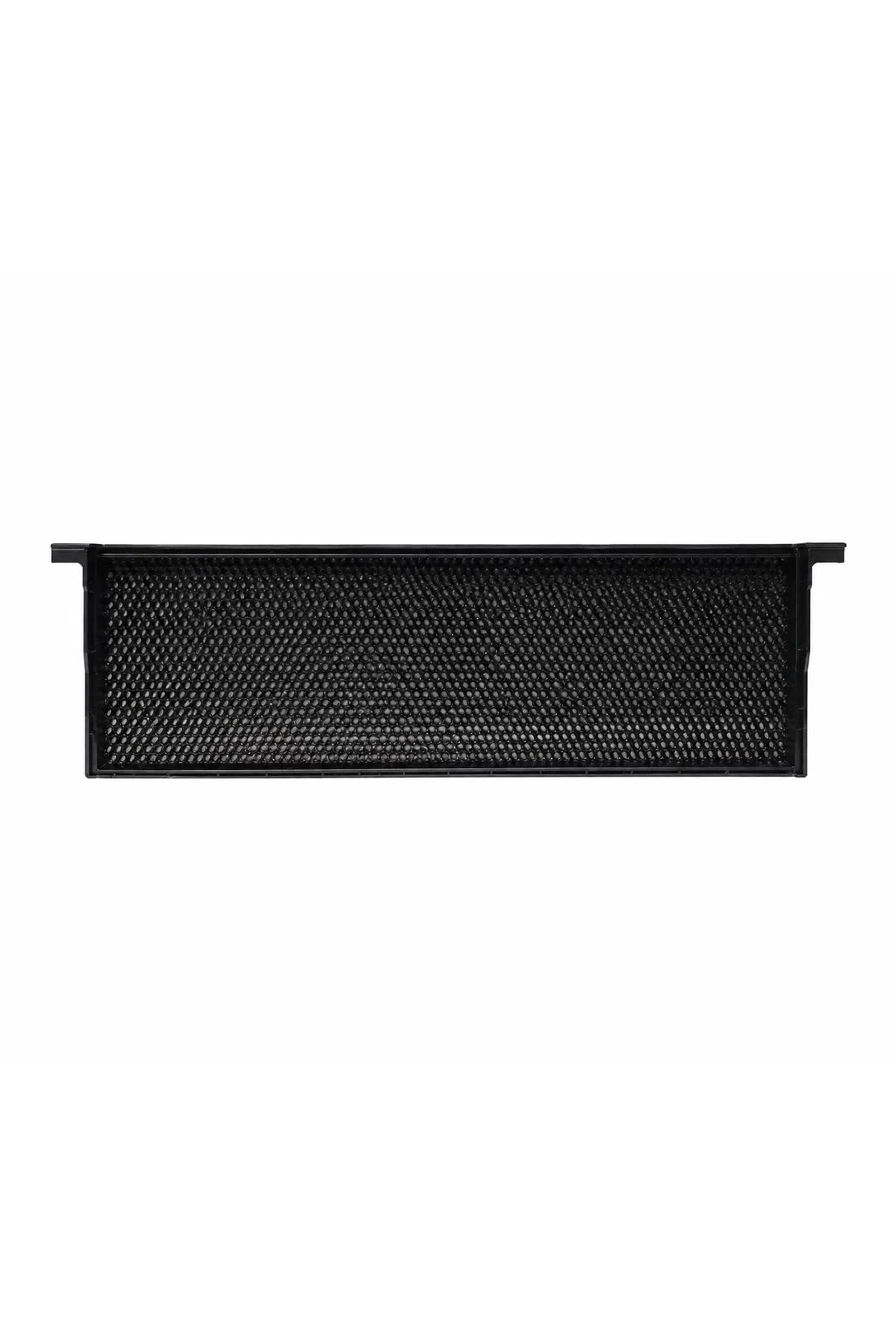
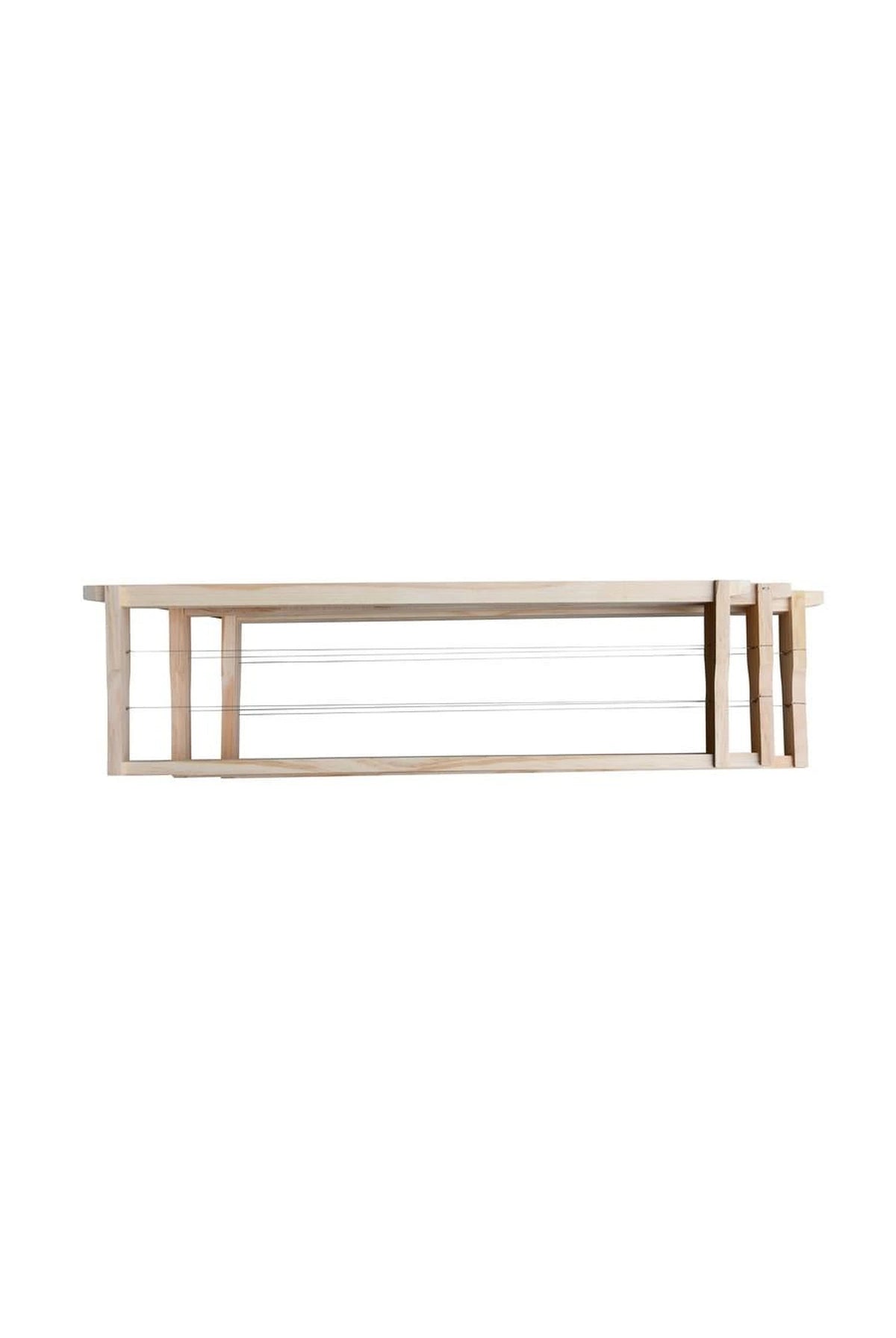
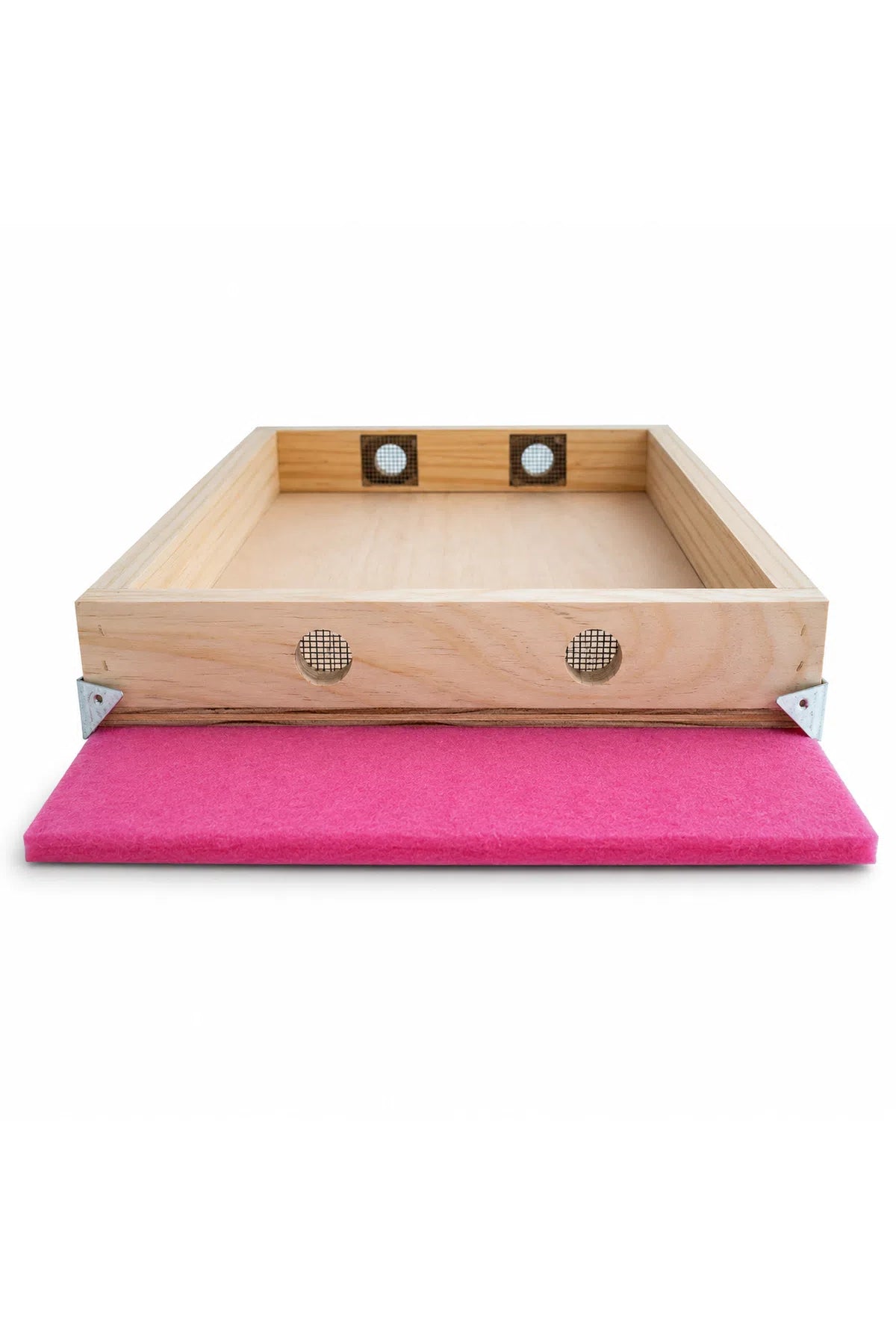
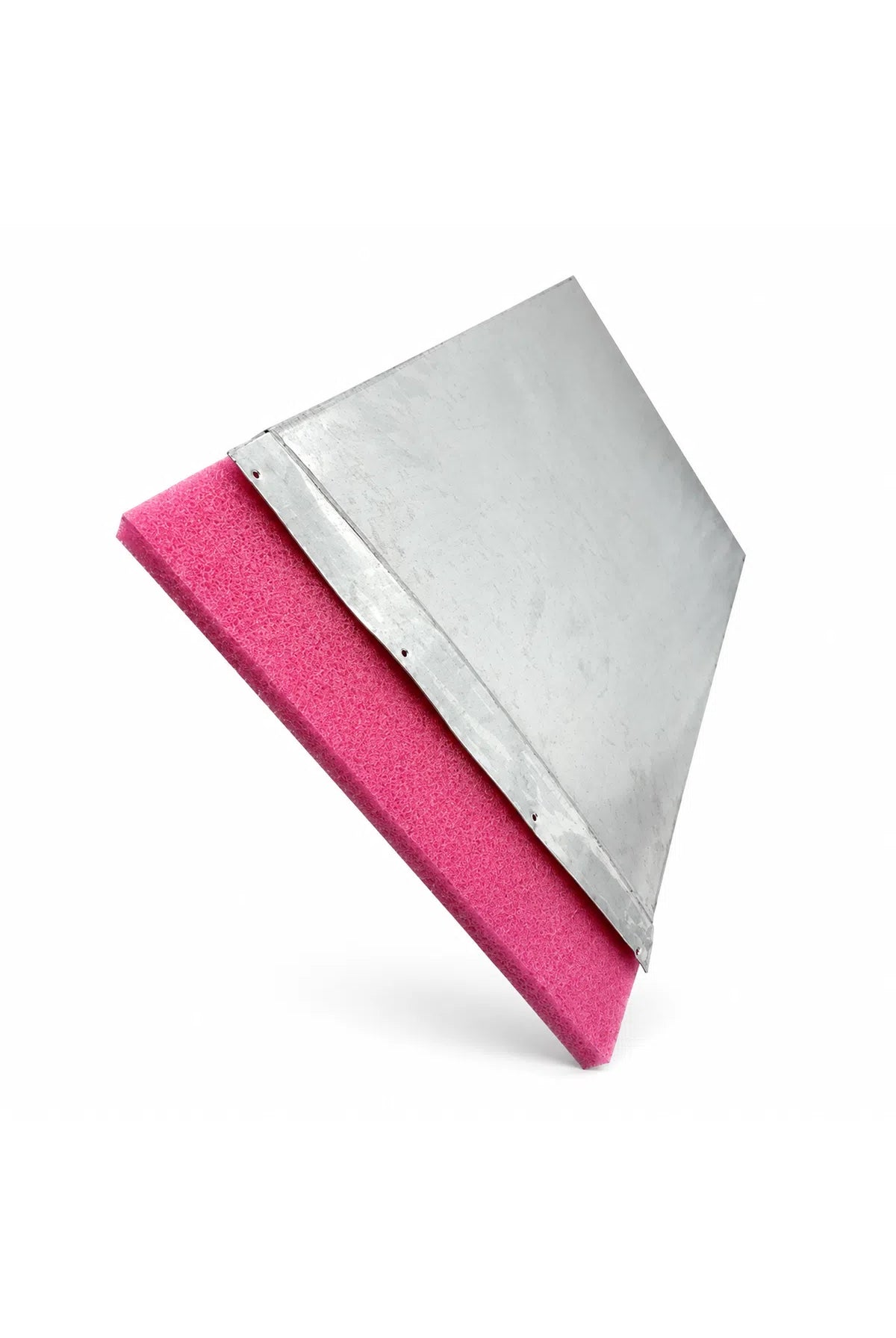
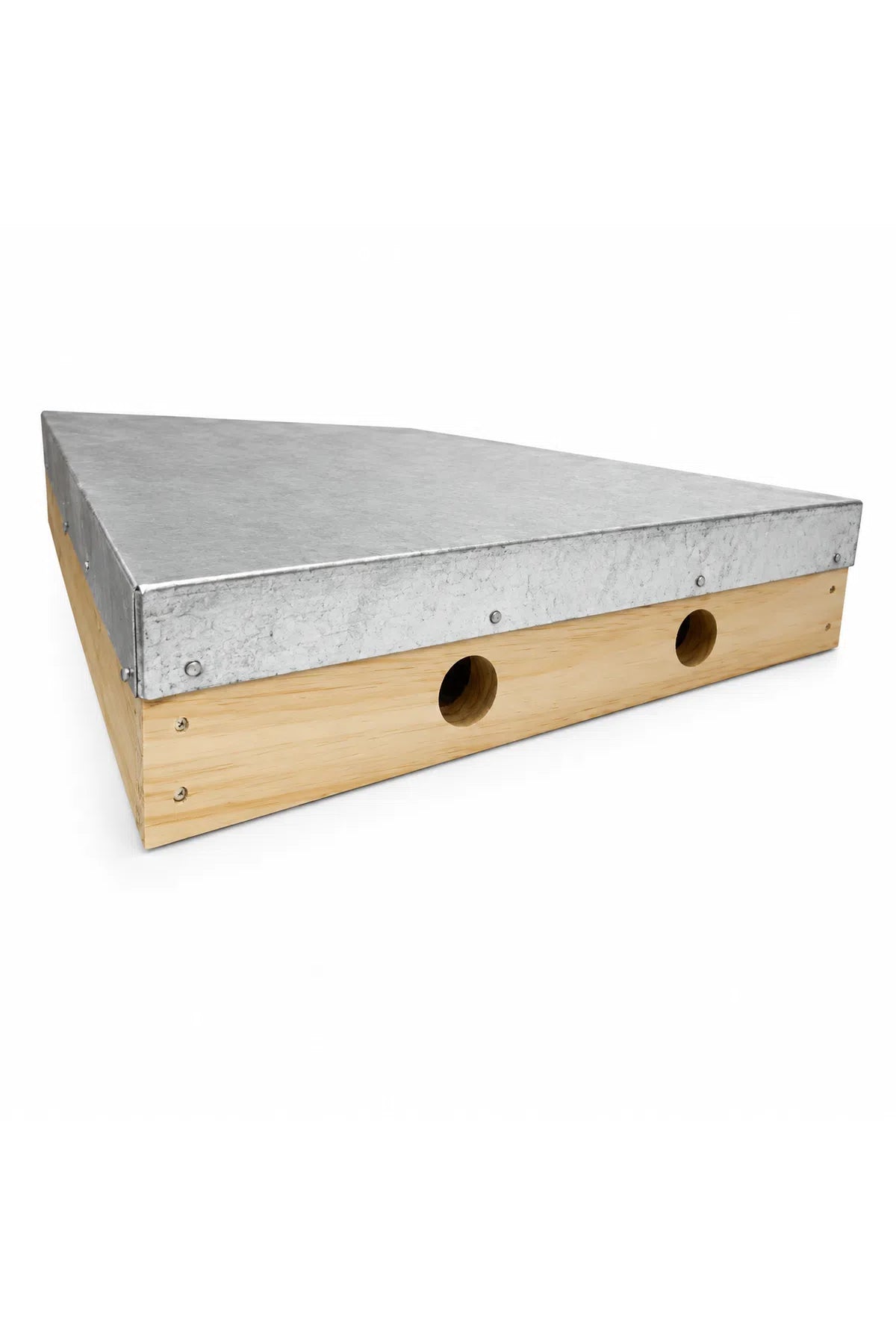
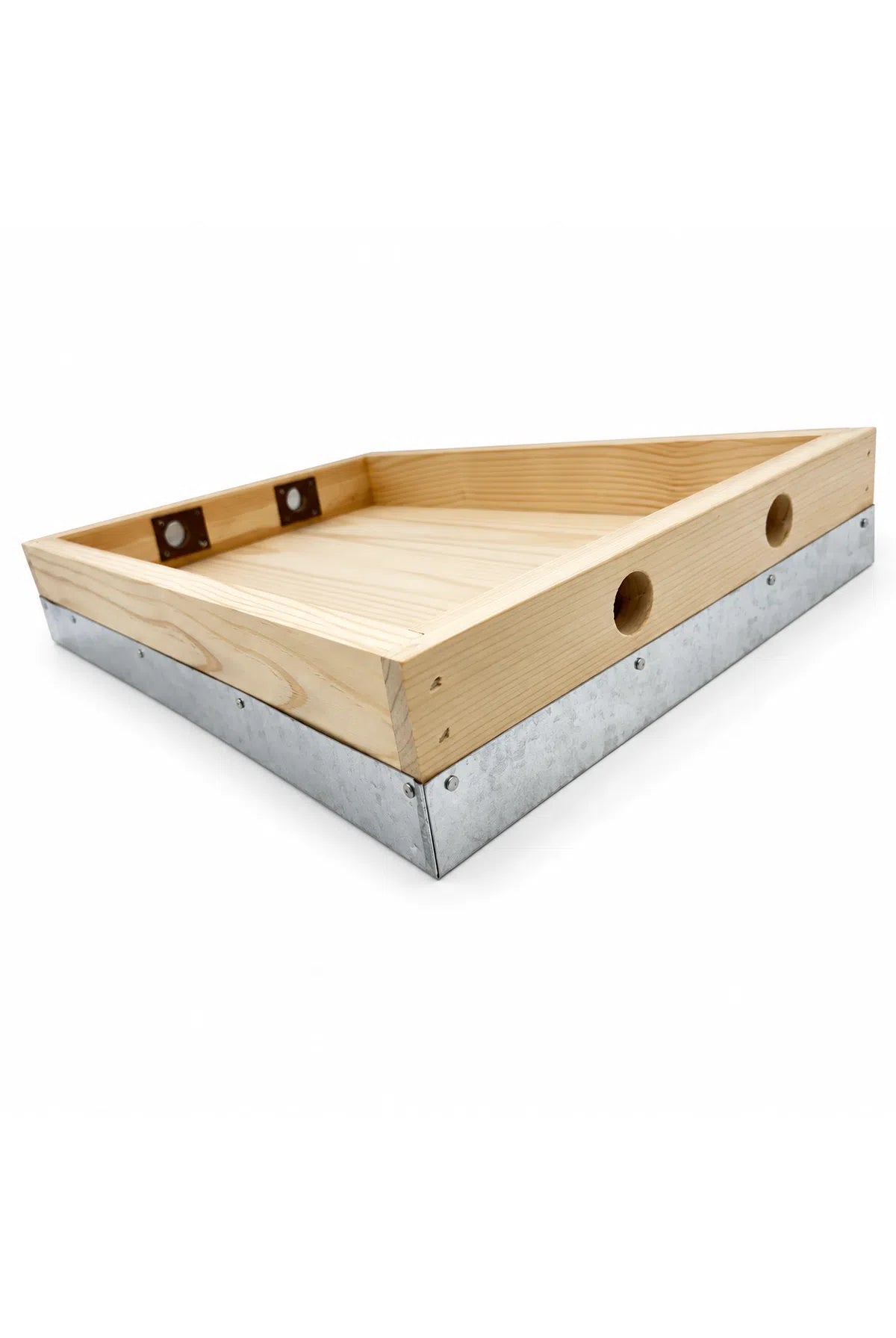
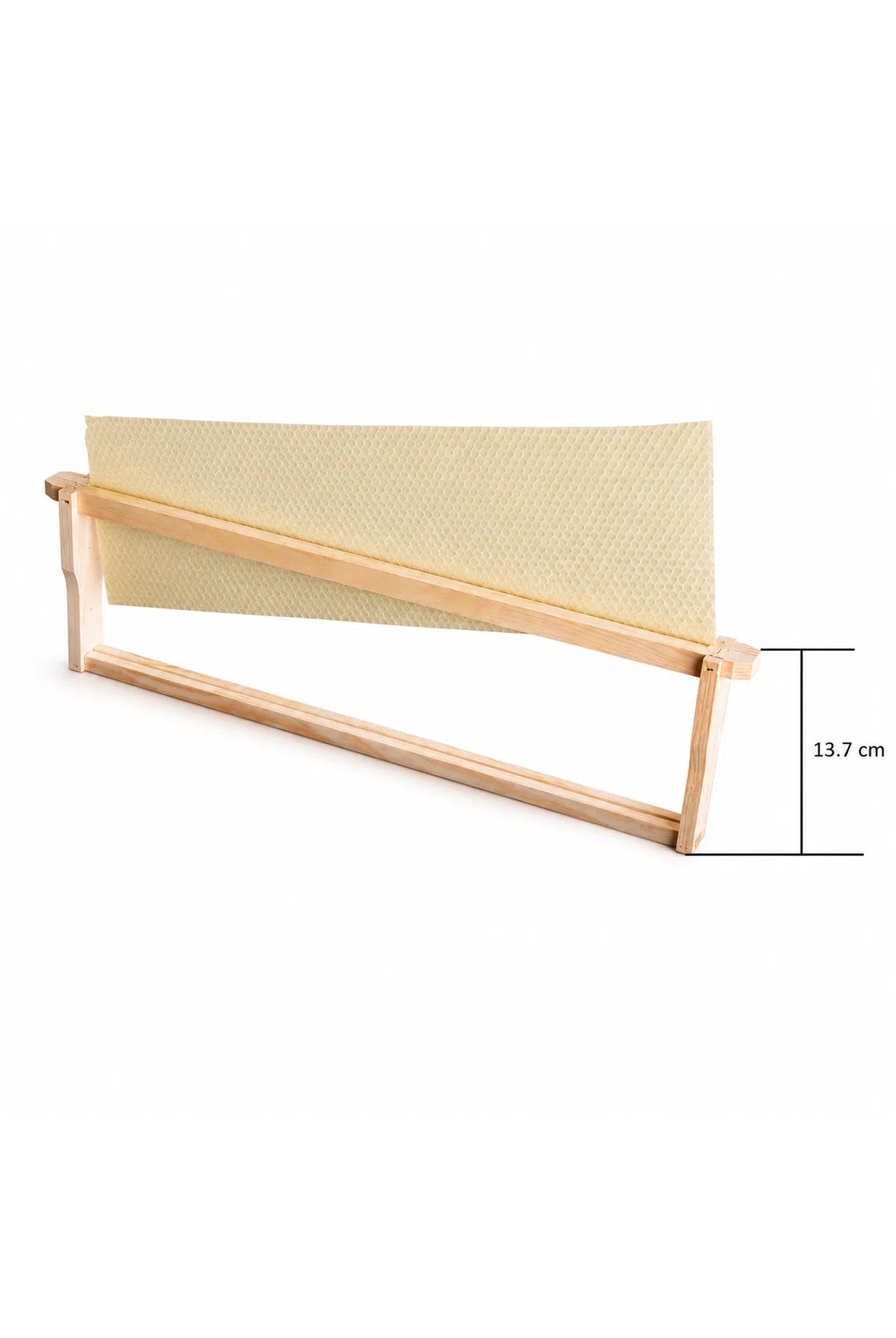
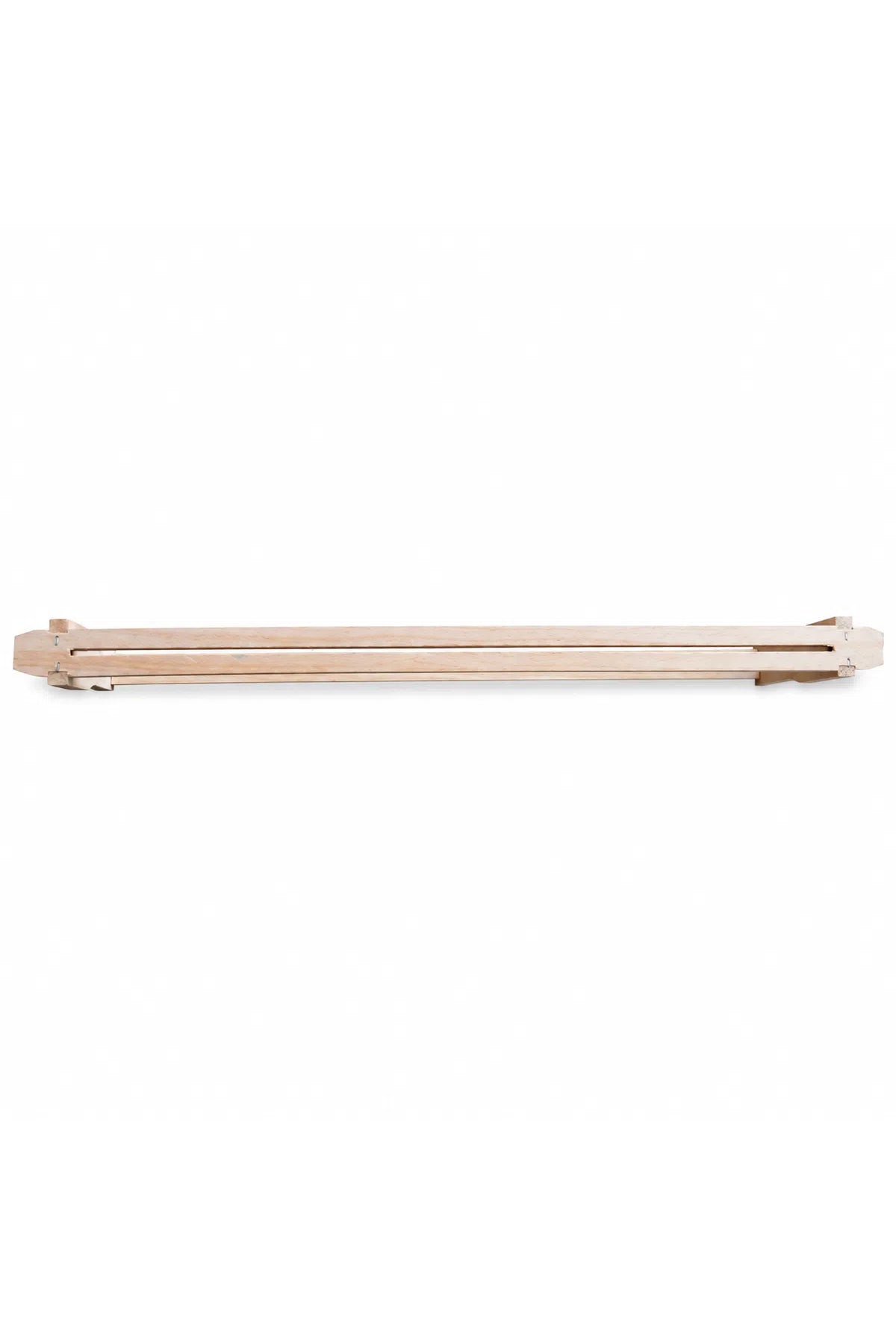
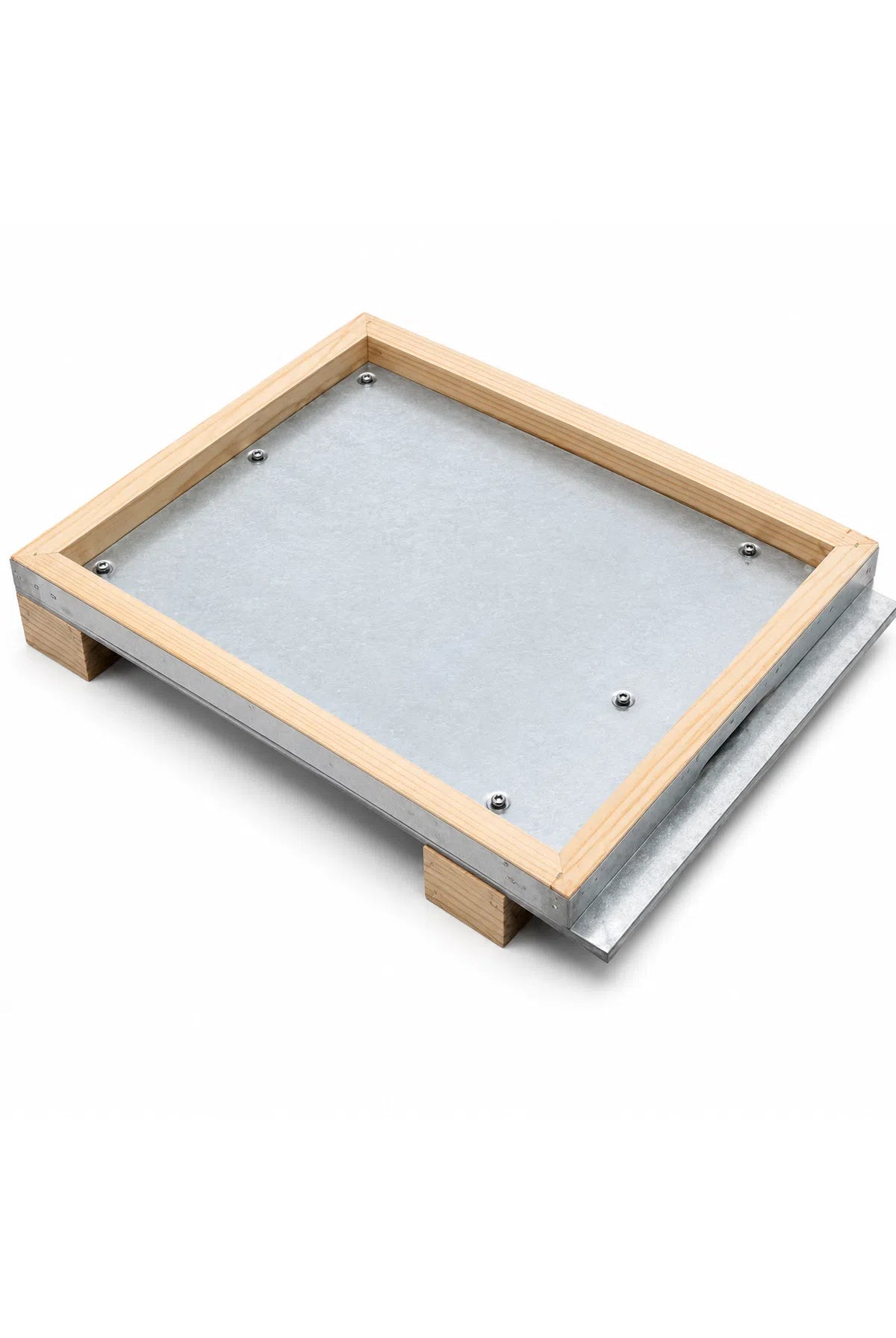


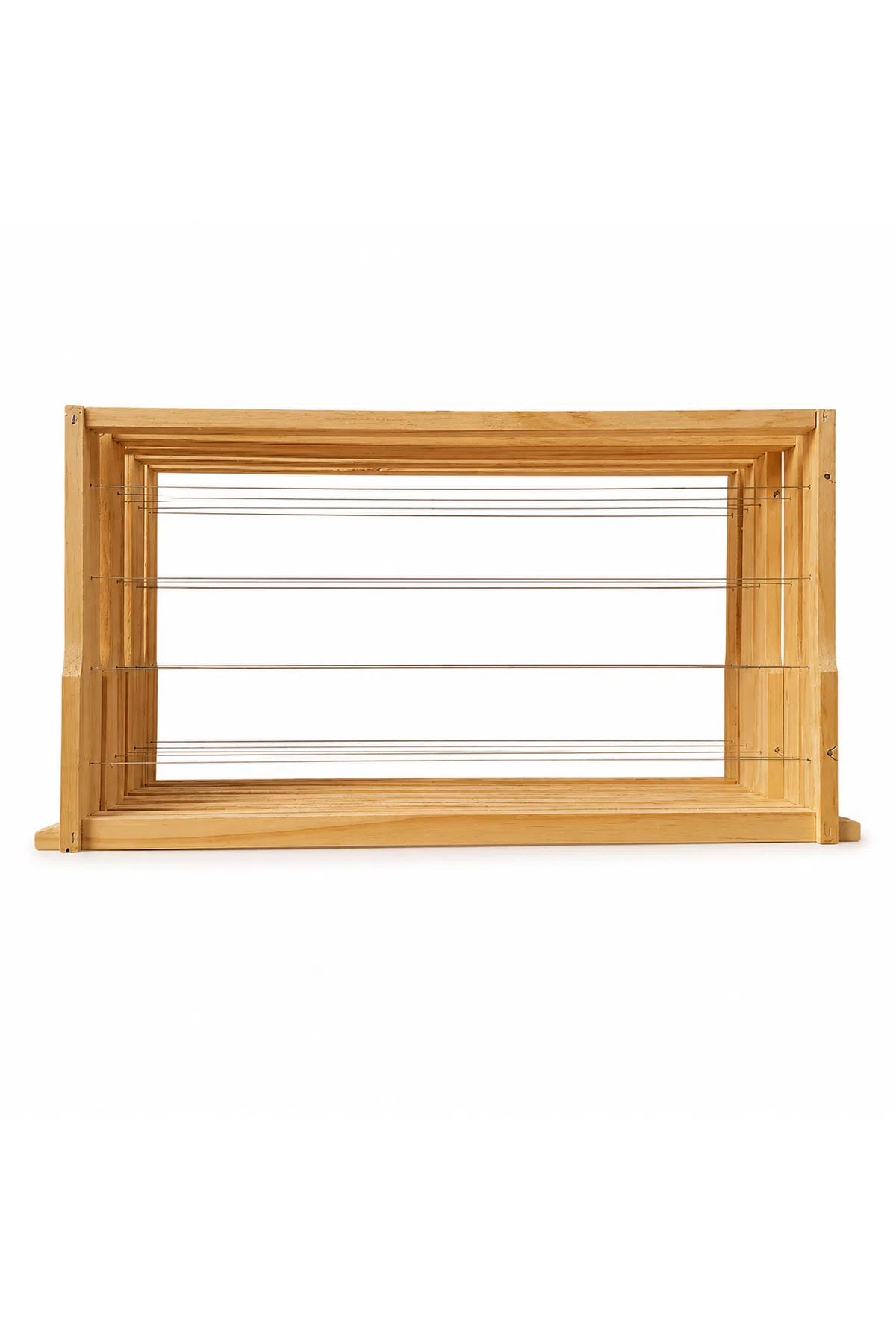
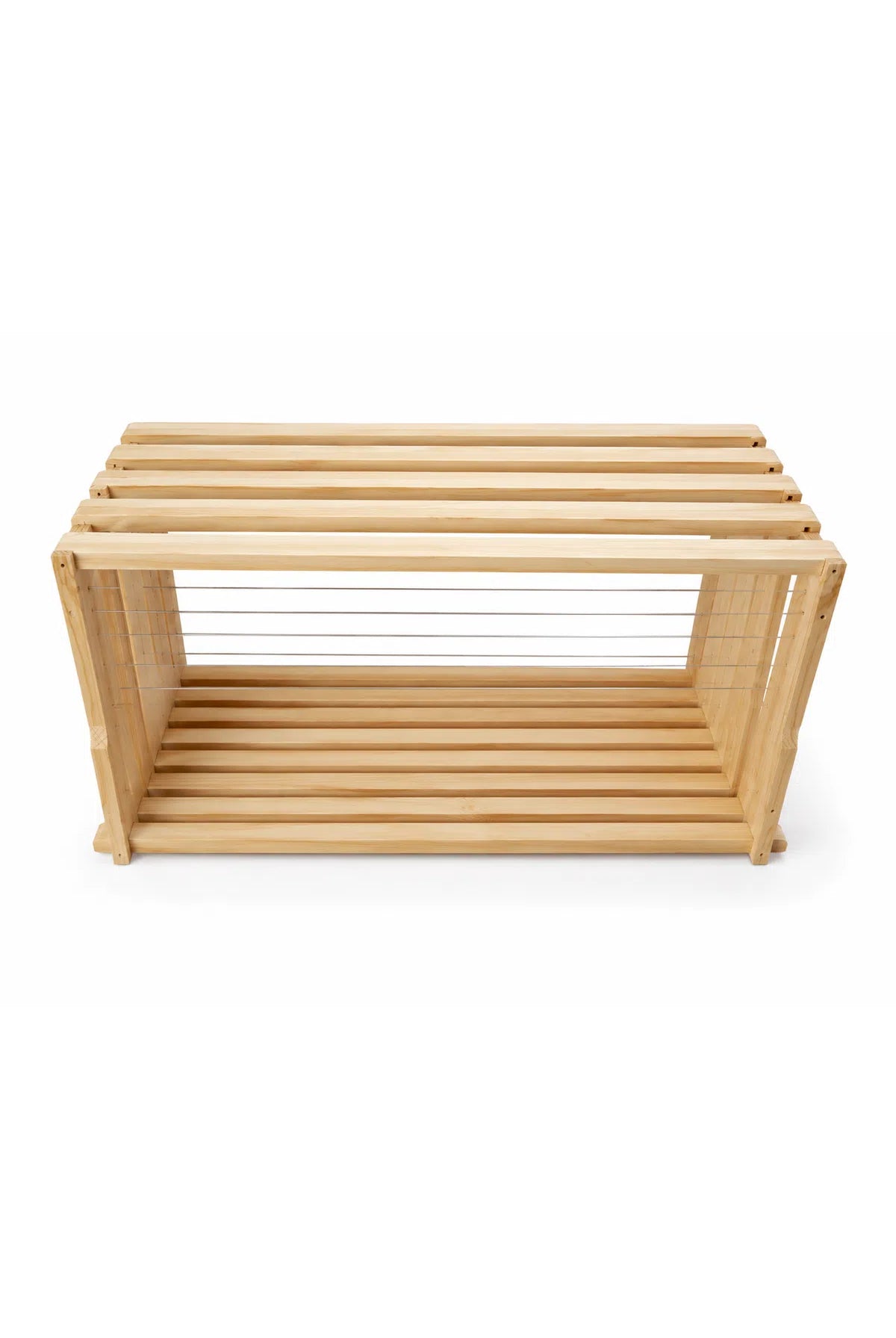
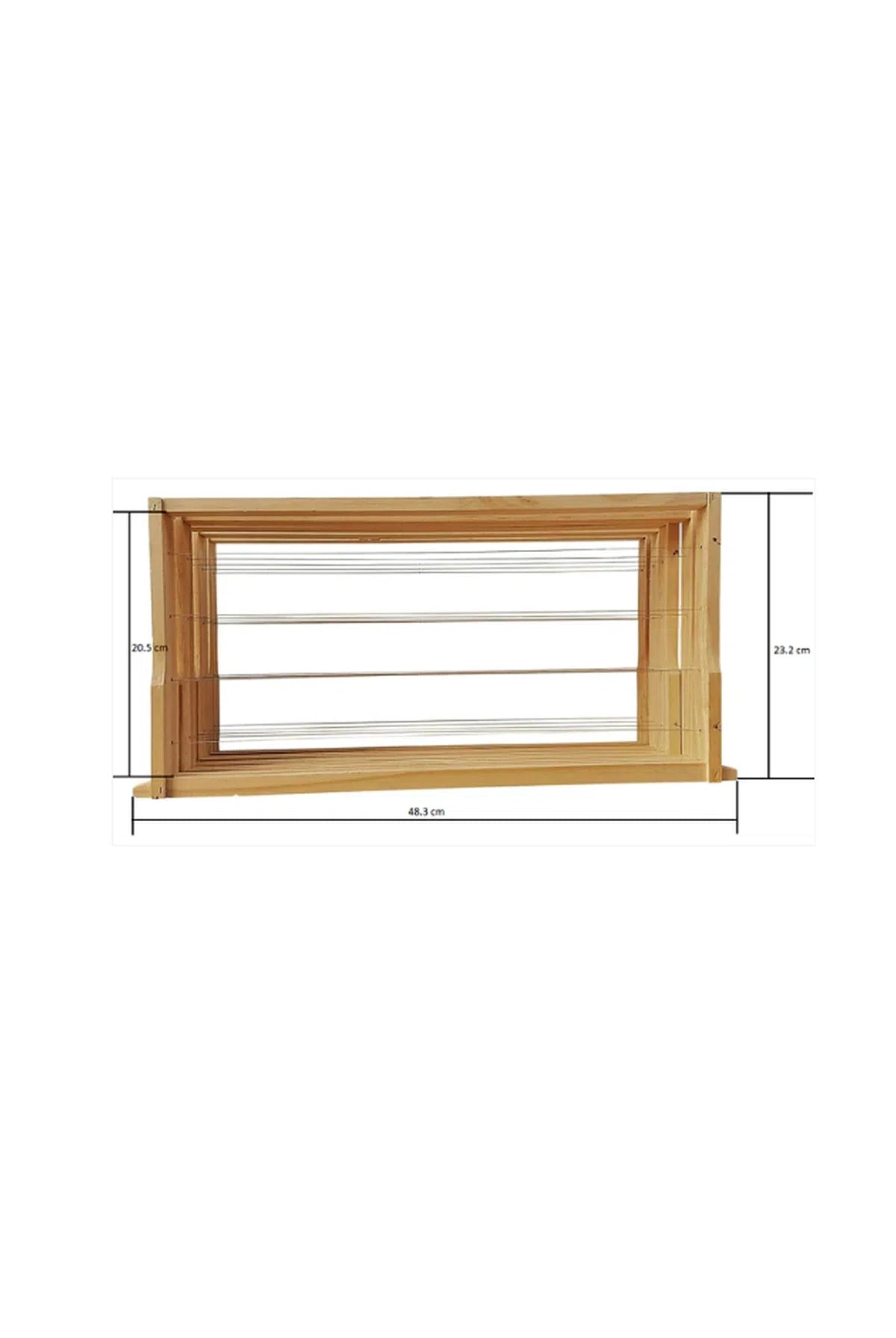
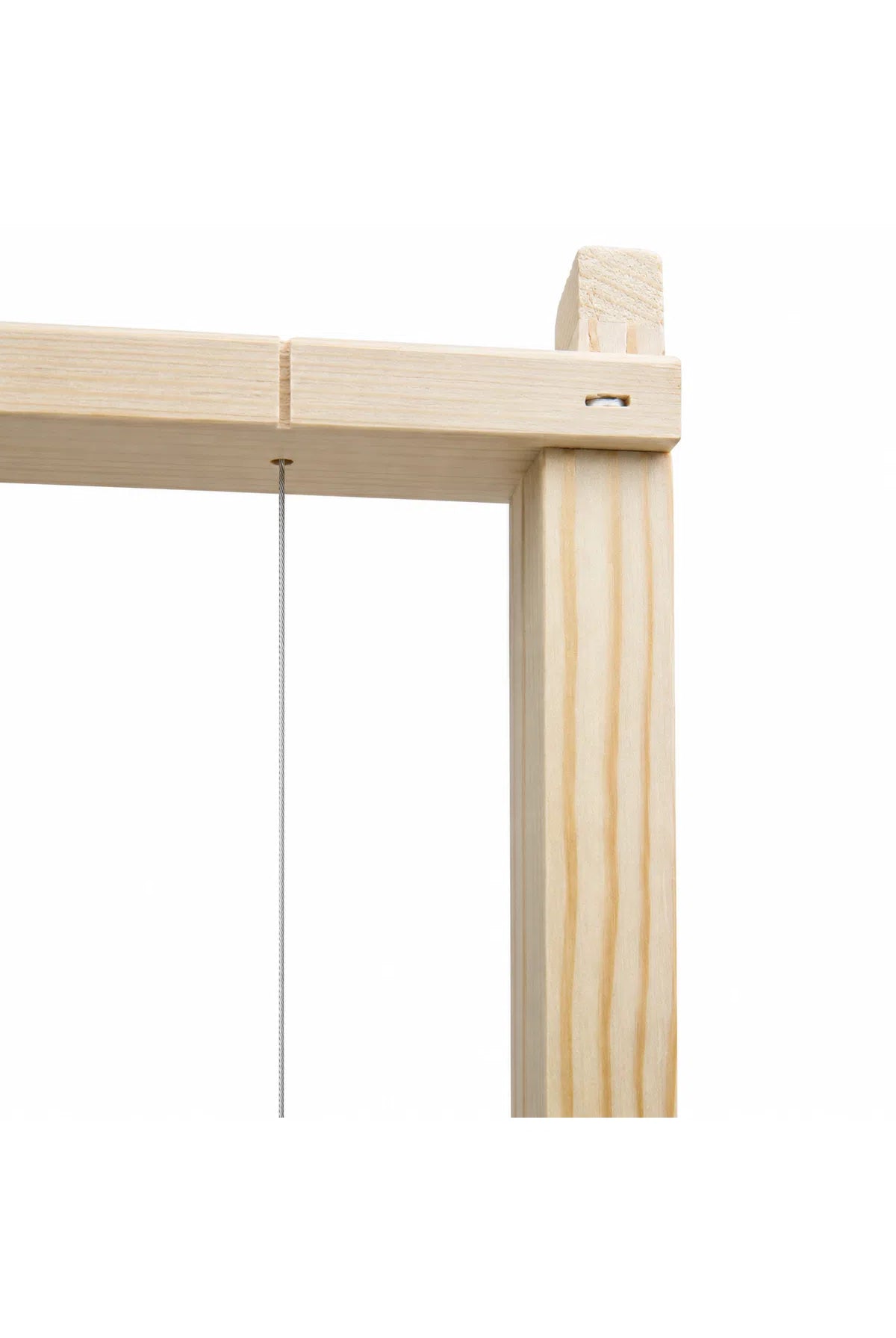
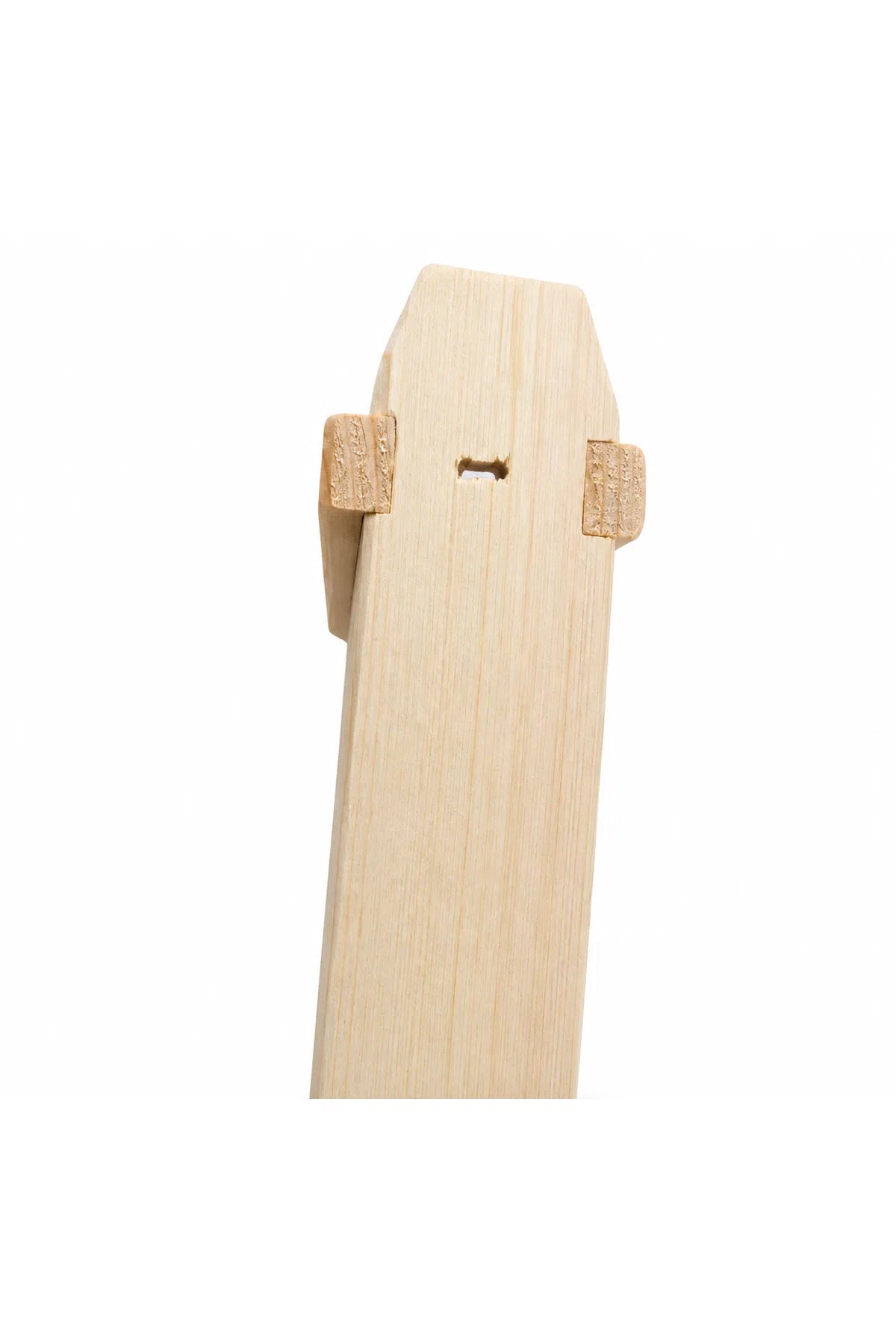
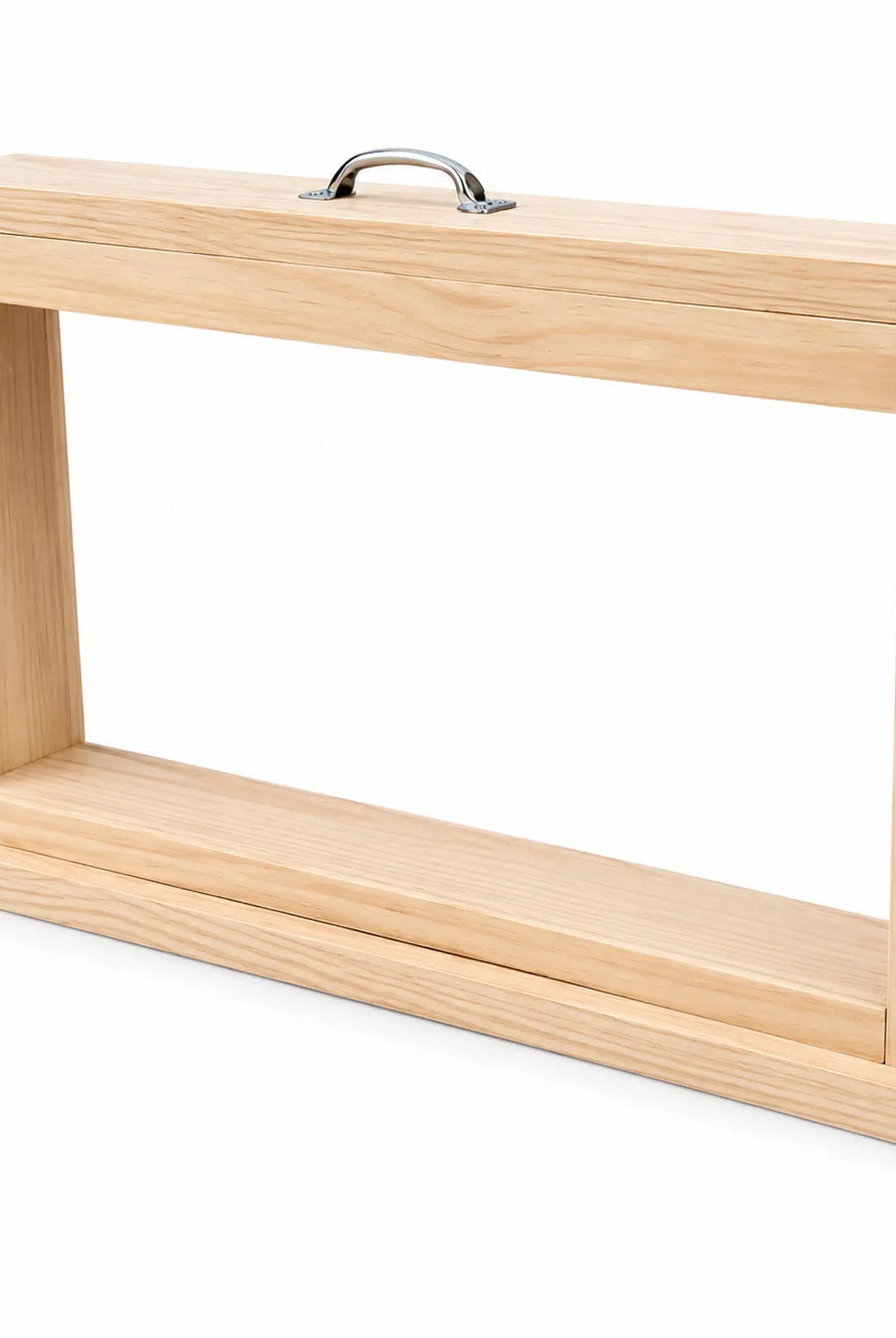

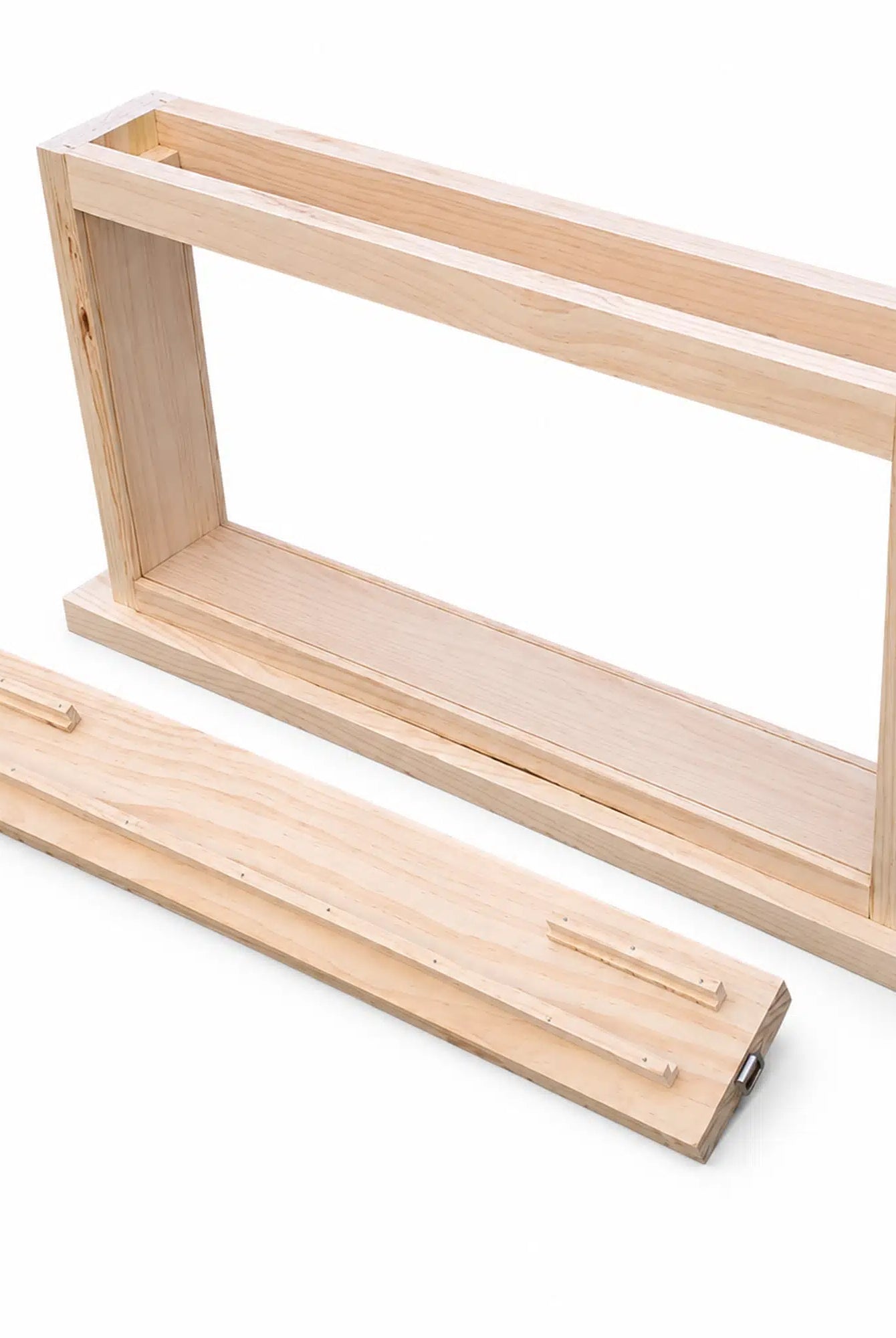
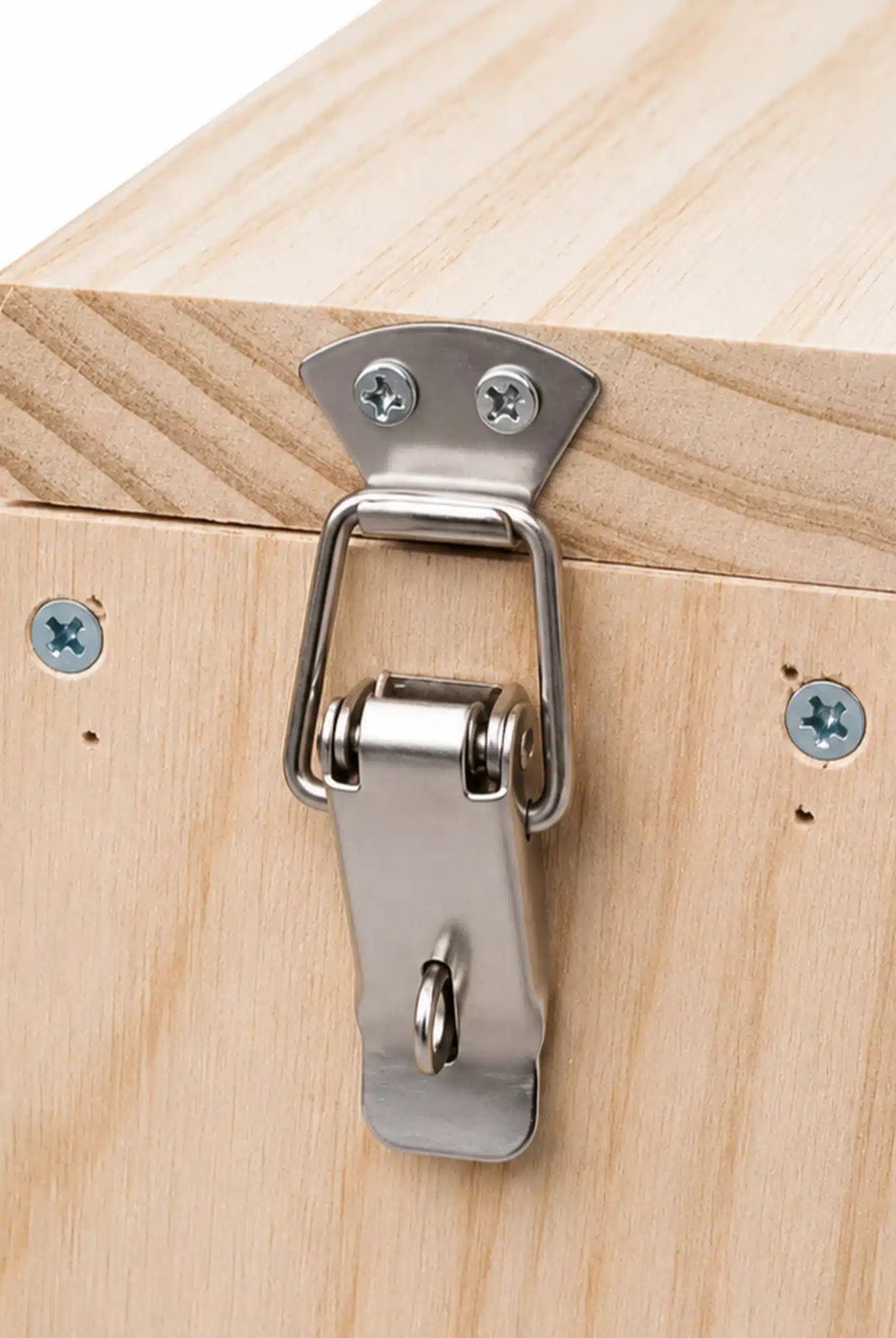
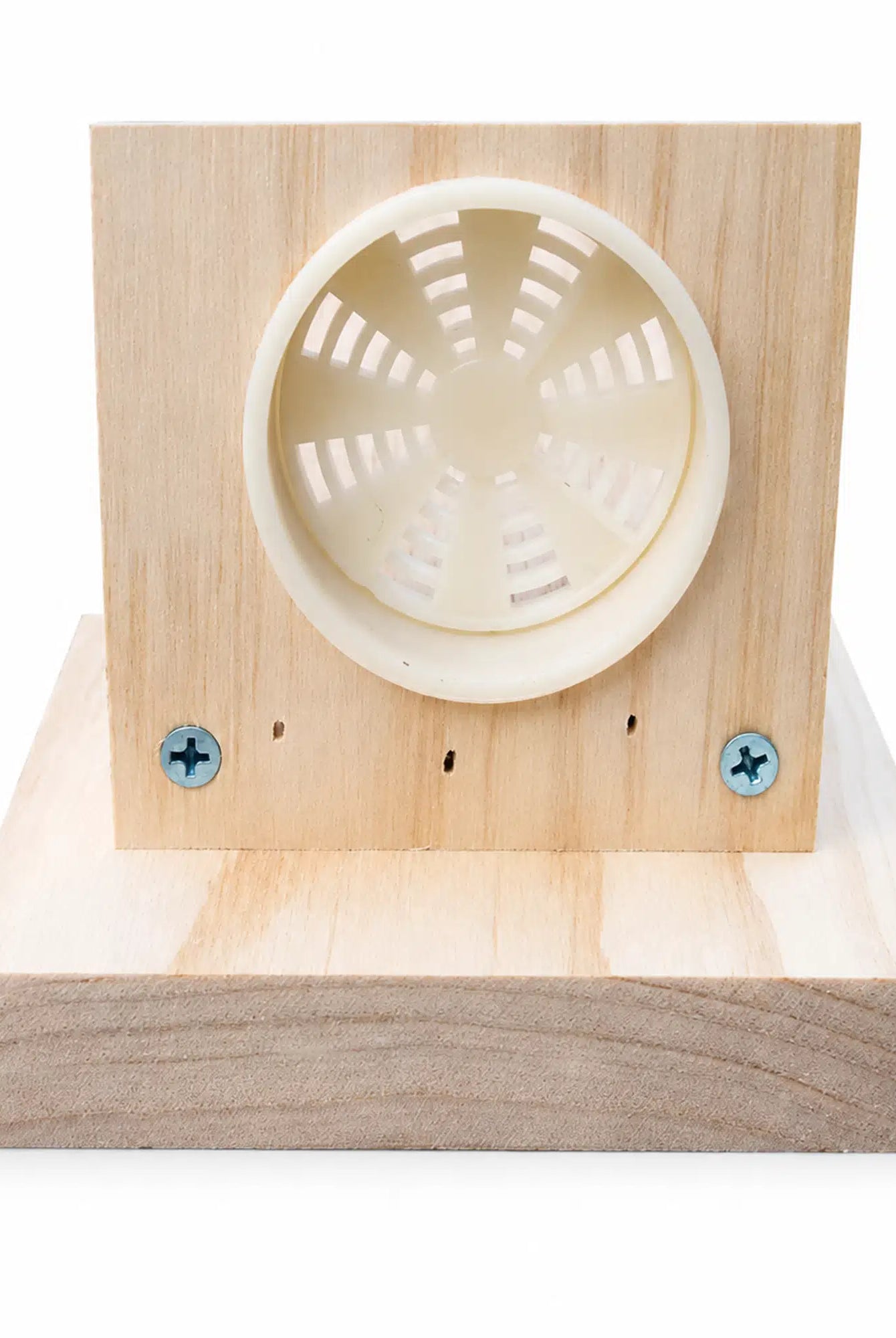


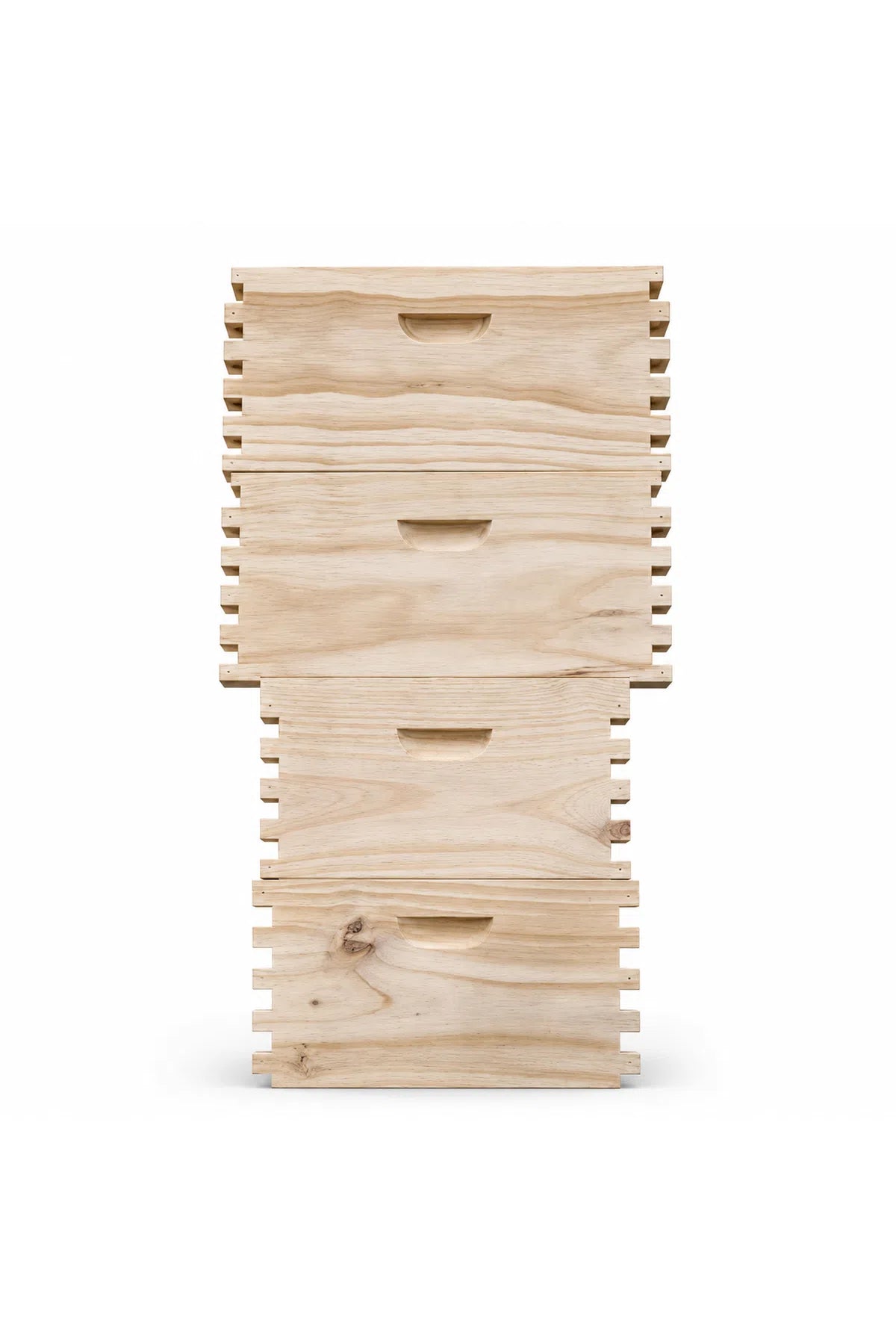
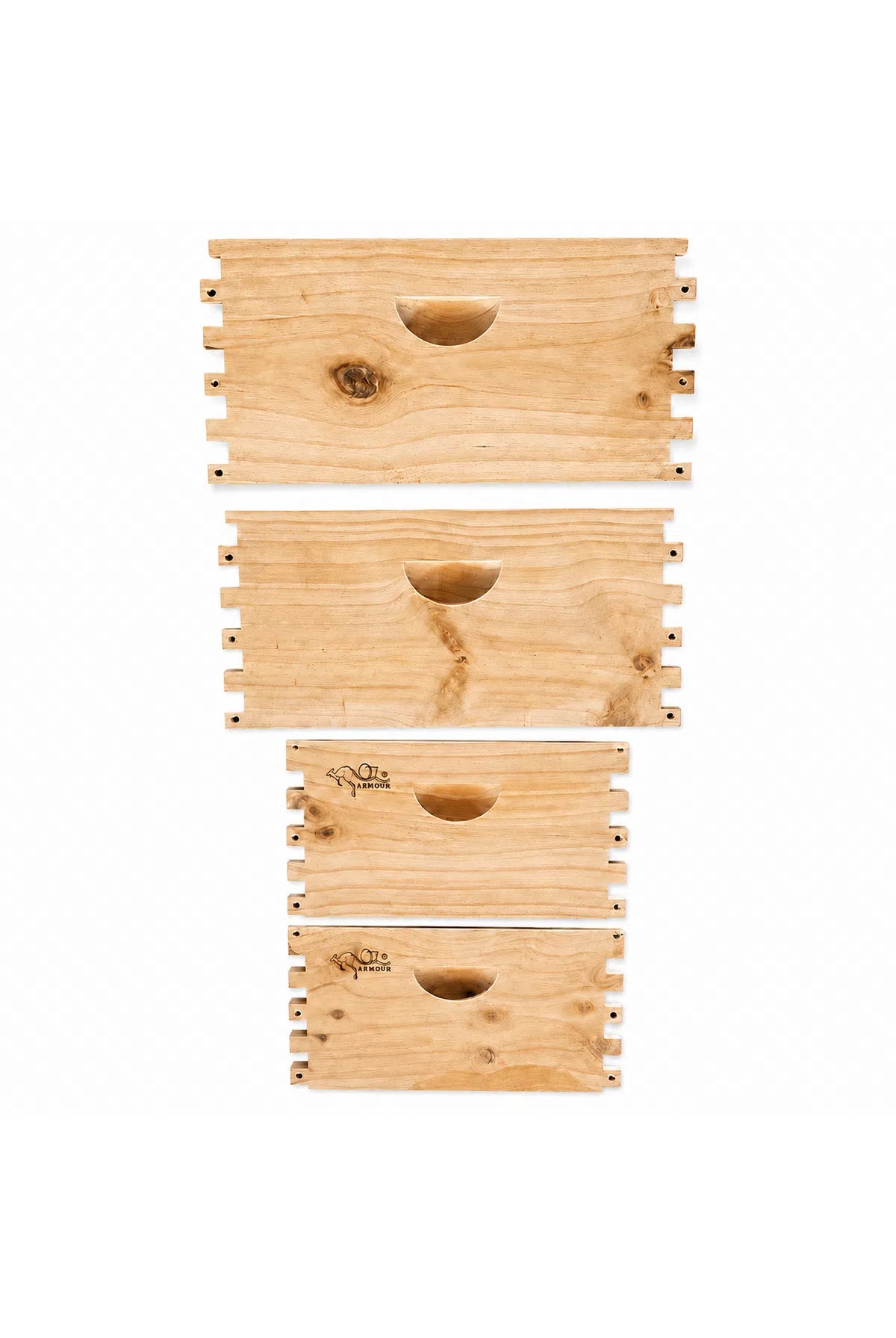


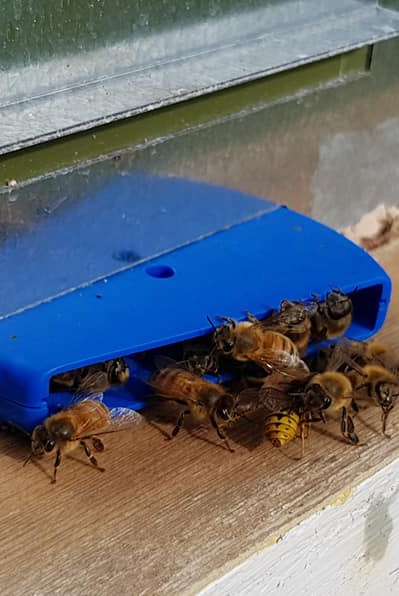
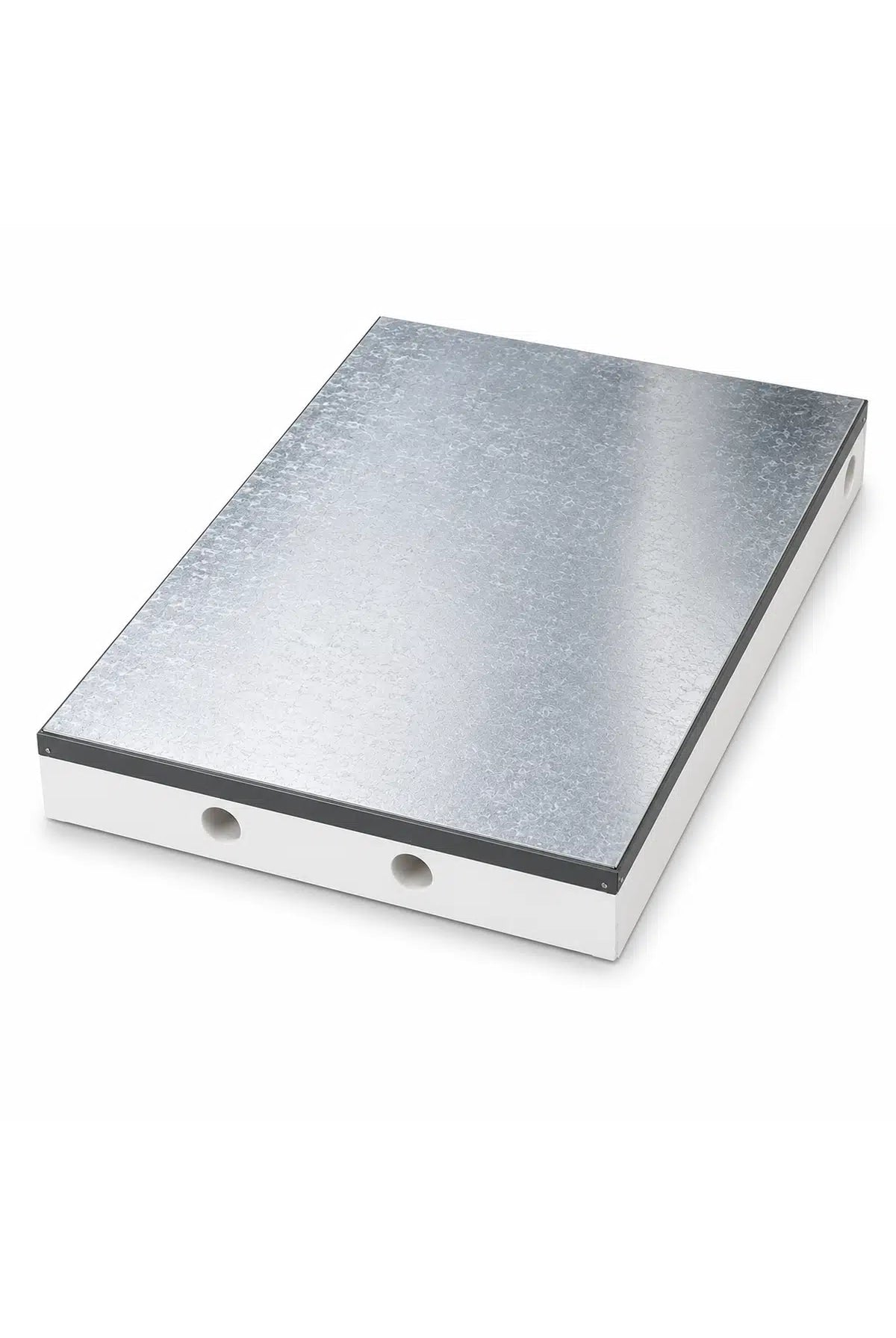
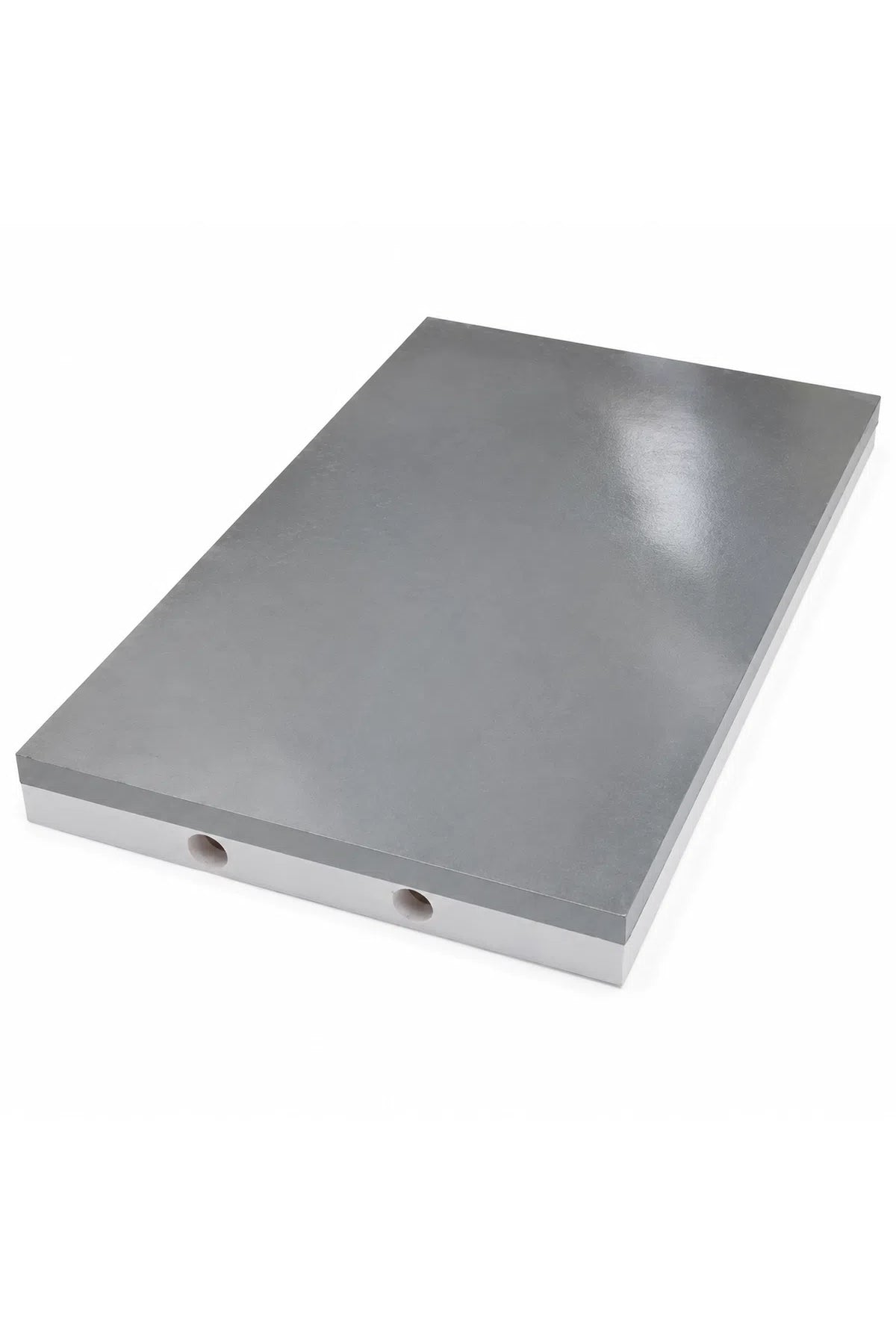
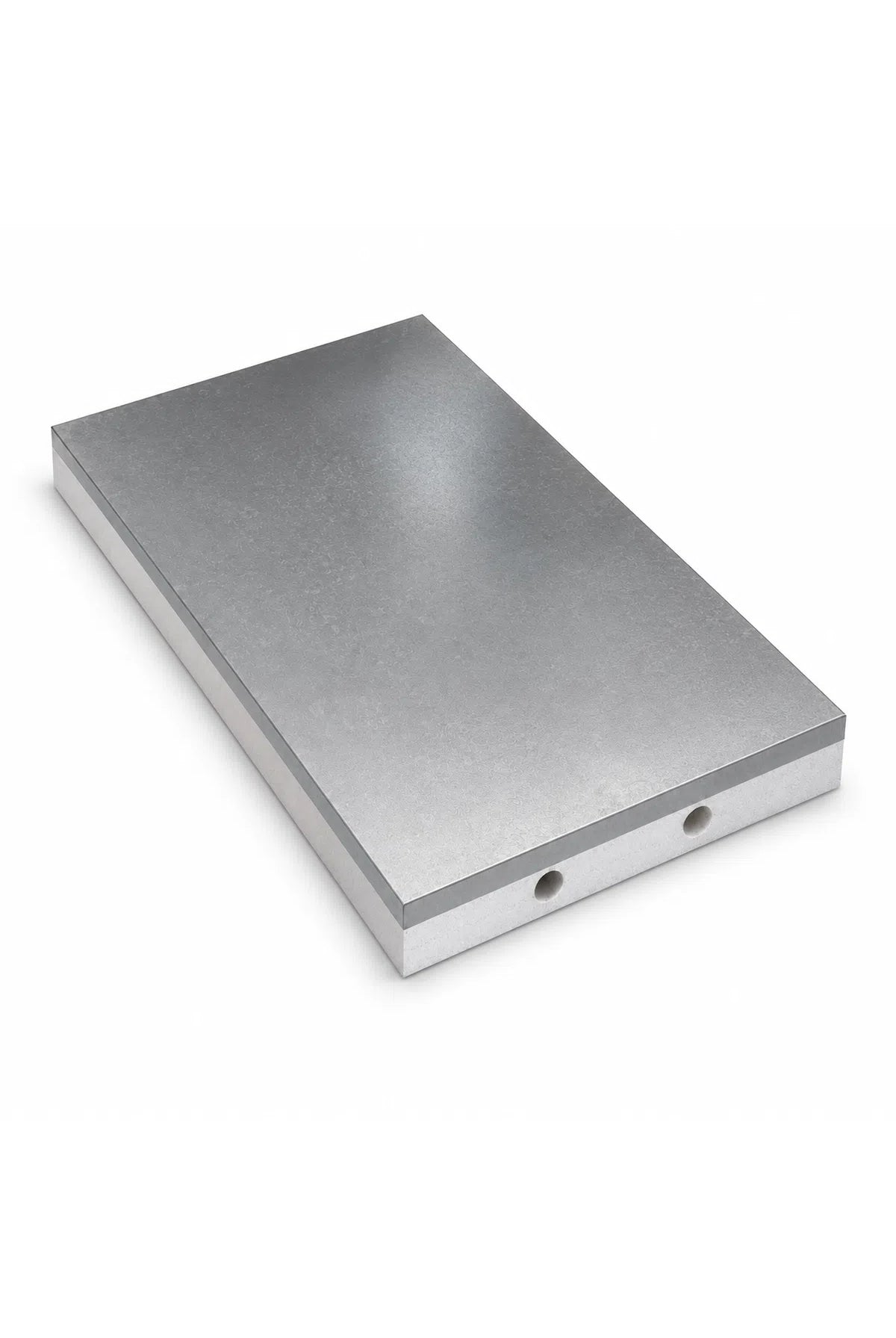
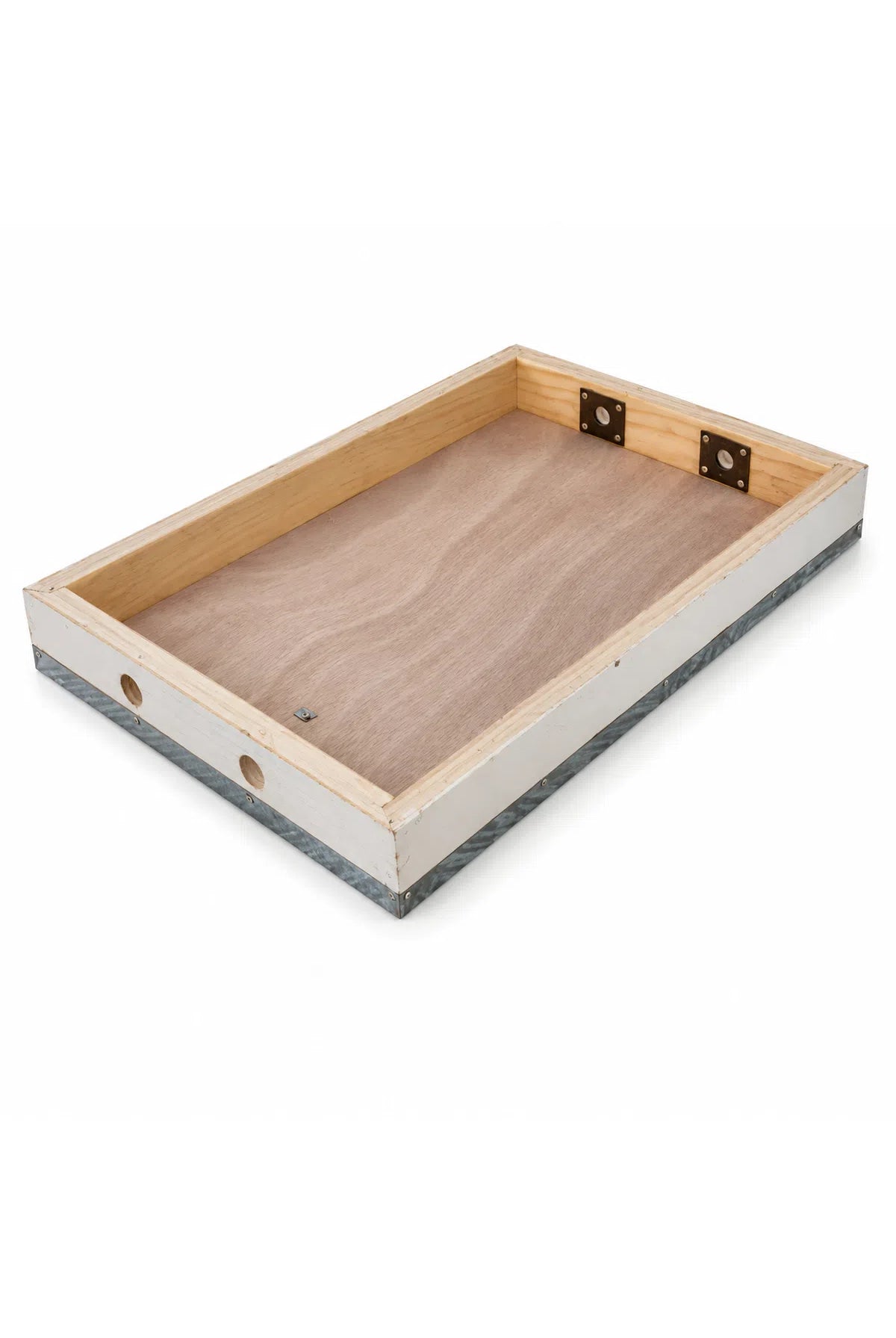
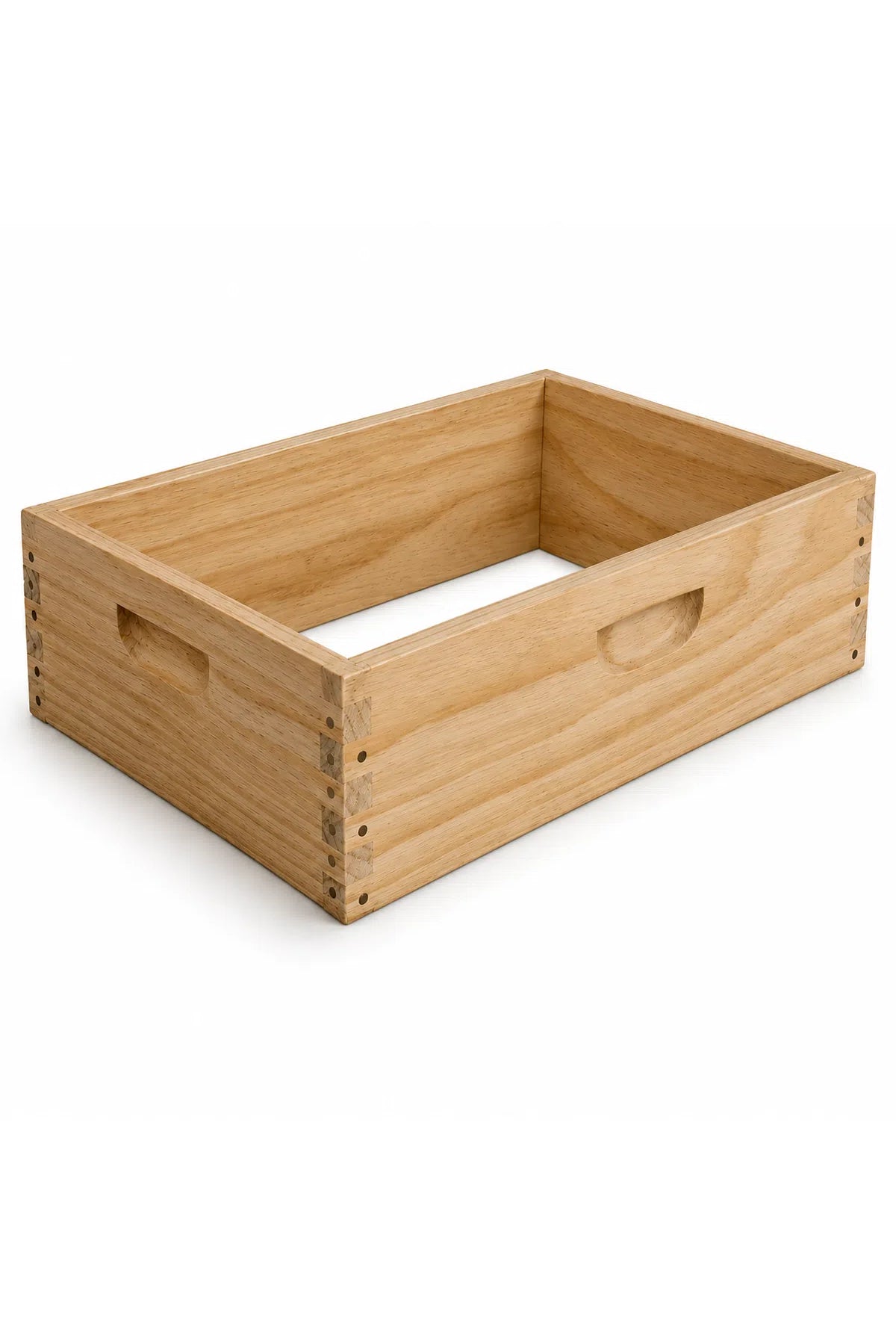
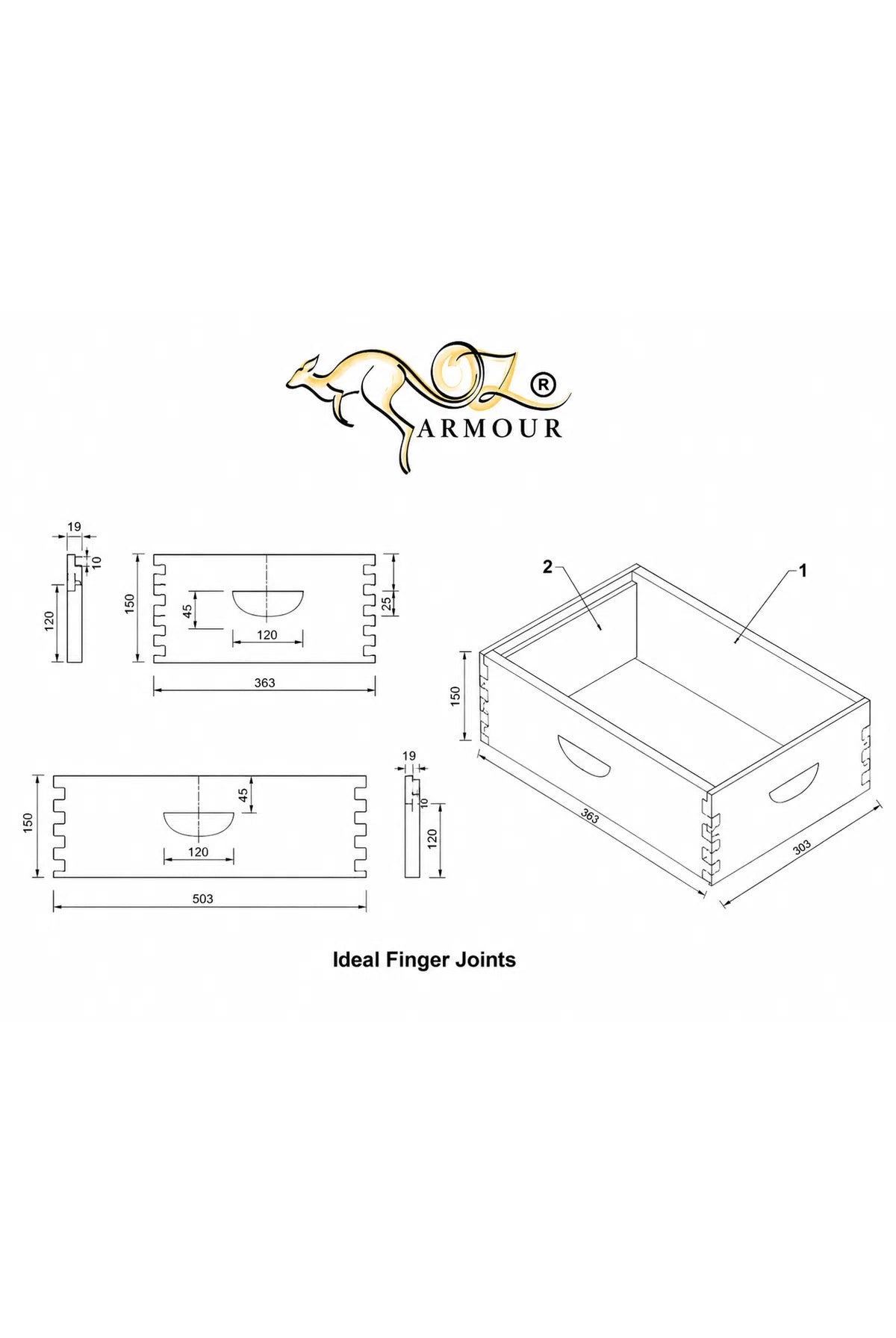
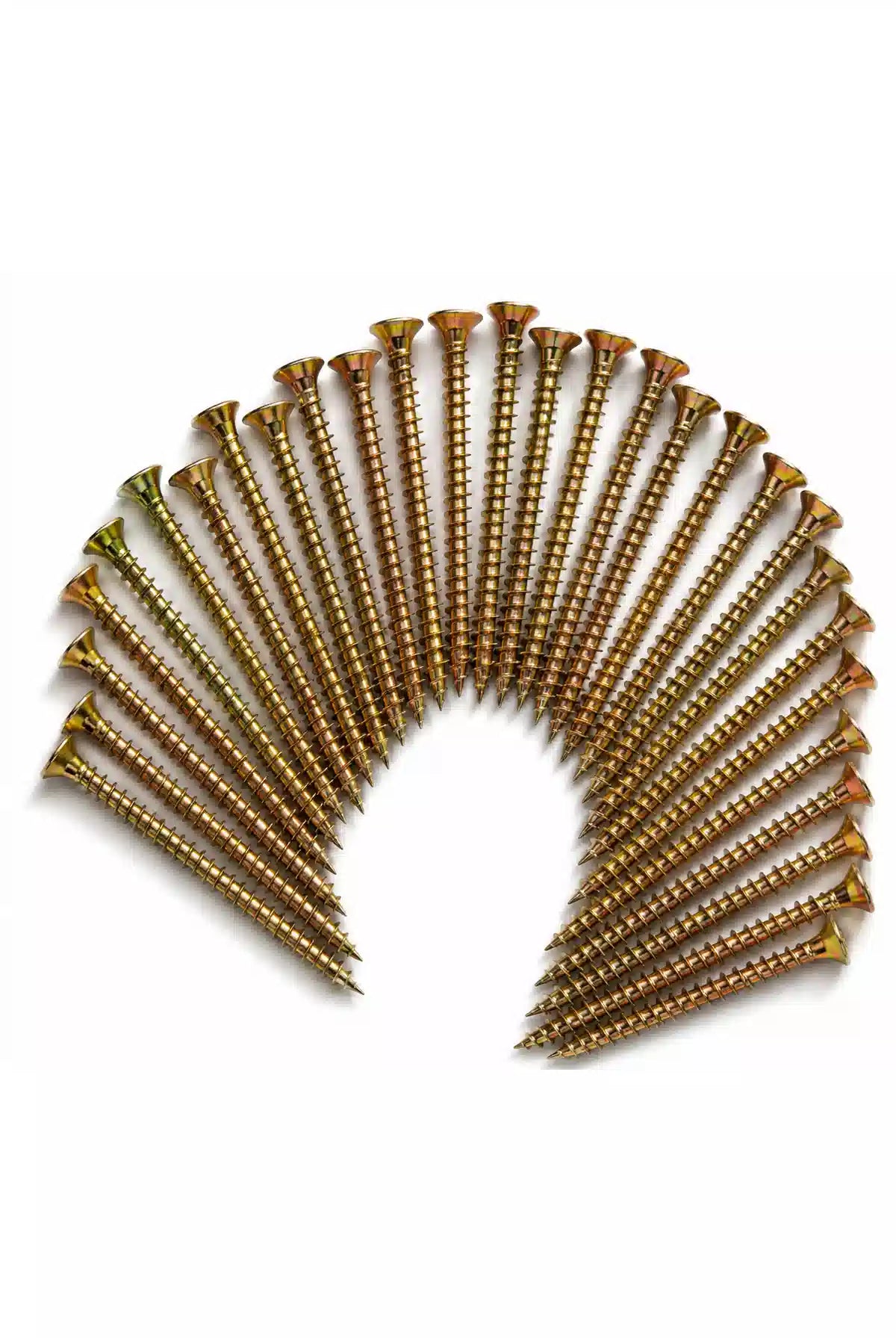
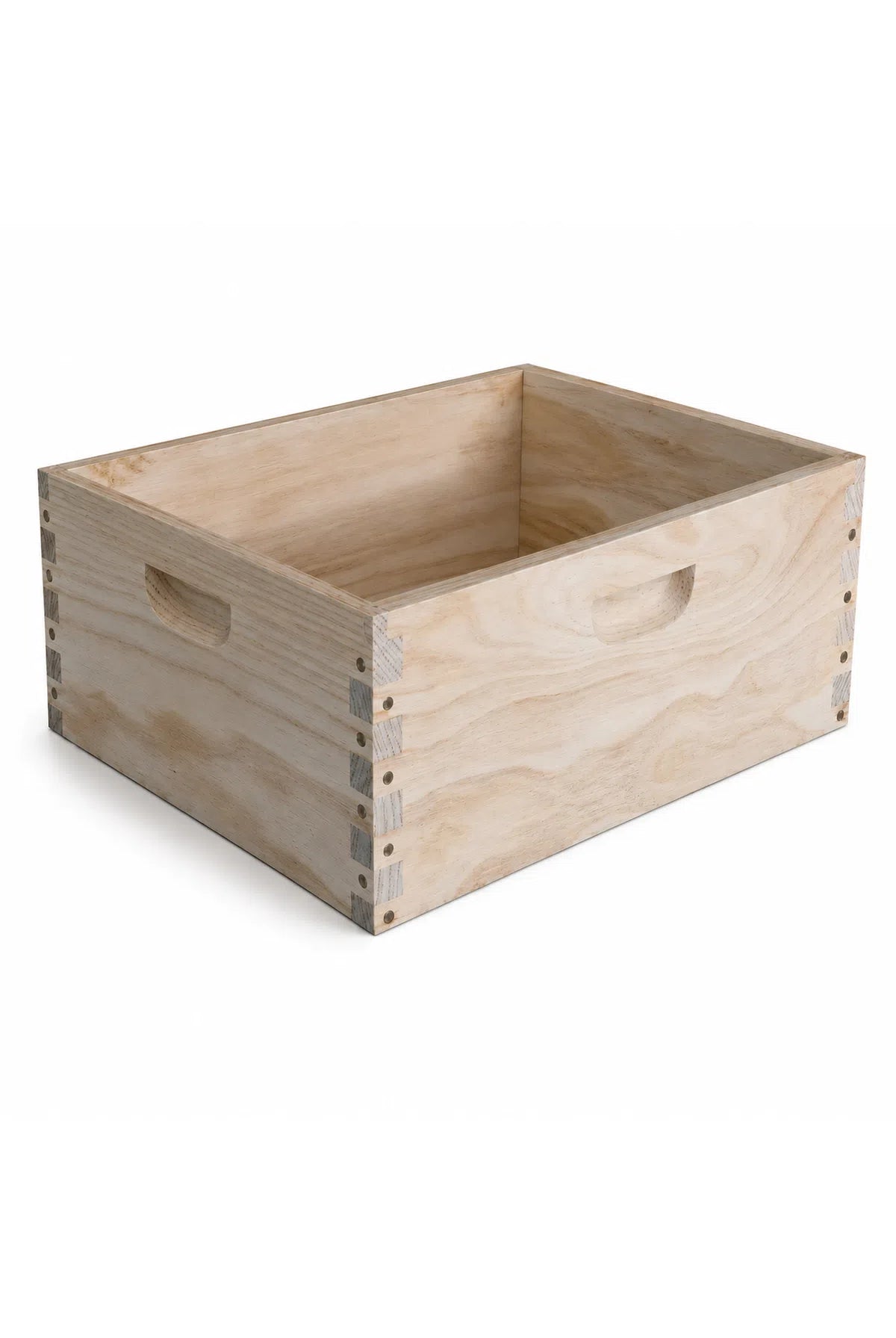
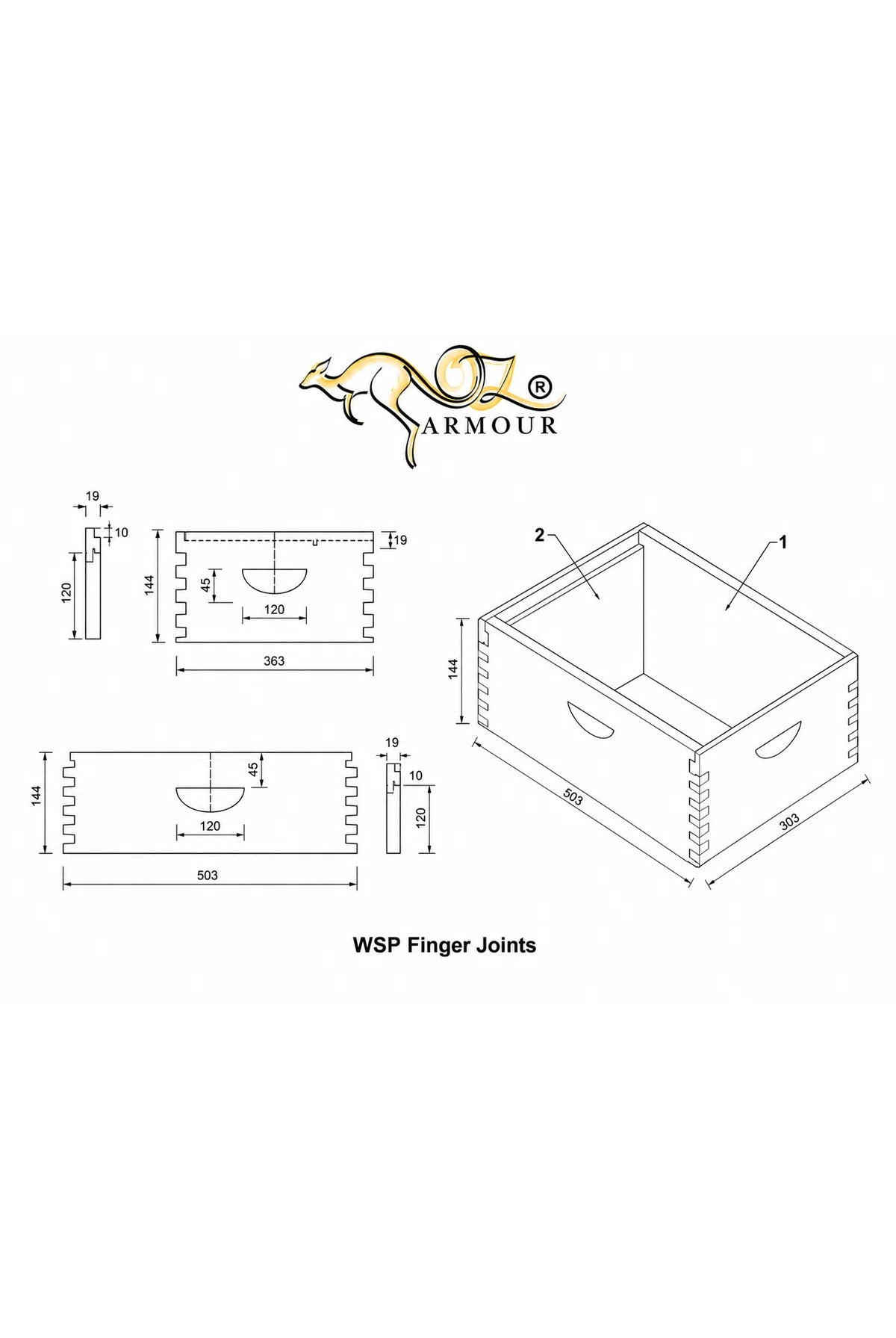
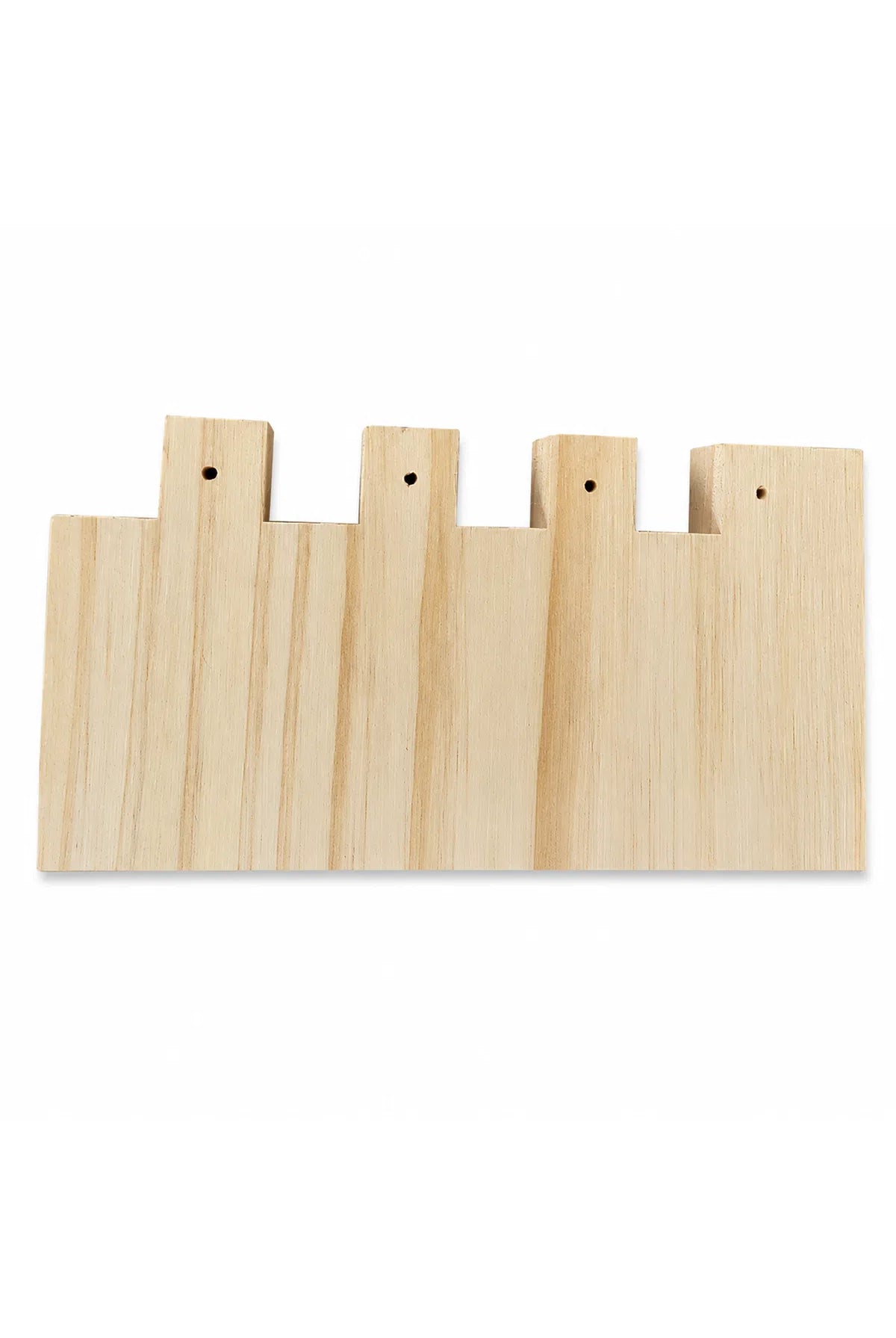
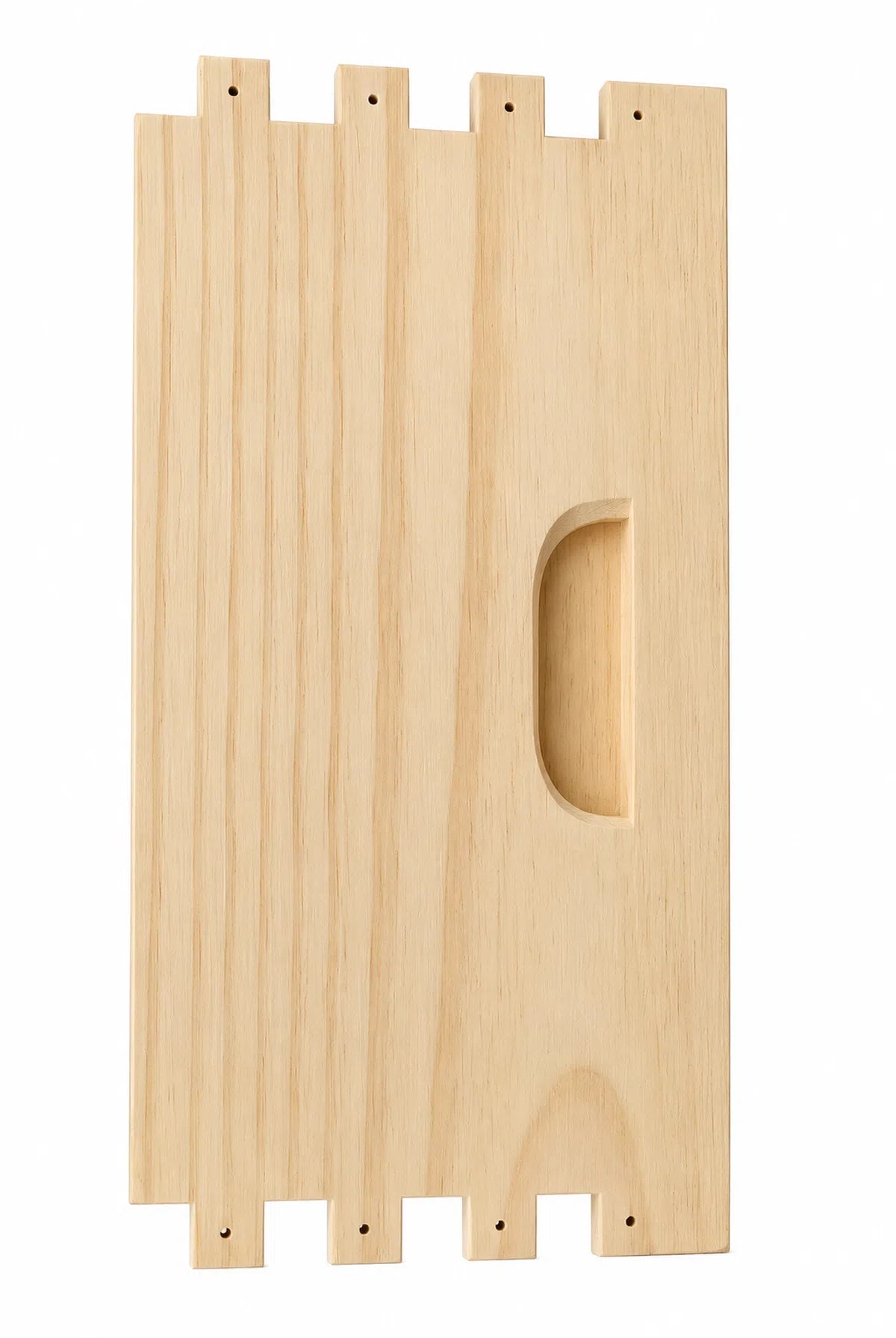
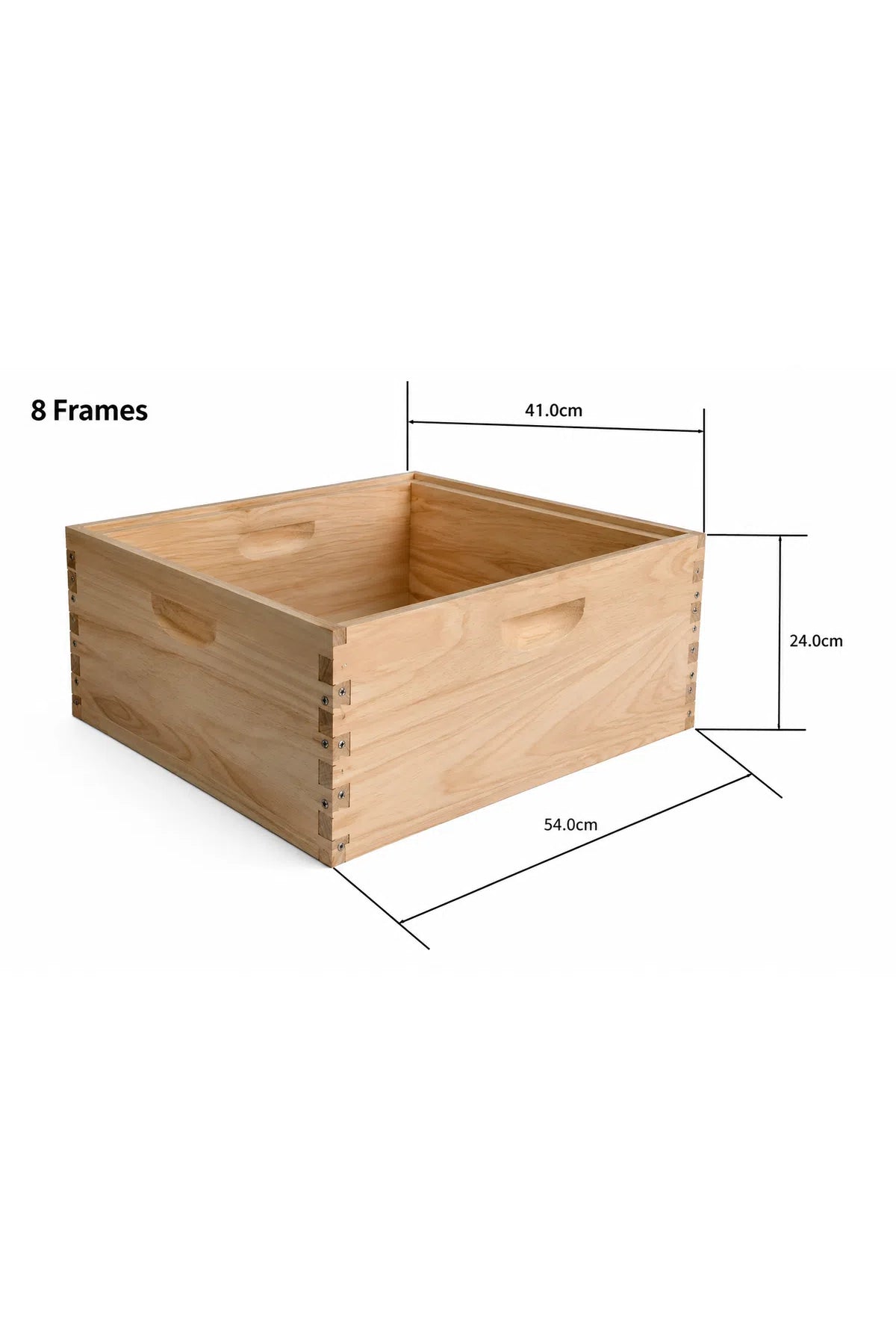
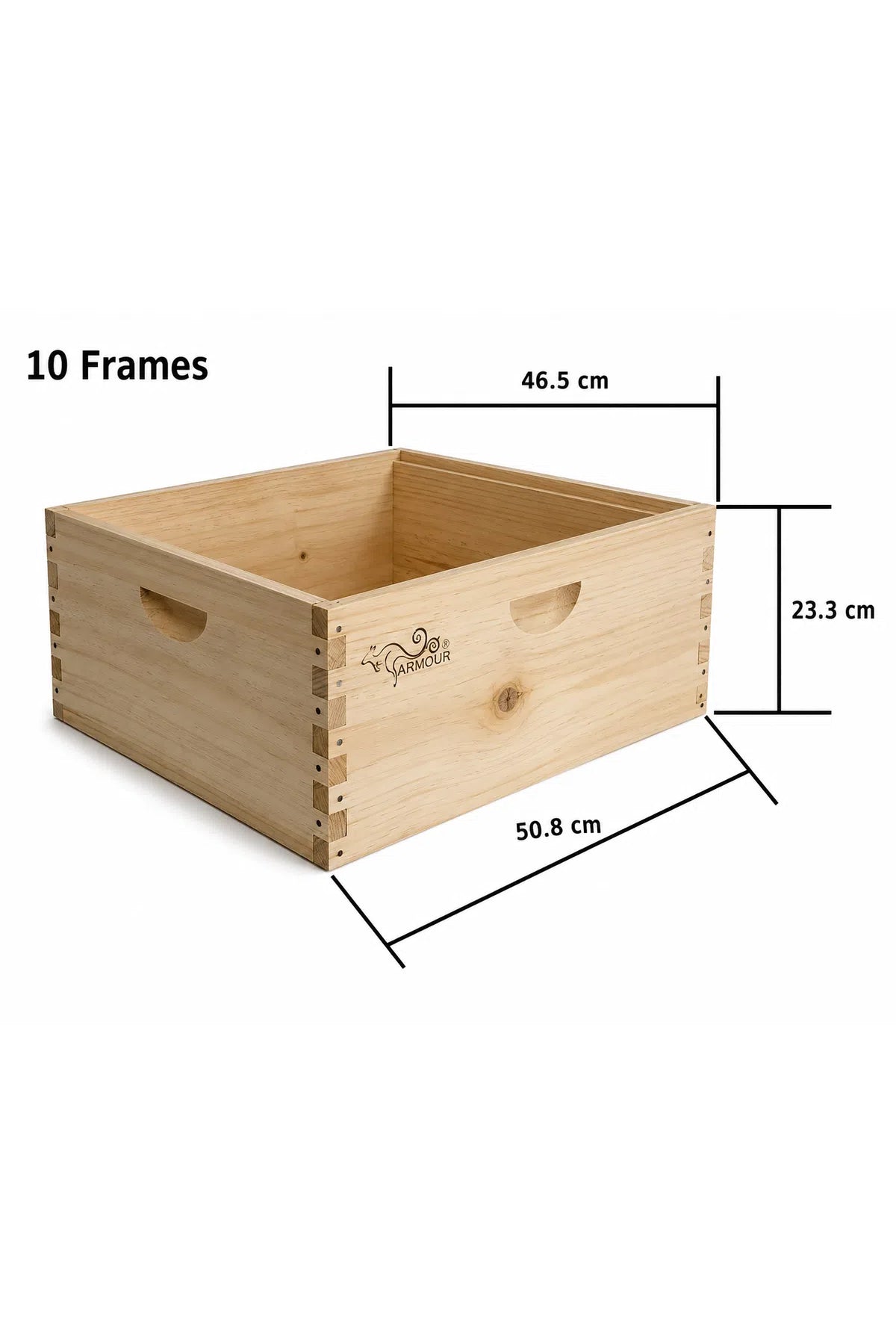
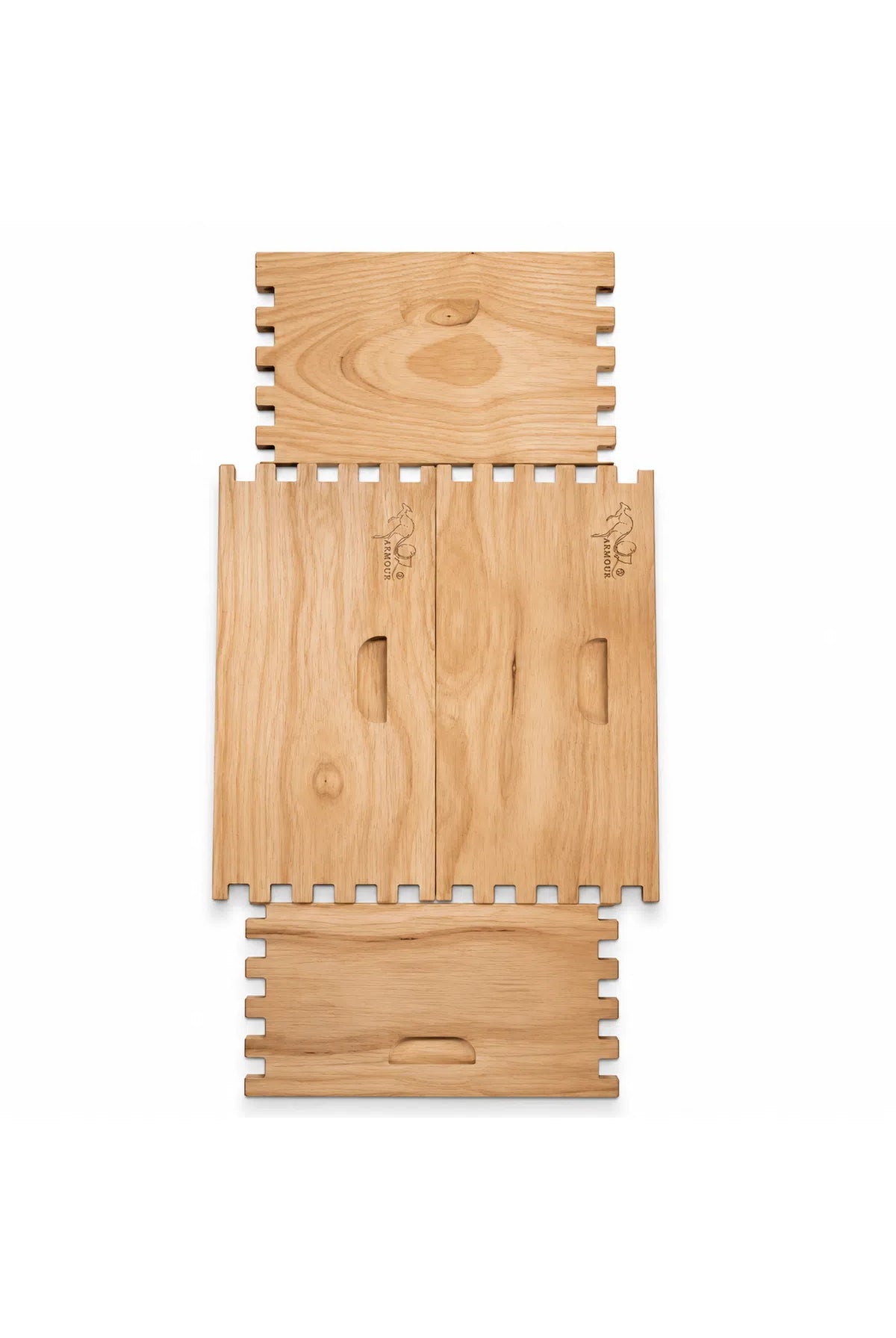
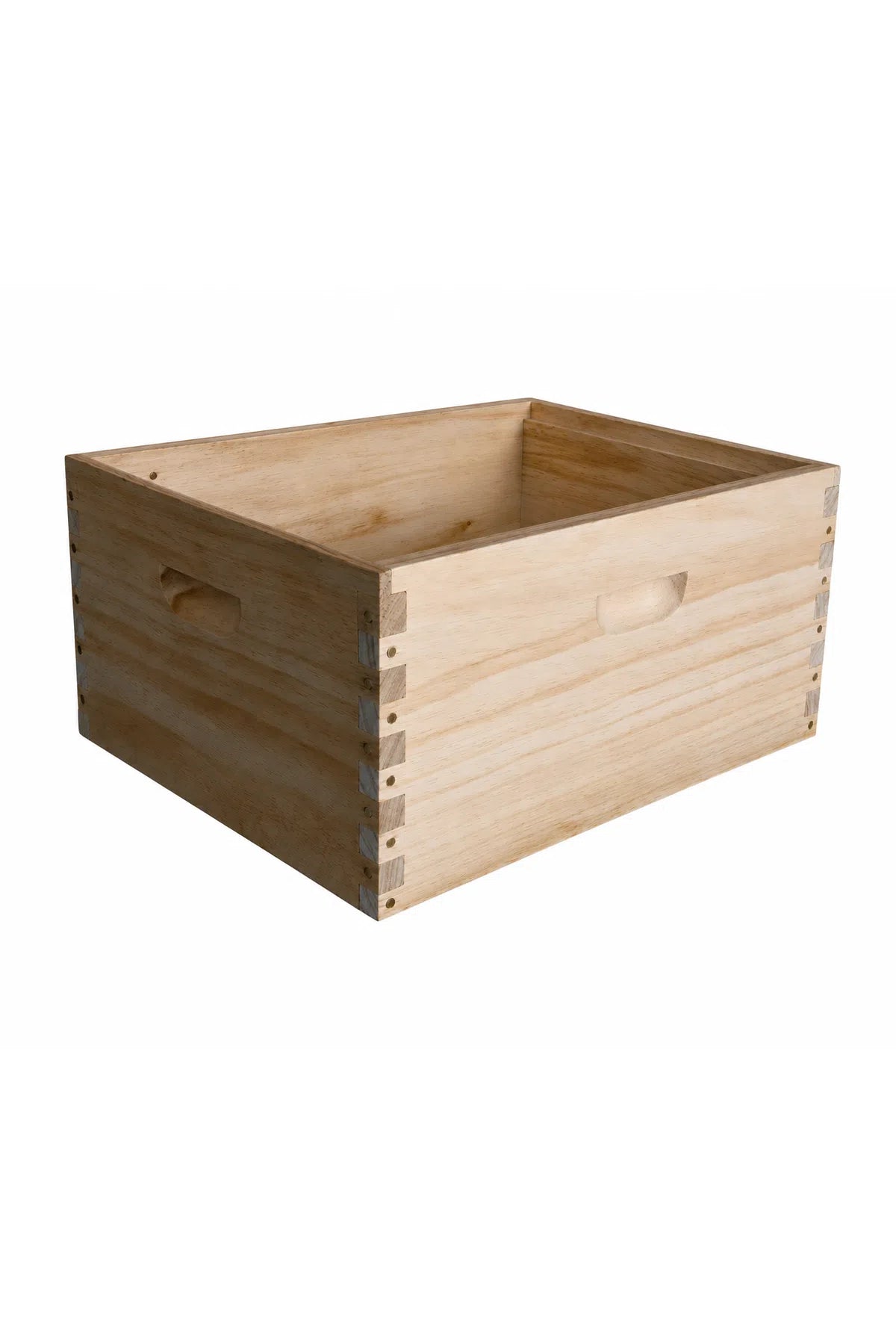
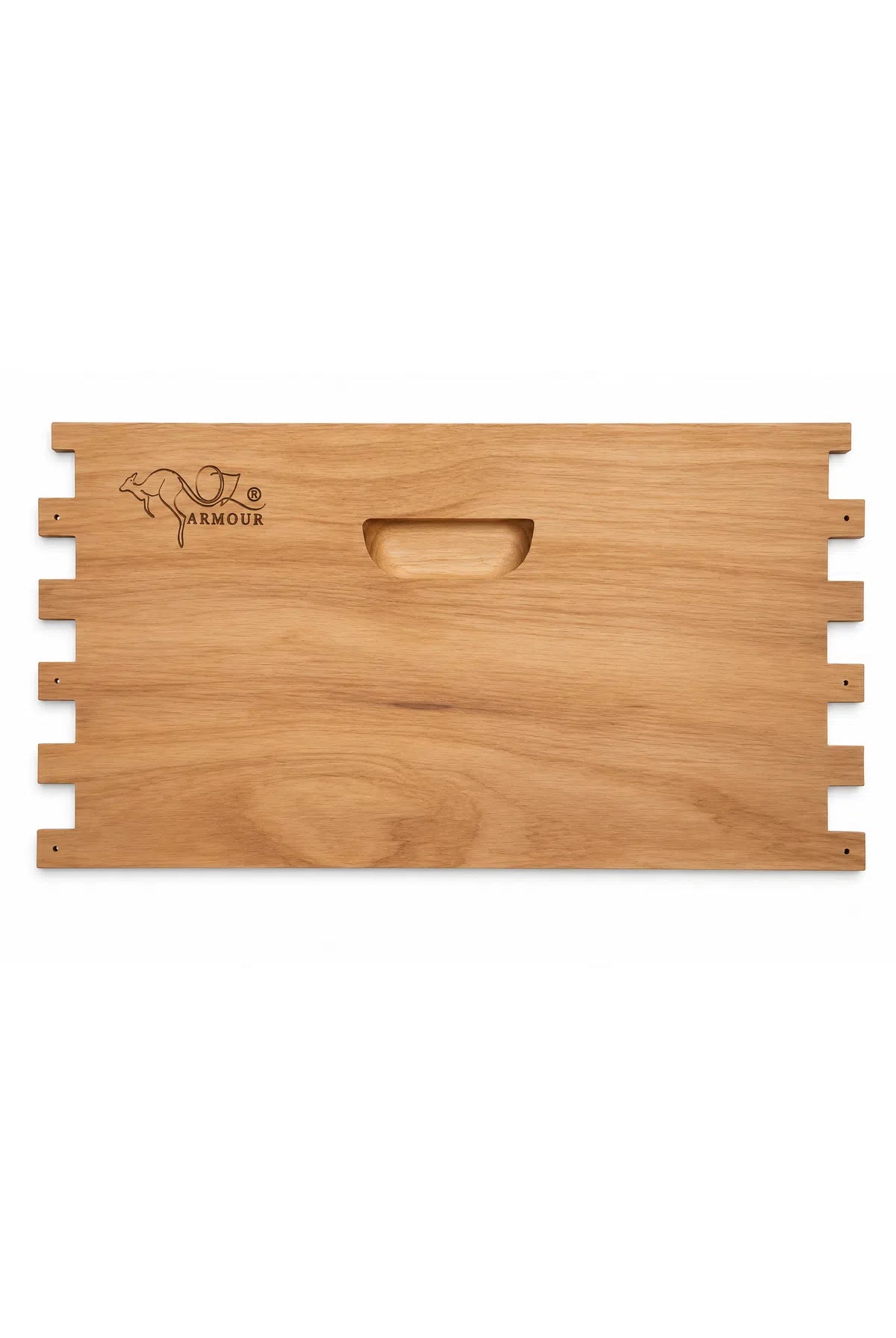
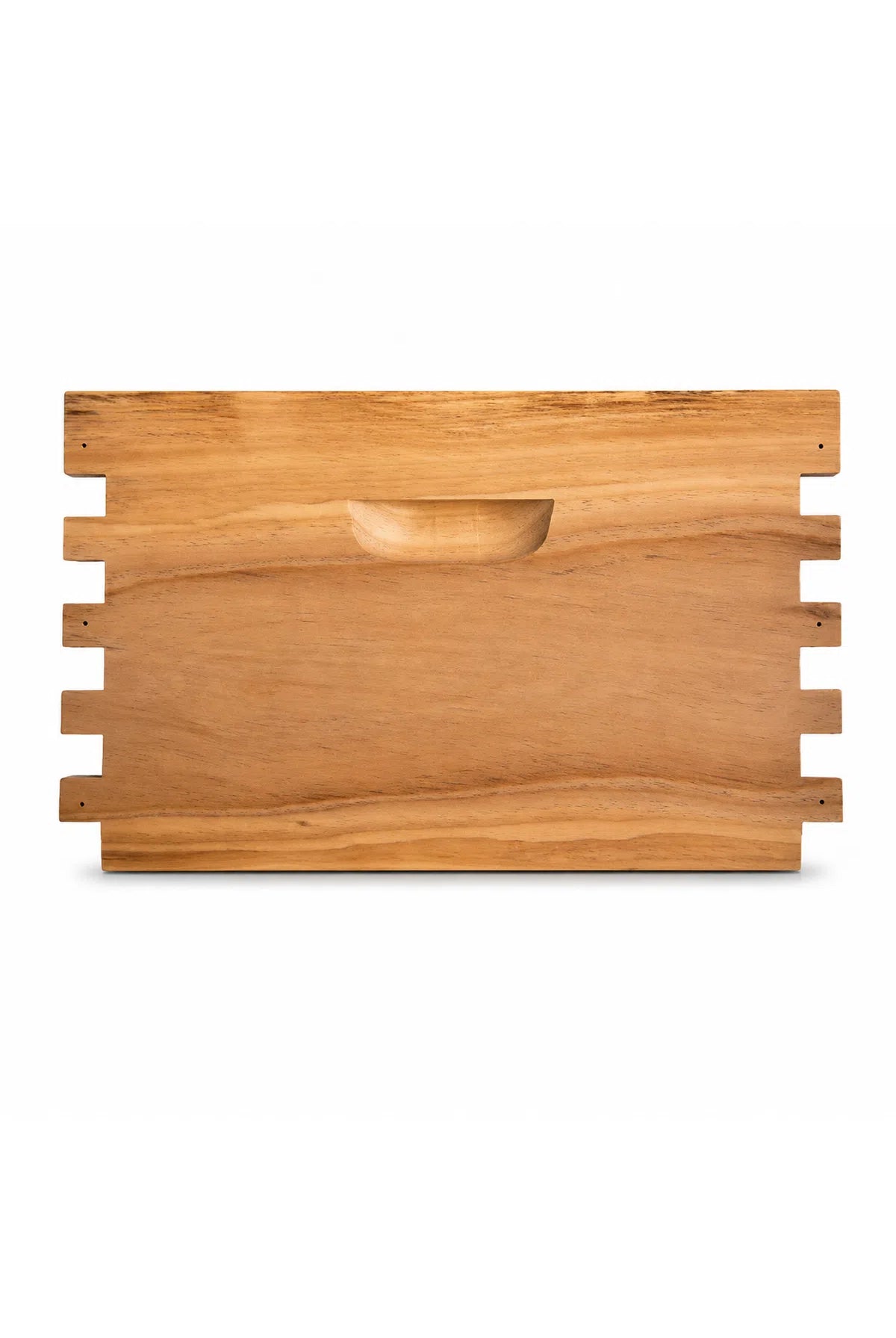
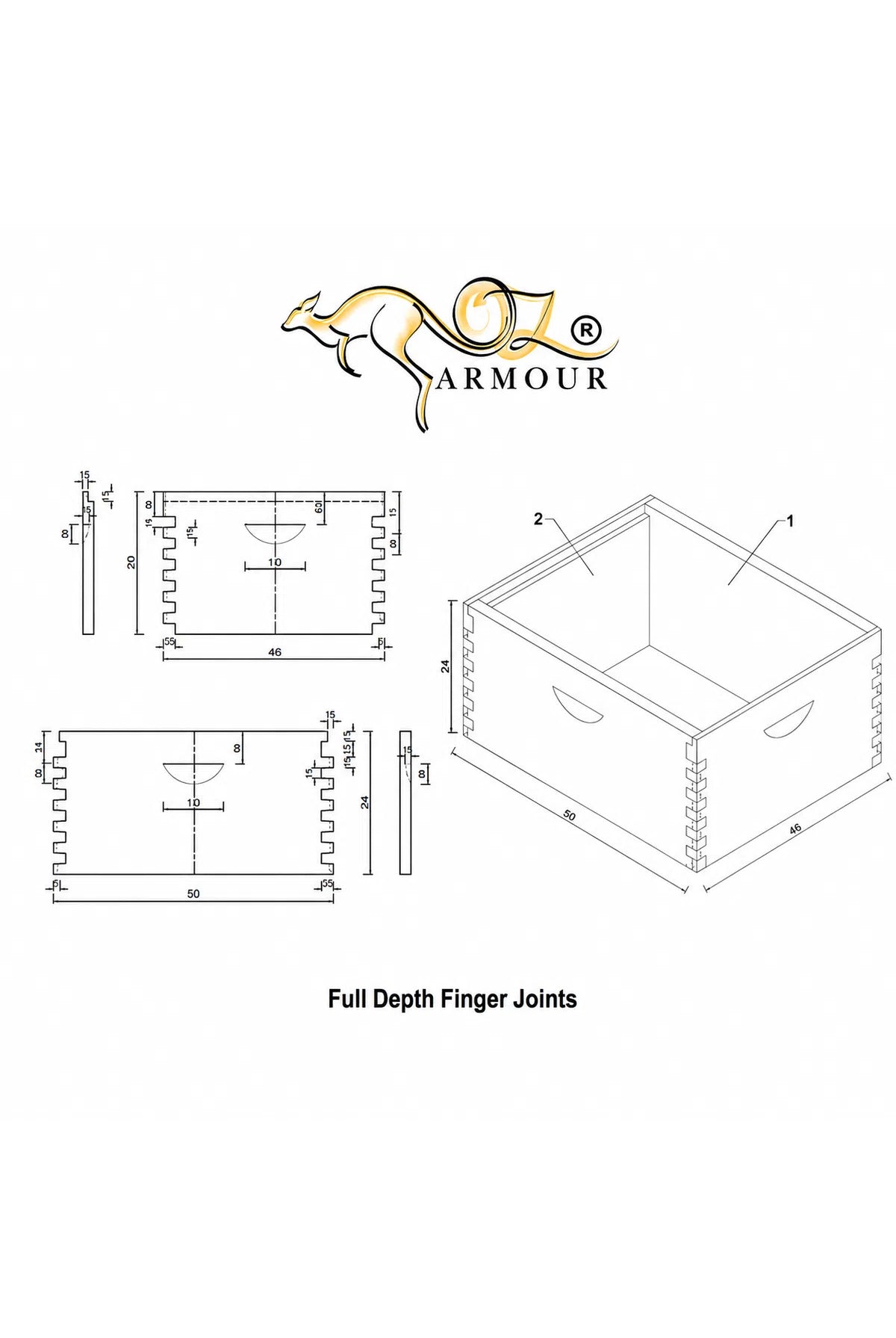
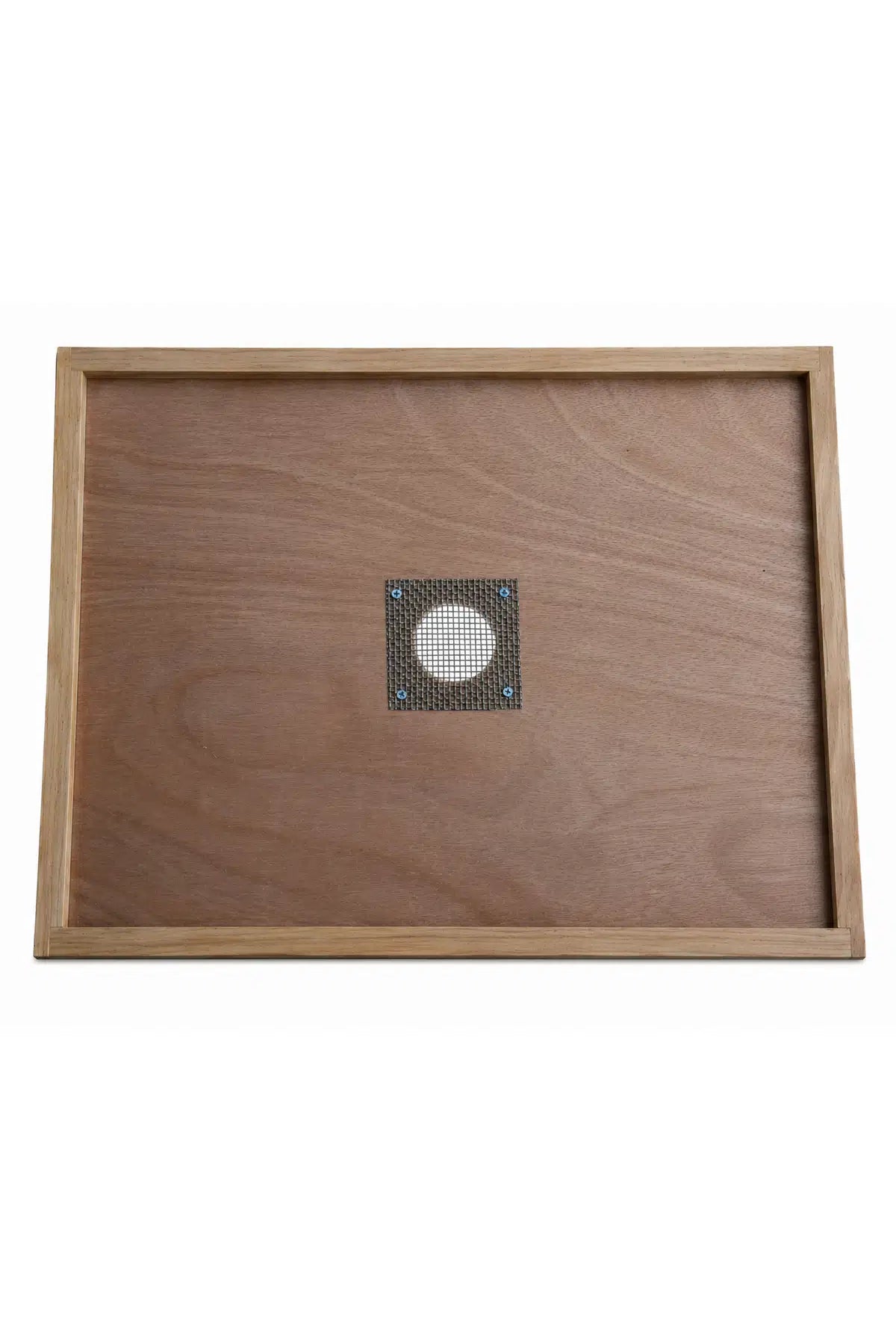
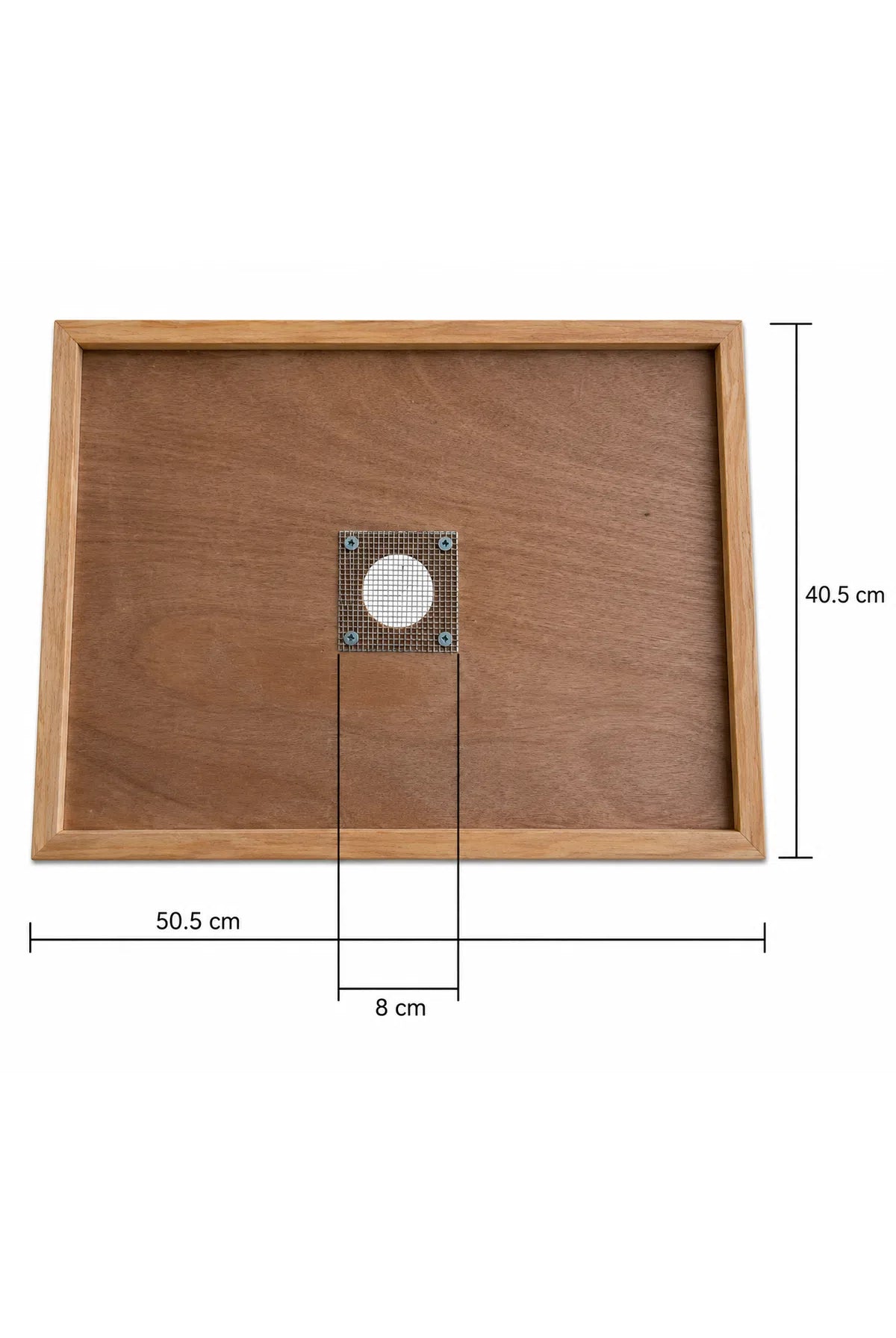
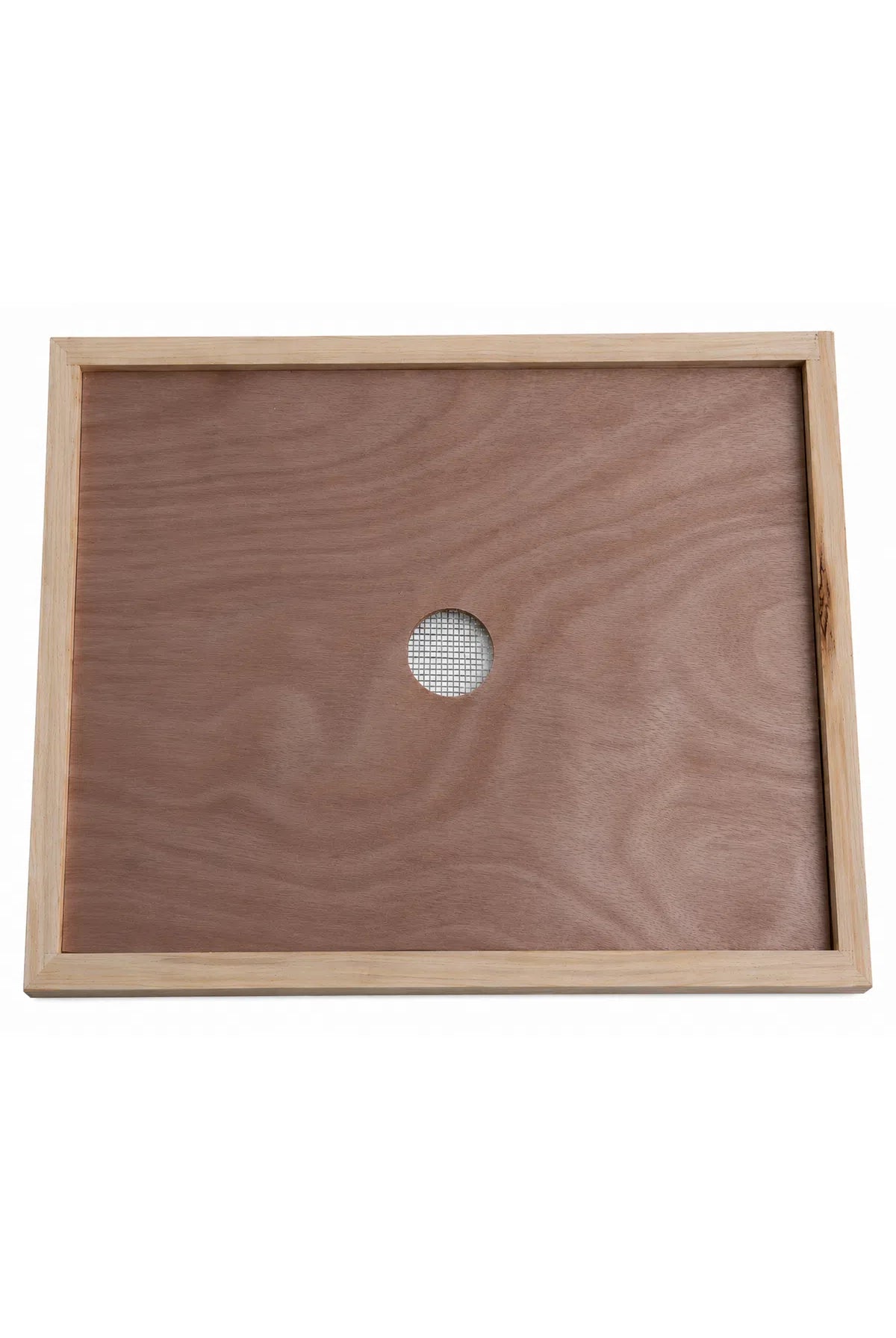
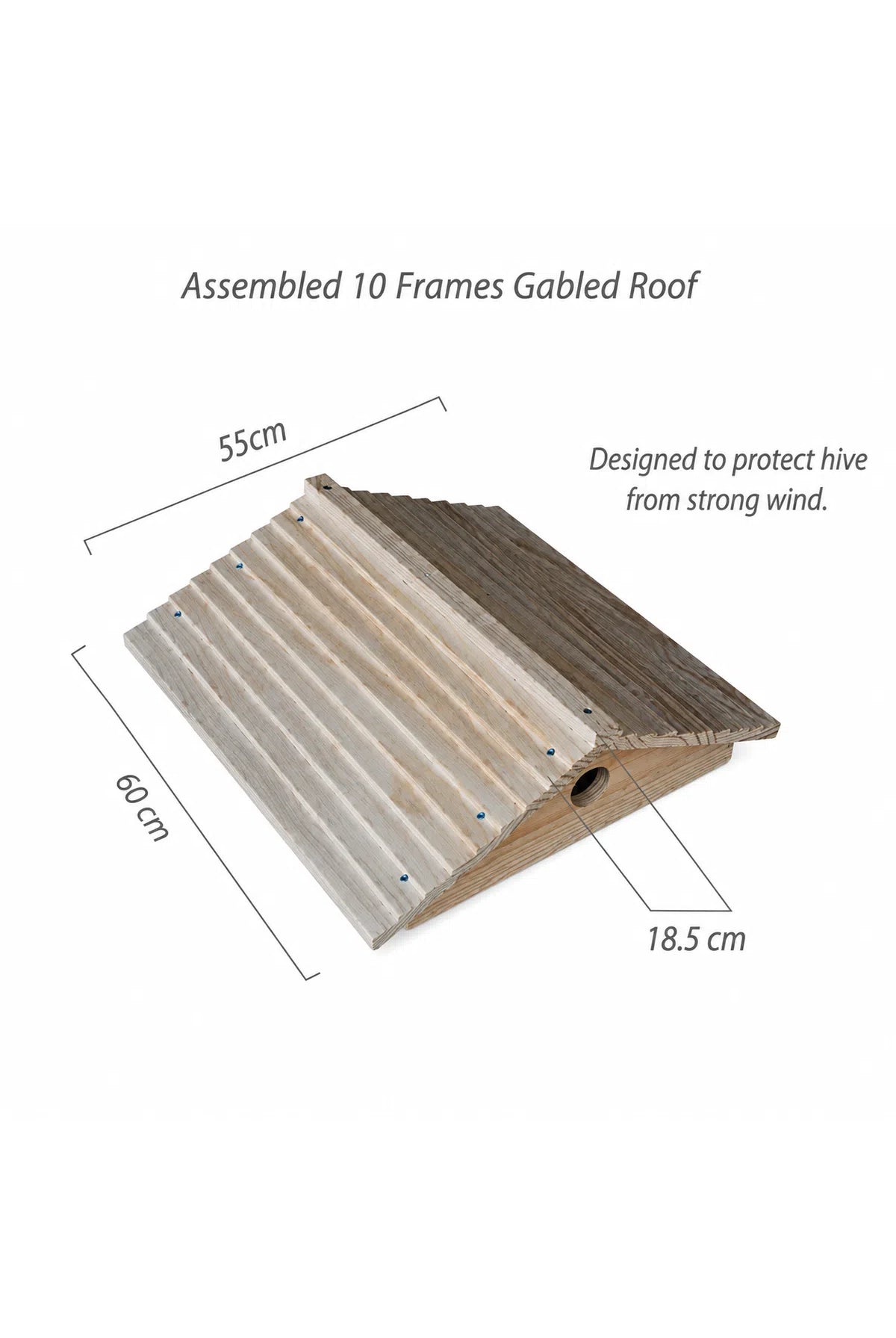
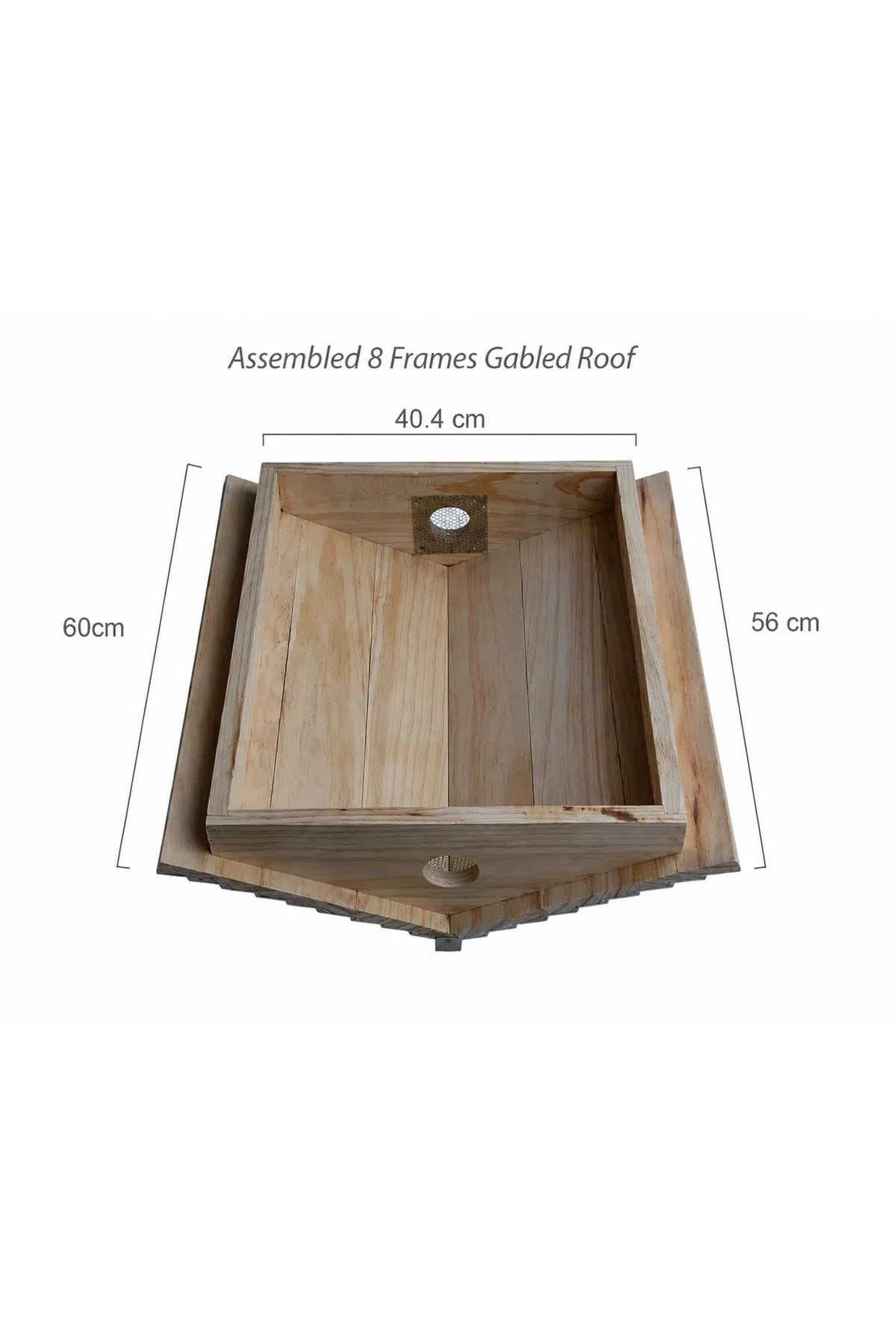
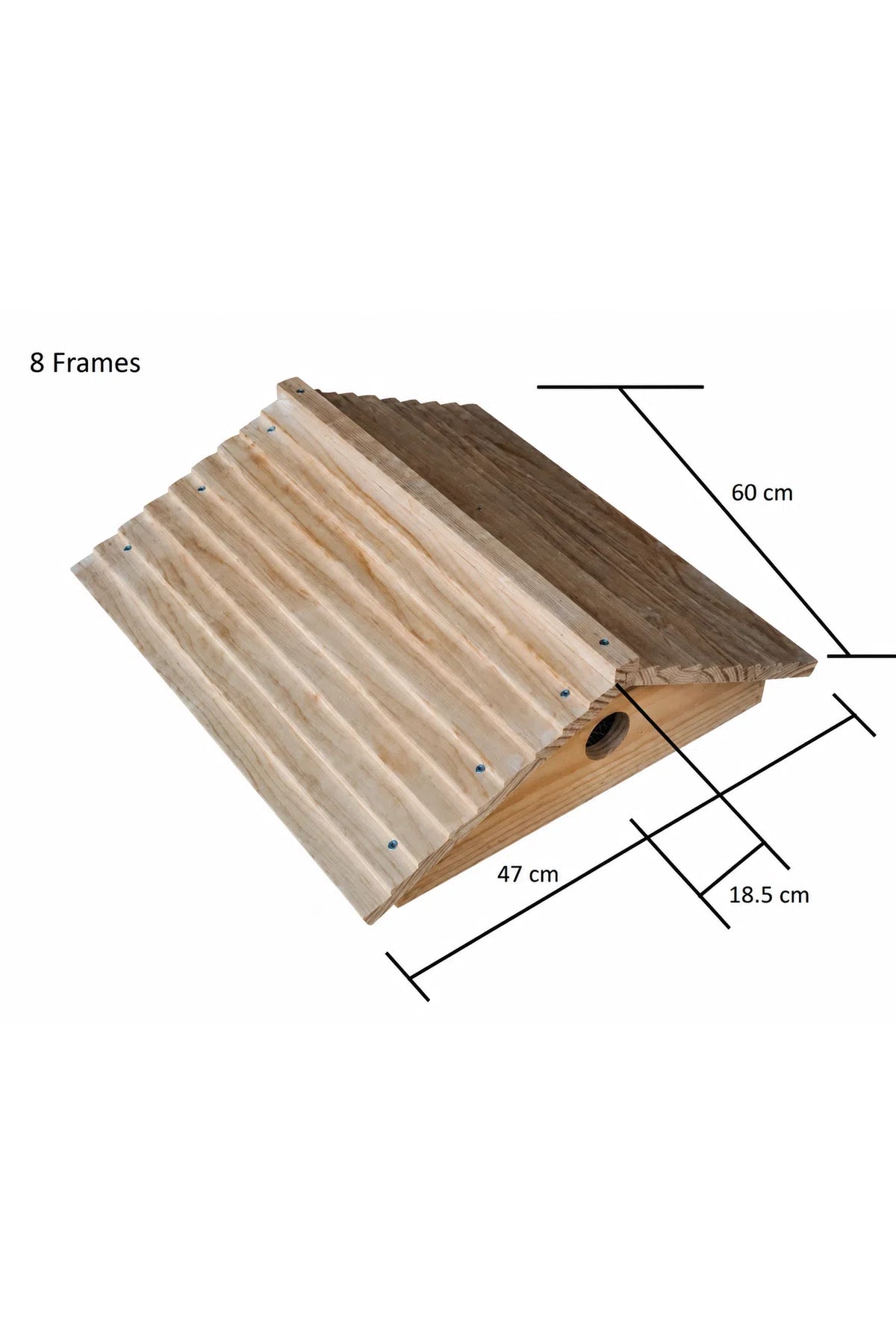
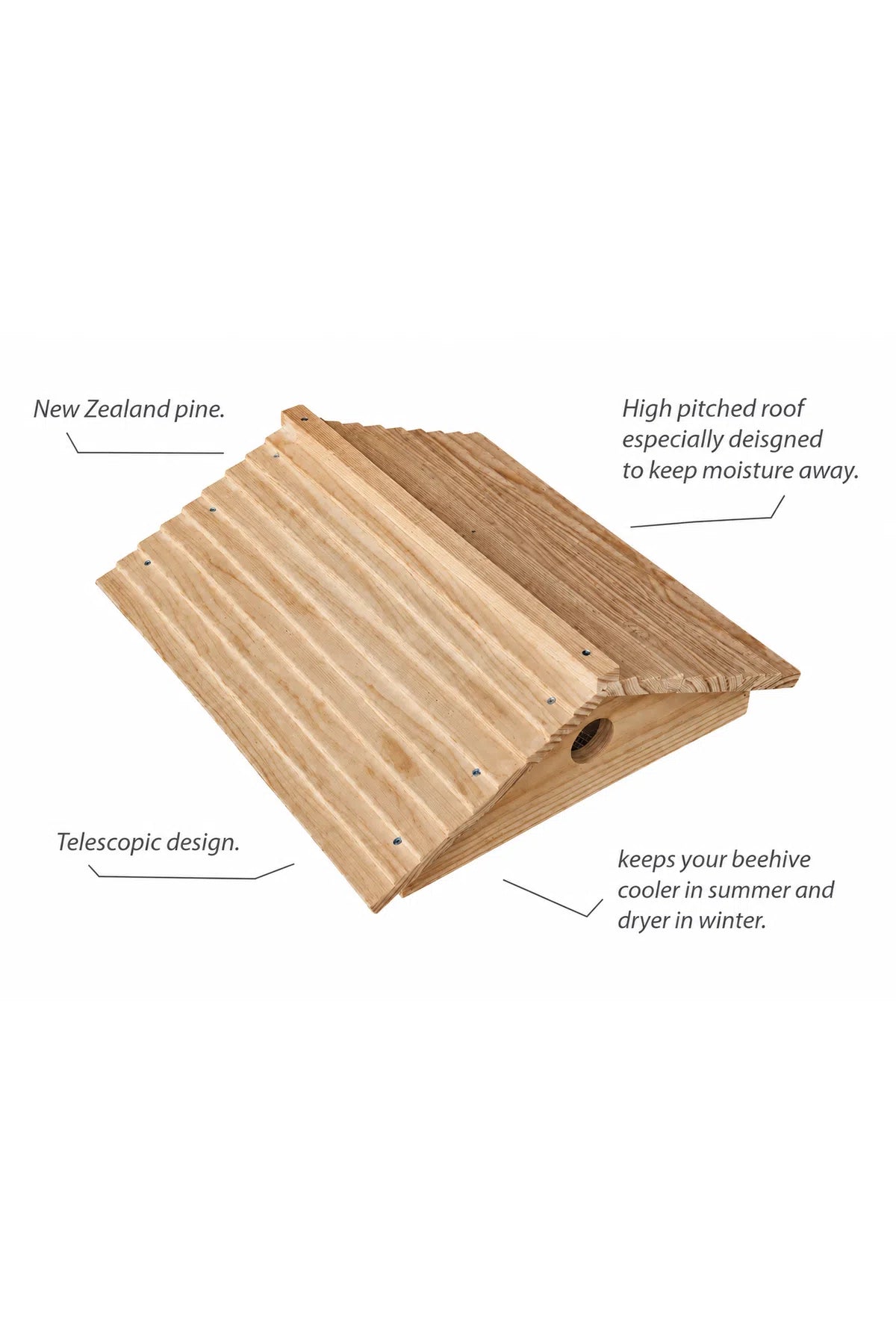
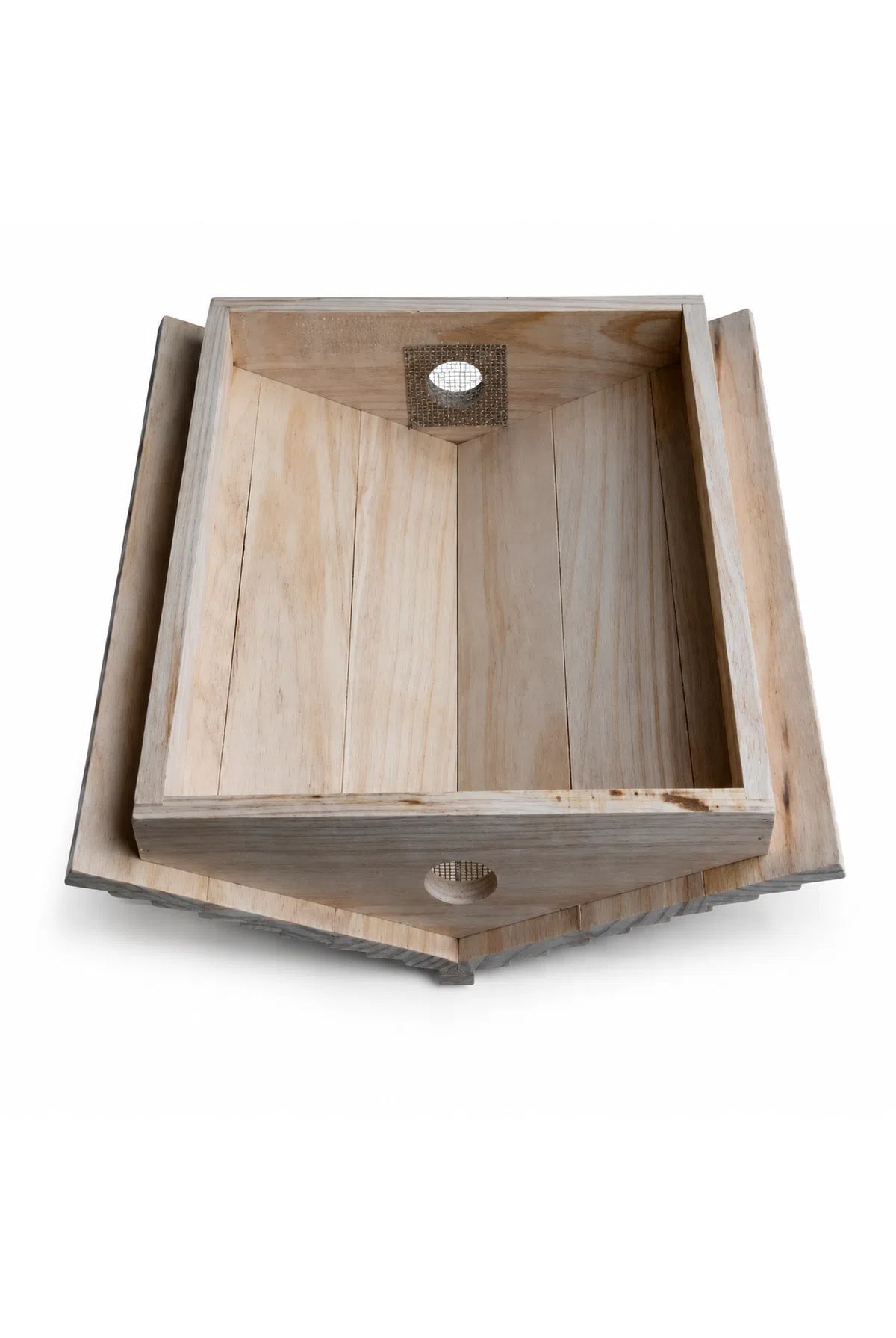
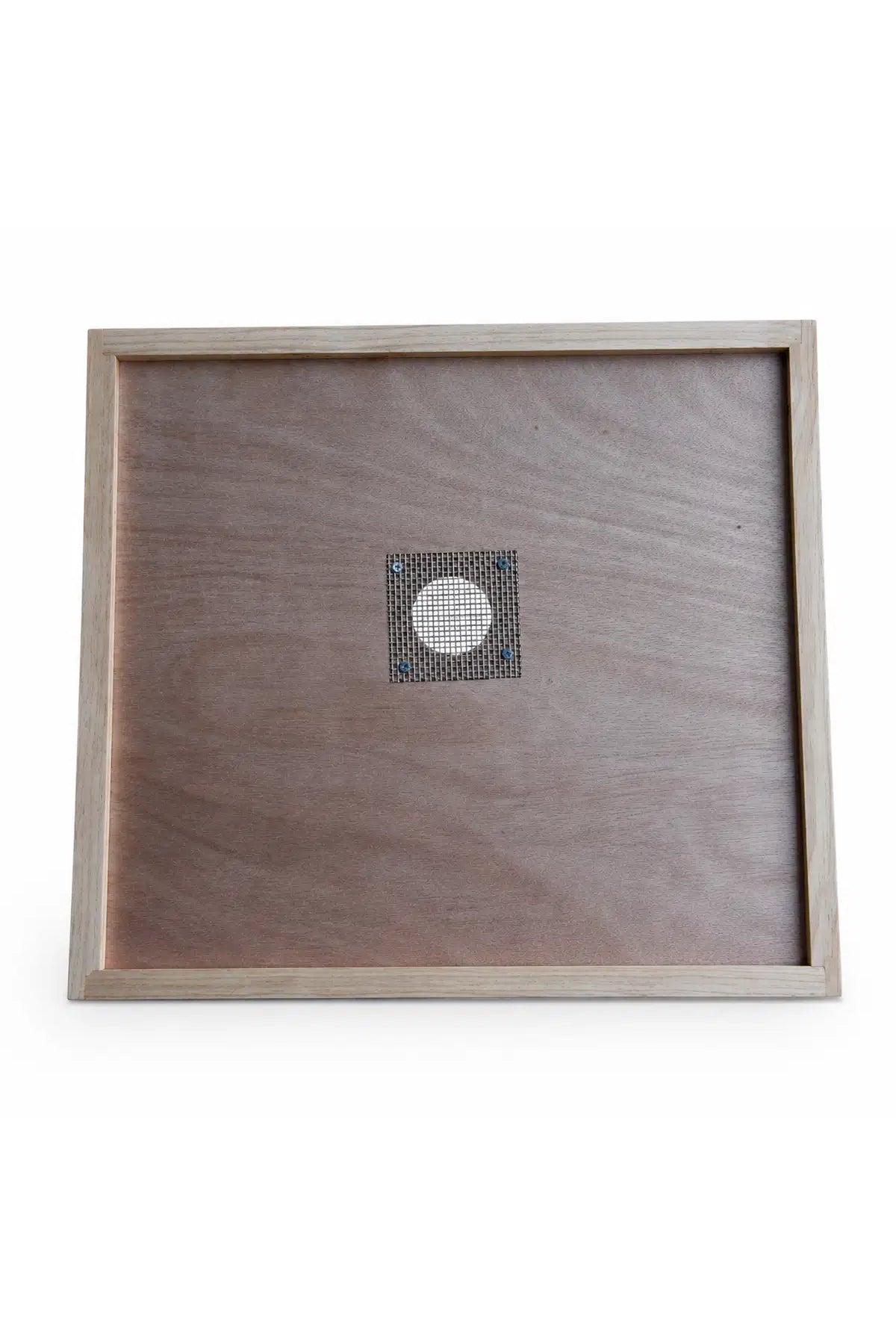


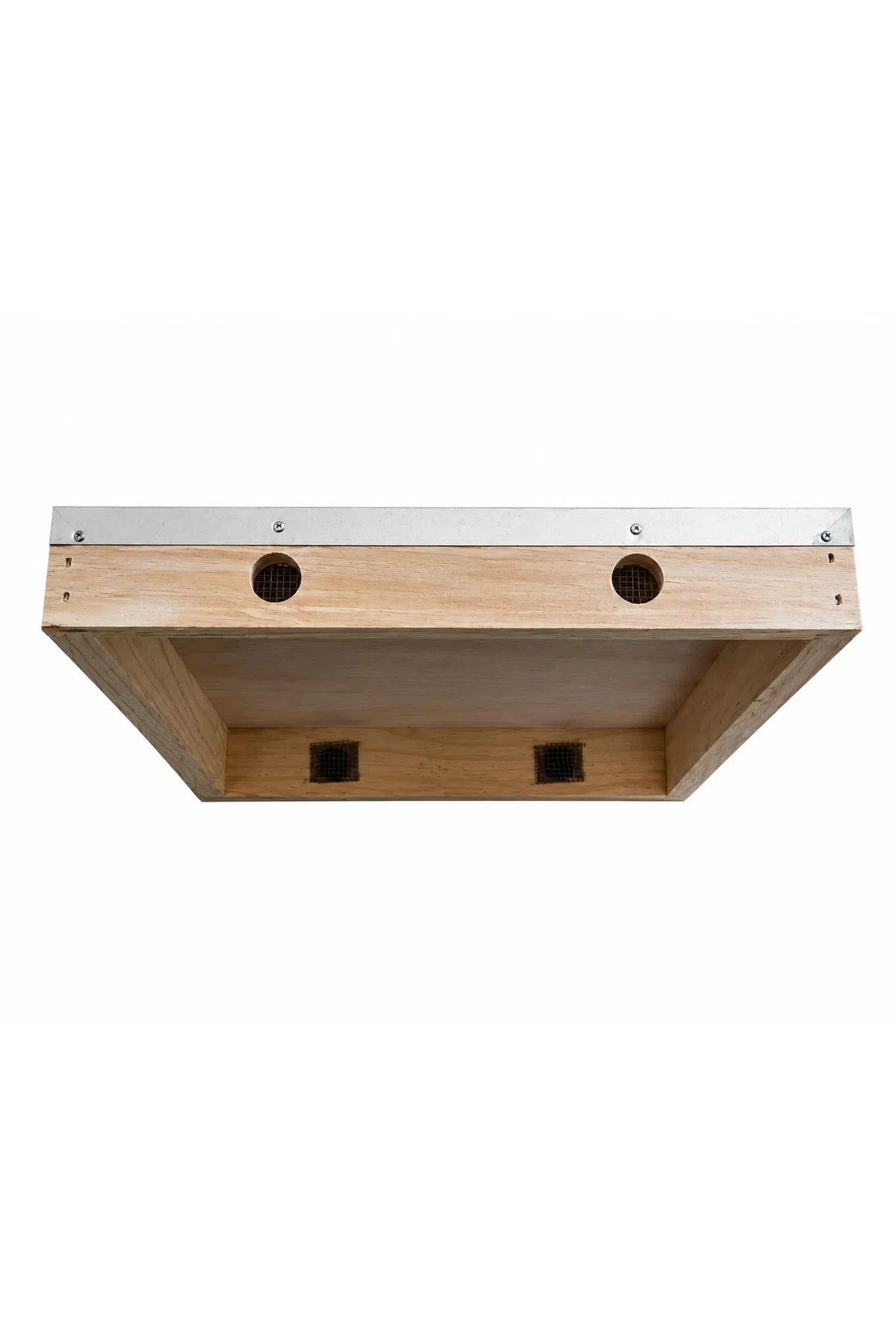
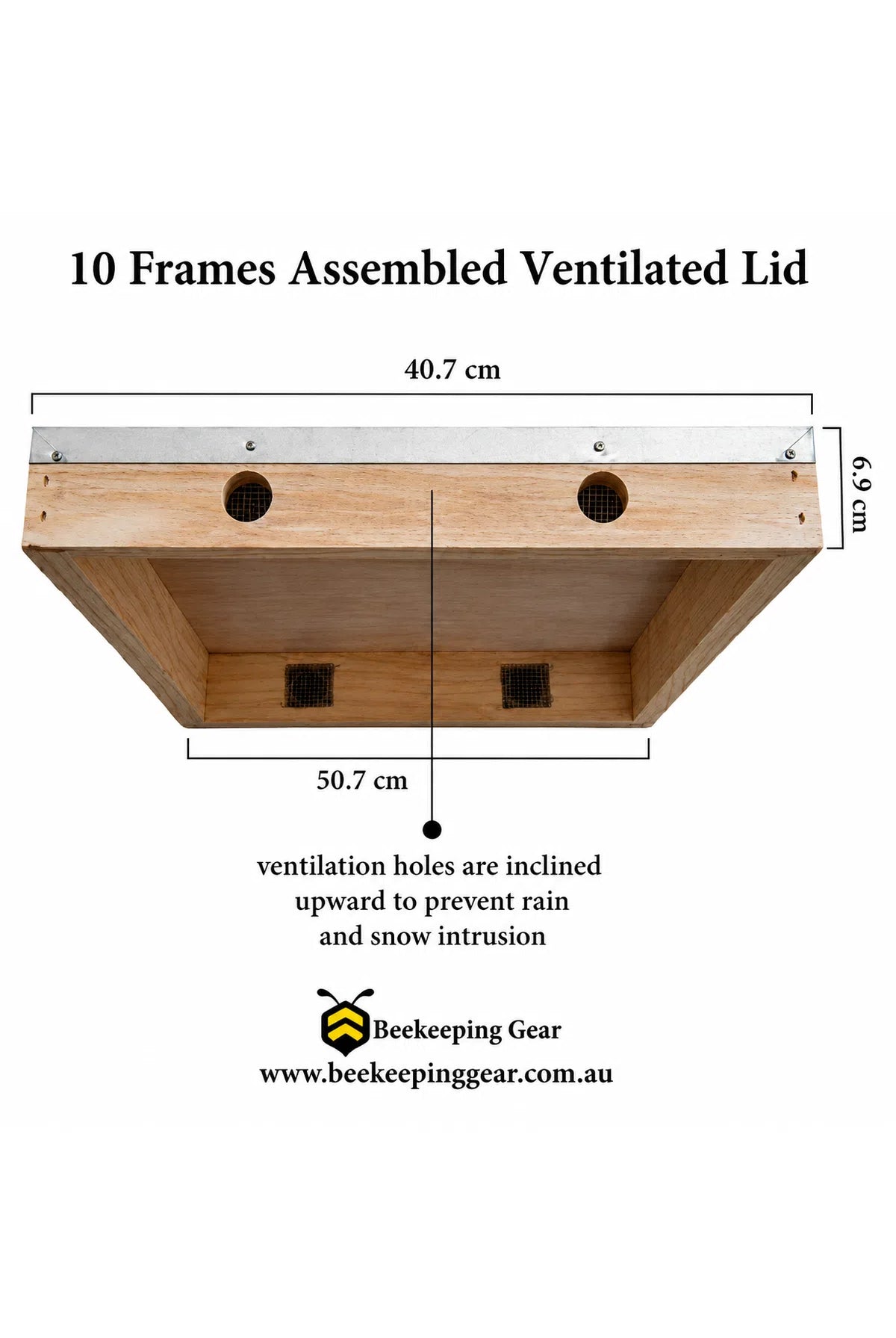


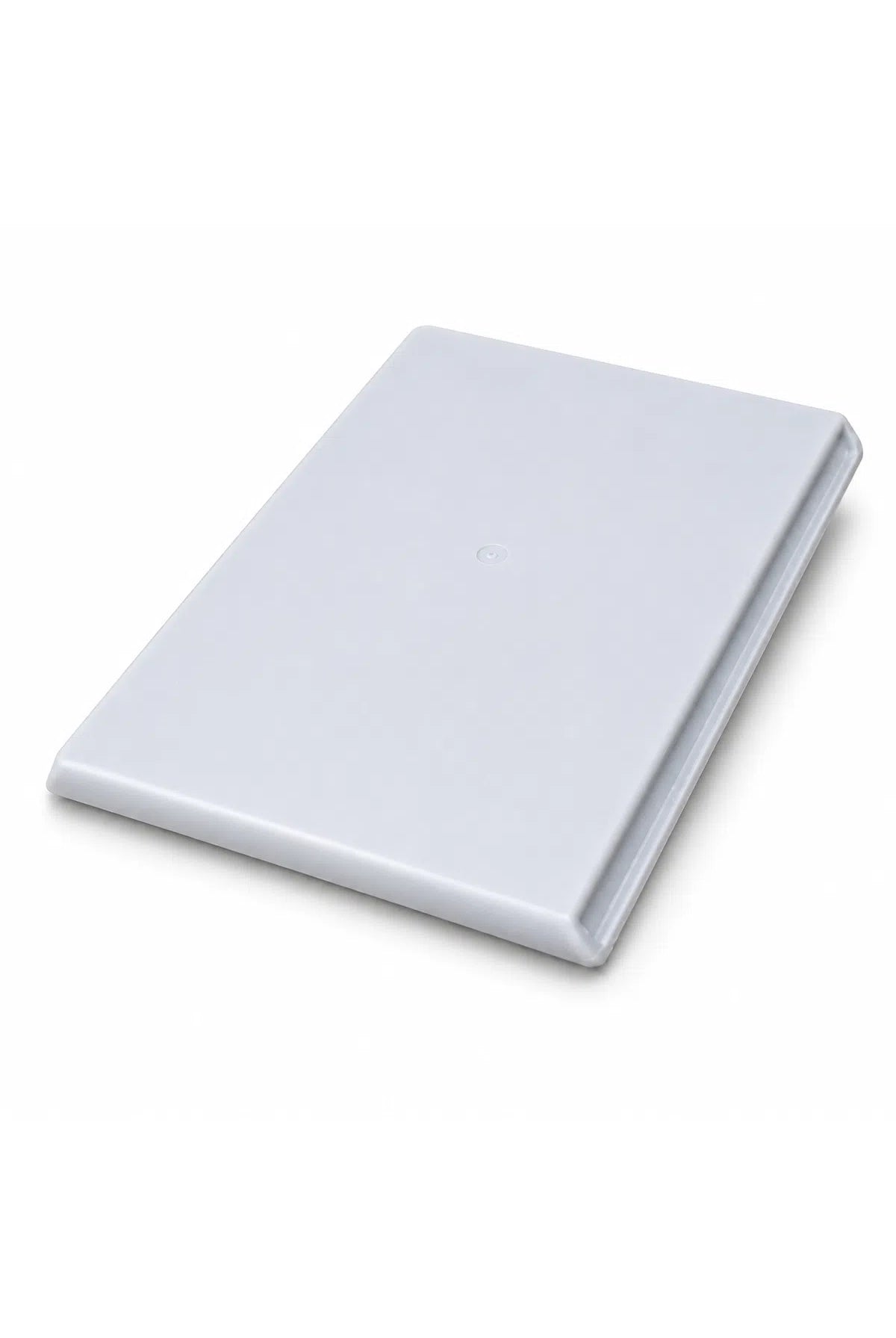
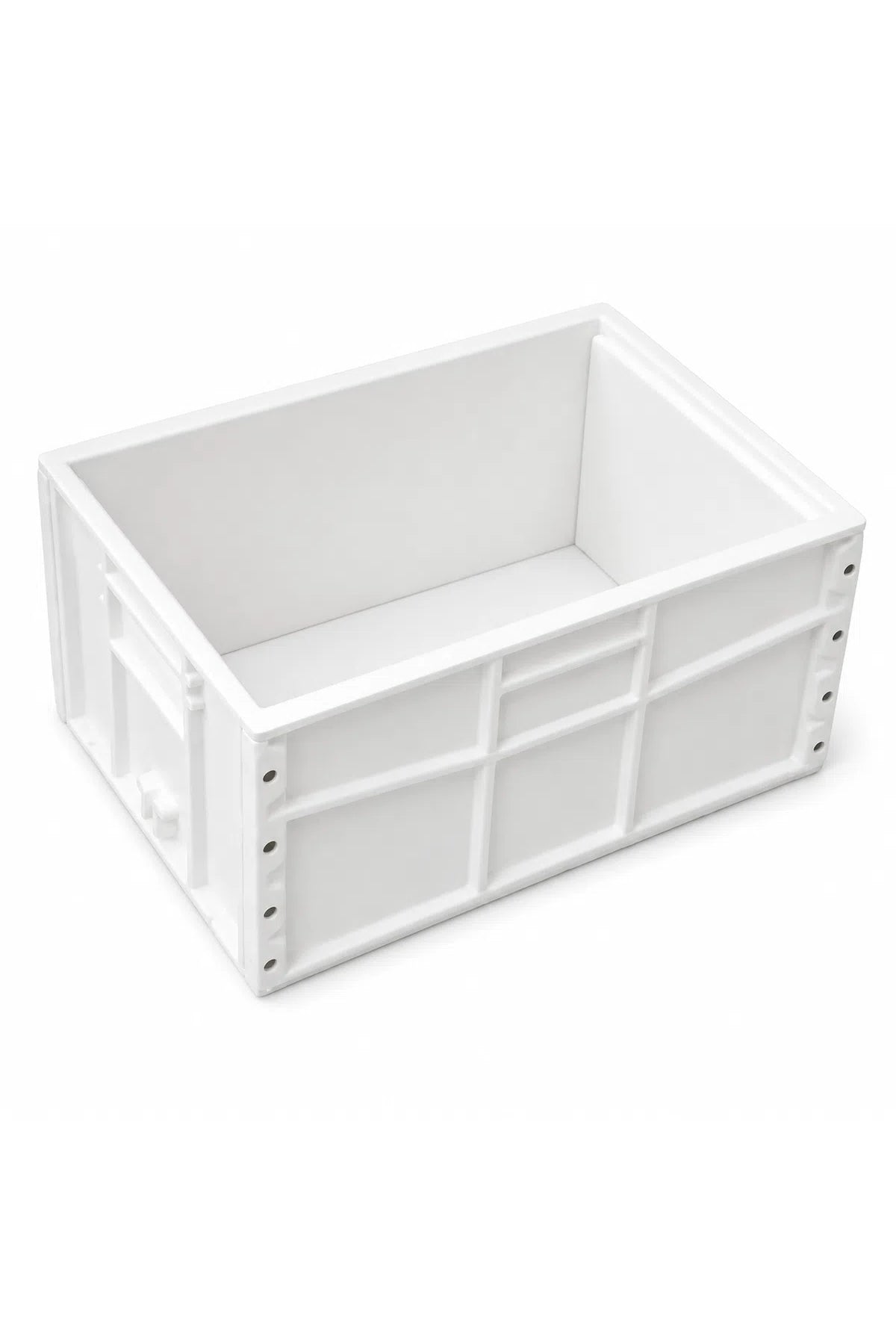
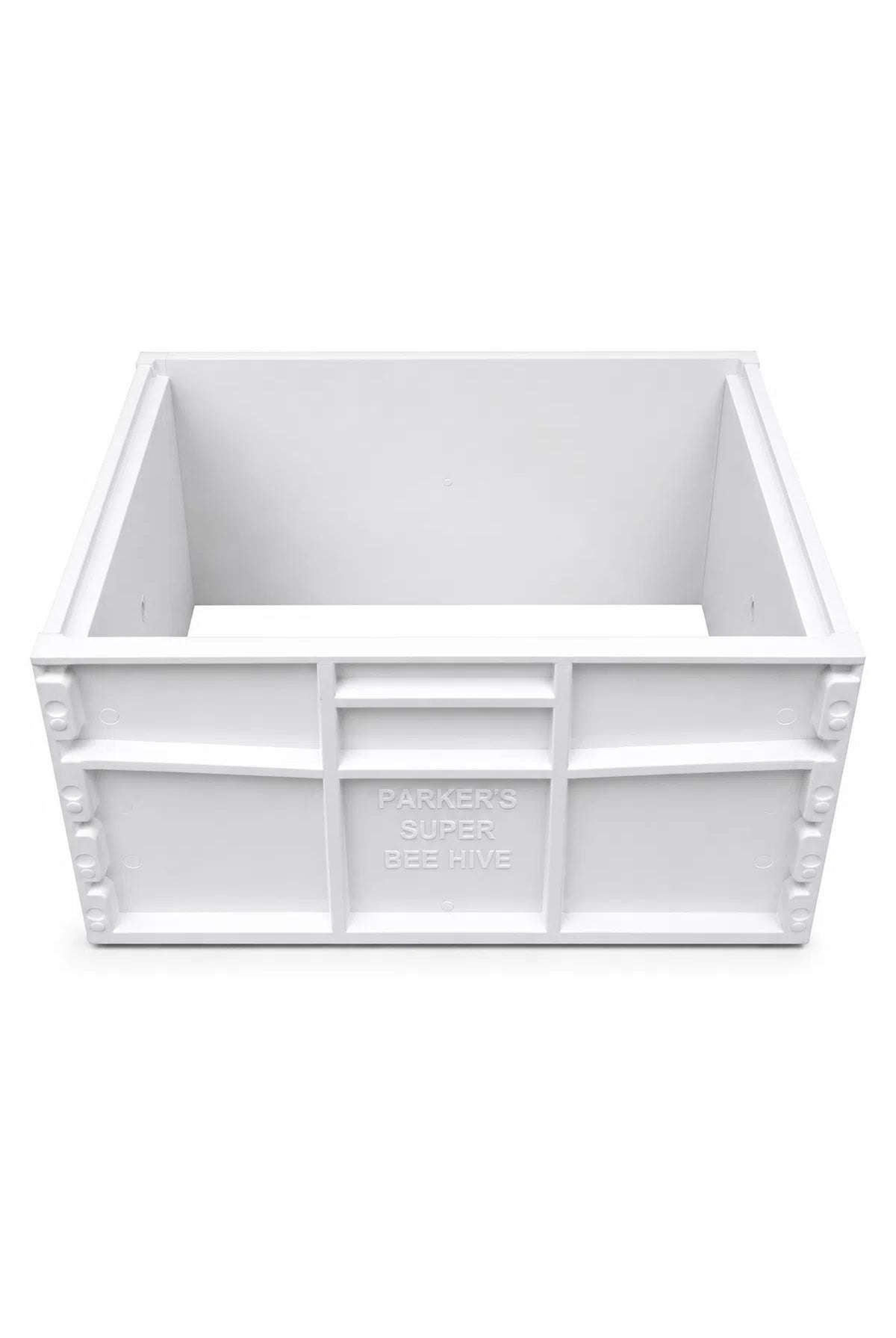
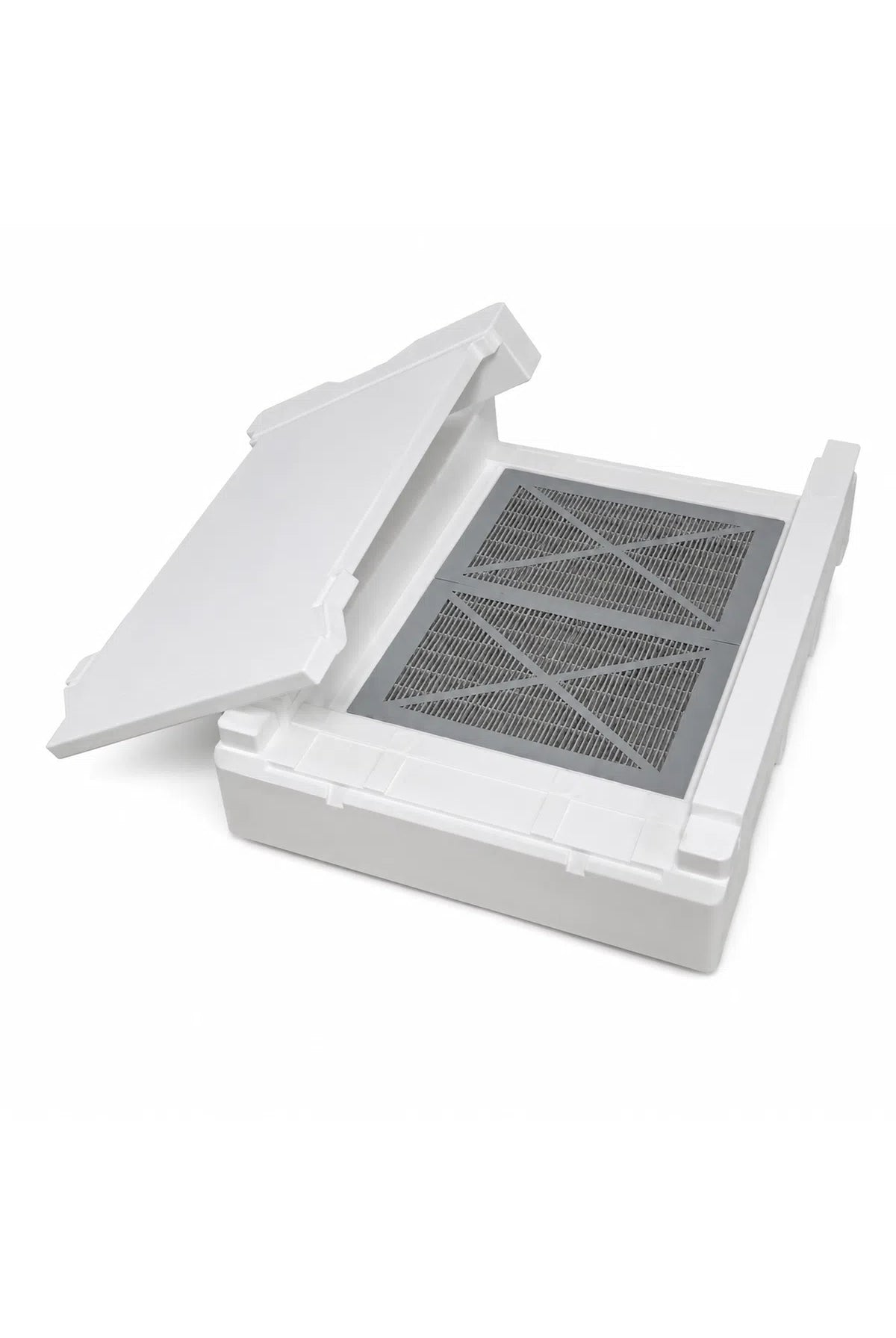
🐝 Thermal Beehives – Smart Insulated Hive Systems for Modern Beekeeping
Maintaining a stable internal hive environment is essential for strong, productive colonies. OZ Armour Thermal Beehives are engineered using advanced insulated materials and modern hive designs to help bees thrive in both hot and cold climates. Whether you're managing a growing apiary or starting fresh, these hive systems offer a reliable solution for improved colony health and efficiency.
Unlike traditional wooden hives, thermal hive systems use high-density insulated structures that reduce temperature fluctuations inside the colony. This allows bees to spend less energy regulating heat and more time on brood development, foraging, and honey production.
⚙️ Built for Performance & Practical Use
Every component in this category—from insulated hive boxes to ventilated bottom boards and durable lids—is designed with real-world apiary conditions in mind.
-
Advanced Thermal Insulation
High-density materials help maintain consistent internal temperatures, supporting brood development and reducing seasonal stress. -
Optimized Airflow Design
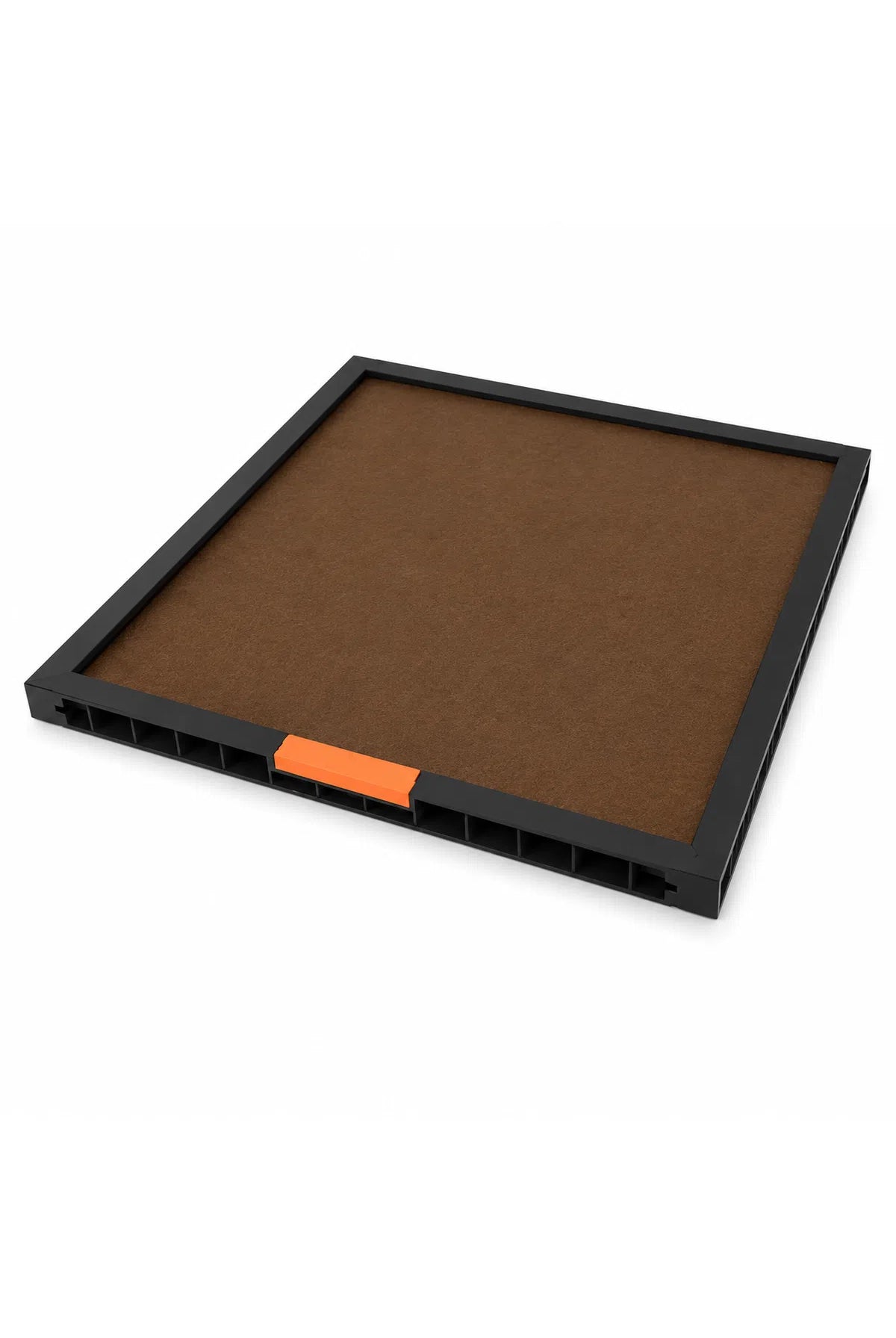
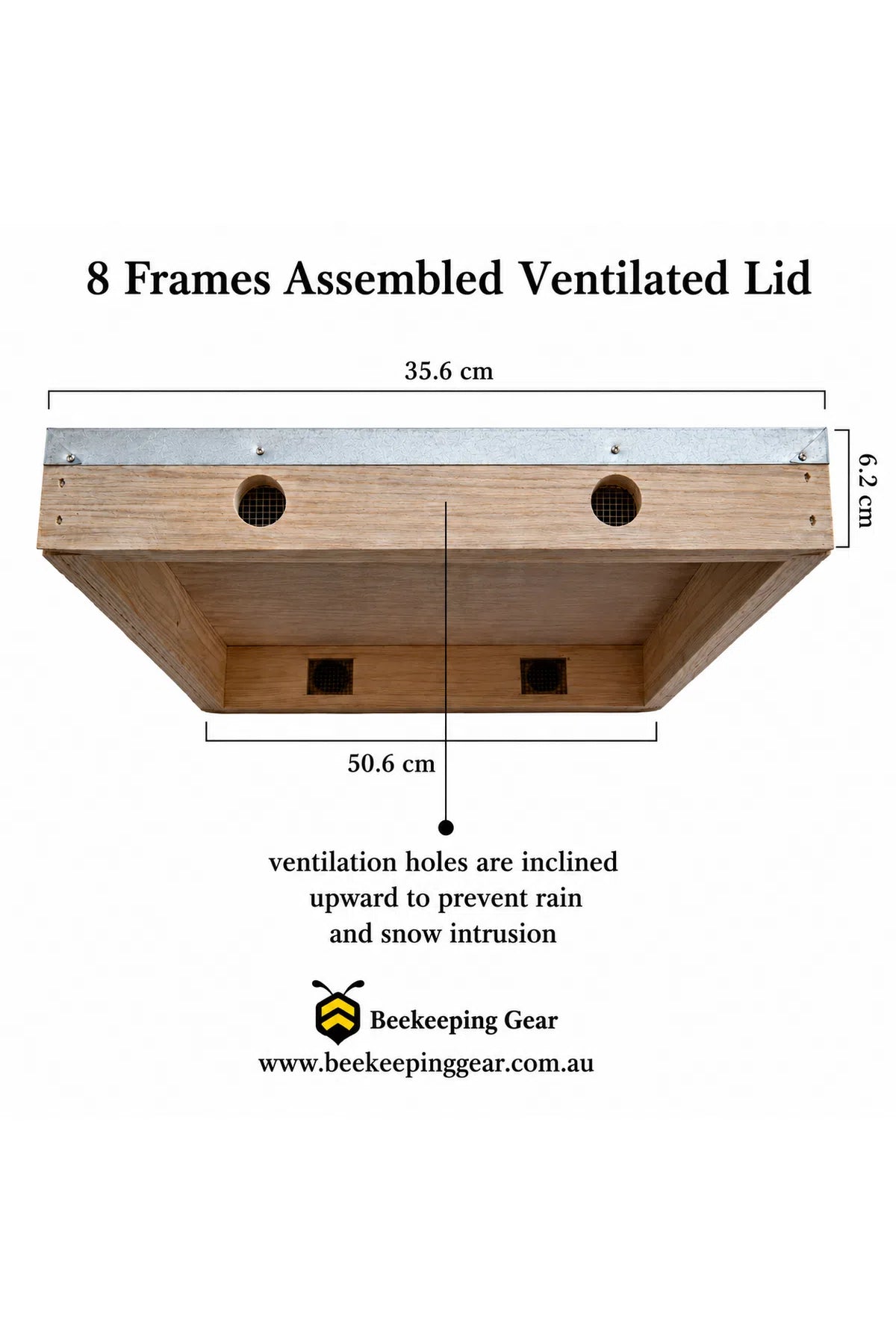
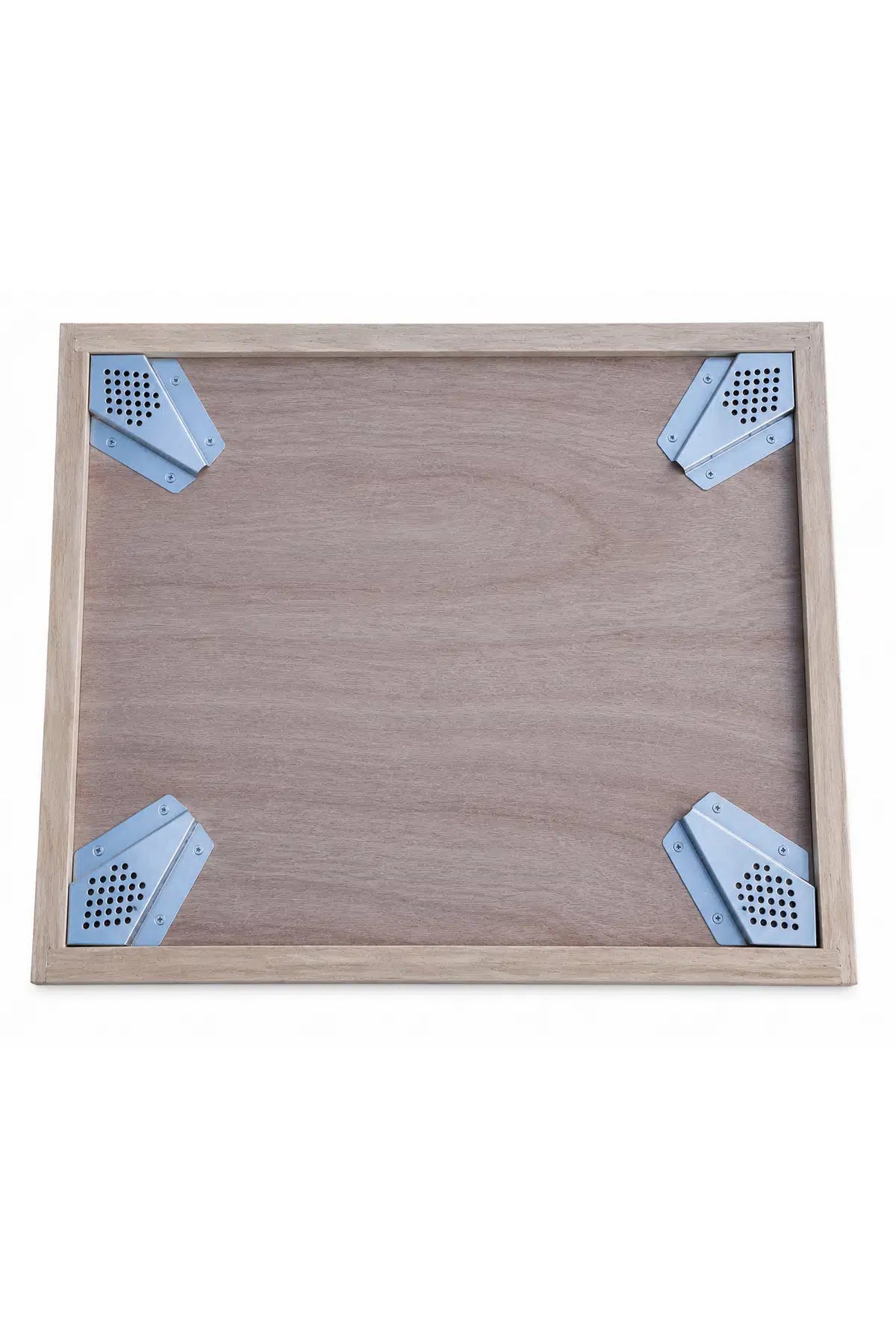
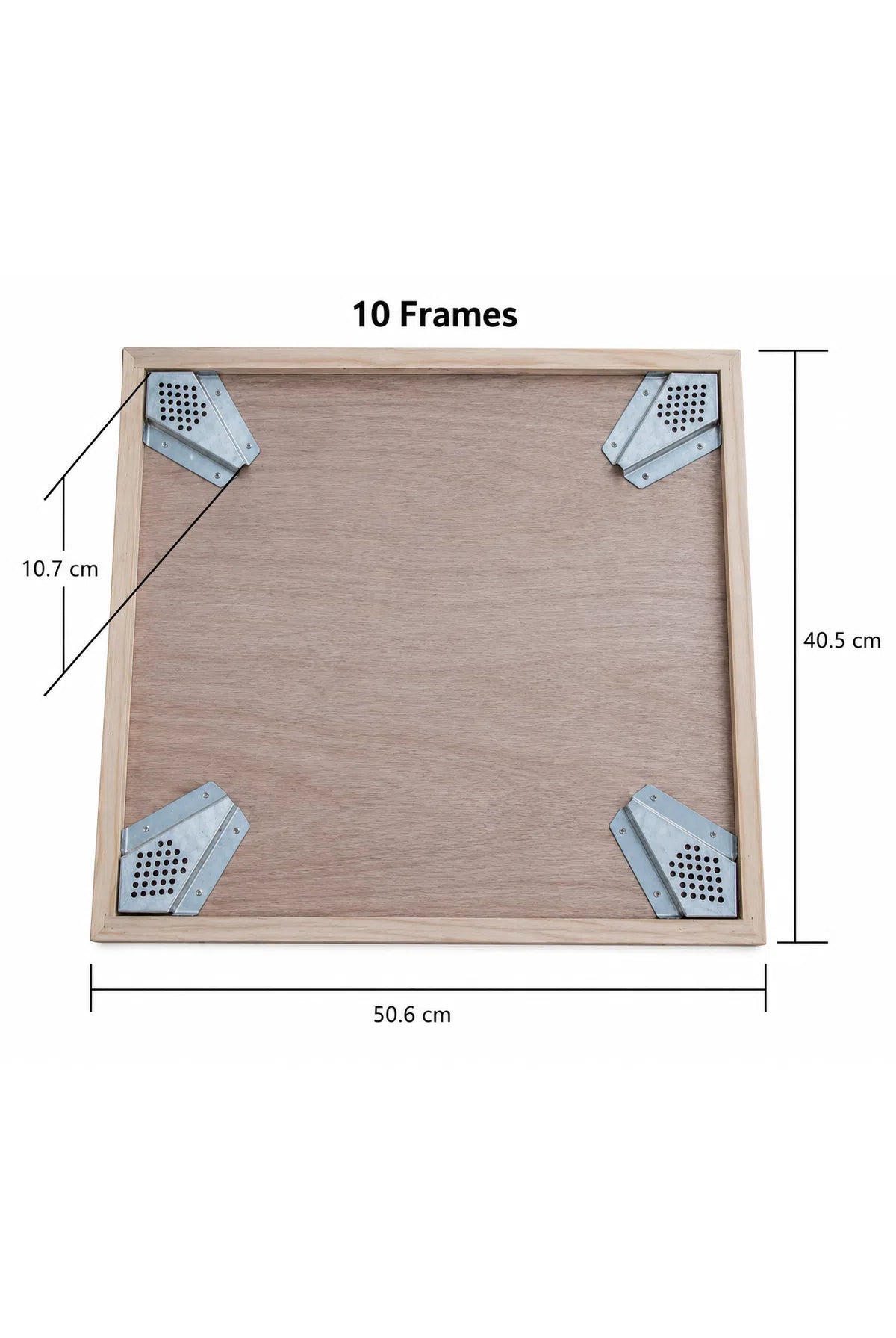
Ventilated bases and breathable lid systems improve airflow, helping control moisture and reduce internal condensation. -
Rugged Outdoor Durability
Built to handle harsh weather conditions while resisting cracks, moisture damage, and long-term wear. -
Lightweight & Easy Handling
Insulated hive bodies are easier to lift and inspect compared to conventional timber setups. -
Smart Functional Features
Includes integrated pest-control options, feeder compatibility, and modular expandability for flexible hive management.
🔍 Ideal for All Beekeeping Levels
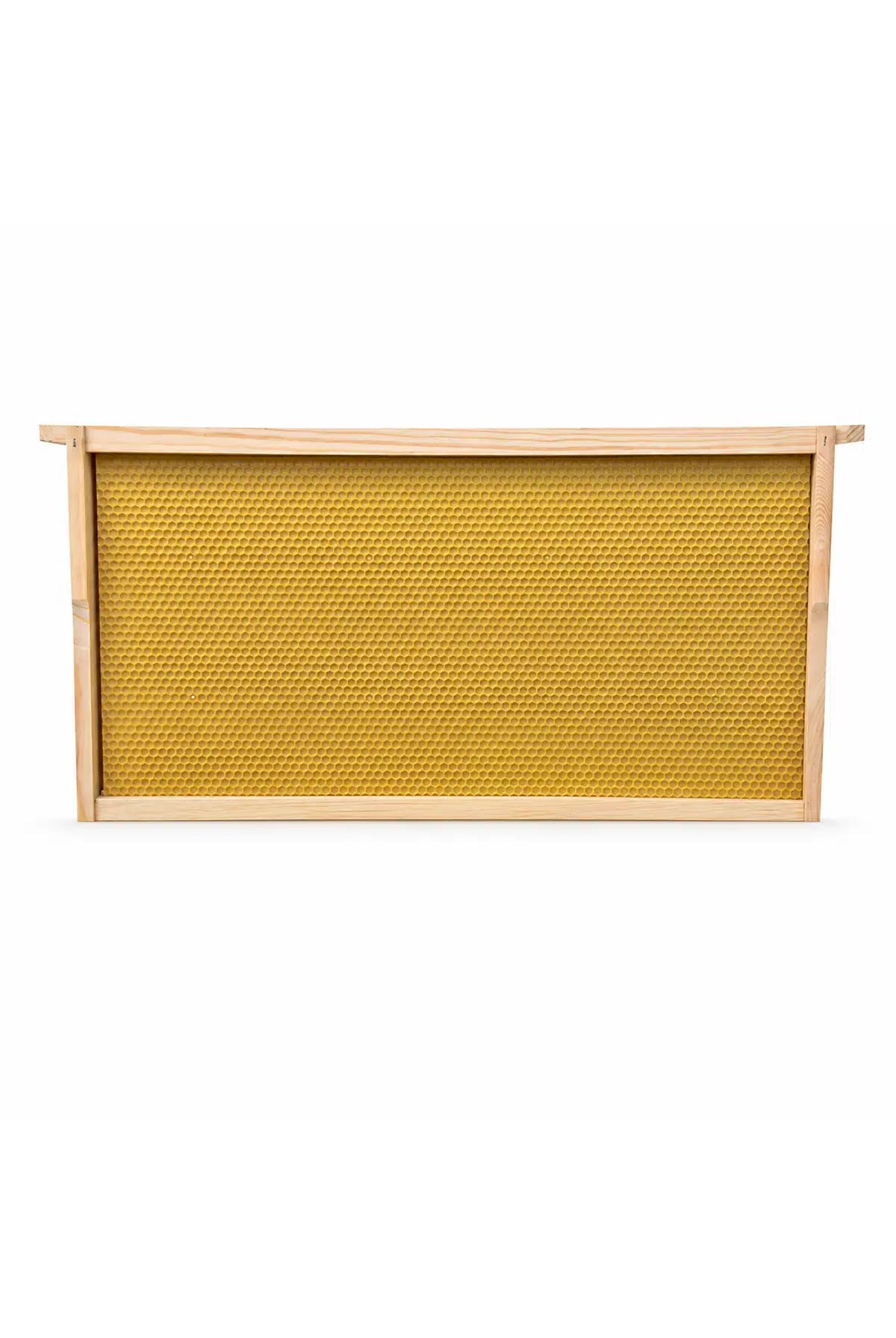
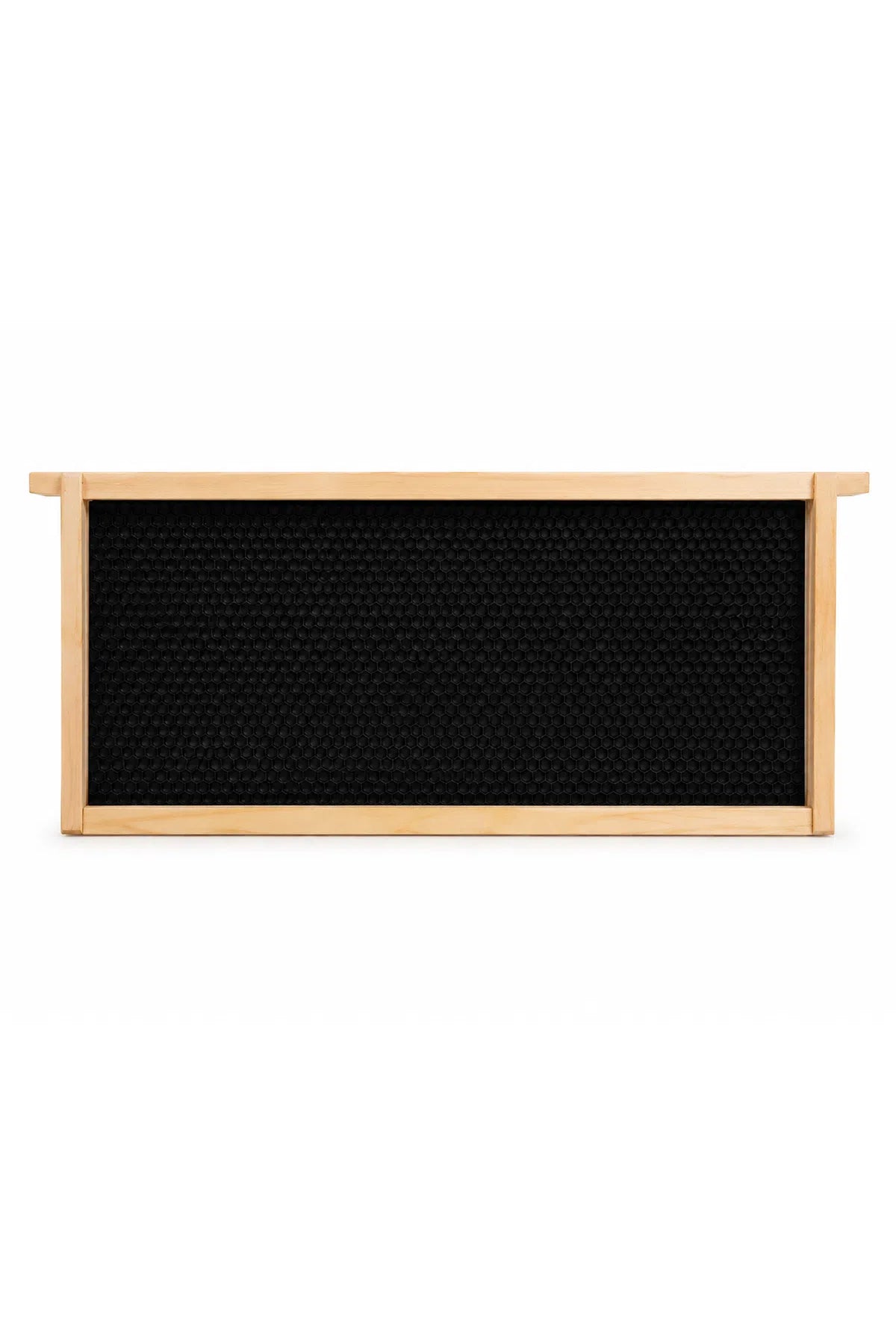
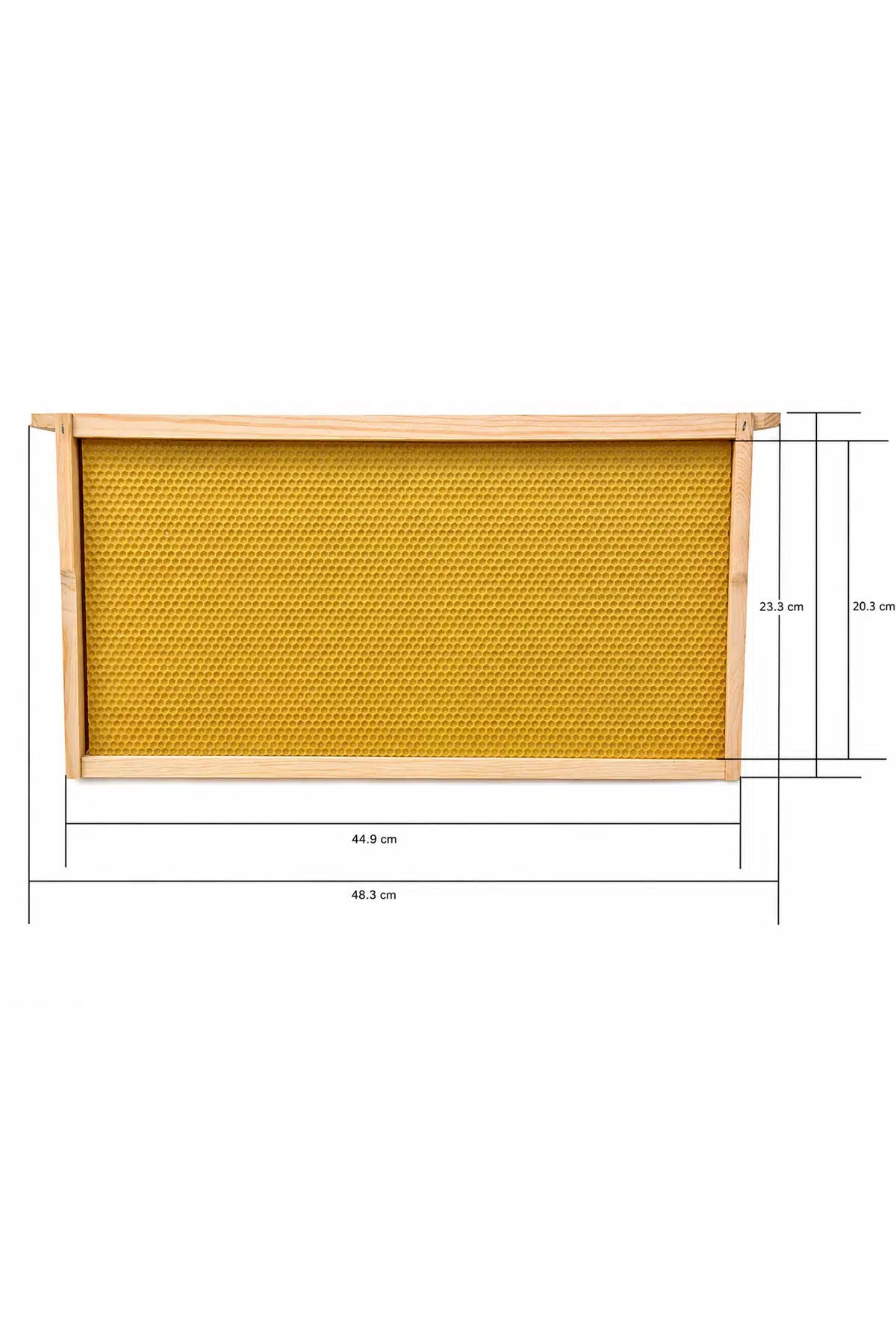
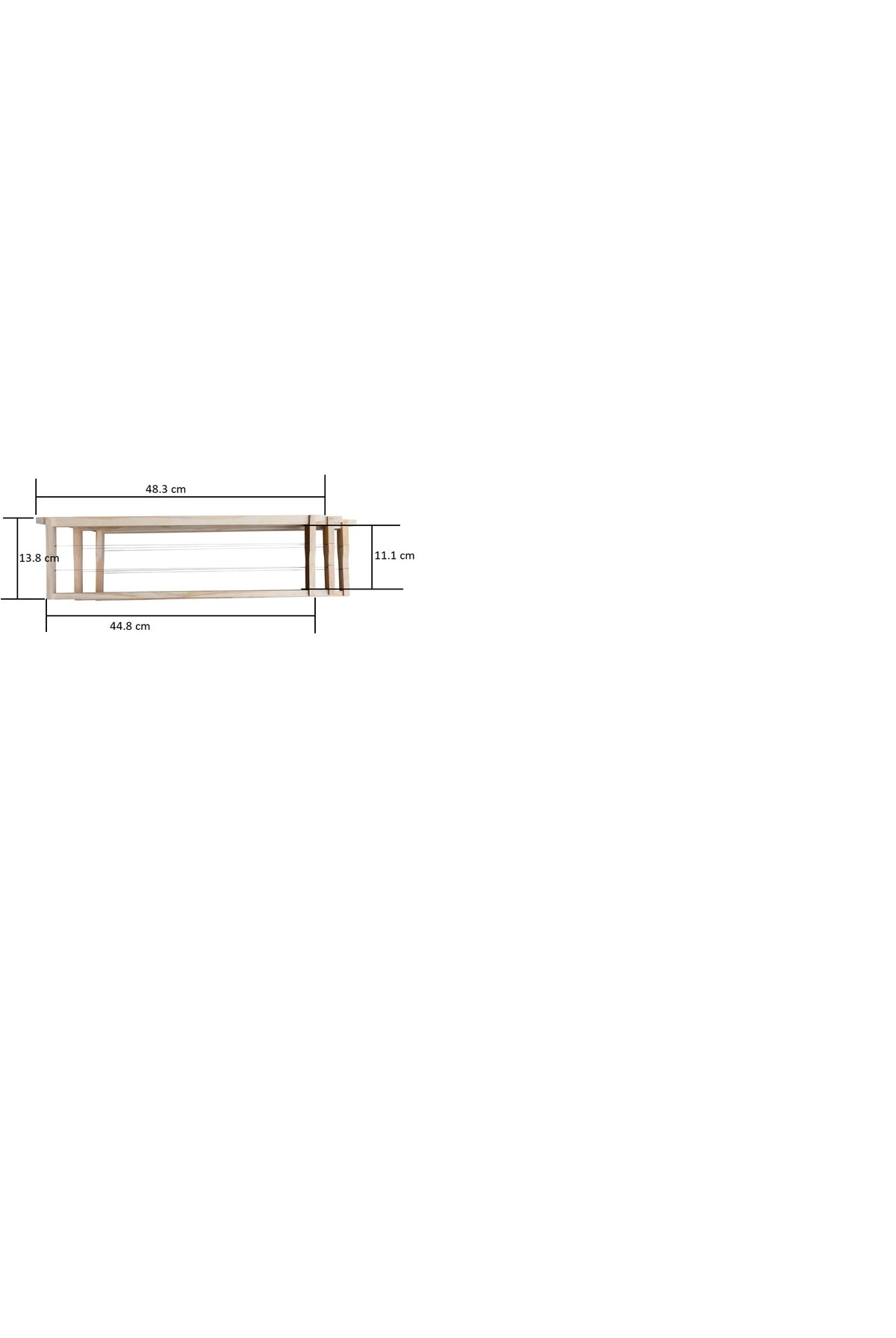
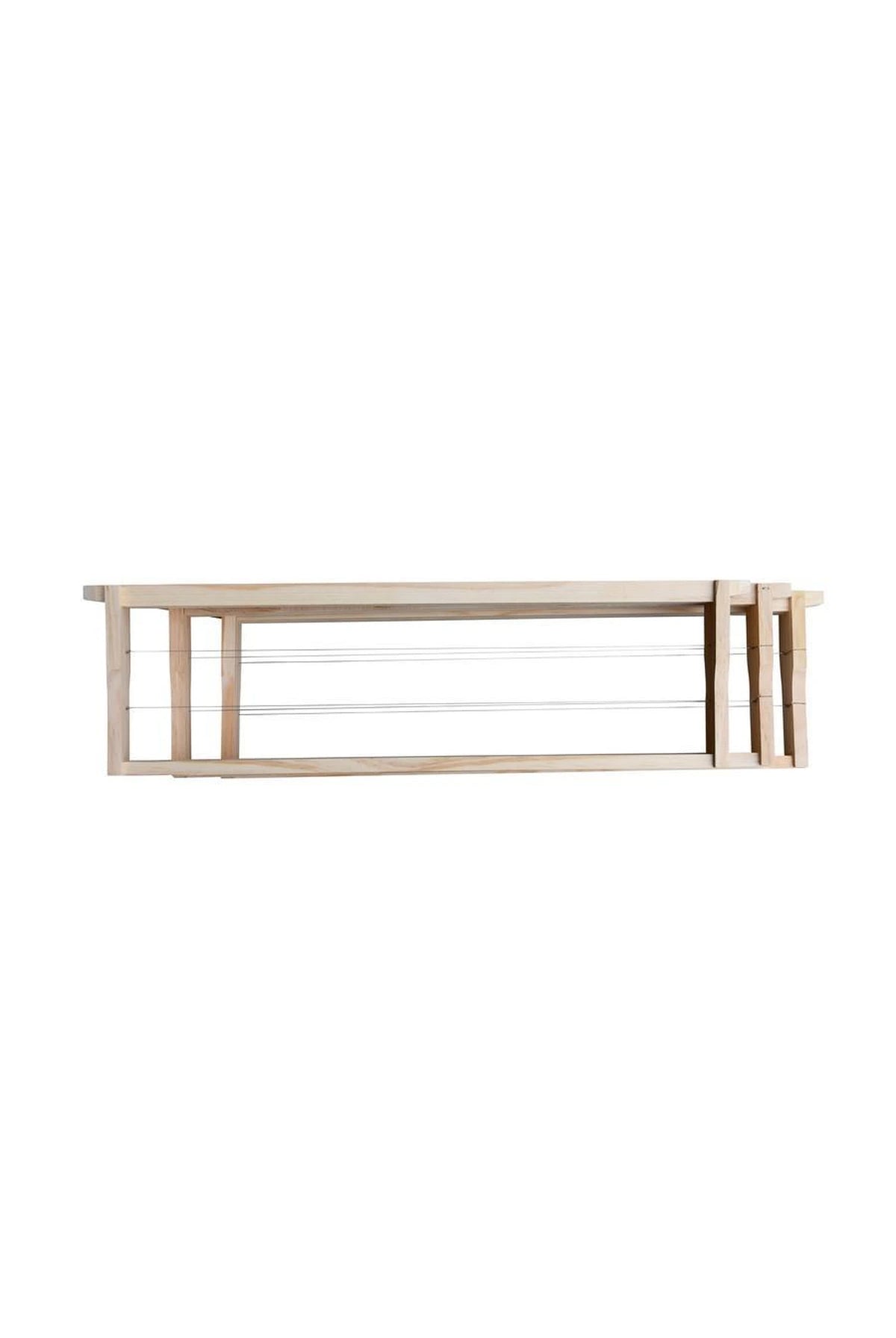
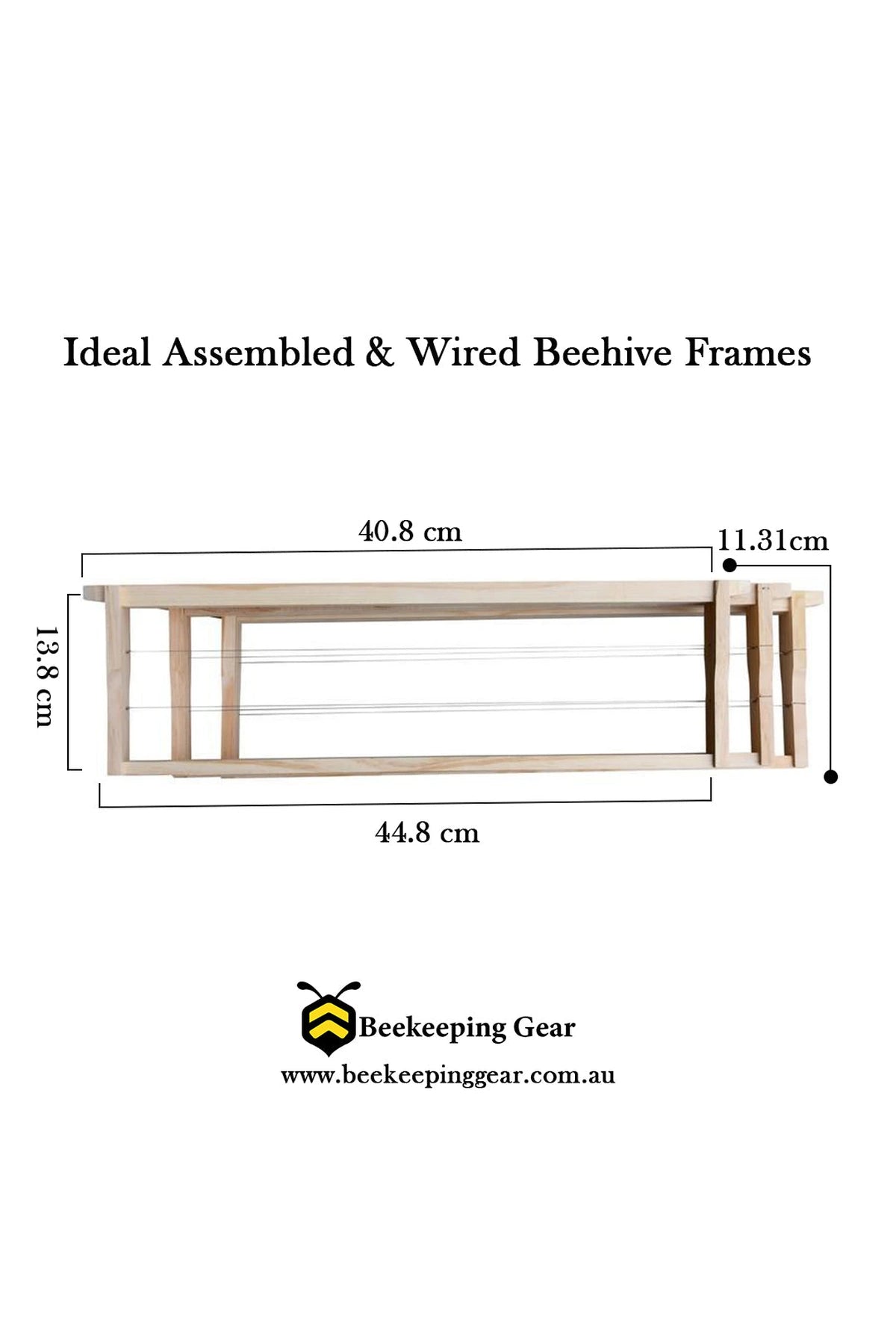
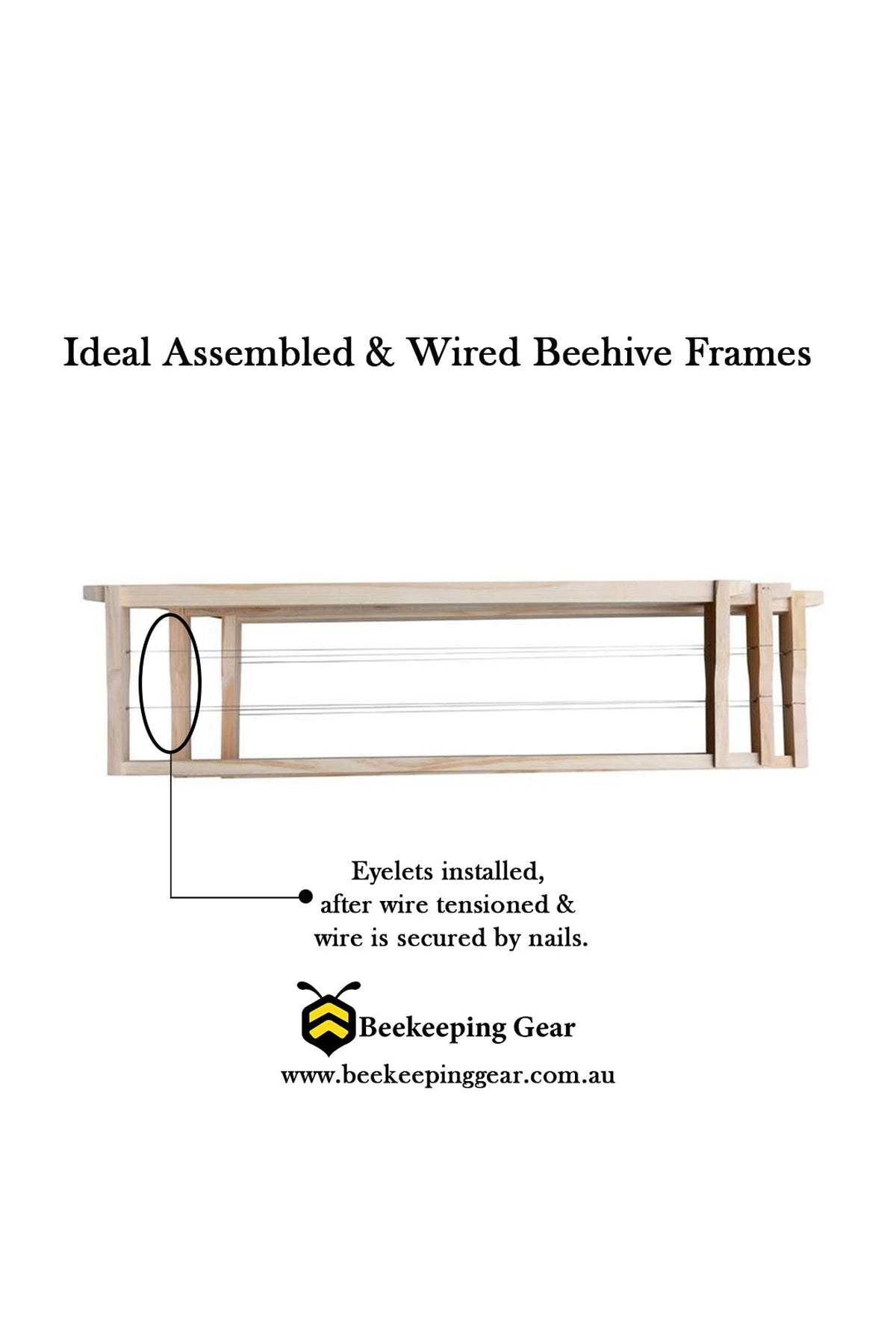
From compact nucleus setups to full-depth insulated systems, these hive solutions are suitable for both beginners and experienced keepers. They are compatible with standard frames, making them easy to integrate into existing apiary setups.
For safe and efficient hive handling, it’s important to use reliable protective wear and tools. Explore breathable upper-body protection through lightweight protective jackets, durable hand safety gear like premium hive gloves, and enhanced face visibility with protective head veils.
For complete coverage, consider full-body protective suits along with protective lower wear. Entry-level and family-friendly options such as junior protective suits are also available, along with safety add-ons like ankle guard protection.
You can also browse essential hive tools and accessories through complete apiary equipment range to support your daily operations.
🏆 Designed by Experience, Built for Results
Every product at OZ Armour is developed with a focus on performance, durability, and beekeeper convenience. To strengthen your knowledge and skills, explore expert resources in Learn Beekeeping or read more blogs about beekeeping.
For those looking for unique style options without compromising protection, explore specialized collections like pink bee Suits.
Upgrade your apiary with thermal hive systems designed to deliver better insulation, improved colony strength, and year-round productivity—giving your bees the stable environment they need to thrive.
🐝 Frequently Asked Questions (FAQs)
A complete hive setup (box, frames, foundation)
A bee colony (package or nucleus colony)
Proper protective gear
A suitable location with food sources
Beginners should start during spring when conditions are ideal for colony growth.